

Welcome to our Year-Round UK Lawn Calendar, After 20+ years of trial and error in my Rotherham, South Yorkshire garden, I’ve learned that successful lawn care isn’t about expensive products or complicated techniques – it’s about doing the right things at the right time. The difference between a lawn that struggles through British weather and one that thrives year-round comes down to understanding our unique seasonal challenges and planning accordingly. Here is the Year-Round UK Lawn Calendar.
I used to be one of those gardeners who panicked in spring, throwing everything at my lawn in a desperate attempt to green it up quickly. The results were predictably disappointing – patchy growth, weed explosions, and a lawn that looked great for six weeks then fell apart. Everything changed when I started following a proper seasonal lawn care calendar tailored to UK conditions.
My turning point came during the brutal winter of 2010 when my neglected lawn emerged looking like a patchwork quilt. That’s when I realised I’d been treating symptoms rather than following a proper maintenance schedule. Since developing this calendar, my lawn has weathered three major droughts, countless storms, and even the kids’ swing and slide set without missing a beat.
British weather throws curveballs that generic lawn advice simply can’t handle. Our wet springs, unpredictable summers, and extended growing seasons mean that American or European lawn care schedules often fail spectacularly in UK gardens. That’s why I’ve developed this month-by-month guide specifically for British grass varieties and climate patterns.
Year-Round UK Lawn Calendar

This Year-Round UK Lawn Calendar has transformed not just my lawn, but dozens of others after sharing it with fellow gardeners. The secret isn’t working harder – it’s working smarter by understanding what your grass needs each month throughout our challenging climate!
January: Planning and Winter Protection for UK Lawns
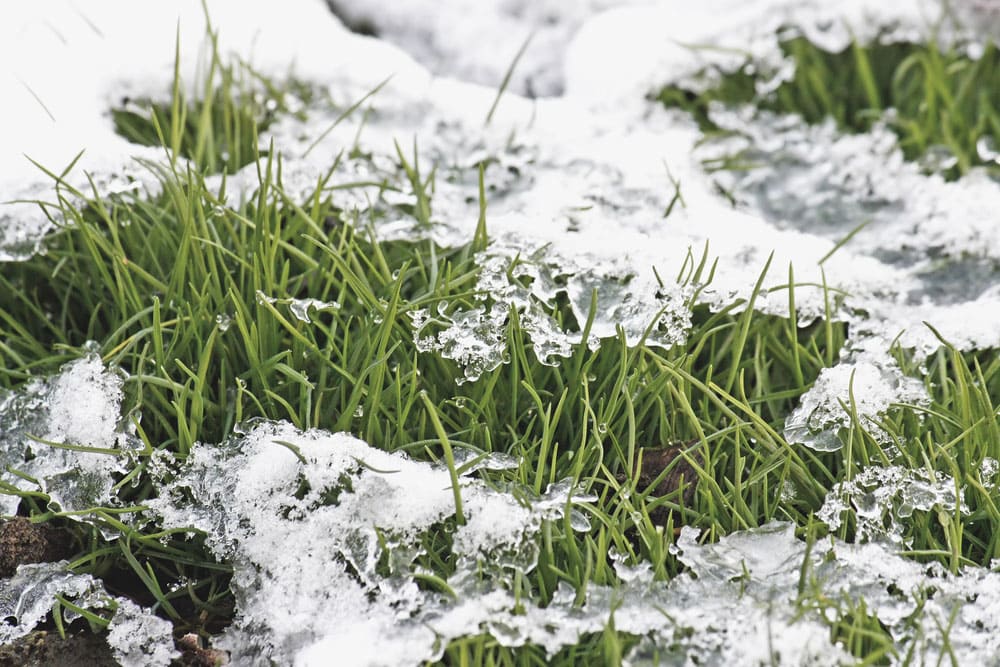
First up on the Year-Round UK Lawn Calendar: January might seem like the quietest month for lawn care in Rotherham, Sount Yorkshire, but it’s actually crucial for setting up success for the entire year ahead. I learned this after years of stumbling into spring unprepared and spending the whole season playing catch-up.
Winter damage assessment becomes your first priority once the worst weather passes. I do my initial walk-around on any mild day when the grass isn’t frozen solid. Look for waterlogged areas that might need drainage attention, patches where foot traffic has caused compaction, and areas where frost has been particularly harsh. Don’t panic if your lawn looks rough – most winter damage repairs itself once growing conditions return.
Planning major projects saves both time and money throughout the year. This is when I decide whether to tackle that problematic shady corner, plan drainage improvements, or budget for overseeding equipment. I keep a simple notebook where I record problem areas spotted during winter, along with ideas for solutions. Trust me, you’ll forget these observations once spring madness begins!
Tool maintenance might sound boring, but it’s saved me countless headaches over the years. January’s perfect for servicing mowers, sharpening blades, and checking equipment before the rush begins. I learned this after my mower died on the first sunny weekend in March, leaving me queuing for a replacement at the shop with half of Rotherham, South Yorkshire.
Soil testing in January gives you time to address pH issues before the growing season. I test different areas of my lawn because conditions vary more than you’d expect. The results determine my feeding strategy for the entire year – acidic soil gets lime treatment, while alkaline areas might need sulphur. This simple step eliminated years of wondering why fertiliser wasn’t working properly.
Ordering supplies early prevents disappointment and saves money. Seed, fertiliser, and soil amendments are often cheaper in winter, plus you avoid the spring shortages that leave you settling for second-choice products. I keep a running list throughout the year and place orders in December/ January when prices are lowest.
Winter protection focuses on minimising damage rather than promoting growth. Keep off frozen grass completely – those footprints will show as dead patches come spring. If you must access areas, lay boards to distribute weight. I learned this after creating a perfect trail of dead grass from the drive over the grass to the summer house that took months to recover.
Weather monitoring becomes more important as the month progresses. I check long-range forecasts for planning spring activities, but more importantly, I watch for those mild spells that tempt you into premature action. Resist the urge to cut grass or apply lawn treatments until conditions genuinely improve.
February: Early Preparation and Soil Assessment
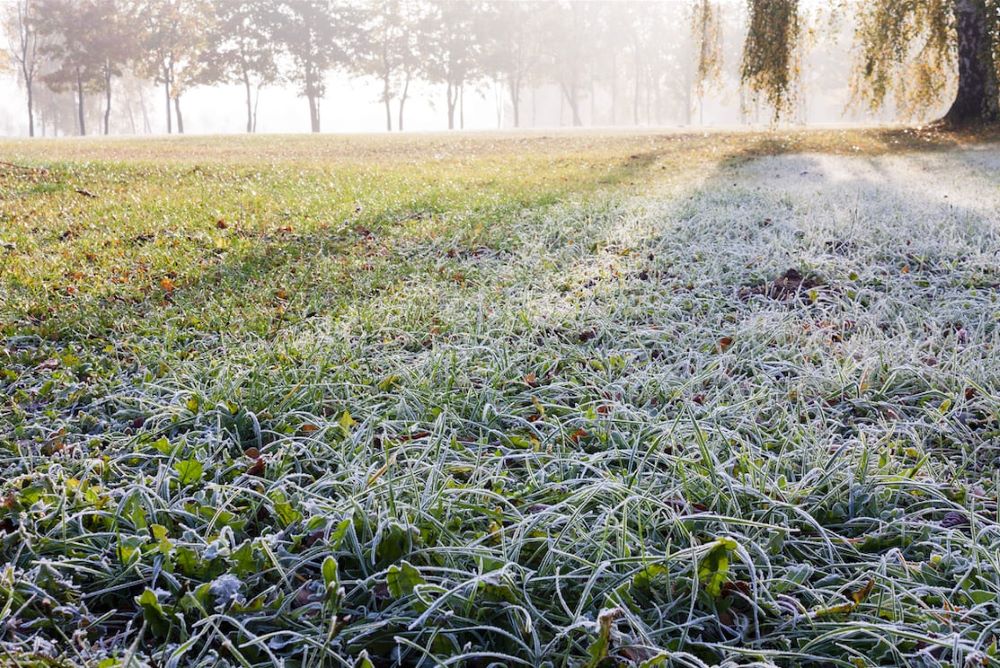
February tests your patience more than any other month. The days are getting longer, spring feels tantalizingly close, yet your lawn still looks like it’s been through a war. This is when preparation pays off and hasty decisions cause months of problems.
First lawn inspections should wait for genuinely mild weather when grass isn’t frozen or waterlogged. I make this mistake in the early years of rushing out after one sunny day, only to find my boots sinking into soggy soil. Wait until you can walk across the grass without leaving deep footprints – usually late February in southern England, early March further north.
Soil testing becomes more meaningful now because you can actually access different areas properly. I use a basic pH testing kit and take samples from various spots around the lawn. The results often surprise me – my back lawn consistently tests more alkaline than the front, probably due to builder’s rubble buried decades ago. Understanding these variations helps target treatments effectively.
Light debris removal can begin on suitable days, but don’t get carried away. I remove obvious rubbish, broken branches, and accumulated leaves from problem areas. However, resist the temptation for major cleanup – dormant grass is vulnerable to damage, and those leaves might be protecting vulnerable areas from late frosts.
Drainage planning becomes urgent if winter has highlighted waterlogging problems. I identify the worst areas and plan solutions before spring growth begins. Sometimes it’s as simple as aerating compacted spots; other times it requires proper drainage channels. Planning now means you can act quickly when conditions improve.
Moss lawn treatment preparation starts now, though actual treatment waits until March. I assess moss problems and plan my attack strategy. Iron-based treatments work best, but timing matters enormously. Applied too early, they’re wasted; too late, and moss gets established for another season. February planning ensures perfect March timing.
Lawn equipment and tool preparation intensifies as spring approaches. I service my mowers properly – not just checking oil, but cleaning air filters, sharpening blades, and ensuring smooth operation. There’s nothing worse than discovering equipment problems when perfect cutting weather arrives. Small maintenance now prevents major headaches later.
Weather watching becomes almost obsessive as spring approaches. I’m looking for consistently mild temperatures and improving soil conditions, not just sunny days. Soil temperature matters more than air temperature for most lawn activities. A simple soil thermometer changed my timing dramatically – grass doesn’t really wake up until soil hits 6-8°C consistently.
Seed ordering finalises now if you haven’t already sorted it. Popular varieties sell out quickly, and you want seed in hand when perfect overseeding conditions arrive. I learned this after trying to buy perennial ryegrass during a warm April spell – everywhere was sold out, and I missed the ideal sowing window.
March: Spring Awakening and First Active Tasks
March transforms everything! in the Year-Round UK Lawn Calendar This is when your lawn finally starts responding to your care, and proper timing makes the difference between a great season and a frustrating one. I’ve learned to watch grass growth rather than calendar dates – some years spring comes early, others keep you waiting until April.
No during the Year-Round UK Lawn Calendar comes the first cut of the year needs careful timing. I wait until grass is actively growing and conditions are suitable for both mower and lawn. The grass should be dry, soil reasonably firm, and growth evident rather than just hoped for. Set your mower high – at least 4cm for the first cut. Scalping dormant grass sets you back months and encourages weed germination.
Spring feeding begins once grass shows clear growth signs. I use slow-release or organic fertilisers that won’t burn tender new growth. The soil biology needs time to wake up too, so gentle feeds work better than high-nitrogen blasts. I learned this after scorching patches with enthusiastic early feeding – patience pays off enormously.
Overseeding thin areas works brilliantly in March if conditions align properly. Soil needs to be workable but not soggy, and temperatures need to stay consistently mild. I prepare seedbeds lightly, avoiding major soil disturbance that could damage existing grass. The key is creating good seed-to-soil contact without destroying what’s already there.
Weed control starts now but requires strategy. Pre-emergent treatments work only before weeds germinate, while post-emergent treatments need actively growing weeds. I focus on hand-weeding major perennials like dandelions – they’re easier to remove completely when soil is moist but not waterlogged. Annual weeds can wait until they’re actively growing.
Aeration helps enormously after winter compaction, especially in high-traffic areas. I use a spring push spike areator for small areas or hire proper aerating equipment for larger lawns. The improvement in drainage and root development is dramatic, but timing matters – soil should be moist enough for easy penetration but not so wet that you cause more compaction.
Moss treatment with iron sulphate works best in March when moss is active but grass is starting to compete. I apply on a calm, dry day with rain forecast within 24 hours. The timing window is narrow – too early and it’s wasted, too late and moss gets established. Results show within 7-10 days if conditions are right.
Regular maintenance schedules begin now. I establish weekly lawn inspections, plan feeding intervals, and set up equipment routines. Consistency matters more than perfection – regular moderate attention beats sporadic intensive efforts. This is when good habits form that carry you through the entire season.
Edge maintenance often gets overlooked but makes enormous visual difference. I re-cut lawn edges damaged by winter weather and define boundaries clearly. Sharp edges make even average grass look professionally maintained, while ragged edges make perfect grass look neglected.
April: Active Growth Management and Establishment
April explodes with activity as grass growth accelerates and your maintenance schedule shifts into high gear. This is make-or-break time in the Year-Round UK Lawn Calendar for establishing the season’s success, and proper timing becomes absolutely critical.
Mowing frequency increases dramatically as growth accelerates. I typically go from monthly to weekly cutting in April, adjusting based on actual growth rather than calendar dates. The one-third rule becomes essential – never remove more than one-third of grass height in a single cut. Better to cut twice weekly if growth is extreme than scalp the lawn trying to maintain weekly schedules.
Major feeding programmes begin in earnest once grass is actively growing. I switch to higher nitrogen feeds that support rapid spring growth, but I’ve learned to apply little and often rather than single large applications. British weather can wash away nutrients quickly, and grass can only absorb so much at once. Monthly feeding usually works better than quarterly blasts.
Intensive overseeding takes advantage of perfect April conditions – warm days, cool nights, and reliable moisture. I prepare areas carefully, ensuring good seed-to-soil contact without damaging existing grass. The secret is timing with weather patterns – ideally sowing just before gentle rain periods that provide consistent moisture for germination.
Pre-emergent weed control must happen before soil temperatures trigger germination. I learned this timing through painful experience – too late and you’re dealing with established weeds all season. Soil temperature matters more than calendar date, and a simple soil thermometer prevents expensive mistakes. Most annual weeds germinate when soil hits 10-12°C consistently.
Moss treatment shows results from March applications, and follow-up treatments may be necessary for severe infestations. I rake out dead moss and overseed affected areas immediately – bare soil won’t stay bare. The combination of moss removal and overseeding provides lasting solutions rather than temporary clearance.
Edge maintenance becomes weekly routine as growth accelerates. Sharp, well-defined edges make enormous visual impact and help prevent grass encroaching into borders. I use the a half-moon edging tool for precision followed by, following up with regular pro rotary scissor cuts for sharp defined edges to maintain clean lines. Neglected edges quickly make the whole lawn look scruffy.
Irrigation planning becomes important as temperatures rise and rainfall becomes less predictable. I test systems, check coverage patterns, and plan water-efficient schedules. Deep, infrequent watering encourages deep roots and drought tolerance, while frequent shallow watering creates weak, surface-rooted grass.
Pest monitoring begins as soil warms up and insects become active. I watch for signs of grub damage, surface feeding insects, and disease symptoms. Early intervention prevents minor issues becoming major problems. Regular weekly inspections catch problems while they’re still manageable.
Disease prevention through cultural practices becomes essential as humidity increases. Proper air circulation, avoiding evening watering, and maintaining appropriate grass height prevent most fungal diseases. I learned that prevention costs far less than cure and works much more reliably.
Equipment maintenance continues as usage intensifies. Weekly cleaning, regular blade sharpening, and prompt repairs prevent breakdowns during peak season. I keep spare parts and basic tools handy – there’s nothing worse than perfect cutting weather coinciding with equipment failure.
May: Peak Spring Tasks and Summer Preparation
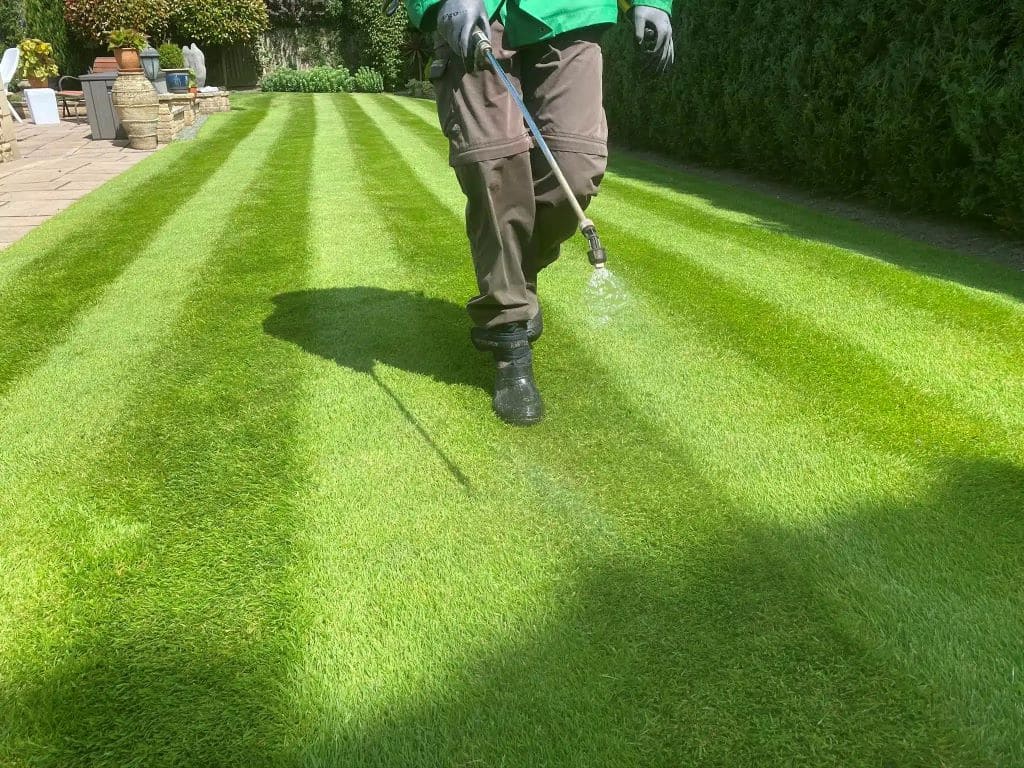
May represents peak spring activity during the Year-Round UK Lawn Calendar and your last chance to establish perfect conditions before summer stress arrives. Everything you do now influences how well your lawn handles the challenges ahead, and proper timing becomes absolutely crucial.
Regular weekly mowing becomes essential as grass hits peak growth rates. I often need to cut twice weekly during May growth spurts, always following the one-third rule to avoid scalping. The key is adjusting cutting height based on conditions – slightly higher during dry spells, normal height during optimal growing conditions. Consistency matters more than trying to maintain perfect length.
Fine-tuning feeding programmes based on grass response becomes important now. Some areas may need extra nitrogen for colour and growth, while others might need potassium for stress tolerance. I’ve learned to read my lawn’s signals – pale areas need nitrogen, areas prone to disease might need less feeding. Observation beats rigid schedules every time.
Major weed control efforts must happen before summer heat makes treatments less effective. Post-emergent herbicides work best on actively growing weeds, and May provides ideal conditions. I prefer selective treatments that target specific weed types rather than broad-spectrum applications. Hand-weeding is still practical for isolated problems and avoids chemical use entirely.
Irrigation setup and testing becomes urgent as temperatures rise and rainfall becomes unreliable. I check sprinkler coverage, repair damaged lines, and plan efficient watering schedules. The goal is deep, infrequent watering that encourages deep root growth rather than frequent shallow applications that create surface-dependent grass.
Final overseeding opportunities need seizing before summer stress makes establishment difficult. May sowing can succeed if you can guarantee consistent moisture through germination and establishment. However, I’ve learned that spring seeding often struggles during sudden hot spells, so autumn overseeding generally works more reliably.
Pest monitoring intensifies as temperatures warm up and insect activity increases. I watch for leatherjacket damage, chafer beetle signs, and surface-feeding insects. Early intervention with biological controls or targeted treatments prevents minor infestations becoming major problems. Regular inspection beats reactive treatment every time.
Disease prevention becomes critical as humidity increases and grass growth accelerates. Proper air circulation, avoiding evening watering, and maintaining good cultural practices prevent most fungal issues. I learned that dense, overfed grass is more susceptible to disease than moderate, well-maintained grass.
Summer preparation involves adjusting maintenance practices for the challenges ahead. I gradually raise cutting height, plan drought management strategies, and prepare for increased traffic from summer activities. Thinking ahead prevents crisis management during stressful conditions.
Traffic management becomes important as outdoor activities increase. I identify high-wear areas and plan protective measures – perhaps temporary pathways during parties or alternative routes for regular foot traffic. Prevention beats repair, and May planning saves July problems.
Fertiliser transition from high-nitrogen spring feeds to balanced or potassium-rich summer formulations helps grass prepare for stress. I gradually reduce nitrogen and increase potassium content to promote stress tolerance rather than rapid growth. Timing this transition properly makes enormous difference to summer performance.
June: Early Summer Maintenance and Growth Control
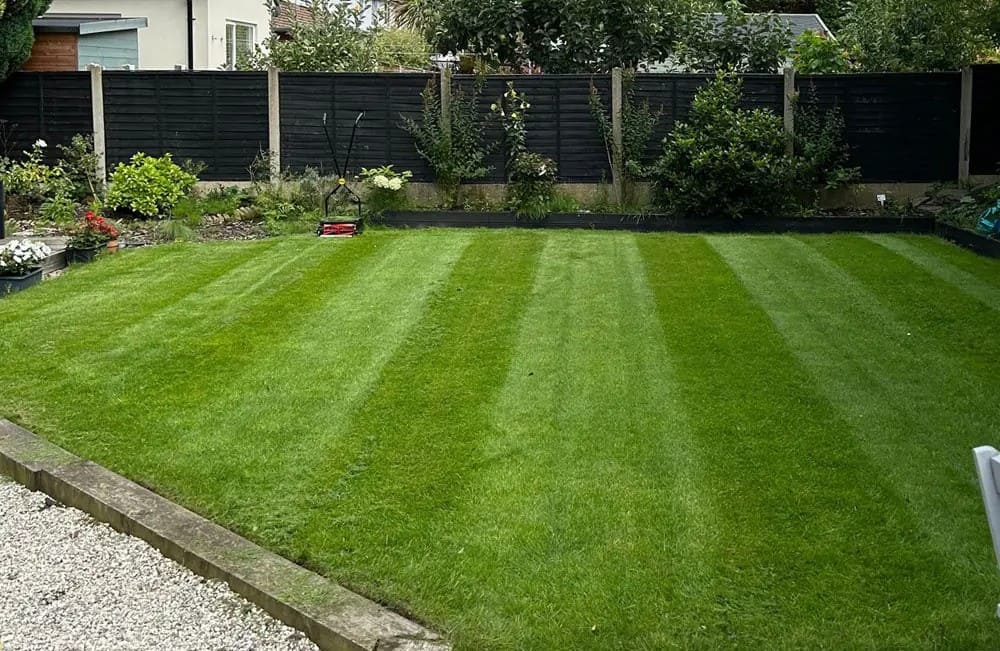
June brings the transition from spring growth management to summer lawn care maintenance during the Year-Round UK Lawn Calendar, requiring completely different strategies and timing. This is when proper preparation pays off and poor planning becomes painfully obvious.
Cutting height adjustment becomes crucial as temperatures rise and moisture becomes less reliable. I gradually raise my mower deck to maximum summer height – usually 6-7cm depending on grass type. Taller grass provides better drought tolerance, deeper root growth, and natural weed suppression. This single change transformed my lawn’s summer performance.
Summer feeding requires completely different approaches from spring programmes. I switch to slow-release formulations that won’t promote excessive growth during stress periods. Potassium becomes more important than nitrogen for building stress tolerance. I learned this after years of pushing nitrogen through summer and wondering why my grass struggled during dry spells.
Intensive watering schedules become essential during dry periods. I water deeply but less frequently, encouraging deep root development rather than surface dependency. Early morning watering reduces evaporation and disease pressure. The key is consistent monitoring – soil moisture matters more than surface appearance.
Summer weed control focuses on spot-treatment rather than blanket applications. Heat stress makes grass more susceptible to herbicide damage, so I target individual weeds rather than broadcast treatments. Hand-weeding becomes more practical for small infestations, and proper timing prevents heat damage to desirable grass.
Disease prevention through cultural practices becomes absolutely critical. I ensure good air circulation, avoid evening watering, and maintain proper cutting height. Overfed, stressed grass becomes disease-prone quickly. Regular monitoring catches problems early when treatment is still effective.
Traffic management during peak lawn use requires planning and sometimes hard choices. I create defined pathways for regular routes, use temporary protection for special events, and sometimes restrict access to stressed areas. Family cooperation becomes essential – explaining why helps gain support for protective measures.
Pest control as grubs and surface insects become active requires different strategies from spring approaches. Biological controls work well but need proper timing. I monitor for damage signs and treat specific problems rather than preventive applications. Understanding pest lifecycles helps time interventions effectively.
Irrigation efficiency becomes crucial as water restrictions may apply and costs increase. I adjust systems for maximum efficiency, check for leaks and waste, and prioritise critical areas during severe restrictions. Deep, infrequent watering maintains better grass health with less water use.
Shade management becomes important as trees reach full leaf and reduce light levels. I prune lower branches for better air circulation and consider shade-tolerant grass varieties for problem areas. Sometimes accepting limitations works better than fighting impossible conditions.
Equipment adjustment for summer conditions prevents damage and improves efficiency. I ensure mower blades are sharp to prevent tearing stressed grass, adjust cutting schedules for cooler parts of the day, and maintain equipment properly to prevent breakdowns during peak use periods.
July: Drought Management and Summer Stress Care

July during the Year-Round UK Lawn Calendar tests everything you’ve done so far and separates well-prepared lawns from struggling ones. Proper drought management and stress care become absolutely essential, and this is where spring preparation either pays off or leaves you scrambling.
Deep, infrequent watering becomes your most important tool during UK heatwaves. I water thoroughly twice weekly rather than light daily applications, encouraging deep root growth that accesses moisture synthetic lawns can’t reach. Morning watering reduces evaporation and disease pressure, while evening watering can encourage fungal problems.
Maximum cutting height provides crucial stress protection during extreme heat. I raise my mower to its highest setting and resist the temptation to cut more frequently just because grass looks untidy. Taller grass shades soil, reduces water evaporation, and maintains better root health. This simple change can mean the difference between green grass and brown patches.
Feeding reduction prevents stress-induced problems during extreme conditions. I stop nitrogen applications entirely during heatwaves, focusing instead on potassium-rich feeds that improve stress tolerance. Pushing growth during stress periods weakens grass and makes it more susceptible to heat damage and disease.
Pest monitoring intensifies as stress makes grass more vulnerable to insect damage. I watch for signs of grub feeding, surface insect damage, and unusual pest activity. Stressed grass recovers slowly from pest damage, so early intervention becomes even more critical. Regular evening inspections catch problems while treatment is still effective.
Emergency repair strategies for heat-damaged areas prevent permanent loss. I identify badly damaged sections and plan immediate intervention – usually involving irrigation, temporary shading, or overseeding once conditions improve. Quick action can save areas that would otherwise require complete renovation.
Shade management and air circulation improvements help grass cope with extreme conditions. I prune branches that block air movement and create additional shade where possible during severe heatwaves. Sometimes temporary shade cloth over the worst-affected areas makes the difference between survival and loss.
Water conservation strategies become essential during drought conditions and hosepipe bans. I prioritise the most visible or valuable areas, use greywater where appropriate, and focus on keeping grass alive rather than perfect. Sometimes accepting temporary dormancy works better than fighting impossible conditions.
Traffic restriction protects stressed grass from additional damage. I create alternative pathways, restrict children’s activities to less vulnerable areas, and sometimes fence off severely stressed sections. Family cooperation becomes crucial – explaining the temporary nature helps gain support.
Disease monitoring increases as stress makes grass more susceptible to fungal infections. I watch for signs of red thread, brown patch, and other summer diseases. Proper air circulation and avoiding overwatering help prevent problems, while early treatment stops minor issues becoming major disasters.
Recovery planning for damaged areas begins now rather than waiting until autumn. I identify sections that will need overseeding, areas requiring soil improvement, and equipment needed for autumn renovation. Planning ahead ensures you can act quickly when conditions improve.
August: Late Summer Recovery and Autumn Preparation
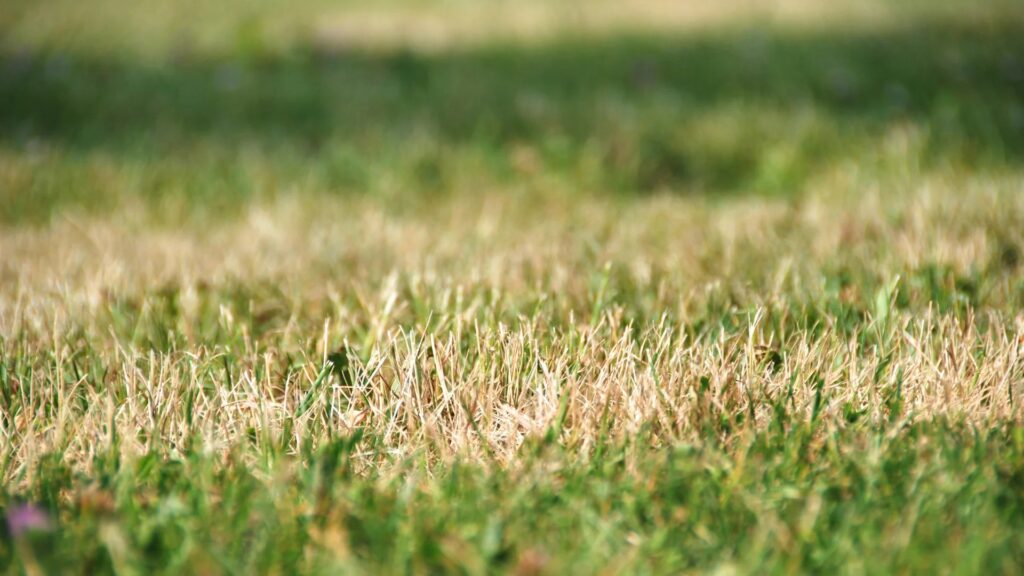
August bridges the gap between summer survival and autumn renewal during the Year-Round UK Lawn Calendar. This is when you assess summer damage and begin preparing for the crucial autumn renovation period that can transform struggling lawns into autumn showstoppers.
Summer damage assessment becomes your first priority as temperatures moderate slightly. I walk the entire lawn systematically, noting areas needing attention, successful strategies worth repeating, and problems requiring major intervention. This honest assessment guides autumn planning and prevents repeating mistakes.
Feeding transition from summer maintenance to autumn preparation requires careful timing. I gradually reintroduce nitrogen while maintaining potassium levels for continued stress tolerance. The goal is encouraging recovery without promoting excessive growth that won’t harden off properly before winter. Getting this balance right sets up autumn success.
Autumn overseeding preparation begins with planning and soil testing. I identify areas needing renovation, test soil conditions in different zones, and plan seed varieties for specific conditions. August planning ensures you can act quickly when perfect September conditions arrive. Preparation time now saves precious weeks later.
Late summer weed control targets perennial weeds before they set seed for next year. I focus on spot-treatment of established weeds rather than pre-emergent applications. Hand-weeding works well when soil moisture makes removal easier. Preventing seed production now reduces next year’s weed pressure significantly.
Irrigation adjustments as temperatures moderate help grass recover from summer stress without encouraging disease. I maintain deep, infrequent watering but adjust timing and duration based on changing conditions. Recovery watering is different from stress survival watering – understanding the difference improves results dramatically.
Pest control continues as some insects become more active in moderating temperatures. I monitor for late-season pest activity and plan interventions for maximum effectiveness. Some pest problems that were dormant during extreme heat become active again as conditions improve.
Disease prevention remains important as humidity often increases with temperature moderation. I maintain good cultural practices while preparing for autumn disease challenges. Proper air circulation and moisture management prevent problems that could sabotage autumn recovery efforts.
Equipment maintenance and preparation for autumn tasks prevents delays when perfect conditions arrive. I service mowers for increased autumn use, prepare overseeding equipment, and ensure aerating tools are ready. August maintenance means no delays when September opportunities arise.
Recovery strategies for heat-damaged areas begin implementation as conditions improve. I start gentle recovery feeding, ensure adequate moisture, and begin light renovation of the worst areas. Sometimes early intervention saves areas that would otherwise need complete renovation.
Planning major autumn projects ensures you can capitalise on the best lawn improvement season. I plan drainage improvements, major overseeding projects, and equipment purchases well before they’re needed. Autumn renovation season is short and intense – preparation maximises your chances of success.
September: Autumn Renovation and Prime Growing Time
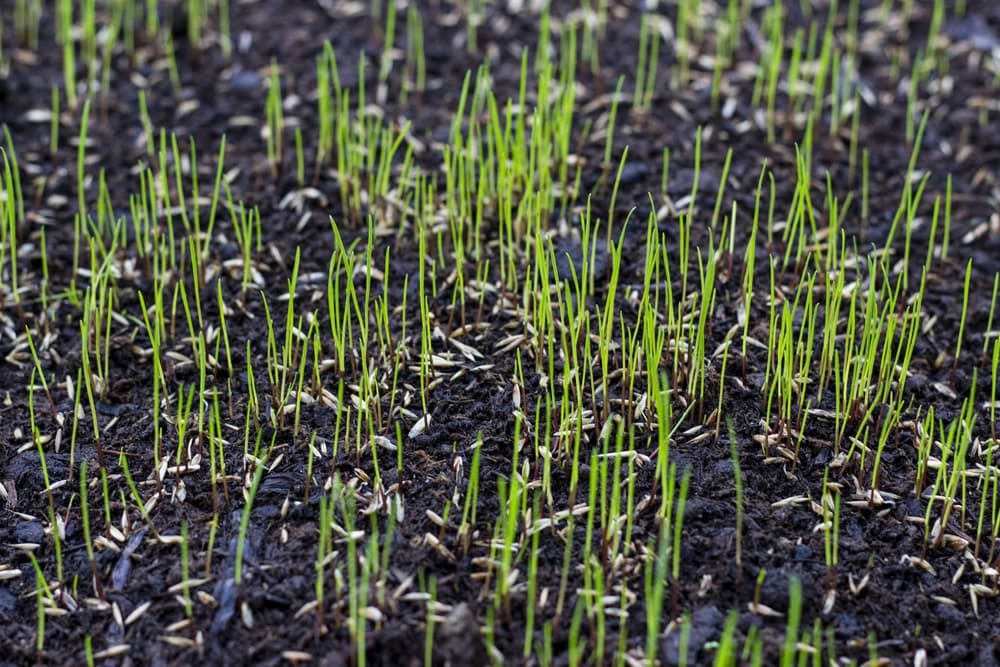
A prime time during the Year-Round UK Lawn Calendar, September is absolute gold for UK lawn care – perfect temperatures, reliable moisture, and grass entering its most vigorous growing period. This is your biggest opportunity of the year to transform struggling areas and establish the foundation for next year’s success.
Major overseeding projects work brilliantly in September conditions. Warm soil, cooling air, and increasing moisture provide ideal germination conditions. I prepare areas thoroughly, ensuring good seed-to-soil contact without damaging existing grass. The key is working with soil that’s moist but not waterlogged – usually perfect after early autumn rains.
Intensive autumn feeding supports both existing grass recovery and new seed establishment. I use balanced feeds that provide immediate nutrition plus slow-release elements for sustained growth. September feeding often produces more dramatic results than spring feeding because grass is naturally preparing for vigorous autumn growth.
Scarification and moss removal work perfectly now when grass can recover quickly from the disturbance. I remove thatch buildup and dead moss, immediately overseeding affected areas. The combination of scarification and overseeding provides better long-term results than either treatment alone. Timing is everything – too early and heat stress damages grass, too late and establishment suffers.
Major aeration projects tackle compaction accumulated over the summer. I hire proper aerating equipment for large areas or use a spring spiker for smaller sections. The improvement in drainage, root development, and overall grass health is dramatic. September aeration allows maximum recovery time before winter dormancy.
Weed control during active grass growth provides excellent results with minimal grass damage. Post-emergent herbicides work best on actively growing weeds, and September conditions are ideal for selective treatments. I prefer targeting specific weed types rather than broad-spectrum approaches.
Leaf management begins as trees start shedding. I remove leaves regularly rather than allowing buildup that smothers grass and encourages disease. Light leaf cover can benefit soil, but heavy accumulation causes problems. Regular removal prevents major cleanup sessions that can damage grass.
Disease monitoring increases as humidity levels rise and temperatures remain warm. I watch for signs of red thread, fusarium patch, and other autumn diseases. Proper cultural practices prevent most problems, but early treatment stops minor issues becoming major disasters.
Soil improvement through organic matter addition works brilliantly in September. I add compost, well-rotted manure, or leaf mould to improve soil structure and provide slow-release nutrition. Autumn applications have all winter to integrate into soil structure before spring growth begins.
Irrigation adjustment as rainfall increases prevents overwatering that can cause disease problems. I reduce artificial watering gradually, allowing natural rainfall to meet most needs. Monitoring soil moisture prevents both drought stress and waterlogging problems.
Equipment intensive use requires careful maintenance to prevent breakdowns during the crucial renovation period. I clean equipment after each use, check for wear, and make repairs promptly. September equipment failures waste precious renovation time that can’t be recovered.
October: Peak Autumn Tasks and Winter Preparation

October represents your last major opportunity for lawn improvement before winter dormancy. Everything done now must prepare grass for several months of challenging conditions, making proper timing and technique absolutely crucial during this time in the Year-Round UK Lawn Calendar.
Final major feeding provides nutrition that supports grass through winter and fuels early spring growth. I use winter-formulated feeds high in potassium for cold tolerance but moderate in nitrogen to prevent soft growth. The timing window is narrow – too early and you promote vulnerable growth, too late and grass can’t utilise the nutrients properly.
Completing overseeding before soil temperatures drop ensures successful establishment. I finish all major seeding by mid-October in most UK areas, later in the south, earlier in Scotland. New grass needs 6-8 weeks to establish enough root system to survive winter conditions. Missing this window means waiting until spring.
Intensive leaf removal becomes a constant battle as deciduous trees shed their canopy. I remove leaves at least weekly, more frequently during heavy fall periods. Accumulated leaves smother grass, encourage disease, and create perfect conditions for pests. Regular removal prevents these problems developing.
Late-season weed control targets perennial weeds before winter dormancy. I focus on dandelions, plantains, and other perennials that store energy in roots over winter. Autumn weed control often provides better long-term results than spring treatments because you’re targeting energy reserves.
Final cutting height adjustments prepare grass for winter protection. I gradually lower cutting height to winter levels – usually 3-4cm depending on grass type. Too long and grass mats down under snow; too short and you remove protective growth. Getting this balance right prevents winter damage.
Drainage improvements must be completed before winter weather makes soil work impossible. I finish drainage projects, clear blocked channels, and ensure water can move freely away from vulnerable areas. October drainage work prevents winter waterlogging that kills more grass than cold temperatures.
Tool preparation for winter storage prevents deterioration and ensures spring readiness. I clean equipment thoroughly, change oils, drain fuel systems, and store in dry conditions. Proper winter storage extends equipment life and prevents spring startup problems when good cutting weather arrives.
Disease monitoring continues as conditions favour fungal infections. I maintain good cultural practices and watch for signs of fusarium patch, red thread, and other autumn diseases. Preventive measures work better than reactive treatments during rapidly changing autumn conditions.
Winter protection planning identifies vulnerable areas and prepares protective measures. I plan routes that avoid newly seeded areas, prepare materials for protecting young grass, and identify areas needing extra attention during winter months. Planning prevents damage that takes months to repair.
Final maintenance schedules prepare for reduced winter activity levels. I complete major projects, tidy equipment storage, and plan winter monitoring schedules. October completion means you can focus on planning and preparation during winter months rather than rushing to complete unfinished projects.
November: Winter Preparation and Final Maintenance

November transitions your lawn from active growing season to dormant winter survival mode in the Year-Round UK Lawn Calendar. Everything done now focuses on protection and preparation rather than growth and improvement, requiring a completely different mindset and approach.
Mowing frequency reduction follows grass growth rates as they slow dramatically. I typically cut every 2-3 weeks in November compared to weekly during peak season, adjusting based on actual growth rather than calendar schedules. The final cuts of the season prepare grass for winter dormancy while maintaining protective height.
Final leaf clearance becomes critical before leaves mat down under winter weather. I remove all leaves thoroughly, paying special attention to areas where wind accumulates them. Matted leaves under snow create perfect conditions for snow mould and other diseases that emerge as damaging spring surprises.
Protecting newly seeded areas requires planning and sometimes physical barriers. I mark areas overseeded in September/October and plan protection during winter months. Sometimes temporary fencing prevents damage, while good planning avoids creating pathways across vulnerable areas.
Planning next year’s improvements and projects takes advantage of quiet winter months for research and preparation. I research new techniques, plan equipment purchases, and identify areas for major renovation. Winter planning ensures you can act quickly when spring opportunities arise.
Equipment winter storage prevents deterioration and ensures spring readiness. I drain fuel systems, clean equipment thoroughly, change fluids, and store in dry conditions. Proper storage extends equipment life significantly and prevents the frustration of non-starting mowers when first cutting weather arrives.
Soil testing for spring planning provides valuable information for next year’s feeding programme. I test different areas and record results for spring reference. November testing allows time to source materials and plan treatments before spring rush begins.
Winter feeding in mild areas with extended growing seasons can provide benefits where grass continues active growth. I use winter-formulated feeds sparingly, focusing on stress tolerance rather than growth promotion. Regional variations mean southern gardens often benefit from continued feeding while northern areas enter dormancy.
Disease monitoring continues as wet, mild conditions can encourage fungal problems. I watch for signs of fusarium patch and other winter diseases, maintaining good cultural practices to prevent problems developing. Early intervention prevents minor issues becoming major spring disasters.
Drainage system maintenance ensures winter weather can be handled effectively. I clear gutters, check drainage channels, and ensure water moves away from lawn areas efficiently. Proper drainage prevents the waterlogging that causes more winter damage than frost or snow.
Winter planning schedules prepare for reduced activity levels whilst maintaining necessary monitoring. I plan monthly inspections, identify critical maintenance tasks, and prepare for winter problem-solving. Good planning prevents winter neglect while avoiding unnecessary intervention.
December: Winter Care and Dormant Season Management
The Year-Round UK Lawn Calendar comes to an end as December represents the quietest period for lawn care in Rotherham, South Yorkshire, but that doesn’t mean complete inactivity. Proper winter management protects your investment and sets up conditions for successful spring emergence when active growth resumes.
Minimal intervention during the coldest period protects dormant grass from damage while maintaining essential monitoring. I avoid unnecessary foot traffic, especially when grass is frozen or waterlogged. Most activities can wait until conditions improve, and patience prevents damage that takes months to repair.
Protecting grass from foot traffic becomes absolutely crucial during frost and snow periods. Frozen grass breaks easily and recovers slowly, while waterlogged grass compacts under pressure. I create alternative pathways and restrict access to lawn areas when conditions are unsuitable for traffic.
Winter disease monitoring in mild, wet conditions catches problems early while treatment is still possible. I watch for signs of snow mould, fusarium patch, and other winter diseases that thrive in cool, wet conditions. Early intervention prevents minor problems becoming major spring disasters.
Planning and ordering for next year’s programme takes advantage of winter pricing and availability. I research new products, compare suppliers, and place orders for spring delivery. Winter planning ensures you have materials when perfect application conditions arrive.
Tool maintenance and equipment servicing prevents problems and extends equipment life. I service mowers properly, sharpen blades, and address any problems discovered during storage preparation. Professional servicing during quiet periods costs less and ensures equipment readiness when needed.
Monitoring winter damage helps plan spring repair strategies. I note areas suffering from waterlogging, frost damage, or traffic wear. Regular monitoring allows early intervention when conditions permit and helps plan material needs for spring renovation.
Material preparation for early spring use ensures you can act quickly when conditions improve. I prepare compost, organic feeds, and soil amendments during winter months when time is more available. Spring preparation time is precious and shouldn’t be wasted on material preparation.
Educational planning improves techniques and knowledge during quiet periods. I research new methods, read technical publications, and plan skill development activities. Winter learning improves results throughout the following season and helps solve persistent problems.
Budget planning for next year’s lawn care programme prevents overspending and ensures funds are available for important projects. I review this year’s expenditure, plan next year’s projects, and budget for equipment, materials, and professional services. Good financial planning prevents cutting corners on essential maintenance.
Record keeping and evaluation improves future decision-making by documenting what worked well and what needs improvement. I review this year’s successes and failures, recording lessons learned for future reference. Good records prevent repeating mistakes and help refine techniques over time.
Frequently Asked Questions
How do I adjust this calendar for different regions of the UK?
Northern Scotland typically runs 2-3 weeks behind Southern England, while coastal areas often have extended growing seasons. Watch soil temperature rather than calendar dates – grass starts growing when soil hits 6-8°C consistently. I keep a soil thermometer and adjust timing based on actual conditions rather than rigid schedules.
What if I miss the timing for important tasks like spring feeding or autumn overseeding?
Don’t panic! Lawn care is forgiving if you understand priorities. Missed spring feeding can be caught up in April/May, while missed autumn overseeding can wait until next September (better than poor spring establishment). Focus on getting timing right for your most problematic areas first, then expand to the entire lawn.
How do I know if my grass type needs different timing from this general calendar?
Fine fescues often need less feeding and can handle longer cutting, while ryegrass responds well to regular feeding and closer cutting. Cool-season grasses (most UK varieties) follow this calendar well, but if you have warm-season grasses in sheltered southern locations, they may need adjusted timing. When in doubt, observe your grass response and adjust accordingly.
Can I combine multiple tasks in the same month to save time?
Absolutely! September is perfect for combining tasks on the lawn.



