

If your lawn isn’t responding to feeding, struggles with persistent weeds, or simply won’t achieve that lush green colour you’re after, the problem might be invisible beneath your feet. Soil pH – a measure of how acidic or alkaline your soil is – could be the hidden factor preventing your lawn from reaching its full potential.
Most UK homeowners have never tested their soil pH, yet it’s one of the most crucial factors determining lawn health. Understanding and managing pH correctly can transform a struggling lawn into the thriving green space you’ve always wanted.
What Is Soil pH and Why Does It Matter?
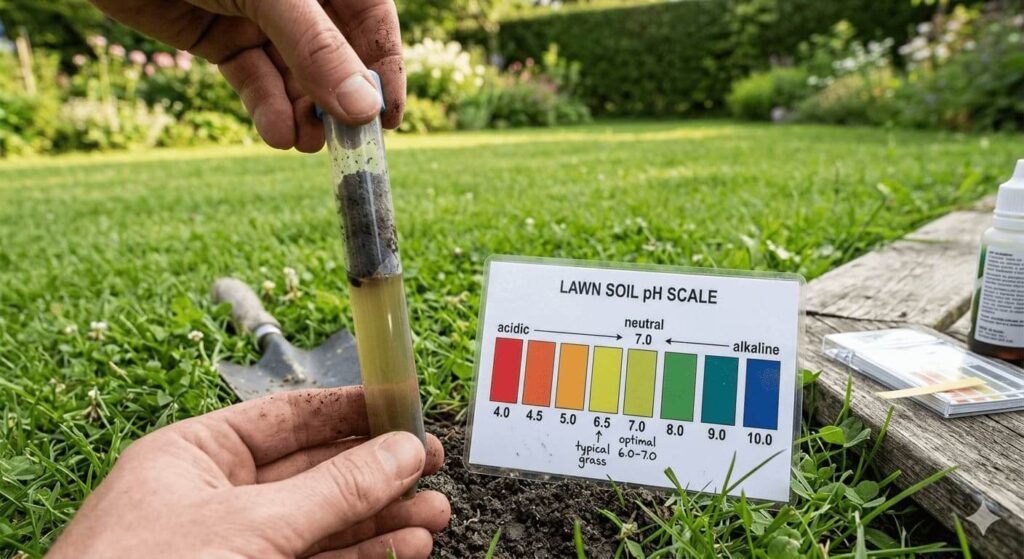
Understanding the pH Scale
Soil pH is measured on a scale from 1 to 14, with 7 being neutral. Numbers below 7 indicate acidic soil, while numbers above 7 indicate alkaline soil. Most UK soils tend to be acidic due to our high rainfall, typically ranging between 5.5 and 6.5.
The Hidden Impact on Your Lawn
pH doesn’t just affect soil chemistry – it controls your grass’s ability to access nutrients, even when plenty are present in the soil. Think of pH as the key that unlocks your lawn’s nutrient treasure chest. Without the right pH, your grass literally cannot access the food it needs, no matter how much fertiliser you apply.
How pH Affects Nutrient Availability
The Nutrient Lock-Out Problem
When soil pH is wrong for your grass type, essential nutrients become “locked up” in chemical forms your lawn cannot absorb. This explains why you might fertilise regularly but still see poor grass colour, slow growth, or persistent problems.
In Acidic Soil (Below 6.0):
- Iron and aluminium become overly available, potentially reaching toxic levels
- Phosphorus, calcium, and magnesium become less available
- Beneficial soil bacteria struggle to thrive
- Organic matter breaks down more slowly
In Alkaline Soil (Above 7.5):
- Iron, manganese, and zinc become locked up and unavailable
- Grass often shows yellowing despite adequate nitrogen
- Phosphorus availability decreases significantly
- Some nutrients reach levels that can inhibit growth
The UK Soil pH Challenge
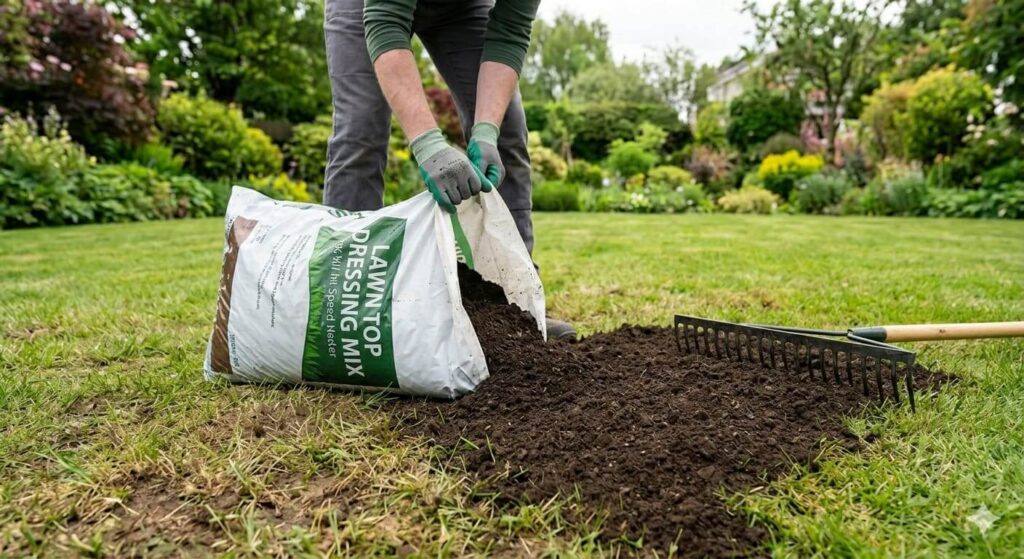
Why British Lawns Often Struggle
Our climate creates unique pH challenges that many homeowners don’t realise:
High Rainfall Effects Britain’s average annual rainfall of 1,200mm naturally leaches calcium and magnesium from soil, making it increasingly acidic over time. This process is gradual but constant, meaning even properly limed lawns can become acidic again within 2-3 years.
Regional Variations
- Scotland and Wales: Often naturally acidic due to granite-based soils and high rainfall
- Chalk Downlands: Naturally alkaline soils in areas like the South Downs and Cotswolds
- Clay Soils: Common across much of England, tend to hold pH more stable but can become waterlogged
- Sandy Soils: Drain quickly but are prone to rapid pH changes and nutrient leaching
Common Signs Your pH Is Wrong
Acidic Soil Symptoms:
- Moss invasion, particularly in damp areas
- Poor grass colour despite regular feeding
- Slow recovery from damage or stress
- Increased weed problems, especially acid-loving species like sorrel
- Poor response to lime-loving grass varieties
Alkaline Soil Symptoms:
- Yellowing grass (chlorosis) even with adequate feeding
- Poor iron uptake leading to pale, weak growth
- Difficulty establishing new grass seed
- Reduced effectiveness of moss treatments
- Thatch buildup problems
Optimal pH for Different Grass Types
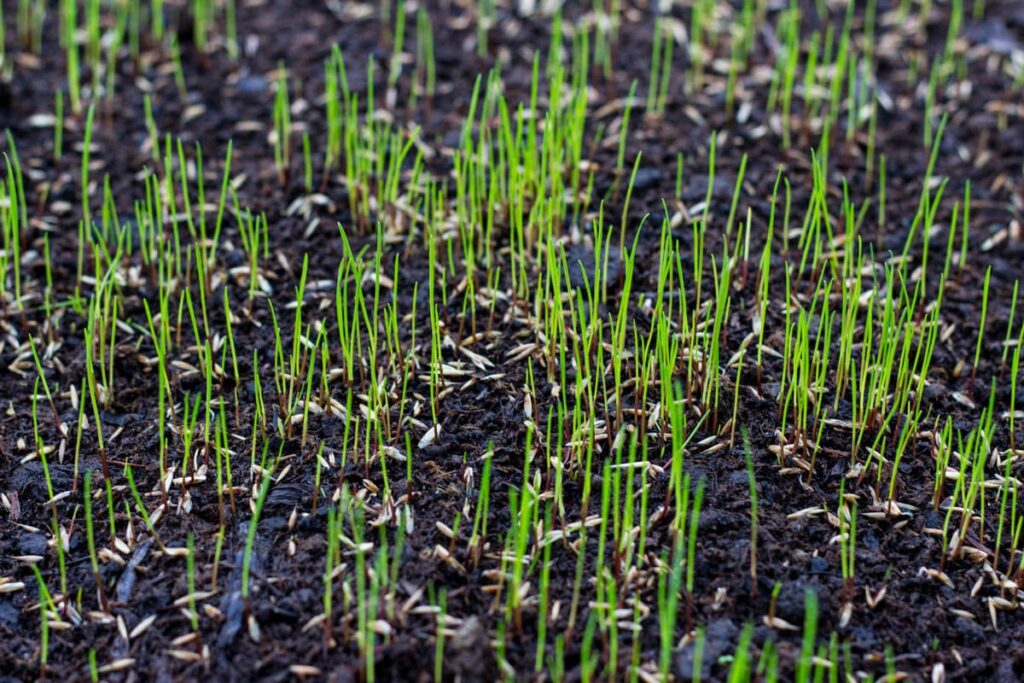
Cool-Season Grasses (Most UK Lawns)
Most British lawns consist of cool-season grasses that prefer slightly acidic to neutral conditions:
Perennial Ryegrass: pH 6.0-7.0 (most tolerant of pH variations) Fine Fescue: pH 5.5-6.5 (performs well in slightly acidic conditions) Bentgrass: pH 5.5-6.5 (prefers consistent, slightly acidic soil) Timothy and Meadow Grasses: pH 6.0-7.5 (adapt well to various conditions)
The Sweet Spot
For most UK lawns, a pH between 6.0 and 6.8 provides optimal growing conditions. This range ensures maximum nutrient availability whilst supporting beneficial soil microorganisms essential for healthy turf.
Testing Your Soil pH
Professional vs. DIY Testing
While simple pH test kits are available at garden centres, professional soil testing provides far more valuable information:
DIY Kits Limitations:
- Often inaccurate, especially in clay soils
- Don’t account for soil variations across your lawn
- Provide no guidance on correction amounts
- Miss seasonal pH fluctuations
Professional Testing Benefits:
- Accurate results using calibrated equipment
- Multiple sample points for comprehensive assessment
- Recommendations for correction materials and amounts
- Additional soil health indicators like nutrient levels and organic matter content
When to Test
The best time for pH testing in the UK is late spring or early autumn when soil conditions are stable. Avoid testing during very wet or very dry periods, as extreme moisture levels can affect readings.
Correcting pH Problems
Raising pH (Reducing Acidity)
Most UK lawns need pH raised rather than lowered due to our naturally acidic conditions.
Lime Applications:
- Ground Limestone: Slow-acting but long-lasting, best applied in autumn
- Hydrated Lime: Fast-acting but can burn grass if over-applied
- Dolomitic Lime: Provides both calcium and magnesium, excellent for deficient soils
Application Timing: Autumn applications work best as lime needs time to react with soil over winter. Spring applications can interfere with fertiliser uptake and are less effective.
How Much to Apply: This depends on your current pH, target pH, and soil type. Clay soils need more lime than sandy soils to achieve the same pH change. Professional testing determines exact requirements – guessing can lead to over-liming and new problems.
Lowering pH (Reducing Alkalinity)
Less common in the UK but necessary in some areas with naturally chalky soils.
Sulphur Applications:
- Elemental sulphur works slowly but provides long-lasting results
- Must be applied in small amounts to avoid shocking the grass
- Best done in early spring with professional guidance
Organic Matter:
- Regular applications of acidic compost or leaf mould
- Helps buffer pH changes and improves overall soil health
- Works slowly but provides lasting benefits
The pH and Fertiliser Connection
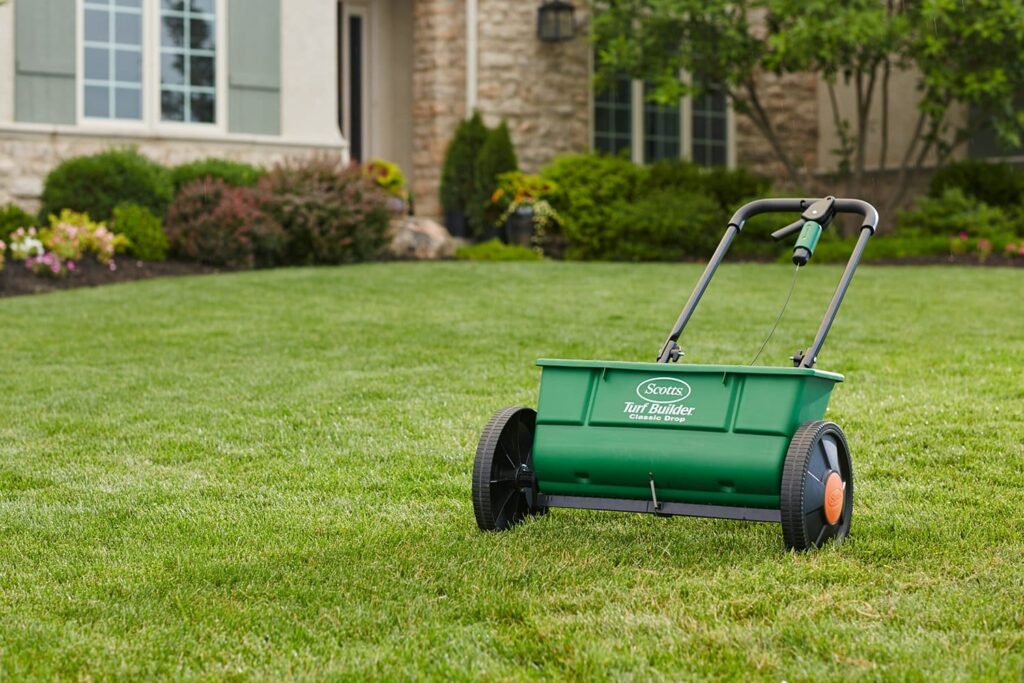
Why Timing Matters
Applying fertiliser to soil with incorrect pH is often wasteful and can worsen problems:
- Acidic Soils: Nitrogen can become too readily available, leading to excessive growth and disease susceptibility
- Alkaline Soils: Iron deficiency becomes more severe with high-nitrogen feeding
- All Soils: Phosphorus availability drops significantly outside the optimal pH range
Integrated Approach
Successful lawn care addresses pH first, then builds a feeding programme around your soil’s corrected chemistry. This approach maximises fertiliser effectiveness whilst minimising waste and environmental impact.
Long-Term pH Management
Why It’s an Ongoing Process
pH management isn’t a one-time fix. Natural processes constantly work to change your soil’s pH:
- Rainfall continues to leach alkaline minerals
- Organic matter decomposition produces acids
- Fertiliser applications can gradually acidify soil
- Root activity and microbial processes affect soil chemistry
Maintenance Schedule
Most UK lawns benefit from pH testing every 2-3 years with maintenance lime applications as needed. High-rainfall areas or heavily fertilised lawns may need more frequent attention.
Professional Monitoring
Regular professional assessment ensures your pH stays in the optimal range whilst avoiding over-correction problems that can take years to resolve.
The Bottom Line: pH as Foundation
Think of soil pH as the foundation of lawn health – everything else you do depends on getting this right first. No amount of premium fertiliser, overseeding, or weed treatment can overcome fundamental pH problems.
When pH is correct:
- Fertilisers work more effectively, saving you money
- Grass naturally outcompetes many weeds
- Disease resistance improves significantly
- Recovery from stress happens faster
- Overall maintenance becomes easier and more predictable
At AJR Lawn Care, we’re passionate about helping UK homeowners understand and manage this crucial aspect of lawn health. Our comprehensive soil testing and pH management programmes provide the foundation for truly exceptional lawns.
Curious about your lawn’s pH levels? Contact us for professional soil testing and a customised pH management plan that will unlock your lawn’s full potential.
Frequently Ask Questions about Soil pH and Your Lawn
What is the ideal soil pH for a lawn in the UK?
The ideal soil pH for most UK lawns is between 6.0 and 7.0, which is slightly acidic to neutral. This range allows grass roots to access essential nutrients most efficiently. Fine fescues and bents can tolerate slightly more acidic conditions (5.5-6.5), while perennial ryegrass prefers conditions closer to neutral. Testing your soil pH regularly helps you maintain optimal growing conditions for a healthy, green lawn.
How does soil pH affect your lawn's health?
Soil pH directly impacts nutrient availability for your grass. When pH is too low (acidic) or too high (alkaline), your lawn cannot absorb vital nutrients like nitrogen, phosphorus, and potassium, even if they’re present in the soil. This leads to yellowing grass, patchy growth, and increased vulnerability to moss, weeds, and disease. Maintaining proper soil pH ensures your lawn can access the nutrition it needs to thrive.
How do I test the soil pH of my lawn?
You can test your lawn’s soil pH using an inexpensive home testing kit available at garden centres, or send a soil sample to a professional laboratory for more detailed analysis. To test at home, collect soil samples from multiple areas of your lawn at a depth of 10-15cm, mix them together, and follow the kit instructions. Testing is best done in spring or autumn for the most accurate results.
What causes soil pH to become too acidic or alkaline?
Several factors affect soil pH and your lawn over time. Heavy rainfall in the UK naturally leaches nutrients and makes soil more acidic, whilst chalk or limestone in the soil increases alkalinity. Fertiliser use, organic matter decomposition, and even grass clippings can gradually lower pH. Urban pollution and certain lawn treatments may also influence soil acidity levels, which is why regular testing is important.
How can I adjust my lawn's soil pH?
If your soil is too acidic, apply garden lime (calcium carbonate) in autumn to raise the pH gradually. For alkaline soil, incorporate sulphur or iron sulphate to lower the pH, though this is less common in UK lawns. Always follow application rates based on your soil test results, as over-application can harm your grass. Adjusting soil pH is a gradual process that may take several months to achieve the desired range.



