
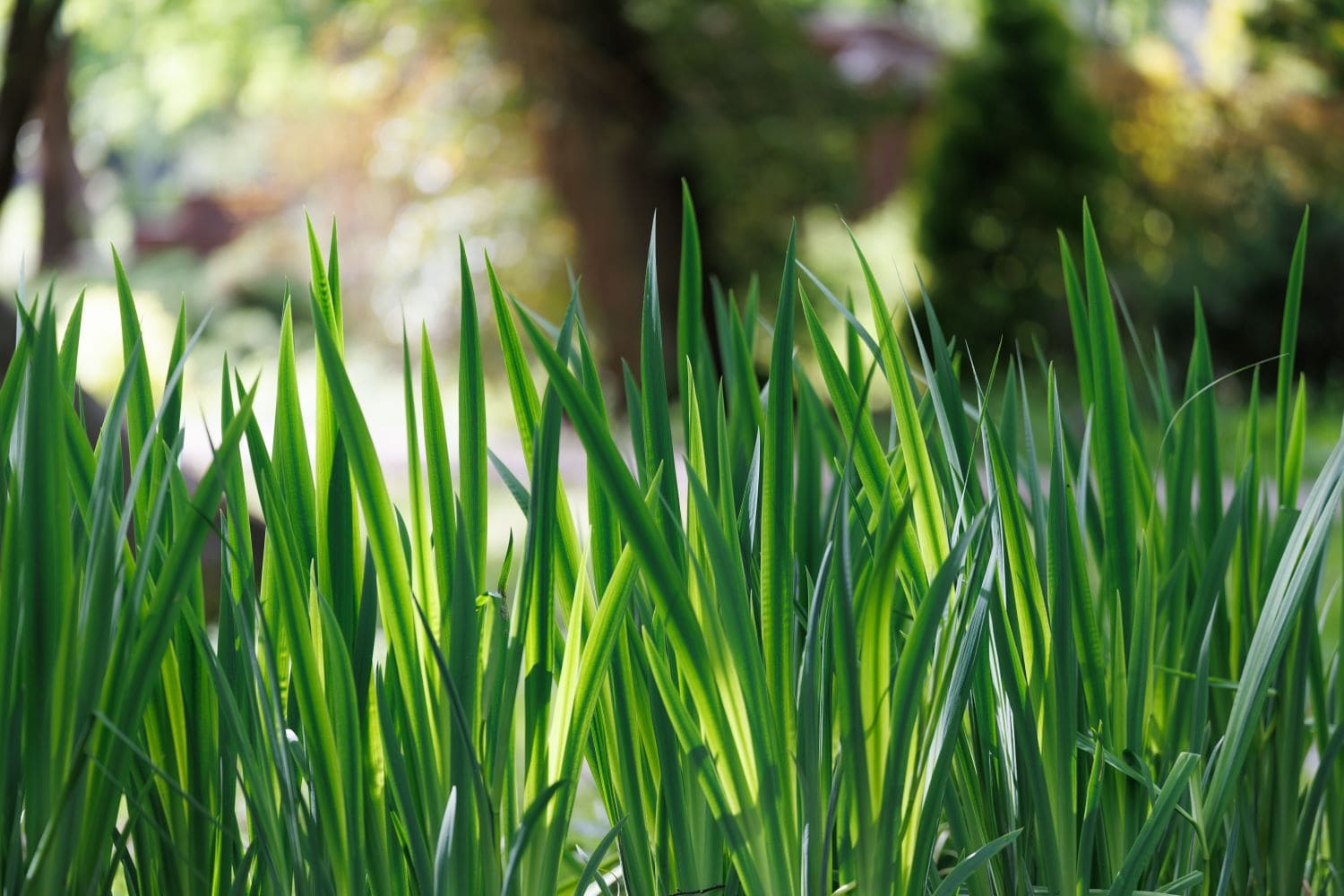
Choosing the right grass type is one of the most important decisions you’ll make for your lawn’s long-term success. Many UK homeowners don’t realise that the grass growing in their garden might be completely unsuited to their specific conditions, leading to years of frustration with poor growth, disease problems, and constant maintenance struggles.
Understanding which grass varieties thrive in Britain’s unique climate – and more importantly, which ones suit your particular garden conditions – can transform your lawn care experience from a constant battle into a manageable, rewarding process.
Understanding the UK’s Grass-Growing Climate
Why Location Matters
Britain’s temperate oceanic climate varies significantly from Scotland’s highlands to Cornwall’s mild coastal areas. What works brilliantly in Surrey might struggle in Yorkshire, and grass varieties suited to Edinburgh’s conditions may perform poorly in Devon.
Climate Challenges for Grass Growth
Temperature Variations:
- Cool, wet winters that can last 5-6 months
- Mild summers with unpredictable heat waves
- Frequent temperature fluctuations throughout the year
- Regional differences of up to 10°C between north and south
Moisture Patterns:
- High annual rainfall (1,000-3,000mm depending on location)
- Periods of drought becoming more common in summer
- High humidity levels year-round
- Waterlogged conditions in winter, especially on clay soils
Daylight Hours:
- Limited winter sunlight affecting grass recovery
- Long summer days promoting rapid growth
- Varying light intensity between seasons
The UK’s Premier Grass Types
Perennial Ryegrass (Lolium perenne)
The Workhorse of British Lawns
Perennial ryegrass forms the backbone of most UK lawns, and for good reason. It’s tough, adaptable, and perfectly suited to our climate conditions.
Strengths:
- Exceptional wear tolerance, ideal for family lawns
- Fast germination (7-14 days) and establishment
- Good recovery from damage or stress
- Tolerates a wide pH range (5.5-8.0)
- Performs well in most UK soil types
- Excellent winter hardiness
Best Uses:
- High-traffic family lawns
- Sports and recreational areas
- General-purpose lawns requiring durability
- Overseeding worn areas for quick recovery
Varieties to Consider:
- Modern cultivars: Disease-resistant varieties like ‘Cashel’, ‘Odyssey’, and ‘Platinum’
- Traditional types: Reliable performers like ‘Aberystwyth S23’
Limitations:
- Can become coarse if not regularly maintained
- May struggle in heavy shade
- Requires consistent moisture during establishment
Fine Fescue (Festuca species)
The Low-Maintenance Beauty
Fine fescues are the unsung heroes of British lawns, offering exceptional drought tolerance and requiring minimal maintenance once established.
Types of Fine Fescue:
Red Fescue (Festuca rubra):
- Most common fine fescue in the UK
- Excellent drought tolerance once established
- Tolerates light shade better than most grasses
- Creates a dense, attractive turf
Chewing Fescue (Festuca rubra commutata):
- Superior density and appearance
- Excellent for ornamental lawns
- Good wear tolerance for a fine grass
- Thrives in sandy soils
Sheep’s Fescue (Festuca ovina):
- Extremely drought tolerant
- Perfect for difficult, dry sites
- Low fertility requirements
- Creates fine-textured, attractive turf
Strengths:
- Outstanding drought resistance
- Low fertility requirements
- Good shade tolerance
- Fine texture creates attractive appearance
- Disease resistant
- Slow growth reduces mowing frequency
Best Uses:
- Low-maintenance lawns
- Dry, sandy soils
- Lightly shaded areas
- Ornamental gardens where appearance matters more than durability
- Areas with limited irrigation
Limitations:
- Poor wear tolerance
- Slow to establish and recover from damage
- Can be overwhelmed by more vigorous grasses
- May go dormant in extreme drought
Smooth-Stalked Meadow Grass (Poa pratensis)
The Premium Choice
Also known as Kentucky Bluegrass in North America, this species creates some of the most beautiful lawns when conditions are right.
Strengths:
- Creates exceptionally dense, attractive turf
- Excellent self-repair through underground rhizomes
- Good wear tolerance once established
- Outstanding winter colour retention
- Disease resistant when properly maintained
Best Uses:
- High-quality ornamental lawns
- Areas where appearance is paramount
- Well-drained, fertile soils
- Lawns with consistent maintenance regimes
Challenges in UK Conditions:
- Slow establishment (can take a full season)
- Requires consistent moisture, especially when young
- Can struggle in heavy clay soils
- May suffer in very wet conditions
- Higher maintenance requirements than other species
Rough-Stalked Meadow Grass (Poa trivialis)
The Shade Specialist
This often-overlooked species excels in conditions where other grasses struggle.
Strengths:
- Excellent shade tolerance
- Thrives in moist conditions
- Good for difficult areas under trees
- Fast establishment
- Fine texture similar to smooth-stalked meadow grass
Best Uses:
- Shaded areas under trees
- Moist, poorly-drained soils
- Areas where other grasses have failed
- Mixed with other species for problem areas
Limitations:
- Poor drought tolerance
- Can be invasive in mixed lawns
- May struggle in full sun
- Less wear tolerant than ryegrass
Grass Mixtures: The Professional Approach
Why Mixtures Work Better
Most successful UK lawns use carefully blended mixtures rather than single species. Professional mixtures combine the strengths of different grasses while minimising individual weaknesses.
Common Professional Blends
Family Lawn Mix:
- 60-70% Perennial Ryegrass (wear tolerance)
- 30-40% Fine Fescue (drought tolerance, appearance)
- Creates durable lawns with good appearance
Shade Mix:
- 40% Rough-stalked Meadow Grass
- 40% Fine Fescue
- 20% Perennial Ryegrass
- Designed for areas receiving less than 4 hours direct sunlight
Premium Ornamental Mix:
- 50% Smooth-stalked Meadow Grass
- 30% Fine Fescue
- 20% Perennial Ryegrass
- For high-maintenance, show-quality lawns
Drought-Tolerant Mix:
- 70% Fine Fescue varieties
- 30% Perennial Ryegrass
- Perfect for sandy soils or areas with limited irrigation
Matching Grass Types to Your Conditions
Soil Type Considerations
Clay Soils: Heavy clay soils present unique challenges but support certain grass types better than others.
- Best Choice: Perennial Ryegrass varieties bred for wet conditions
- Good Addition: Red Fescue for improved drought tolerance
- Avoid: Smooth-stalked Meadow Grass (struggles in waterlogged conditions)
Sandy Soils: Fast-draining sandy soils suit drought-tolerant species.
- Best Choice: Fine Fescue varieties
- Good Addition: Perennial Ryegrass for durability
- Consider: Sheep’s Fescue for very dry areas
Chalky Soils: Alkaline, free-draining soils found across much of southern England.
- Best Choice: Perennial Ryegrass (tolerates high pH well)
- Good Addition: Fine Fescue varieties
- Avoid: Acid-loving species
Light Conditions
Full Sun (6+ hours daily):
- Any grass type will work
- Perennial Ryegrass and Fine Fescue blends ideal
- Smooth-stalked Meadow Grass for premium lawns
Partial Shade (3-6 hours daily):
- Fine Fescue varieties
- Rough-stalked Meadow Grass
- Shade-tolerant Perennial Ryegrass cultivars
Heavy Shade (Less than 3 hours daily):
- Rough-stalked Meadow Grass
- Red Fescue
- Consider alternatives like ground cover plants
Usage Patterns
High Traffic (Children, Pets, Entertainment):
- Perennial Ryegrass-dominated mixtures
- Modern wear-tolerant cultivars
- Quick-recovery varieties for rapid repair
Low Traffic (Ornamental, Viewing):
- Fine Fescue for beauty and low maintenance
- Smooth-stalked Meadow Grass for premium appearance
- Higher proportion of fine grasses in mixtures
Moderate Traffic (Normal Family Use):
- Balanced mixtures of Ryegrass and Fine Fescue
- Adapt proportions based on specific traffic patterns
- Include some Meadow Grass for self-repair
Regional Recommendations
Scotland and Northern England
Cooler temperatures and higher rainfall favour:
- Hardy Perennial Ryegrass varieties
- Red Fescue for exposed areas
- Smooth-stalked Meadow Grass performs well in cooler conditions
Southern England
Warmer, drier conditions require:
- Drought-tolerant Fine Fescue varieties
- Heat-tolerant Perennial Ryegrass cultivars
- Higher proportion of fescues in mixtures
Coastal Areas
Salt tolerance and wind resistance needed:
- Red Fescue (naturally salt tolerant)
- Hardy Perennial Ryegrass varieties
- Avoid sensitive species like some Meadow Grasses
Urban Areas
Pollution tolerance and compaction resistance important:
- Modern Perennial Ryegrass cultivars
- Stress-tolerant Fine Fescue varieties
- Avoid species sensitive to air pollution
Establishment Considerations
Seeding vs. Turfing
Seeding Advantages:
- Much wider variety choice
- Significantly more economical
- Better long-term adaptation to site conditions
- Can create exact mixtures for specific needs
Turf Advantages:
- Instant results
- Reliable establishment
- Less weather dependent
- Good for difficult timing situations
Timing Your Installation
Optimal Seeding Times:
- Early Autumn (September-October): Best time for most species
- Mid to Late Spring (April-May): Second choice, requires more irrigation
- Avoid: Summer seeding unless irrigation guaranteed
Modern Seed Technology
Today’s grass seed represents decades of breeding improvements:
- Enhanced disease resistance
- Improved drought tolerance
- Better wear recovery
- Finer textures with maintained durability
- Specific cultivars for UK conditions
Maintenance Implications
Species-Specific Care Requirements
Perennial Ryegrass:
- Regular feeding throughout growing season
- Moderate water requirements
- Frequent cutting during peak growth
- Benefits from annual overseeding
Fine Fescue:
- Lower fertility requirements
- Excellent drought tolerance once established
- Less frequent cutting needed
- Slower to recover from damage
Meadow Grasses:
- Higher maintenance requirements
- Consistent moisture needs
- Regular feeding for best performance
- Excellent winter appearance
Making the Right Choice
Professional Assessment Benefits
Choosing the optimal grass type involves considering multiple factors simultaneously:
- Detailed soil analysis beyond basic pH testing
- Microclimate assessment including shade patterns and drainage
- Usage pattern evaluation
- Long-term maintenance capability assessment
- Integration with existing lawn areas
The Cost of Wrong Choices
Selecting inappropriate grass types leads to:
- Constant overseeding and repair work
- Higher maintenance costs
- Poor appearance despite significant effort
- Eventual need for complete renovation
Future-Proofing Your Lawn
Climate Change Considerations
As UK weather patterns continue to evolve, grass selection becomes more important:
- Increased drought periods favour Fine Fescue varieties
- More extreme weather events require adaptable mixtures
- Temperature fluctuations benefit diverse species blends
Sustainability Focus
Modern lawn care emphasises environmental responsibility:
- Drought-tolerant species reduce water usage
- Disease-resistant varieties minimize chemical inputs
- Native and adapted species support local ecosystems
- Low-maintenance types reduce carbon footprint
At AJR Lawn Care, we’re passionate about helping UK homeowners select the perfect grass types for their specific conditions. Our expertise in British growing conditions and modern grass varieties ensures your lawn investment delivers lasting results with manageable maintenance requirements.
Unsure which grass types would work best in your garden? Contact us for a comprehensive site assessment and personalised grass selection recommendations that will set your lawn up for long-term success.
Articles you may find helpful:



