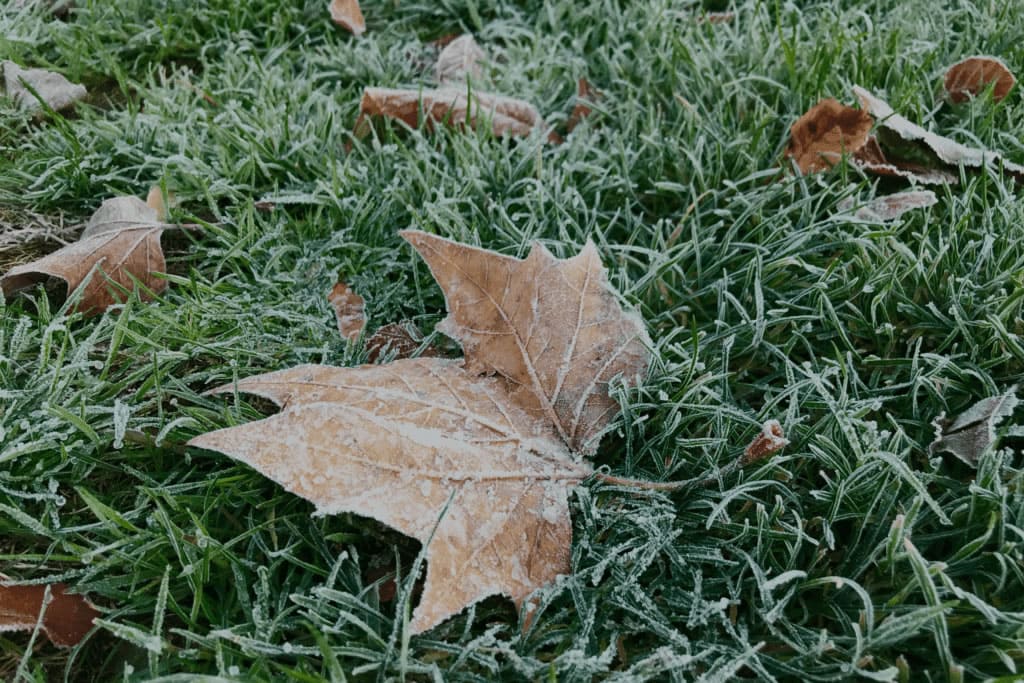
The days are getting shorter, the air is getting crisper, and that first frost feels like it’s just around the corner. For many of us, the end of summer marks a time to put our feet up and leave the garden to its own devices. I get it; after a long growing season, you’re ready for a break. But trust me, giving your lawn a little extra care now can save you a world of pain come spring. I remember the first time I neglected my lawn in autumn, thinking, “It’s just grass, what’s the worst that can happen?” Well, I found out the hard way! When spring arrived, my lawn was a sad, patchy, moss-covered mess. It was so frustrating!
The truth is, preparing your lawn for the cold months is one of the most important things you can do to maintain a healthy, vibrant garden. A little effort now can protect your lawn from the stresses of cold temperatures, frost, and heavy rain. It also helps prevent common winter problems like moss and fungal diseases from taking hold. Think of it as putting your lawn to bed for the winter. You’re giving it all the nutrients and protection it needs to have a good, long rest so it can wake up refreshed and ready to grow in the new year.
This guide will walk you through the key steps to a successful winter lawn preparation. From the final cut to essential treatments, we’ll cover everything you need to know to ensure your lawn not only survives but thrives after the cold months. By the time you’re done, you’ll have a game plan that will make your neighbours green with envy. Let’s get to it!
The Final Cut and Aeration: Setting the Stage for a Healthy Winter
Alright, let’s talk about the last mow of the season. This is a biggie, and it’s where a lot of people make a mistake. You might be tempted to give your lawn a really short, final buzz, thinking it’ll mean less work later. One of my customers tried that once. He said It seemed like a good idea at the time, but it left the lawn super vulnerable. The grass blades were too short to protect the crown of the plant, and it struggled badly with the first hard frost. It was a proper disaster.
For your final cut, you should aim to leave the grass a bit longer than usual, around 2-3 inches. This length provides enough insulation to protect the roots from the cold, but it’s still short enough to prevent matting and fungal growth under fallen leaves or snow. It’s a delicate balance, but one that’s crucial for winter survival. I usually set my mower to one of its highest settings for this last cut. You can’t go wrong doing that.
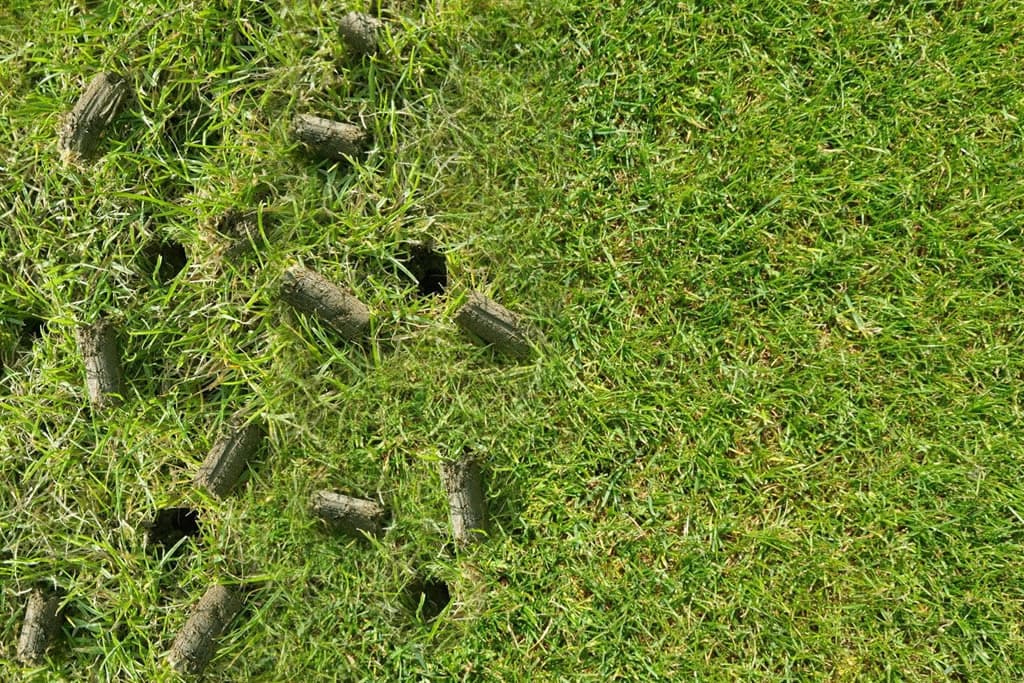
After the final cut, it’s a fantastic idea to aerate your lawn. This is just a fancy word for making small holes in the soil. It sounds like a chore, but it’s a proper game-changer. I remember thinking, “Why on earth would I want to poke holes in my lawn?” But when you realise what it does, it’s brilliant. Aeration helps relieve soil compaction, allowing water, air, and nutrients to get down to the roots where they’re needed most. This is especially important in the UK where we get a lot of rain, which can make our soil really dense. You can get a simple fork or a manual aerator; it’s a bit of a workout, but it’s worth it. It’s one of those jobs you can just crack on with and feel good about after.
Autumn Fertiliser: Giving Your Lawn a Nutritious Winter Meal
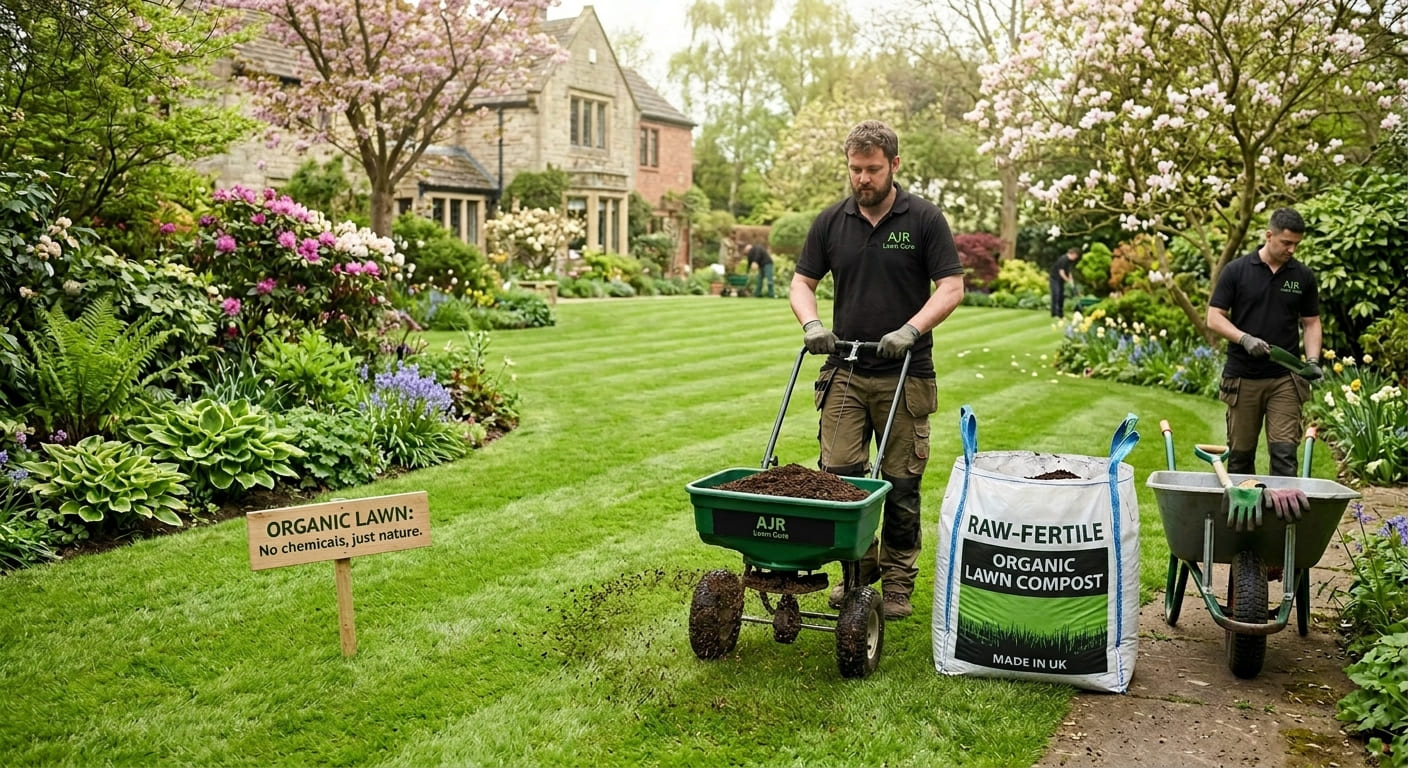
Just like we need a good, hearty meal to get through the cold months, your lawn needs a special kind of fertiliser to prepare for winter. You can’t just use the same stuff you used in the spring; that’s a mistake I made early on, and it did sweet Fanny Adams for my grass. Spring fertilisers are high in nitrogen, which encourages green leaf growth. We don’t want that in autumn, as it can make the grass too soft and susceptible to frost damage.
An autumn fertiliser is different. It’s packed with potassium and phosphorus. Potassium helps strengthen the grass plants, making them more resilient to cold, disease, and drought. Phosphorus is crucial for root development. By applying this type of fertiliser, you’re not trying to make the grass grow; you’re just giving the roots and the overall plant health a massive boost. This helps the lawn store energy and nutrients over the winter, ready to burst into life come springtime. It’s a bit like a bear preparing for hibernation; it’s all about building up those reserves.
I always apply my autumn fertiliser on a dry, windless day to make sure it spreads evenly and gets a chance to soak into the soil. And make sure to follow the instructions on the bag; you don’t want to overdo it, as that can actually harm the lawn. In the early days I once got a bit overzealous with my spreader, and I ended up with a few burnt patches. Live and learn, I suppose! Applying an autumn feed is one of the most effective things you can do to ensure your lawn survives the winter and looks fantastic as soon as the weather warms up again.
Moss and Leaf Control: Keeping Winter Problems at Bay
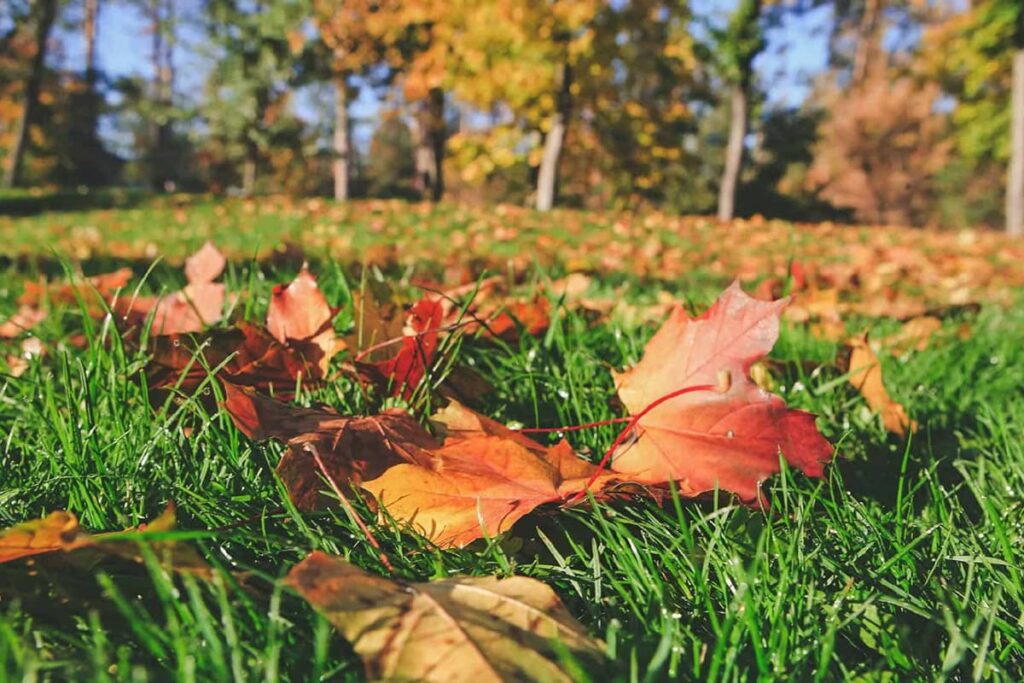
Moss is a proper pain, isn’t it? It thrives in damp, shady conditions, and in the UK, we’ve got plenty of those in autumn and winter! If you let it go unchecked, it can quickly take over your entire lawn, choking out the grass. I’ve been there, looking out at a lawn that felt more like a spongy green carpet than a proper lawn. It was a real pain to sort out. Getting a handle on moss and fallen leaves now is so important.
The first step is to deal with those fallen leaves. It seems obvious, but leaving a thick blanket of leaves on your lawn is one of the worst things you can do. The leaves block out sunlight and trap moisture, creating the perfect environment for moss and fungal diseases to flourish. I try to rake or blow the leaves off my lawn every few days. It’s a bit of a hassle, but it’s much easier than dealing with a sick lawn in the spring. You can use a leaf blower, or just a good old-fashioned rake. Whichever works for you, just get them off the lawn!
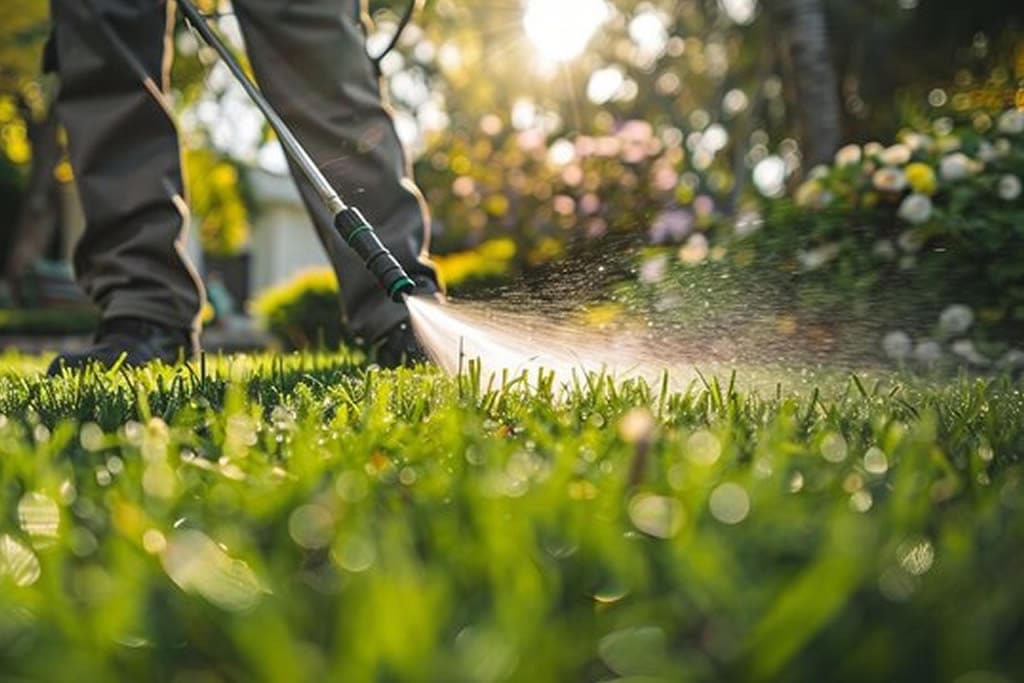
Once the leaves are gone, you can apply a specific moss killer if you have a problem with it. Autumn is a great time to do this because the conditions are perfect for the moss to absorb the treatment. After the moss has turned black and died, you can remove it by scarifying your lawn. This is one of those jobs that sounds a lot worse than it is. Scarification is just a process of raking out the dead moss and thatch (a layer of dead organic matter) from the lawn. It makes a huge difference and allows the grass to breathe properly again. It’s a bit of work, but your lawn will thank you for it come spring!
A Little Effort Now for a Lush Lawn Later
So there you have it. Preparing your lawn for the cold months isn’t about grand gestures; it’s about a few simple, well-timed actions. From raising your mower blades for the final cut to giving your lawn a winter-specific fertiliser and clearing away those pesky leaves and moss, each step plays a crucial role in its long-term health. I’ve learned from my own mistakes that neglecting these tasks in autumn leads to a lot of headaches in the spring. But by following this plan, you can look forward to a vibrant, green lawn that’s ready to flourish as soon as the weather turns.
Taking care of your lawn in the autumn is a bit of a labour of love, but the feeling you get when you see it bounce back so beautifully in spring is just brilliant. You’re not just preparing your lawn for winter; you’re setting it up for success for the whole of next year. If you’re in the Rotherham area and would like a hand with any of these winter lawn preparation tasks, please don’t hesitate to get in touch with us at AJR Lawn Care. We’d be delighted to help you get your lawn ready for its winter slumber!
FAQs – Preparing Your Lawn for Winter
What is the best time to do the final mow of the year
The best time for the final mow is late autumn, typically in October or early November, before the first hard frost.
Should I keep watering my lawn in the winter?
Generally, you don’t need to water your lawn in the winter in the UK, as the natural rainfall is usually sufficient.
What's the difference between autumn and spring fertiliser?
Autumn fertiliser is high in potassium and phosphorus to strengthen roots and improve disease resistance, while spring fertiliser is high in nitrogen to promote lush green growth.
Can I leave fallen leaves on my lawn over winter?
No, it’s not a good idea. A thick layer of leaves can smother the grass, block sunlight, and create a damp environment perfect for moss and fungal diseases
What is scarification and when should I do it?
Scarification is the process of removing thatch and moss from your lawn. It’s best done in early autumn, after the lawn has been treated for moss, to help it breathe and recover before winter sets in.