
Every spring, millions of UK homeowners step into their gardens and declare war on weeds – but here’s a sobering statistic: 73% of DIY weed treatments fail within the first season! If you’ve been battling dandelions, plantains, and clover year after year with little success, you might be fighting the wrong battle entirely.
I’m here to share some hard-won wisdom from our years treating lawns across Rotherham and South Yorkshire. The truth is, most homeowners approach weed control like they’re putting plasters on bullet wounds. They’re treating symptoms, not causes! But don’t worry – once you understand what’s really going on beneath your turf, you’ll be equipped to win this war once and for all.
Understanding Your Enemy: Common UK Lawn Weeds

Before you can win any battle, you need to know your enemy. In South Yorkshire, we see the same culprits wreaking havoc on lawns year after year. Understanding what you’re dealing with is the first step towards victory.
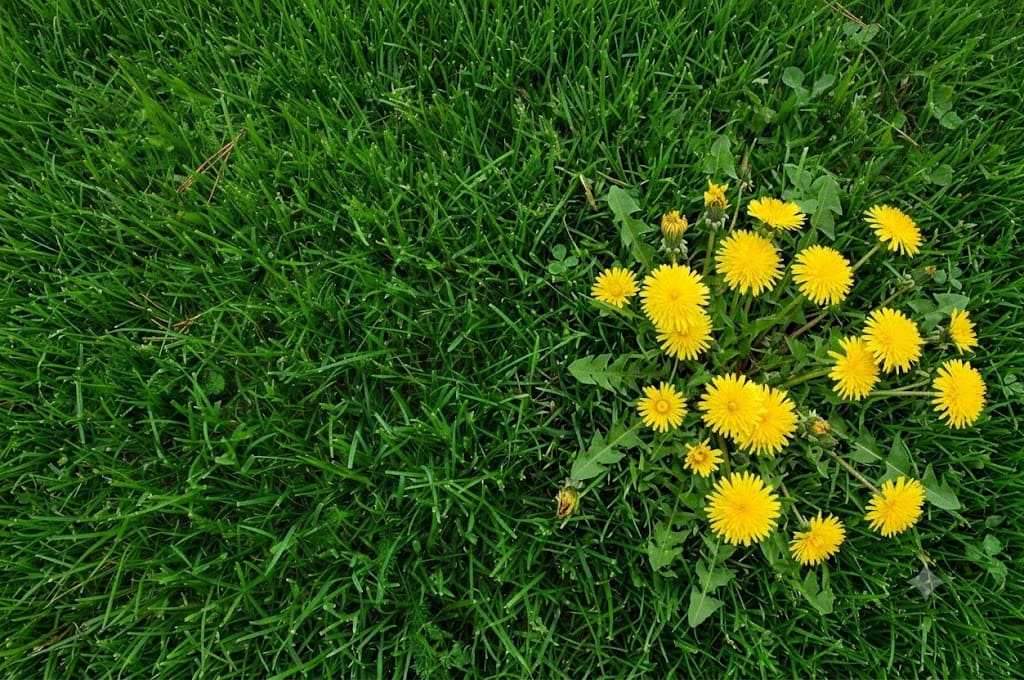
Broadleaf weeds are the most obvious troublemakers in UK lawns. Dandelions, with their bright yellow flowers and deeply serrated leaves, are probably the most recognisable. These perennial pests have taproots that can extend 25cm deep, making them incredibly difficult to remove completely. Plantains create those annoying flat rosettes that seem to appear overnight, whilst daisies might look pretty but they’re competing directly with your grass for nutrients and space.
But it’s not just the obvious weeds causing problems. Grass weeds blend in with your lawn but cause significant issues. Annual meadow grass (Poa annua) creates patchy, light-green areas that die back in summer heat, leaving unsightly brown spots. Couch grass spreads aggressively through underground runners, creating dense patches that crowd out your desired lawn grass.
Here in South Yorkshire, our climate creates perfect conditions for certain weed patterns. Spring dandelions explode into growth as soil temperatures rise, whilst autumn sees a surge in moss growth as moisture increases and temperatures drop. Understanding these seasonal patterns is crucial for timing your treatments effectively.
The key difference between annual and perennial weeds determines your control strategy entirely. Annual weeds like chickweed and annual meadow grass complete their lifecycle in one year, making pre-emergent treatments highly effective. Perennial weeds like dandelions and plantains return year after year from established root systems, requiring more targeted, persistent approaches.
Why Traditional Weed Control Methods Fail

Let’s be honest – if DIY weed control worked consistently, we wouldn’t be having this conversation! The problem isn’t with your effort or commitment; it’s with the approach most homeowners take.
The scatter-gun approach is the biggest culprit. Grabbing a generic weed and feed from the garden centre might seem like a convenient solution, but these products rarely address your lawn’s specific weed problems. Different weeds require different active ingredients, and timing is absolutely critical for success.
Timing mistakes render even good products useless. Applying post-emergent herbicides during the wrong growth stage, treating during drought stress, or missing the narrow window for pre-emergent applications can waste both time and money. We’ve seen homeowners apply dandelion treatments in July when the plants are focused on root storage rather than leaf growth – it’s like trying to knock down a building by painting the walls!
Weather conditions sabotage more treatments than you’d imagine. Applying herbicides just before rain washes them away, or during windy conditions that cause drift to desirable plants, creates frustration and poor results. UK weather is unpredictable at best, making professional timing and weather monitoring essential.
Then there’s the rebound effect – something most homeowners don’t anticipate. When you weaken weeds without killing them completely, they often return more vigorously than before. Partial treatments can stimulate growth hormones, creating stronger, more resistant weed populations.
Most critically, DIY approaches typically ignore soil health and lawn density. A thick, healthy lawn is your best defence against weeds, but most homeowners focus solely on killing existing weeds rather than creating conditions where grass outcompetes them naturally.
The Professional Approach: Fighting Smart, Not Hard

Professional weed control isn’t about using stronger chemicals – it’s about using integrated weed management principles that address the root causes of weed problems.
The foundation of our approach at AJR Lawn Care starts with soil testing. We analyse pH levels, nutrient profiles, and soil structure to understand why weeds are thriving in your lawn. Often, we discover that simple pH adjustments or targeted fertilisation programmes can shift the competitive balance dramatically in favour of your grass.
Creating competitive conditions is where the magic happens. Weeds are opportunists – they exploit weaknesses in your lawn. By improving soil health, adjusting pH, addressing compaction, and implementing strategic overseeding programmes, we create an environment where your desired grass species dominate.
Strategic timing separates professional results from DIY disappointments. We monitor growing degree days, soil temperature, and weather patterns to apply treatments during peak effectiveness windows. Pre-emergent herbicides applied two weeks too late are completely useless, whilst post-emergent treatments applied during optimal growth stages can be 90% more effective.
Our combined approach uses chemical treatments as part of a broader strategy, not as standalone solutions. We might use selective herbicides to knock back existing weed populations whilst simultaneously overseeding to increase grass density and adjusting fertilisation to favour grass growth over weed establishment.
Building long-term resilience means your lawn becomes naturally resistant to weed invasion. Through careful species selection, proper maintenance scheduling, and ongoing soil management, we create self-sustaining lawn ecosystems that require minimal intervention over time.
Seasonal Weed Control Strategy for UK Lawns
Successful weed control follows nature’s calendar. Each season presents specific opportunities and challenges for managing weed populations effectively.
Spring preparation begins in March when soil temperatures consistently reach 10°C. This is our critical window for pre-emergent herbicide applications that prevent annual weed seeds from germinating. We also begin overseeding programmes to thicken grass density before summer stress periods. Early spring is ideal for addressing winter damage and preparing your lawn for the growing season ahead.
Summer maintenance focuses on selective herbicide applications targeting established perennial weeds. June through August is perfect for treating dandelions, plantains, and clover when they’re actively growing but before they begin storing energy in root systems for winter. We avoid treatments during drought stress and always ensure adequate soil moisture for herbicide uptake.
Autumn recovery addresses summer weed damage and prepares for winter dormancy. September and October are crucial for overseeding, as soil temperatures remain warm whilst air temperatures cool, creating perfect germination conditions. We also apply late-season fertilisation to strengthen grass root systems before winter.
Winter planning involves assessing the previous year’s successes and challenges whilst preparing strategies for the coming year. We monitor weather patterns, plan equipment maintenance, and schedule early spring treatments during these quieter months.
For South Yorkshire’s specific climate, we adapt our timing by approximately two weeks compared to southern England. Our last frost typically occurs in early May, extending our spring treatment window, whilst our earlier autumn frosts require adjusted timing for late-season applications.
When to Call in the Professionals
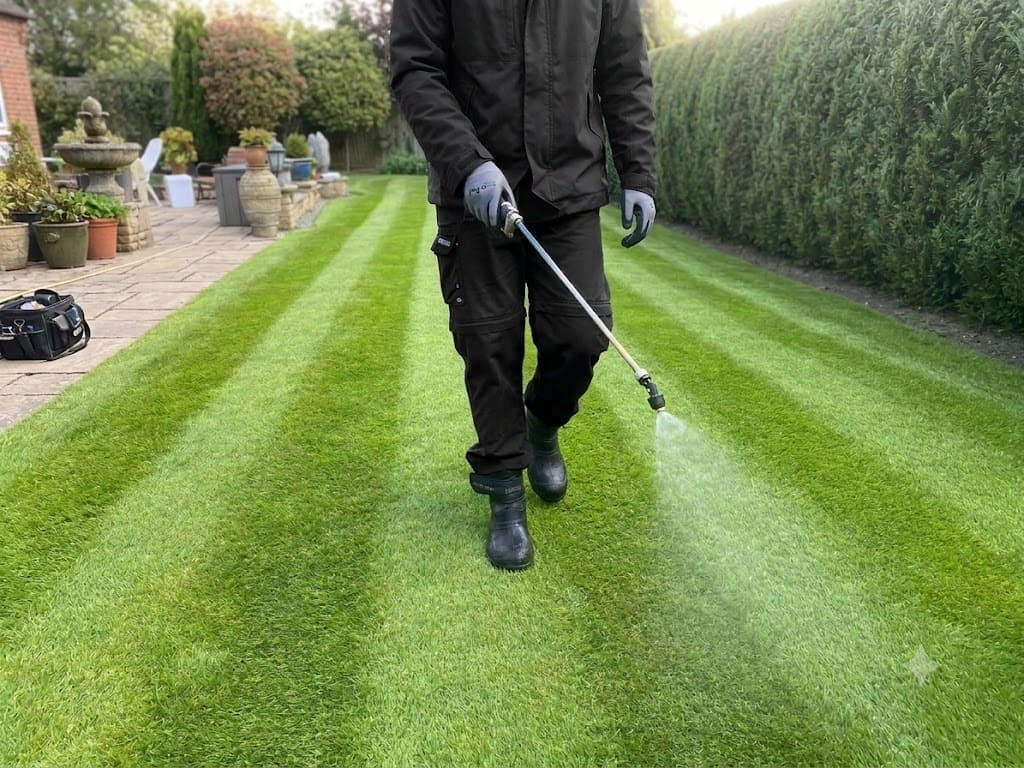
Recognising when DIY approaches aren’t working can save you significant time, money, and frustration. Several clear signs indicate it’s time for professional intervention.
Persistent weed problems that return year after year despite regular treatments suggest underlying issues that require specialist diagnosis. If you’re applying treatments regularly but seeing the same weeds in the same locations, there’s likely a soil, drainage, or cultural issue that needs addressing.
Complex weed species like couch grass, wild garlic, or invasive grasses require specific herbicides and application techniques that aren’t available to homeowners. These challenging weeds often need multiple treatments with professional-grade products applied at precise timing.
Time constraints make professional services increasingly valuable. Effective weed control requires monitoring, timing, and follow-up treatments that busy homeowners often can’t manage consistently. Professional programmes ensure treatments happen at optimal times regardless of your schedule.
From a cost perspective, professional treatment programmes often prove more economical than repeated DIY attempts. When you factor in product costs, equipment purchases, time investment, and the cost of treating failures, professional services frequently offer better value for money.
What to expect from professional lawn care services includes comprehensive lawn assessment, customised treatment programmes, ongoing monitoring, and guaranteed results. At AJR Lawn Care, we provide detailed treatment schedules, progress updates, and adjustment recommendations based on your lawn’s response.
Questions to ask potential lawn care providers include their approach to soil testing, treatment timing, product selection, and guarantee policies. Ensure they’re qualified, insured, and experienced with local grass types and weed species common to South Yorkshire.
Preventing Future Weed Invasions

Prevention is always more effective than treatment. Building a naturally weed-resistant lawn requires understanding the principles that favour grass growth over weed establishment.
Lawn thickening is your most powerful weapon against weeds. Dense grass crowds out weed seedlings by competing for light, nutrients, and space. Regular overseeding with appropriate grass species, proper fertilisation, and strategic aeration create conditions where grass dominates naturally.
Proper mowing practices significantly impact weed populations. Maintaining cutting height between 2.5-4cm keeps grass plants healthy whilst shading out weed seedlings. Never remove more than one-third of grass height in a single cut, and keep mower blades sharp to prevent stress that weakens grass and creates opportunities for weeds.
Fertilisation programmes should favour grass species over common weeds. Slow-release nitrogen applications promote steady grass growth without creating the rapid flushes that benefit many weed species. Phosphorus management is particularly important, as many UK soils have excess phosphorus that favours weed growth over grass.
Addressing underlying issues like drainage problems, soil compaction, and pH imbalances creates long-term weed resistance. Compacted soils favour weeds like plantains and dandelions that have strong taproots, whilst waterlogged conditions promote moss and shallow-rooted annual weeds.
Ongoing maintenance schedules ensure your lawn remains competitive against weed invasion. This includes regular aeration, appropriate watering practices, seasonal fertilisation, and prompt attention to thin or damaged areas before weeds can establish.
Conclusion
The war on weeds doesn’t have to be an annual battle you’re destined to lose. By understanding your enemy, fighting smart with proper timing and techniques, and building a resilient lawn ecosystem, you can achieve the weed-free garden you’ve always wanted.
Remember, successful weed control isn’t about finding the strongest herbicide – it’s about creating conditions where your grass thrives and weeds simply can’t establish. Professional lawn care services bring expertise, timing, and persistence that transform struggling lawns into thick, healthy turf that naturally resists weed invasion.
If you’re tired of fighting the same battles year after year, it might be time to call in reinforcements! At AJR Lawn Care, we’ve helped hundreds of Rotherham homeowners win their war on weeds through comprehensive treatment programmes tailored to South Yorkshire conditions.
Ready to win your war on weeds? Contact AJR Lawn Care today for a comprehensive lawn assessment and personalised treatment programme. Let’s work together to give you the beautiful, weed-free lawn your Rotherham home deserves.
Visit our Lawn Care Clinic to learn more about common lawn care problems.
Frequently Asked Questions
What's the best time to treat weeds in UK lawns?
The optimal timing depends on the weed type and treatment method. For pre-emergent herbicides preventing annual weeds, apply in early March when soil temperatures reach 10°C consistently. Post-emergent treatments for established perennial weeds like dandelions work best in late spring (May-June) and early autumn (September-October) when weeds are actively growing. In South Yorkshire, we typically start treatments 2-3 weeks later than southern England due to cooler soil temperatures.
Why do my weeds keep coming back after treatment?
Recurring weeds usually indicate one of three issues: incomplete treatment of perennial root systems, poor lawn density allowing new weed seeds to establish, or underlying soil conditions that favour weeds over grass. Professional soil testing often reveals pH imbalances, nutrient deficiencies, or drainage problems that create ideal conditions for weed growth. Addressing these root causes alongside targeted treatments provides long-term control.
Can I treat weeds myself or do I need professional help?
Simple broadleaf weeds like dandelions and clover can often be managed with DIY treatments if applied correctly and consistently. However, complex weed problems, persistent infestations, or challenging species like couch grass typically require professional intervention. Professional services also provide soil testing, customised treatment programmes, and guaranteed results that often prove more cost-effective than repeated DIY attempts.
How long does professional weed control take to work?
Most post-emergent herbicides show visible results within 7-14 days, with complete weed death occurring within 3-4 weeks. However, comprehensive weed control programmes typically require a full growing season to achieve optimal results. Pre-emergent treatments prevent new weeds but don’t affect existing ones, whilst building lawn density through overseeding and soil improvement provides long-term benefits that develop over 12-18 months.
What's the difference between selective and non-selective herbicides?
Selective herbicides target specific weed types whilst leaving grass unharmed, making them ideal for treating weeds within established lawns. Common selective herbicides include 2,4-D for broadleaf weeds and specialized grass herbicides for unwanted grass species. Non-selective herbicides like glyphosate kill all vegetation and are typically used for total vegetation clearance before lawn establishment or for treating weeds in non-grass areas like driveways and paths.