
Lawn Mowing & Grass Cutting Tips
The Complete Essential Guide to Lawn Mowing & Grass Cutting Tips for Perfect Green Grass
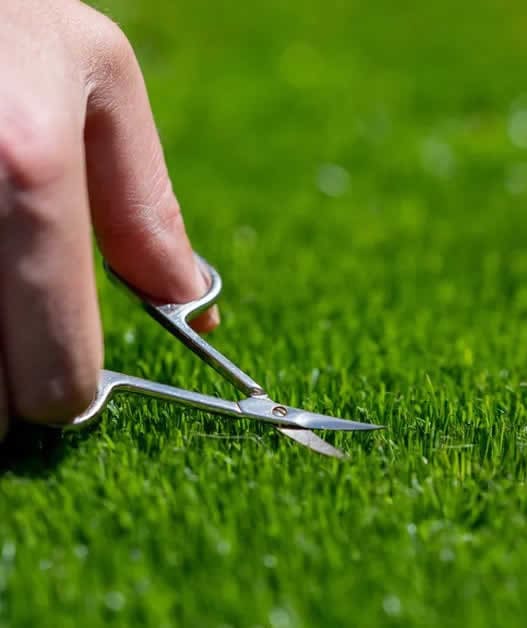
“Incorrect mowing damages over 60% of home lawns each year“
Essential Lawn Mowing & Grass Cutting Tips for Perfect Green Grass
Did you know that improper mowing techniques damage over 60% of home lawns each year? Your weekly grass cutting routine might be doing more harm than good!
Whether you’re a weekend gardener tackling your first lawn or a seasoned homeowner looking to perfect your technique, mastering the art of lawn mowing is crucial for maintaining that picture-perfect garden.
The difference between a mediocre lawn and an enviable green space often comes down to understanding the fundamentals of proper grass cutting. From choosing the right mower height to timing your cuts perfectly, these essential tips will transform your lawn care routine and help you achieve the lush, healthy grass you’ve always wanted.
Understanding Your Grass Type and Cutting Requirements
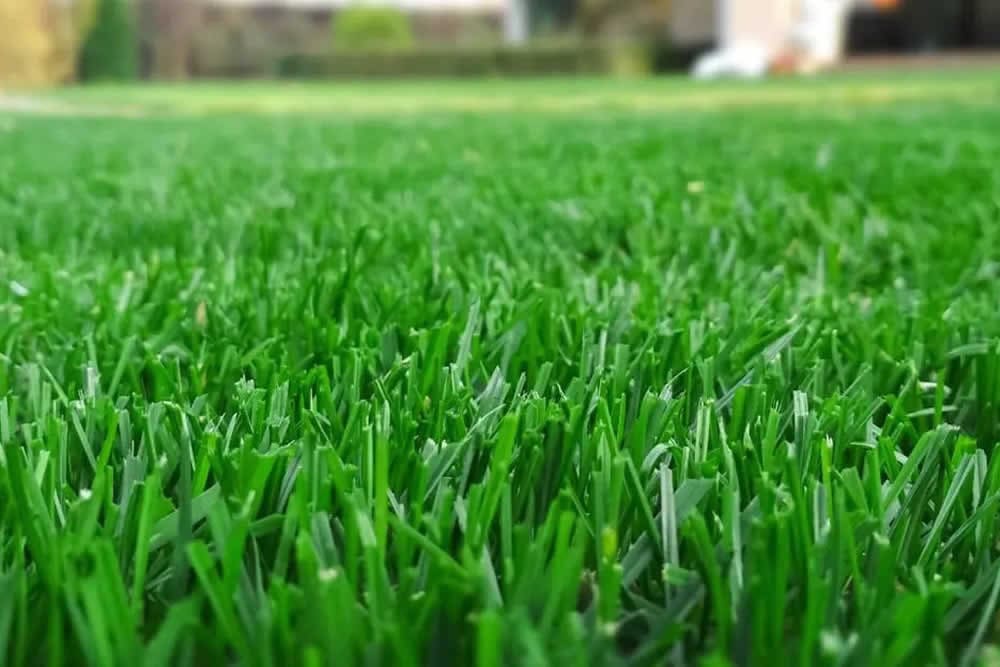
The foundation of effective lawn care starts with knowing exactly what type of grass you’re working with. In the UK, we primarily deal with cool-season grasses that thrive in our temperate climate. Common varieties include perennial ryegrass, fine fescue, tall fescue, and bentgrass—each with specific mowing requirements.
Perennial ryegrass, Britain’s most popular lawn grass, performs best when cut to heights between 2.5 to 4 centimetres. This hardy variety tolerates heavy foot traffic and recovers quickly from cutting, making it ideal for family gardens. Fine fescue, often found in shade or drought-prone areas, prefers slightly higher cuts at 3-5 centimetres.
British lawns face unique challenges with our unpredictable weather patterns. During wet spells, grass grows rapidly and may require cutting twice weekly. Conversely, during dry summers or periods of drought, you’ll need to raise cutting heights and reduce frequency to help your lawn cope with stress.
Understanding seasonal growth patterns is crucial for UK gardeners. Grass grows most actively during spring (April-May) and autumn (September-October) when temperatures are moderate and rainfall is adequate. Summer growth often slows during hot, dry periods, whilst winter brings minimal growth requiring little to no mowing.
The One-Third Rule and Proper Cutting Heights
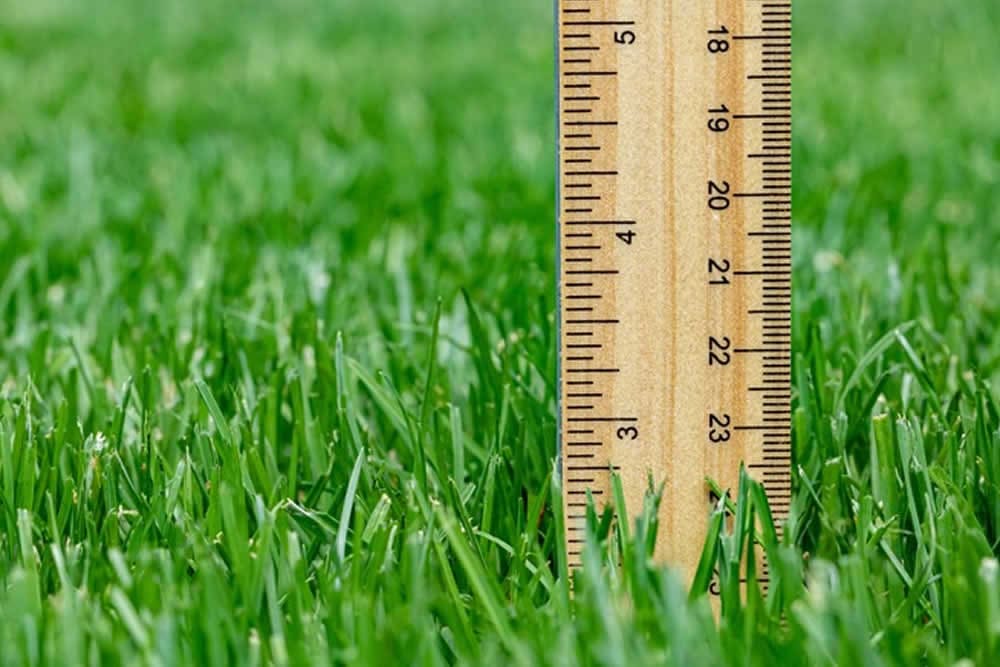
The golden rule of lawn mowing is simple yet crucial: never cut more than one-third of the grass blade length in a single session. This isn’t just a suggestion—it’s essential for maintaining healthy grass that can withstand our changeable British weather, drought periods, and pest pressure.
When you violate the one-third rule, you’re essentially scalping your lawn. Grass blades are the plant’s food factories, converting sunlight into energy through photosynthesis. Remove too much at once, and you’re forcing the plant to use stored energy from its root system to regenerate, weakening the entire plant structure.
Setting your mower to the correct height depends on several factors specific to UK conditions. During spring’s active growth period, you can maintain moderate heights around 2.5-3cm. But as summer arrives—especially during those increasingly common heatwaves—raise that cutting deck to 3.5-4cm or higher!
Most homeowners make the mistake of cutting grass too short, thinking it means less frequent mowing. This approach backfires spectacularly! Scalped grass actually grows back faster as the plant desperately tries to restore its photosynthetic capacity. You’ll end up mowing more often whilst damaging your lawn’s health.
For UK conditions, adjust your cutting height seasonally: spring calls for 2.5-3cm, summer demands 3.5-4cm (especially during dry spells), and autumn preparation can return to moderate heights around 2.5-3cm before winter dormancy.
Essential Lawn Mowing Equipment and Maintenance
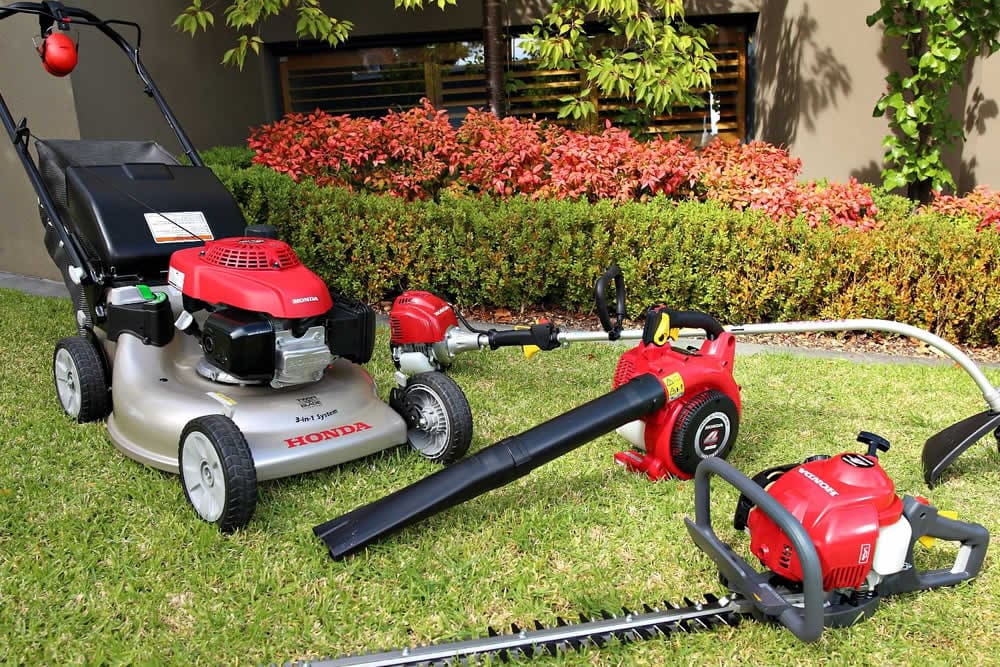
Your mower is only as good as its maintenance schedule. Sharp blades are absolutely critical for lawn health—blunt blades tear grass rather than cutting it cleanly, leaving brown, frayed edges that invite disease and pest problems particularly prevalent in our damp climate.
For most UK gardens, a quality rotary mower handles varied conditions effectively. These versatile machines cope with longer grass, wet conditions, and uneven terrain common in British gardens. Electric mowers (both corded and battery-powered) are increasingly popular, offering quiet operation perfect for suburban areas whilst being environmentally friendly.
Cylinder mowers create that classic striped finish beloved by British gardeners. However, they require more maintenance and work best on level, well-maintained lawns. For irregular or sloped gardens common in the UK, stick with rotary mowers.
Blade sharpening should occur at least twice per season—once in spring before peak growing season and again mid-summer. Dull blades are particularly problematic during wet British conditions, creating ragged cuts that take longer to heal and are more susceptible to fungal diseases.
Regular maintenance prevents costly breakdowns during peak mowing season. Clean grass buildup after each use, check oil levels monthly, and ensure air filters remain clean. British weather means mowers work harder in damp conditions, making maintenance even more critical.
Optimal Timing and Frequency for Grass Cutting
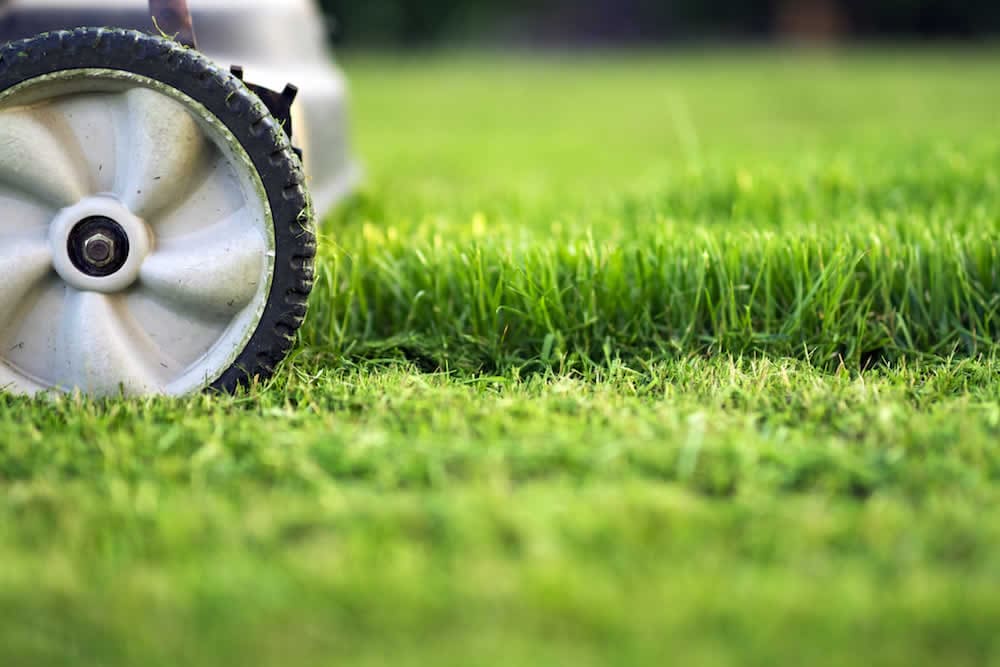
Timing your mowing correctly can make the difference between a thriving lawn and a struggling one. In the UK, morning mowing (between 8am-10am) is ideal when dew has evaporated but before afternoon heat stress begins. Avoid mowing during the hottest part of the day, typically 11am-3pm during summer months.
British weather patterns significantly influence mowing schedules. During active growth periods in spring and autumn, weekly mowing is typically sufficient. However, those rapid growth spurts following warm, wet weather may require twice-weekly cutting to maintain the one-third rule.
Never mow wet grass—a cardinal rule particularly relevant in our damp climate! Wet cutting creates several problems: clippings clump together and smother grass beneath, mower wheels compact soggy soil, and wet conditions spread diseases more easily. Wait for grass to dry thoroughly, even if it means delaying your planned mowing day.
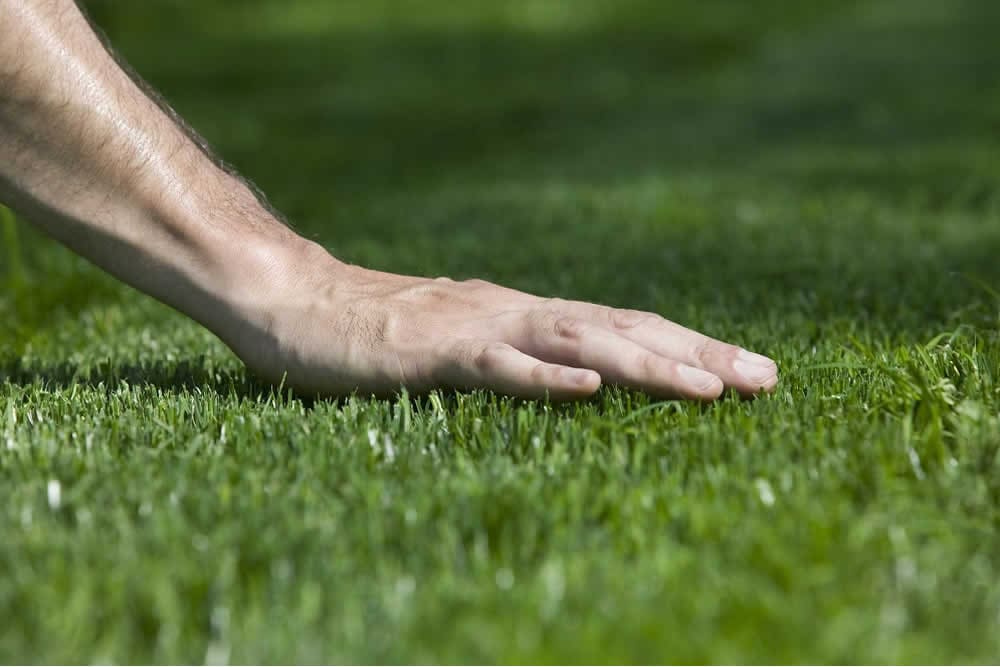
Watch for signs your lawn needs cutting: grass blades standing upright rather than lying flat, or visible footprints remaining after walking across the lawn. These indicators are more reliable than rigid weekly schedules, especially given our unpredictable weather.
Adjust frequency seasonally—spring growth spurts may require twice-weekly cutting, summer heat often allows weekly intervals, autumn returns to regular weekly cutting, and winter requires minimal mowing or none at all.
Professional Mowing Patterns and Techniques
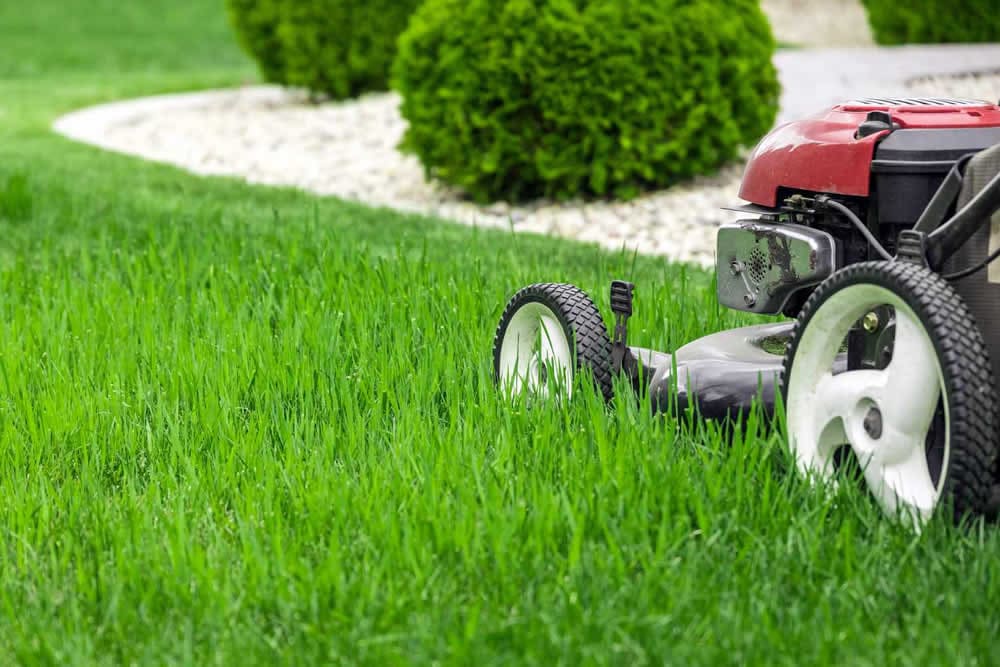
Creating attractive mowing patterns isn’t just about aesthetics—it’s crucial for lawn health. Alternating your mowing direction each time prevents soil compaction and helps grass grow upright rather than leaning in one direction.
British gardeners love striped lawns, and achieving this classic look requires specific techniques. Use a mower with a rear roller, mow in straight, parallel lines, and slightly overlap each pass. The roller bends grass in alternating directions, creating light and dark stripes as different surfaces catch sunlight.
For smaller UK gardens, a simple back-and-forth pattern works well. Larger spaces allow for more creative patterns—try diagonal stripes, checkerboard effects, or even curves for contemporary looks. Remember to change patterns regularly to prevent soil compaction and wear patterns.
Managing edges requires attention in British gardens where lawns often meet flower borders, paths, or patios. Use a half-moon edging tool to create clean lines, and consider installing mowing strips to reduce maintenance. These permanent edges allow mower wheels to run alongside borders, eliminating hand-trimming needs.
Dealing with Wet Grass and Challenging Conditions
British weather presents unique challenges, with frequent rain creating persistently damp conditions. However, there are times when wet grass mowing becomes necessary—perhaps before a special event or when grass has grown excessively during a prolonged wet spell.
If you must mow damp grass, raise your cutting height significantly and mow slowly to prevent clumping. Remove clippings immediately rather than leaving them to smother underlying grass. Clean your mower thoroughly afterwards to prevent rust and corrosion common in damp conditions.
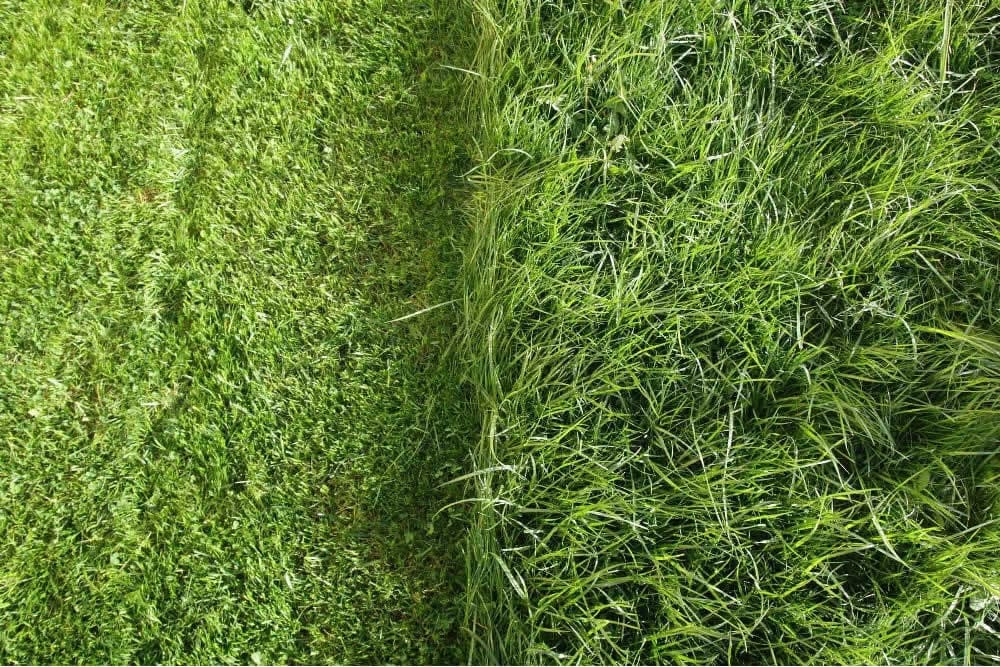
Dealing with overgrown grass requires patience. If grass has grown beyond the one-third rule due to holidays or weather delays, tackle it gradually. Cut to remove one-third, wait three to four days, then cut again. This approach prevents shocking the grass whilst gradually returning to your preferred height.
British gardens often feature slopes and banks that require special attention. Always mow across slopes rather than up and down to prevent accidents. For steep areas, consider alternative groundcover or hire professionals with appropriate equipment.
Grass Clipping Management and Mulching Benefits
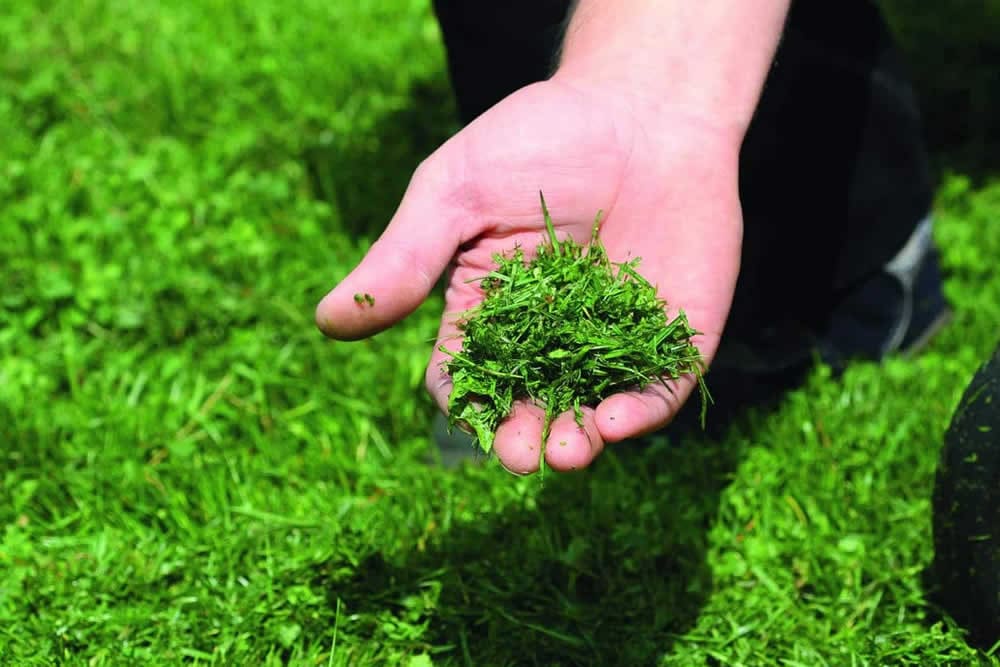
Managing grass clippings effectively is particularly important in the British climate where decomposition can be slower due to cooler temperatures and higher moisture levels. Modern mulching mowers chop clippings finely, allowing them to decompose quickly and return nutrients to the soil.
Leaving clippings on the lawn provides several benefits: they return nitrogen to the soil (equivalent to one fertiliser application annually), retain moisture during dry periods, and save disposal effort. However, remove clippings during wet periods when they might clump and create bare patches.
For British gardeners with compost bins, grass clippings provide excellent ‘green’ material high in nitrogen. Mix with ‘brown’ materials like autumn leaves for balanced compost. Never compost clippings from recently treated lawns (weed killer, fertiliser) as chemicals may persist.
During autumn, manage fallen leaves alongside grass cutting. Light leaf coverage can be mulched with grass clippings, but heavy accumulations require removal to prevent smothering your lawn over winter.
Common Lawn Mowing Mistakes to Avoid
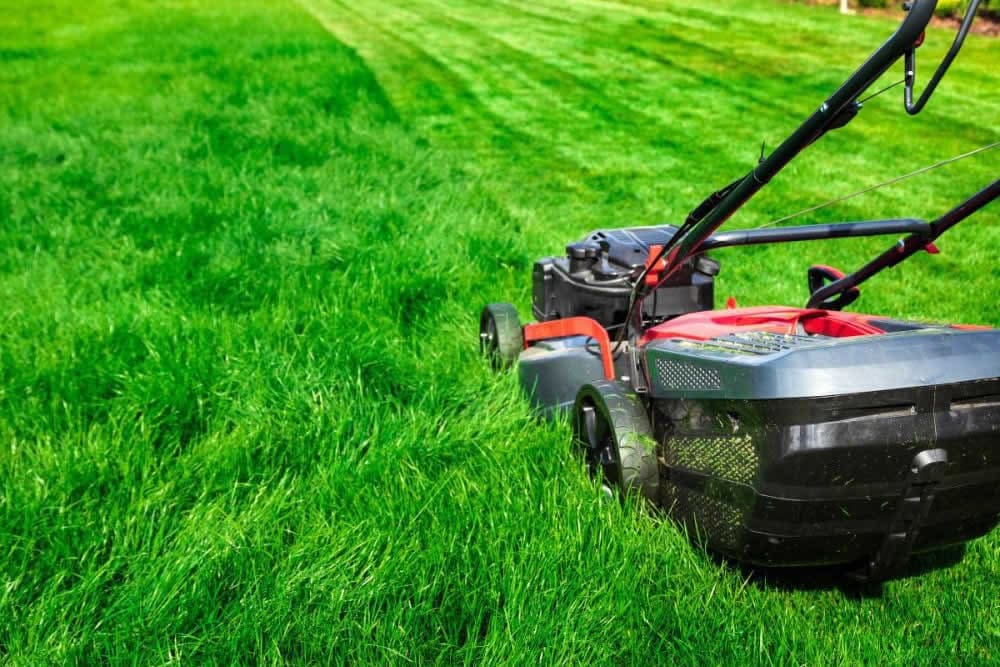
British gardeners commonly make several mowing errors that compromise lawn health. Cutting grass too short during summer drought conditions is perhaps the most damaging mistake. Our increasingly hot, dry summers require higher cutting to help grass survive stress periods.
Mowing with blunt blades creates particular problems in our damp climate. Torn grass edges heal slowly and provide entry points for fungal diseases common in British conditions. The brown, frayed appearance also makes lawns look unhealthy despite otherwise good care.
Ignoring seasonal adjustments is another frequent error. Many gardeners maintain the same cutting height year-round, but British conditions demand flexibility. Spring growth benefits from moderate heights, summer stress requires higher cuts, and autumn preparation needs gradual height reduction.
Poor timing decisions compound other mistakes. Mowing stressed, drought-affected grass during hot afternoons, cutting frozen grass in winter, or rushing to mow before rain when grass is already too long all create unnecessary lawn stress.
Finally, neglecting mower maintenance creates cascading problems. Dull blades, dirty air filters, and old petrol all compromise cutting quality and may damage both mower and lawn. Regular maintenance prevents these issues whilst ensuring optimal performance.
Conclusion
Mastering these essential lawn mowing and grass cutting tips will dramatically improve your lawn’s health and appearance. Remember, consistency is key—regular maintenance with proper technique beats sporadic intensive efforts every time!
The investment in learning correct mowing practices pays dividends in reduced fertiliser needs, fewer pest problems, and a lawn that’s the envy of your neighbourhood. Britain’s challenging climate demands thoughtful lawn care, but following these guidelines will help you achieve beautiful results regardless of weather conditions.
Start implementing these strategies gradually, focusing on the basics like proper cutting height and sharp blades before advancing to pattern techniques and specialised equipment. Pay particular attention to seasonal adjustments—our variable climate requires flexible approaches throughout the year.
Ready to transform your lawn care routine? Begin with checking your mower blade sharpness and adjusting your cutting height for current conditions. These two simple changes alone will make a noticeable difference in just a few weeks, setting the foundation for the healthy, attractive lawn you’ve always wanted!
Questions?
At AJR Lawn Care, we’re passionate about helping you achieve the lawn of your dreams throughout every season. Our expert team is always here to provide professional guidance and comprehensive care services tailored to your lawn’s unique needs.