
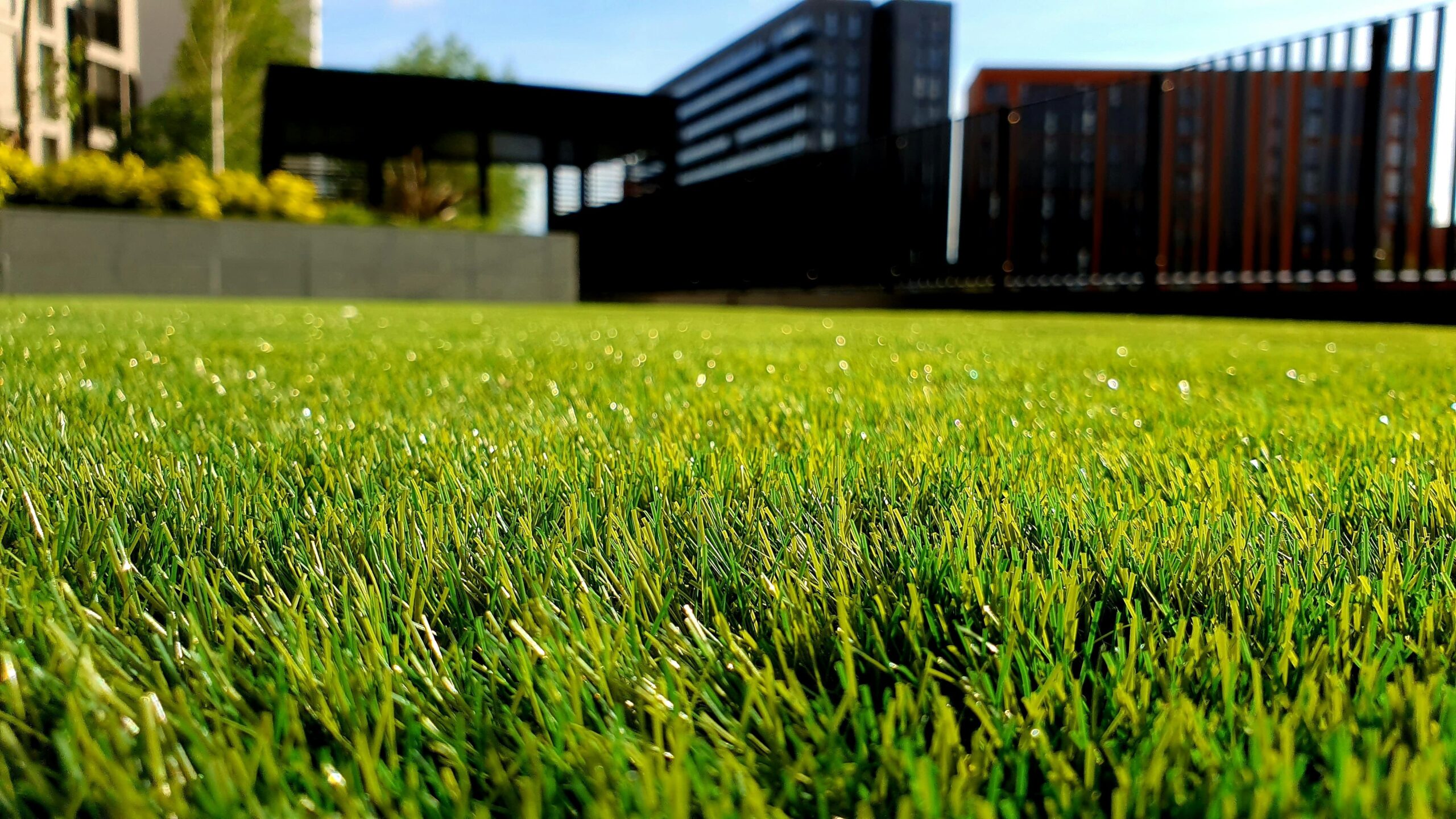
Ever look at a perfectly manicured lawn and wonder, “How on earth do they do that?” We’ve all been there! It seems like some people just have a knack for it, while the rest are left battling brown patches and stubborn weeds. But here’s a little secret: a stunning lawn isn’t about magic; it’s about consistency and a few simple habits. In fact, studies show that a well-maintained garden can significantly increase a property’s value. My goodness, what a great return on investment!
I remember when I first moved into my home in Rotherham, I thought all I had to do was mow the lawn every other week. Oh, how wrong I was! My lawn was a complete mess—thin, patchy, and full of dandelions. It was disheartening, to say the least. But over the years, through a bit of trial and error and learning from the experts, I’ve discovered that small, consistent actions are the key to unlocking a truly beautiful lawn. It’s not about spending every waking moment in the garden; it’s about doing the right things at the right time.
This guide is designed to help you, the busy homeowner, establish a straightforward routine that will transform your garden. We’ll cover everything from the basics of mowing to understanding when your lawn needs a little extra love. By the end, you’ll feel confident and equipped to give your lawn the care it deserves. Let’s dig in and get that garden looking fantastic!
The Golden Rule of Mowing: Don’t Scalp Your Lawn!
So, you’ve got your mower ready, and you’re itching to get that grass short. Hold on a second! This is probably one of the biggest mistakes I see people make, and honestly, I was guilty of it years ago. I thought if I cut the grass super short, I wouldn’t have to mow again for a while. Boy, was that a rookie error. All I ended up with was a stressed-out, yellow-looking lawn that was just begging for weeds to move in and take over. It was a proper mess.
The real key here, and something I learned the hard way, is the “one-third rule.” You should never, ever remove more than one-third of the grass blade’s height in a single mow. It’s a bit of a head-scratcher at first, but it makes total sense. This simple practice keeps the grass healthy and strong, allowing the blades to photosynthesize effectively and the roots to grow deep and robust. If you’re using a petrol mower, make sure your blades are sharp, yeah? A dull blade will tear the grass rather than cut it cleanly, leaving it vulnerable to disease. I’ve been there, thinking I could get away with it, only to find my lawn looking frayed and tired.
I’d suggest setting your mower deck higher than you think you need to. For most UK lawns, keeping the grass around 2 to 3 inches (5-8 cm) is perfect. And don’t forget to mix up your mowing pattern each time you cut. Going in the same direction over and over can cause the grass blades to lean and can even compact the soil in certain areas. It’s a small change, but trust me, it makes a world of difference. It helps the lawn stand up straighter and promotes a more even, lush appearance. It’s a bit like giving your hair a good brush; it just looks better when you change it up a little!
The Secret to Hydration: When and How to Water
Watering the lawn—it sounds simple enough, right? Just grab the hose and give it a good soaking. If only it were that straightforward! I remember my first summer in Rotherham; we had a bit of a heatwave, and my lawn was starting to look parched. So, like a good little homeowner, I went out and watered it every evening after work. I thought I was doing the right thing, but my lawn just never seemed to recover. It stayed that horrible, dry brown colour. I was so frustrated! Turns out, my technique was all wrong.
The golden rule of watering, and a tip I wish I’d known from the start, is to water deeply but infrequently. Giving the lawn a light sprinkle every day encourages shallow root growth. The roots stay close to the surface, always looking for that next sip of water. This makes the lawn super susceptible to drought and stress during dry spells. What you want to do is train those roots to go deep, where they can find moisture even when the topsoil is dry. You can’t get around it, it’s just the best way.
So, how do you do that? The best time to water is in the early morning. I know, it’s a bit of a pain getting up that early, but it’s worth it. Watering in the morning allows the water to soak into the soil before the heat of the day causes it to evaporate. Plus, it gives the grass blades time to dry out, which helps prevent fungal diseases. Aim for a good, long soak—about an inch of water per week, either from rain or from your sprinkler. A simple way to check if you’ve watered enough is to use a screwdriver. If you can easily push it into the soil 6-8 inches, you’re doing a grand job! If not, you need to give it a bit more.
Feed Your Lawn: Understanding Fertiliser and Treatments
Let’s be honest, feeding your lawn can feel a bit overwhelming. There are so many different products out there: feed-and-weed, slow-release granules, liquid fertilisers… it’s enough to make your head spin! For ages, I just ignored this step, thinking my lawn was fine on its own. It was okay, I suppose, but it never had that vibrant, deep green look you see in magazines. It was just, well, average. I finally decided to bite the bullet and give it a go, and the difference was honestly remarkable. It’s one of those things you don’t realise you need until you see the results.
The key to feeding your lawn is to choose the right product for the right season. In the spring, you want a fertiliser high in nitrogen to promote lush, green growth. This is the stuff that gives your lawn that healthy kick-start after the winter. I made the mistake of using the wrong one once, and it did sweet Fanny Adams for my grass. It was a lesson learned, for sure. For autumn, you need something different—a product that’s lower in nitrogen but higher in potassium and phosphorus. These nutrients help strengthen the roots and prepare the lawn for the cold, harsh winter months. It’s like giving your lawn its winter coat.
Another thing to consider is weed and moss control. Moss, in particular, is a real nuisance in the UK, especially in South Yorkshire where we get our fair share of rain. It can choke out the grass and make your lawn feel spongy. I tried pulling it out by hand once. That was a laugh! It just came back with a vengeance. Using a dedicated moss killer and then scarifying the lawn to remove the dead moss is the way to go. You can find products that combine fertiliser, weed killer, and moss killer, making the job a bit easier for us busy people. It’s about working smarter, not harder.
Conclusion: Your Lawn, Your Sanctuary
It’s easy to get overwhelmed by the idea of lawn care, but I hope this has shown you that it’s not as complicated as it seems. It’s about establishing a simple, consistent routine that works for you. From the “one-third rule” of mowing to watering deeply in the mornings and feeding your lawn with the right nutrients, these small habits can make a huge difference. I’ve seen my own lawn go from a patchy, weed-ridden mess to a as my neighbour refers to my lawn as a vibrant, green carpet, and it’s genuinely rewarding. There’s something special about looking out your window and seeing a beautiful garden that you’ve helped create.
Remember, every lawn is unique, so pay attention to what yours is telling you. If you notice a particular problem, don’t ignore it; there’s always a solution. By following these simple tips, you’re not just maintaining a lawn; you’re creating a beautiful outdoor space for you and your family to enjoy. A lovely garden can become a real sanctuary. If you’re in the Rotherham area and would like a helping hand with getting your lawn looking its best, don’t hesitate to contact us at AJR Lawn Care. We’d be more than happy to help you achieve the lawn of your dreams!
FAQs – Simple Lawn Care Habits
How often should I fertilise my lawn?
It’s generally recommended to fertilise your lawn twice a year: once in the spring to encourage strong growth and once in the autumn to prepare it for winter.
Is it bad to leave grass clippings on the lawn?
Leaving a light layer of grass clippings (known as mulching) can be beneficial as it returns nutrients to the soil. However, thick layers can smother the grass and cause thatch buildup.
What's the best time of day to water my lawn?
The best time is early in the morning. This allows the water to soak in before the sun gets too hot, and it gives the grass blades time to dry, which helps prevent fungal diseases.
How do I get rid of moss in my lawn?
To get rid of moss, you can apply a moss-killer product. After the moss turns black, it’s essential to scarify the lawn to remove all the dead moss and prevent it from coming back.
How do I know if my lawn needs aerating?
Your lawn likely needs aerating if the soil feels hard and compacted, if there are bald patches, or if it has trouble draining after rain. It’s a great way to improve air circulation and water penetration to the roots.



