Lawn Clinic
We,ve compiled a useful section of issues below so you can find out how to spot, prevent and treat some common lawn issues.
Welcome to the AJR Lawn Clinic
Struggling With Common Lawn Problems?

You’re not alone. Many homeowners face frustrating lawn care challenges that seem impossible to solve on their own. From stubborn brown patches to persistent weeds, lawn problems can quickly turn your outdoor space from a source of pride into a constant headache.
Common Lawn Issues We Help Solve:
- Patchy, thin grass that won’t fill in no matter what you try
- Persistent weeds that keep coming back despite repeated treatments
- Brown or yellow spots that appear throughout your lawn
- Moss and fungal problems in shaded or damp areas
- Compacted soil that prevents proper water and nutrient absorption
- Seasonal damage from winter, drought, or heavy foot traffic
- Pest infestations like grubs, chinch bugs, or other lawn-damaging insects
- Inconsistent results from store-bought fertilizers and treatments
- Lack of time to maintain a proper lawn care schedule
- Confusion about what products to use and when to apply them
- Wasted money on treatments that don’t address your lawn’s specific needs
Your Specialist Resource for Lawn Health Solutions
Just like your family doctor helps you stay healthy, our Lawn Clinic is here to diagnose, treat, and prevent the most common lawn ailments that can affect your grass throughout the year. Whether you’re dealing with an existing problem or want to stay one step ahead of potential issues, our expert guidance will help you maintain a thriving, beautiful lawn.
What you’ll find in our Lawn Clinic:
- Professional identification guides for common lawn problems
- Proven prevention strategies to keep issues at bay
- Expert treatment recommendations from our specialists
- Seasonal advice on when problems are most likely to occur
- Clear, practical solutions you can understand and implement
Common Lawn Conditions We Treat
Moss Control & Treatment

The Problem: Moss thrives in damp, poorly drained conditions and can quickly overtake weak grass areas.
How to Spot It: Look for soft, spongy green patches that feel different underfoot, particularly in shaded or waterlogged areas of your lawn.
Prevention: Improve drainage, increase sunlight where possible, and maintain healthy grass density through regular feeding and overseeding.
Treatment: Our specialist moss control treatments combined with scarification will remove existing moss and strengthen your grass to prevent future infestations. Timing is crucial – speak to our team about the best seasonal approach for your lawn.
Weed Identification & Elimination
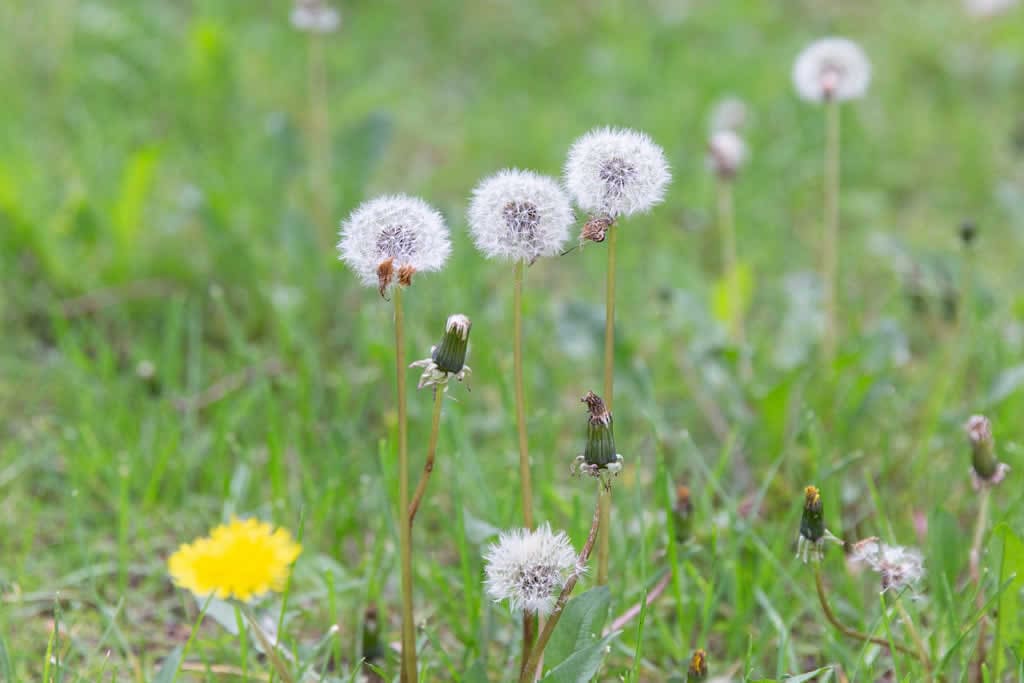
The Problem: Unwanted weeds compete with your grass for nutrients, water, and space, creating an uneven, patchy appearance.
How to Spot Them: From dandelions and plantains to clover and chickweed, weeds often have different leaf shapes, colors, or growth patterns compared to your grass.
Prevention: Maintain thick, healthy grass through regular feeding and proper mowing height. Healthy lawns naturally crowd out most weeds.
Treatment: Our targeted weed control treatments are designed to eliminate existing weeds while protecting your grass. Different weeds require different approaches – our specialists will create a customized treatment plan for your specific weed challenges.
Chafer Grub Damage Control
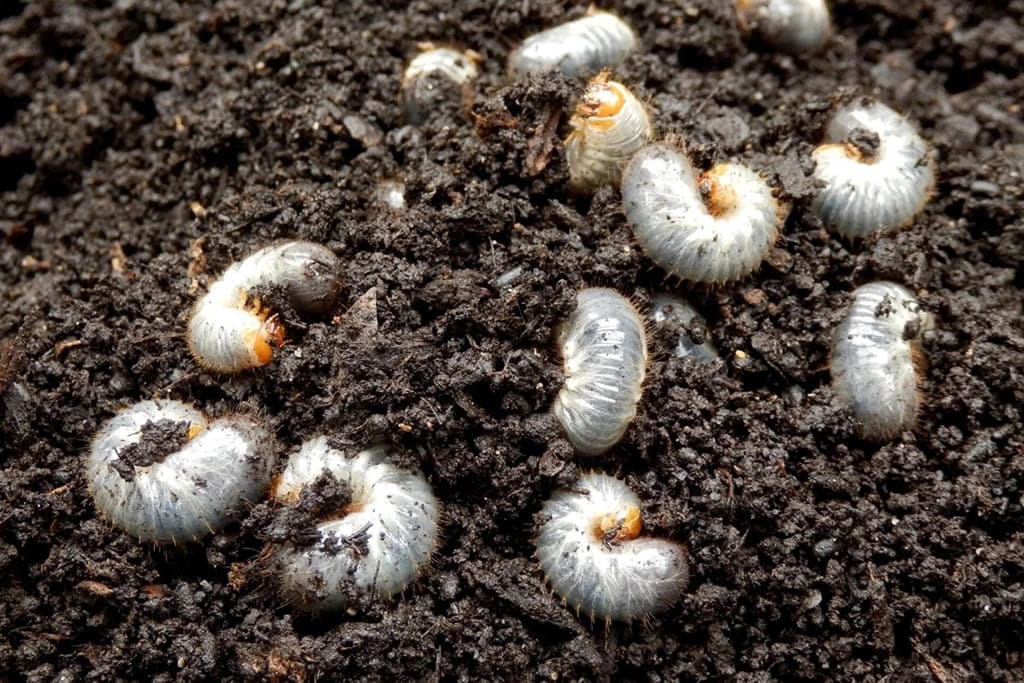
The Problem: These soil-dwelling larvae feed on grass roots, causing brown patches and attracting birds and animals that dig up your lawn searching for grubs.
How to Spot It: Irregular brown patches that feel loose underfoot, often accompanied by increased bird or badger activity. Affected turf may lift away easily when pulled.
Prevention: Healthy, well-established lawns are more resistant to grub damage. Regular aeration and feeding help build strong root systems.
Treatment: Professional grub control treatments are most effective when timed correctly with the grub lifecycle. Our specialists monitor seasonal patterns to ensure optimal treatment timing for maximum effectiveness.
Leaf Spot Disease Management
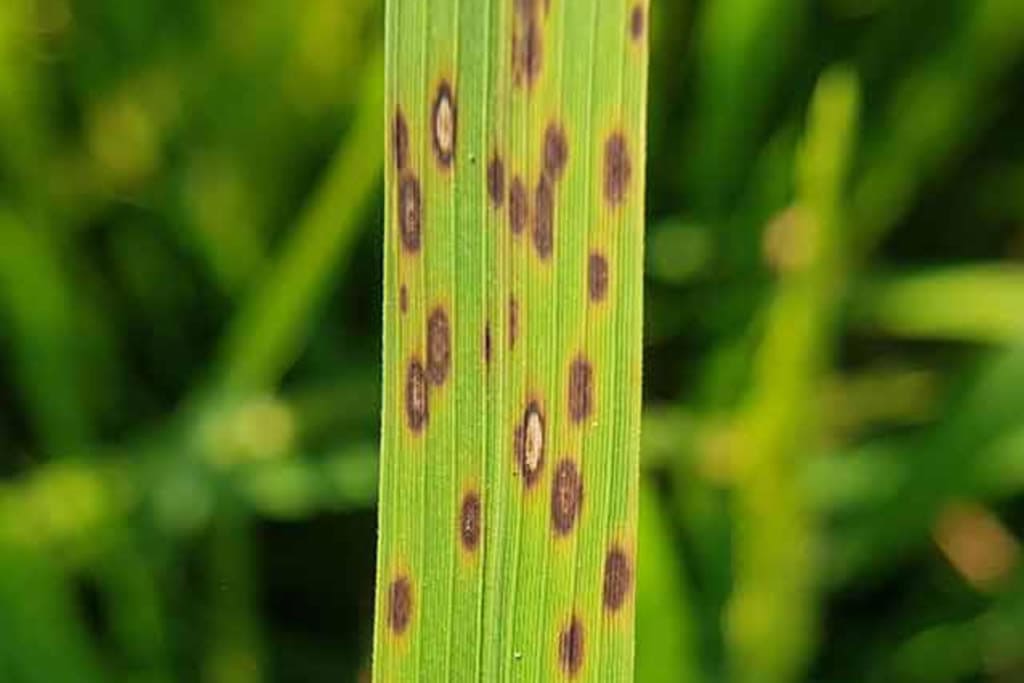
The Problem: Fungal diseases that create small, dark spots on grass blades, eventually leading to thinning and weak patches.
How to Spot It: Small brown or black spots on individual grass blades, often with yellow halos. Affected areas may appear thin or discolored from a distance.
Prevention: Avoid overwatering, ensure good air circulation, and maintain proper mowing height. Water early in the day to allow grass to dry before evening.
Treatment: Fungicide applications combined with improved cultural practices. Our specialists will assess the specific type of leaf spot and recommend the most effective treatment approach.
Red Thread Disease Solutions
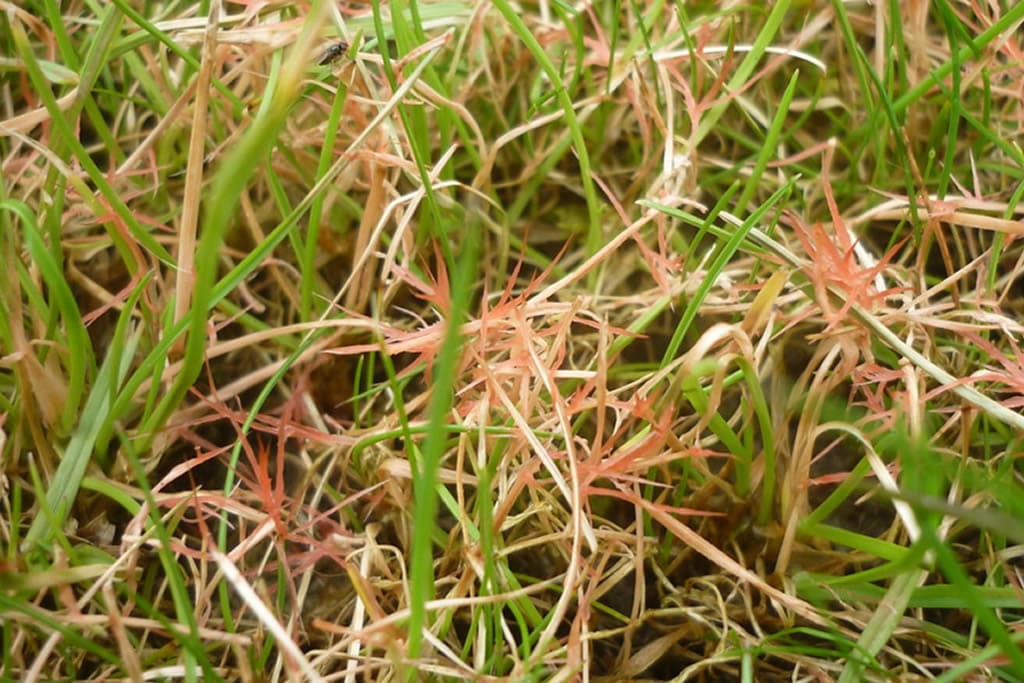
The Problem: A common fungal disease that creates distinctive red or pink thread-like growth on grass blades, typically occurring in cool, moist conditions.
How to Spot It: Patches of bleached or tan-colored grass with characteristic red or pink threads visible on blade tips, especially noticeable in early morning dew.
Prevention: Maintain adequate nutrition (red thread often indicates nitrogen deficiency) and ensure good drainage and air circulation.
Treatment: Targeted fungicide treatment combined with corrective feeding program. Our specialists often see dramatic improvement with proper nitrogen application timing.
Lawn Rust Prevention & Care
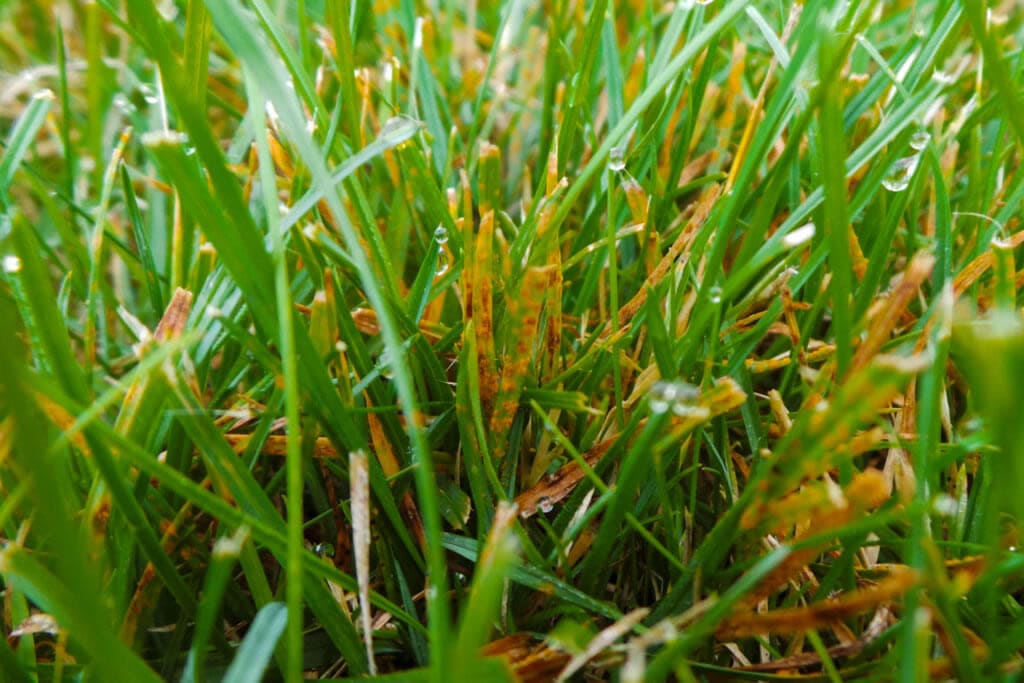
The Problem: Fungal disease causing orange, rust-colored spores on grass blades, typically during warm, humid conditions with heavy dew.
How to Spot It: Orange or rust-colored powder that rubs off on shoes, clothing, or mowing equipment. Grass may appear yellowish or orange from a distance.
Prevention: Maintain good air circulation, avoid overwatering, and ensure balanced nutrition with adequate nitrogen.
Treatment: Usually resolves with improved growing conditions and proper nutrition. Severe cases may require fungicide treatment – our team can assess and recommend the best approach.
Lichen Growth Management
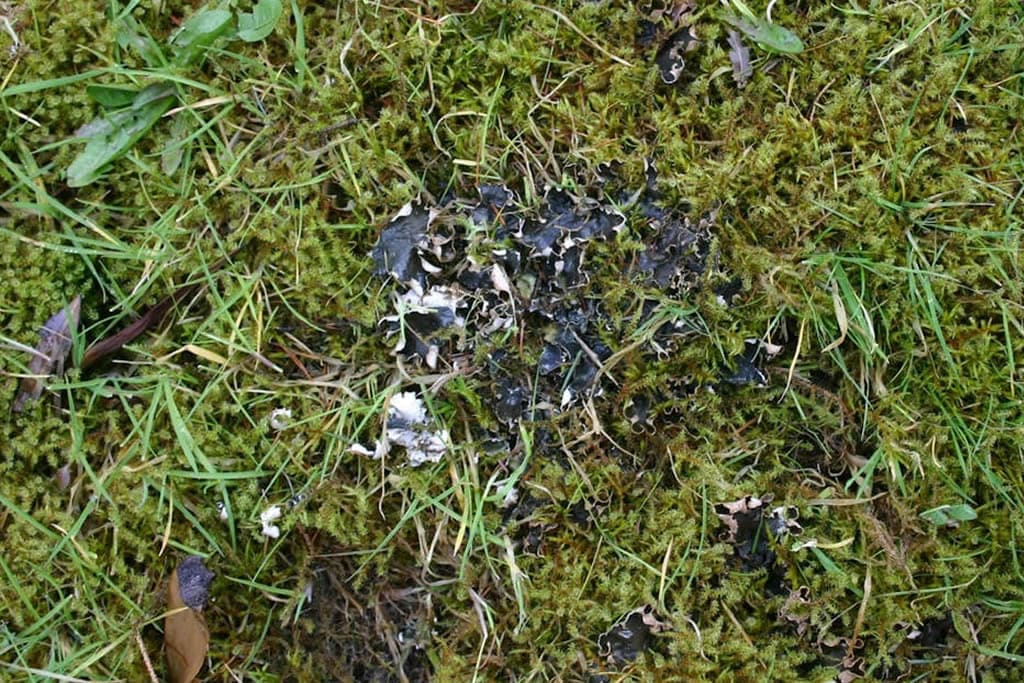
The Problem: Slow-growing organisms that typically indicate poor soil conditions, compaction, or low fertility.
How to Spot It: Crusty, scale-like growths in various colours (gray, green, orange) that appear on soil surface, particularly in thin or bare areas.
Prevention: Improve soil fertility, reduce compaction through aeration, and encourage thick grass growth through overseeding and feeding.
Treatment: Address underlying soil conditions through aeration, feeding, and overseeding. Lichen naturally disappears when grass health improves and soil conditions are optimised.
Thatch Layer Control
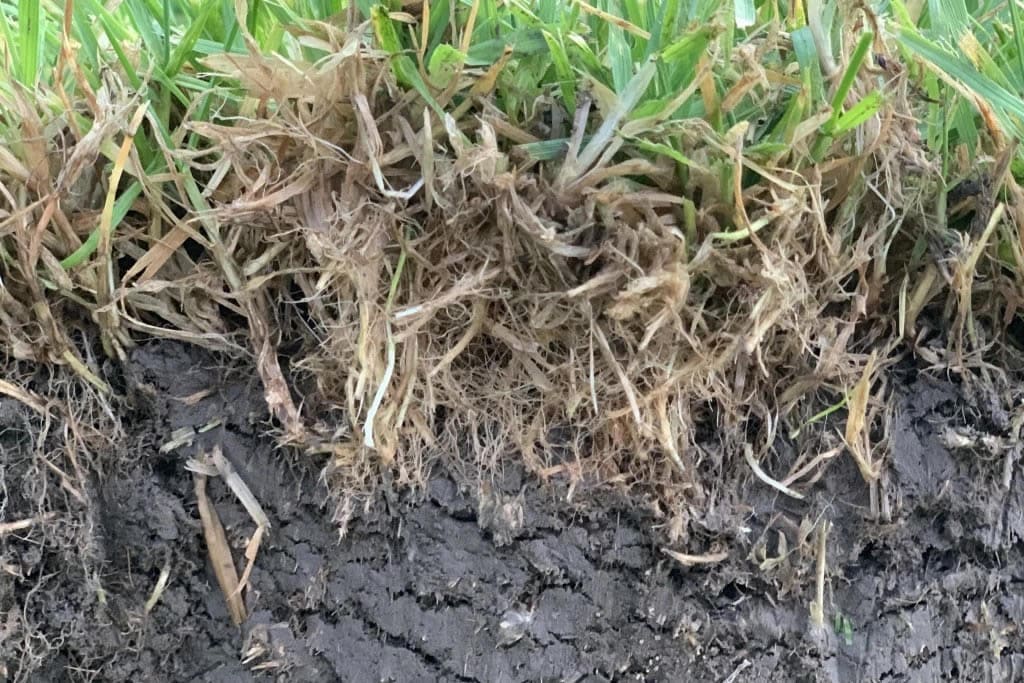
The Problem: Excessive buildup of dead grass material creates a barrier that prevents water, air, and nutrients from reaching soil and roots.
How to Spot It: Spongy feel underfoot, water running off rather than soaking in, and visible layer of brown, fibrous material when you part the grass.
Prevention: Avoid over-fertilizing, maintain proper mowing height, and ensure adequate soil microbial activity through balanced feeding.
Treatment: Professional scarification removes excess thatch and improves growing conditions. Our specialists recommend optimal timing based on grass type and seasonal conditions
Snow Mould Recovery
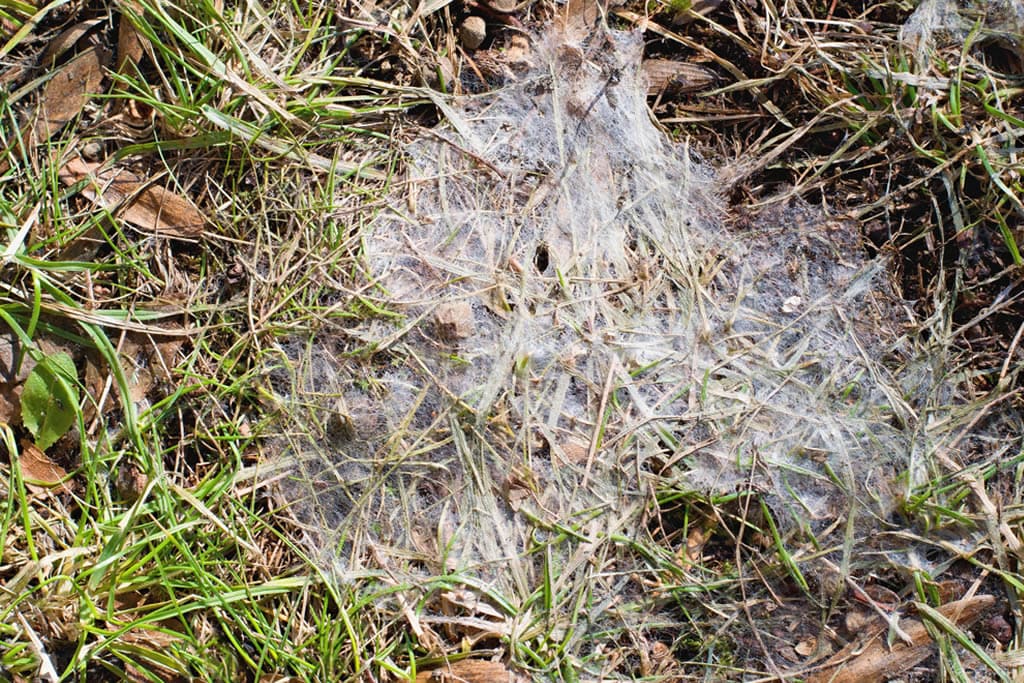
The Problem: Fungal diseases that develop under snow cover, creating circular patches of matted, discolored grass when snow melts.
How to Spot It: Circular patches of matted, gray, pink, or brown grass that appear as snow melts, often with visible fungal growth.
Prevention: Avoid late-season nitrogen fertilization, keep grass cut to appropriate height before winter, and rake leaves thoroughly.
Treatment: Gentle raking to improve air circulation and targeted fungicide treatment if necessary. Most cases recover naturally with proper spring care and our recovery program.
Leatherjacket Infestation Solutions
Leatherjacket Infestation Solutions
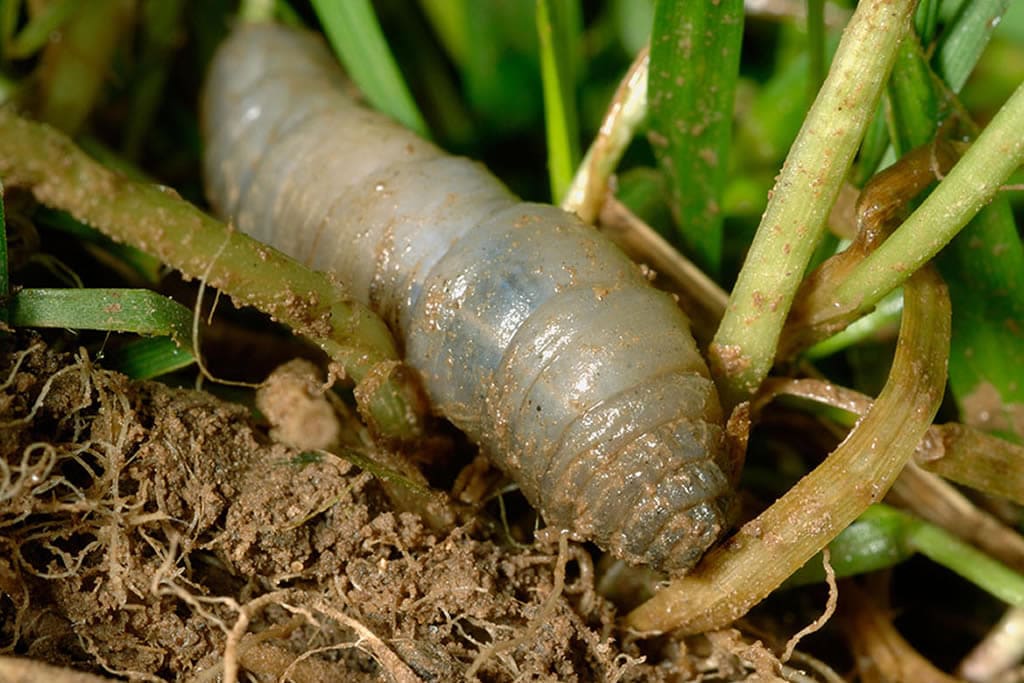
The Problem: Gray-brown larvae that feed on grass roots and stems, causing irregular brown patches and attracting birds and animals.
How to Spot It: Brown, dying patches that worsen over time, increased bird activity, and gray-brown, legless larvae visible when you examine affected soil.
Prevention: Maintain healthy grass density and consider biological control methods during peak egg-laying periods.
Treatment: Professional treatment during vulnerable larval stages provides best results. Our specialists time treatments for maximum effectiveness based on lifecycle patterns.
Dry Lawn Recovery & Prevention
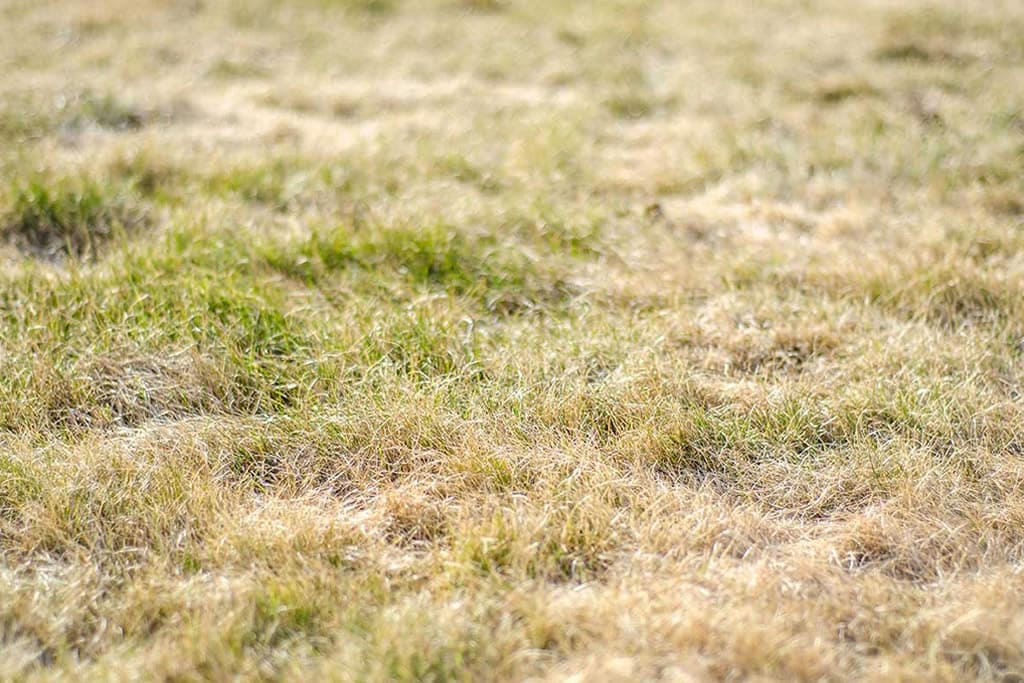
The Problem: Prolonged dry conditions cause grass to go dormant, turn brown, or die back, affecting both appearance and long-term health.
How to Spot It: Brown, crispy grass that doesn’t spring back when walked on, soil pulling away from edges, and footprints remaining visible on the lawn.
Prevention: Deep, infrequent watering encourages deep root growth. Morning watering is most effective, and maintaining proper mowing height helps retain moisture.
Treatment: Gradual recovery program including controlled watering, appropriate feeding, and possible overseeding in severely affected areas. Our specialists can assess recovery potential and recommend the most effective approach.
Mower Damage Repair
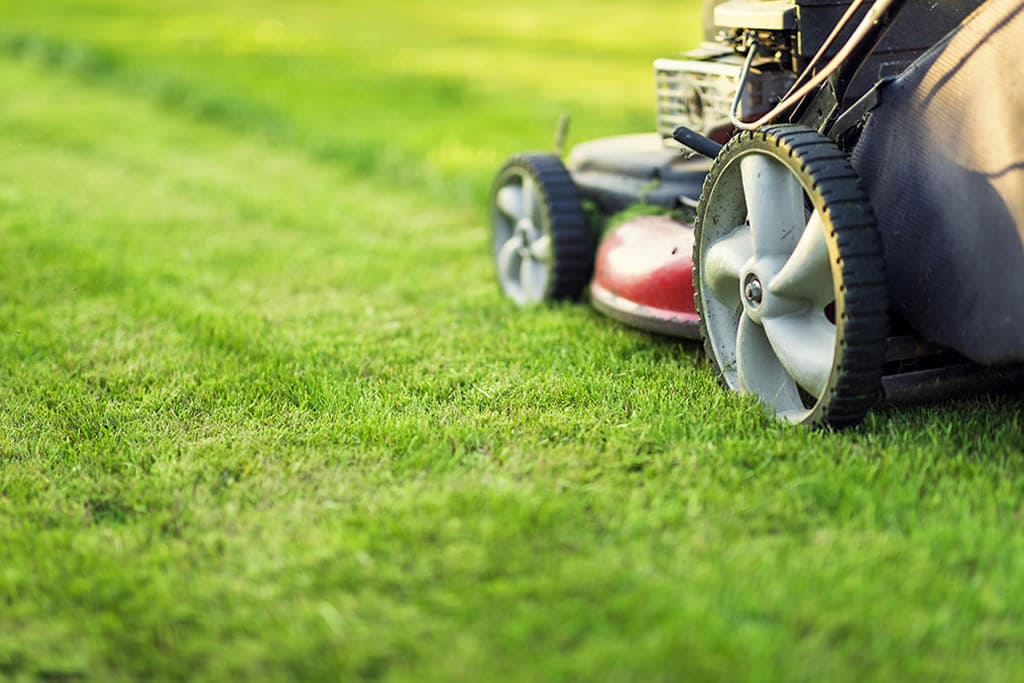
The Problem: Scalping, torn grass blades, and compaction from improper mowing practices create weak spots susceptible to disease and weed invasion.
How to Spot It: Uneven cutting height, brown tips on grass blades, visible wheel tracks, and areas where grass appears shredded rather than cleanly cut.
Prevention: Maintain sharp mower blades, avoid mowing when wet, never remove more than one-third of grass height, and vary mowing patterns.
Treatment: Recovery focus on proper mowing practices, targeted feeding to encourage healthy regrowth, and overseeding in severely damaged areas. Our maintenance programs include guidance on optimal mowing practices.
Getting Professional Help
When to Call Our Specialists:
- You’re unsure about identifying a specific problem
- Issues persist despite your best efforts
- Multiple problems are affecting your lawn simultaneously
- You want professional prevention strategies
- You prefer expert treatment for optimal results
Our Lawn Clinic Promise: Every lawn is unique, and our experienced specialists understand that one-size-fits-all solutions rarely work. We’ll assess your specific situation, identify the root causes of problems, and create a customized treatment plan that addresses both immediate issues and long-term lawn health.
Ready for a professional diagnosis? Contact our lawn care specialists today for expert assessment and treatment recommendations tailored to your lawn’s specific needs.
Questions?
At AJR Lawn Care, we’re passionate about helping you achieve the lawn of your dreams throughout every season. Our expert team is always here to provide professional guidance and comprehensive care services tailored to your lawn’s unique needs.