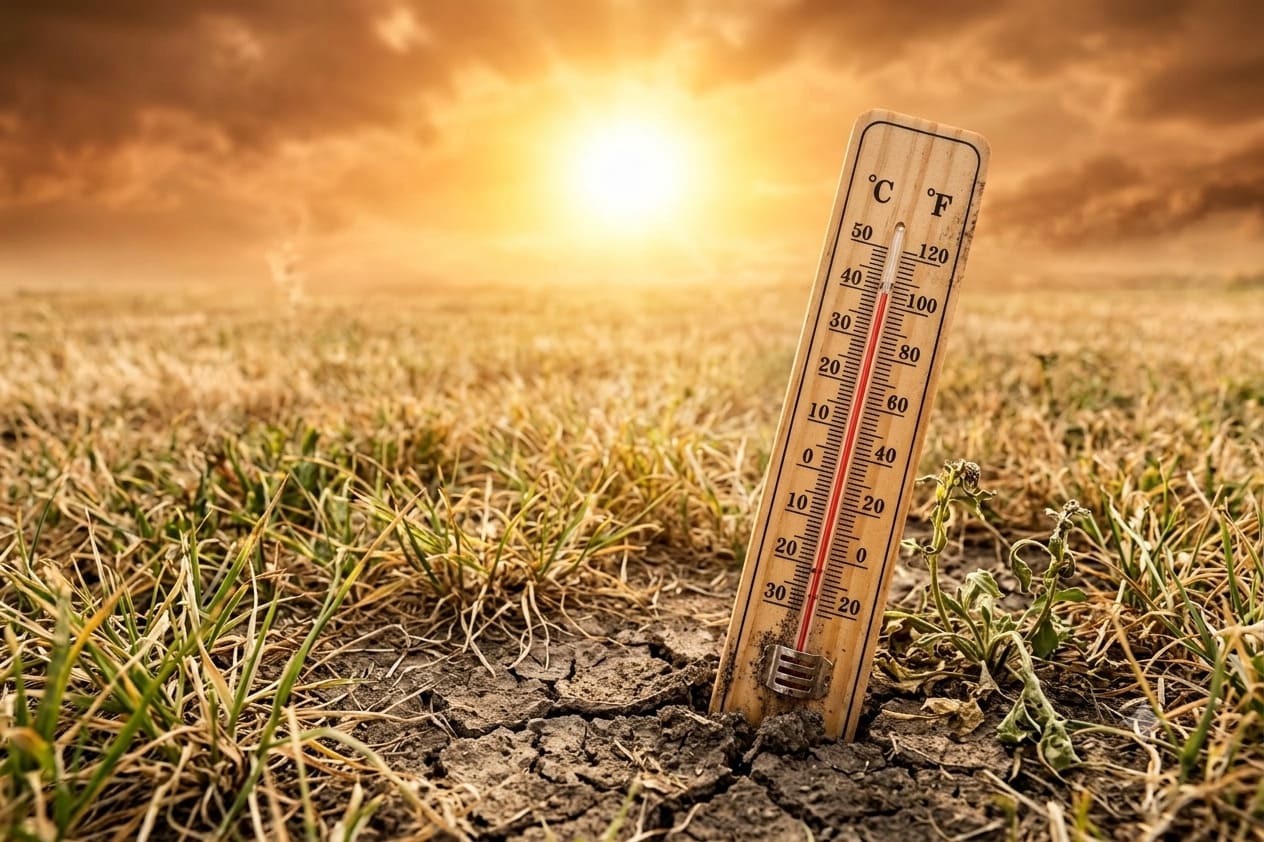
Did you know that grass can actually go dormant when temperatures consistently hit above 29°C? One of my customers learned this this during the scorching summer of 2022 when his once-pristine lawn turned into what looked like a brown carpet!
I was watering my lawns three times a day, and my buddy thought I was barmy. Turns out, he was the daft one for sticking to his regular watering schedule whilst the thermometer hit 38°C for six straight days. That’s when he realised that extreme heat requires extreme measures – or at least some serious adjustments to how we think about lawn care.
Heat stress is one of the biggest threats to maintaining a healthy lawn, and with climate change bringing more frequent and intense heatwaves to the UK, knowing how to protect your grass has never been more important. The good news? With the right strategies and timing, you can keep your lawn not just surviving, but actually thriving even when the mercury soars.
Let me share what I’ve learned from years of trial and error, plus some solid research that’ll save your grass – and your sanity – during the next heatwave.
Understanding Heat Stress in Grass
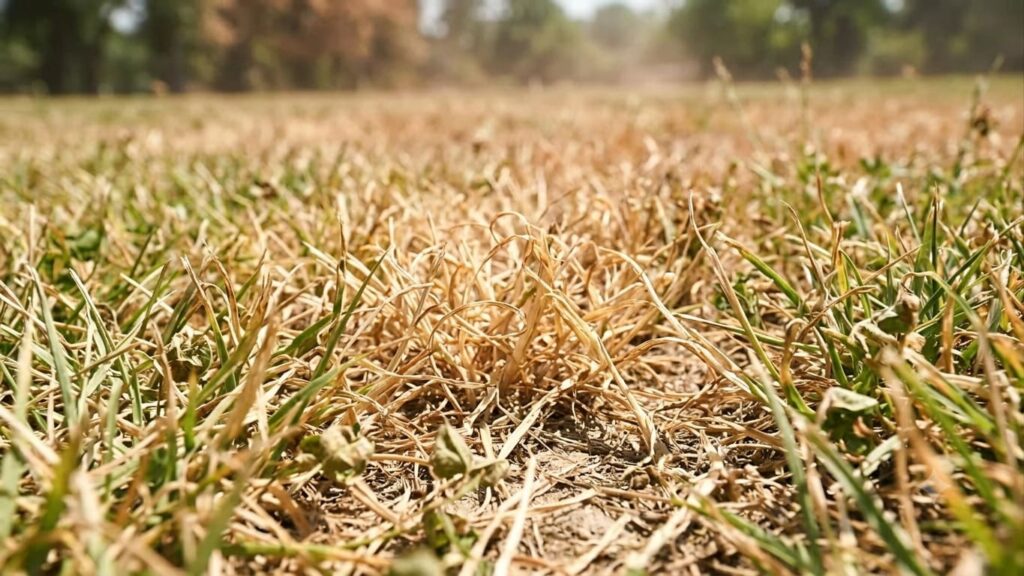
The first time I saw my perennial ryegrass go completely brown in July, I panicked. Was it dead? Had I killed my entire lawn? Turns out, grass is way cleverer than I gave it credit for.
When temperatures soar above 29°C consistently, most grass types start showing signs of heat stress. Cool-season grasses like fine fescue and perennial ryegrass are the drama queens here – they’ll start browning and going dormant around 27°C. This is particularly relevant for UK gardeners since these are our most common lawn grasses.
Here’s what I wish someone had told me earlier: brown doesn’t always mean dead. I spent one entire summer convinced I’d murdered my lawn, only to watch it bounce back beautifully come September. Grass goes dormant as a survival mechanism, basically putting itself into hibernation mode to conserve energy and moisture.
The telltale signs of heat stress aren’t always obvious at first. Your grass might start looking dull or greyish before it turns brown. Footprints and tyre tracks will stay visible longer than usual because the grass blades can’t bounce back. And here’s an odd one – if you walk across your lawn in the morning and don’t see dew on your footprints, that’s often the first sign your grass is struggling.
One thing that really surprised me was learning about soil temperature versus air temperature. Your local weather app might say it’s 32°C, but your soil could be hitting 43°C or higher. I bought a soil thermometer after reading about this on an RHS gardening forum, and blimey – the difference was eye-opening. When soil temps hit above 35°C, root growth basically stops, which explains why even perfectly watered grass can look stressed.
Morning dew isn’t just pretty – it’s actually a crucial moisture source during heatwaves. Grass that can’t produce or hold onto morning dew is usually in serious trouble. I started paying attention to this after my gardener mate mentioned it, and it became one of my best early warning systems for heat stress.
Strategic Watering During Heatwaves
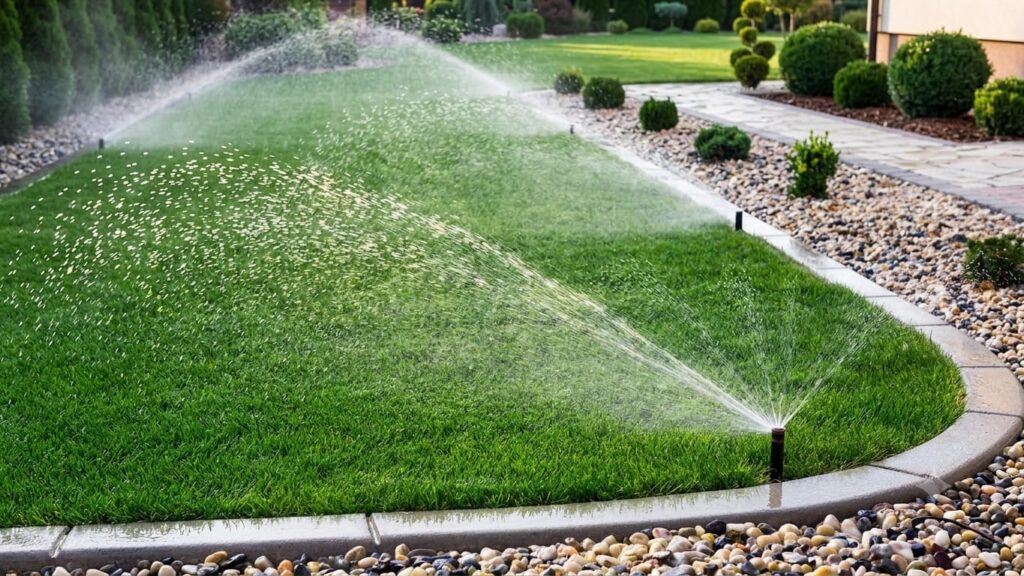
Let me tell you about the great watering debate that nearly ended a friendship. My mate Jamie swore by evening watering, while I was team early-morning all the way. Turns out, we were both partially right – and partially setting ourselves up for problems.
Early morning watering, between 4 AM and 8 AM, is still the gold standard during heatwaves. The grass has time to absorb the water before the sun gets brutal, and there’s less evaporation loss. But here’s where I mucked up initially – I was still doing my regular 15-minute sprinkler cycles. During a heatwave, your grass needs deep, less frequent watering sessions.
I learned this lesson when I noticed my grass was still browning despite daily watering. A local RHS extension volunteer explained that shallow, frequent watering actually encourages shallow root growth, which makes grass even more vulnerable to heat stress. Deep watering – about 25mm per session, twice or maybe three times a week – forces roots to grow deeper where the soil stays cooler and moister.
Here’s how I calculate it now: I put empty tuna tins around my sprinkler zones and time how long it takes to collect 25mm of water. For my front garden, that’s about 45 minutes. Sounds like ages, but it’s far more effective than my old method of guessing.
Evening watering isn’t terrible, but it comes with risks. If your grass stays wet overnight during hot, humid conditions, you’re basically rolling out the red carpet for fungal diseases. I made this mistake one particularly brutal August and ended up with brown patch disease on top of heat stress. Not pleasant.
The overwatering trap is real during heatwaves. When you’re panicking about your browning grass, the instinct is to water more. But soggy soil in extreme heat can actually cook your grass roots. I learned to do the screwdriver test – if I can’t easily push a long screwdriver into the soil, it needs water. If it goes in easily and comes out muddy, I back off.
One game-changer for me was installing a smart irrigation controller with soil moisture sensors. Yeah, it was a bit dear, but during the heatwave of 2023, it probably saved me from drowning my lawn whilst trying to save it.
Adjusting Your Mowing Schedule for Hot Weather
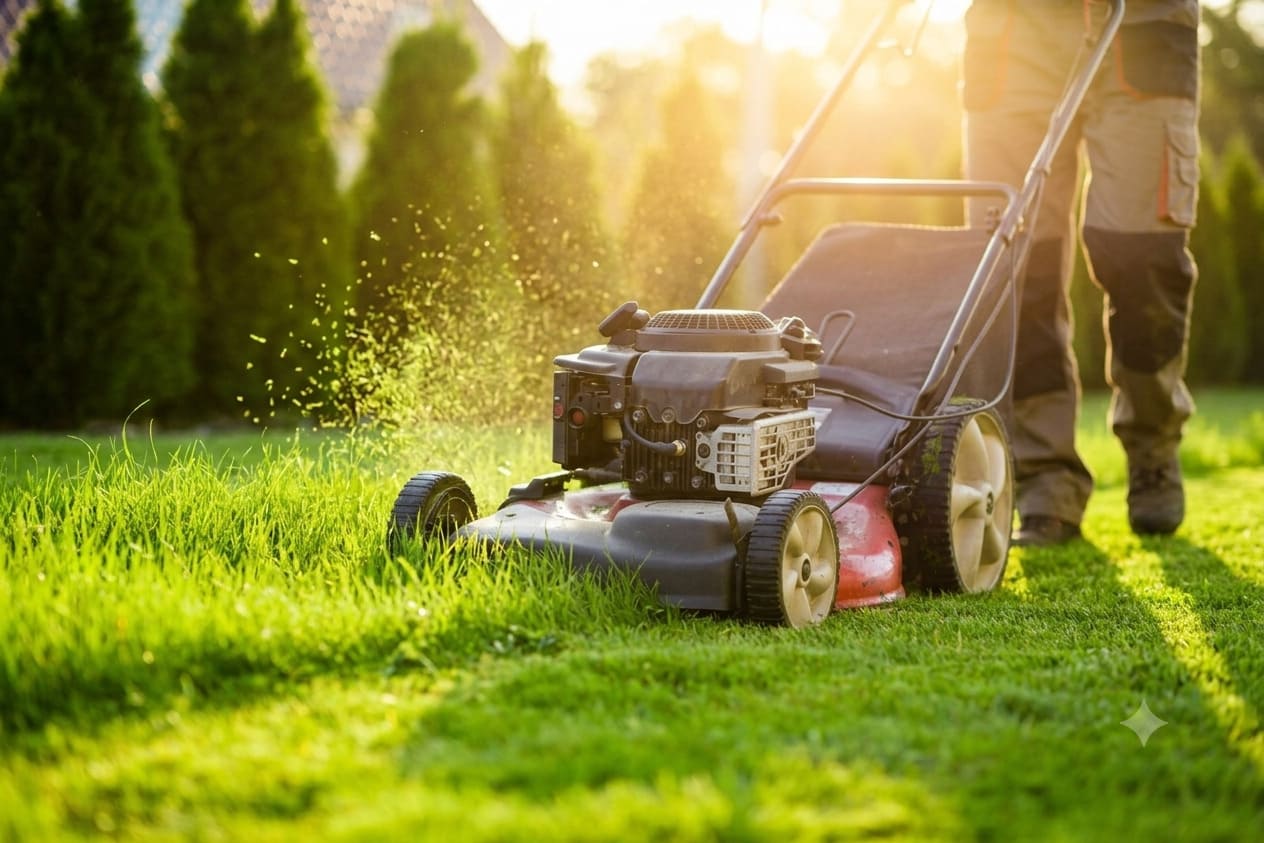
I used to be that neighbour who mowed every Tuesday religiously, rain or shine, heatwave or not. Then came the summer that taught me mowing during extreme heat is basically giving your grass a buzz cut right before sending it into battle.
The height adjustment was my first big revelation. I’d been cutting my perennial ryegrass at 15mm because I thought shorter looked neater. During my first real heatwave experience, my gardener mate took one look at my crispy lawn and asked, “Why are you scalping your grass in this heat?” Turns out, taller grass creates its own shade and retains moisture better.
I bumped my cutting height up to 75mm that summer, and the difference was remarkable. The grass stayed greener longer, and even when it did go dormant, it recovered faster. Taller grass also develops deeper root systems, which is exactly what you want during heat stress.
The one-third rule – never cut more than one-third of the grass blade length – becomes even more critical during heatwaves. I used to cheat this rule when I got busy and missed a week. Big mistake during hot weather. Cutting too much at once shocks the grass and removes the very leaf surface it needs for photosynthesis and moisture retention.
But here’s the controversial part: should you mow at all during extreme heat? I stopped mowing completely during a five-day stretch when temperatures hit over 38°C. My lawn looked a bit scruffy, but it stayed healthier than my buddy’s who kept their regular schedules. Sometimes the best mowing schedule is no mowing schedule.
When I do mow during hot weather, I do it early – before 8 AM if possible. The grass is less stressed, there’s often still some dew for moisture, and I’m not walking around on crispy, vulnerable blades during peak heat hours.
Sharp blades become absolutely crucial during heatwaves. Dull blades tear and shred grass instead of making clean cuts, and those ragged wounds make the grass even more vulnerable to heat stress and disease. I learned this after noticing brown tips on my grass blades after mowing – classic sign of dull blades during stressful conditions.
Soil Protection and Mulching Strategies
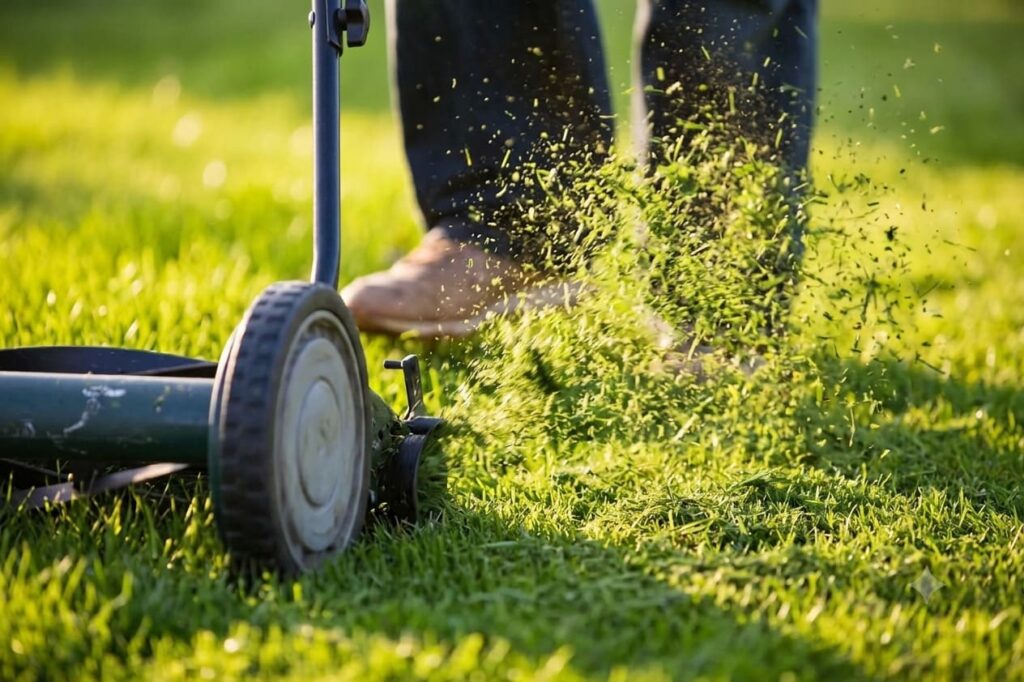
The summer I discovered mulching changed everything. Not decorative mulch around trees – I’m talking about leaving grass clippings on the lawn instead of collecting them up like I’d done for years.
My wife thought I crazy when I started leaving clippings on the lawn. “It looks untidy,” she said. But those clippings became a natural mulch layer that helped retain soil moisture and actually cooled the soil surface by several degrees. Plus, they decompose and feed the grass naturally – brilliant really.
The key with grass clipping mulch is not letting it get too thick. During heatwaves, grass grows slower anyway, so this usually isn’t a problem. But if you do get thick clumps, spread them out with a rake. Thick layers can actually trap heat and create fungal problems.
I also started adding compost to my lawn areas during cooler months to improve the soil’s water-holding capacity. Sandy soil, which I have plenty of in my area, drains too quickly during hot weather. The organic matter helps it hold onto moisture longer between watering sessions.
One trick I learned from an old-timer at the garden centre: creating temporary shade for the most vulnerable areas. During a particularly brutal heatwave, I used shade cloth over the south-facing slope that always fried first. Looked a bit daft, but it saved that section from going completely dormant.
Soil temperature management became an obsession of mine after I started measuring it. Light-coloured surfaces reflect heat, whilst dark surfaces absorb it. I now advise people now to stop using dark mulch of stones near lawn areas and switched to lighter materials where possible. I have even heard of people painting their sprinkler heads white to reduce heat absorption.
The moisture retention strategies that worked best for me were the simple ones. Keeping soil covered with either grass clippings or thin layers of compost made a huge difference. Bare soil in summer heat can reach temperatures that literally cook any roots near the surface.
Fertilising and Chemical Applications in High Heat
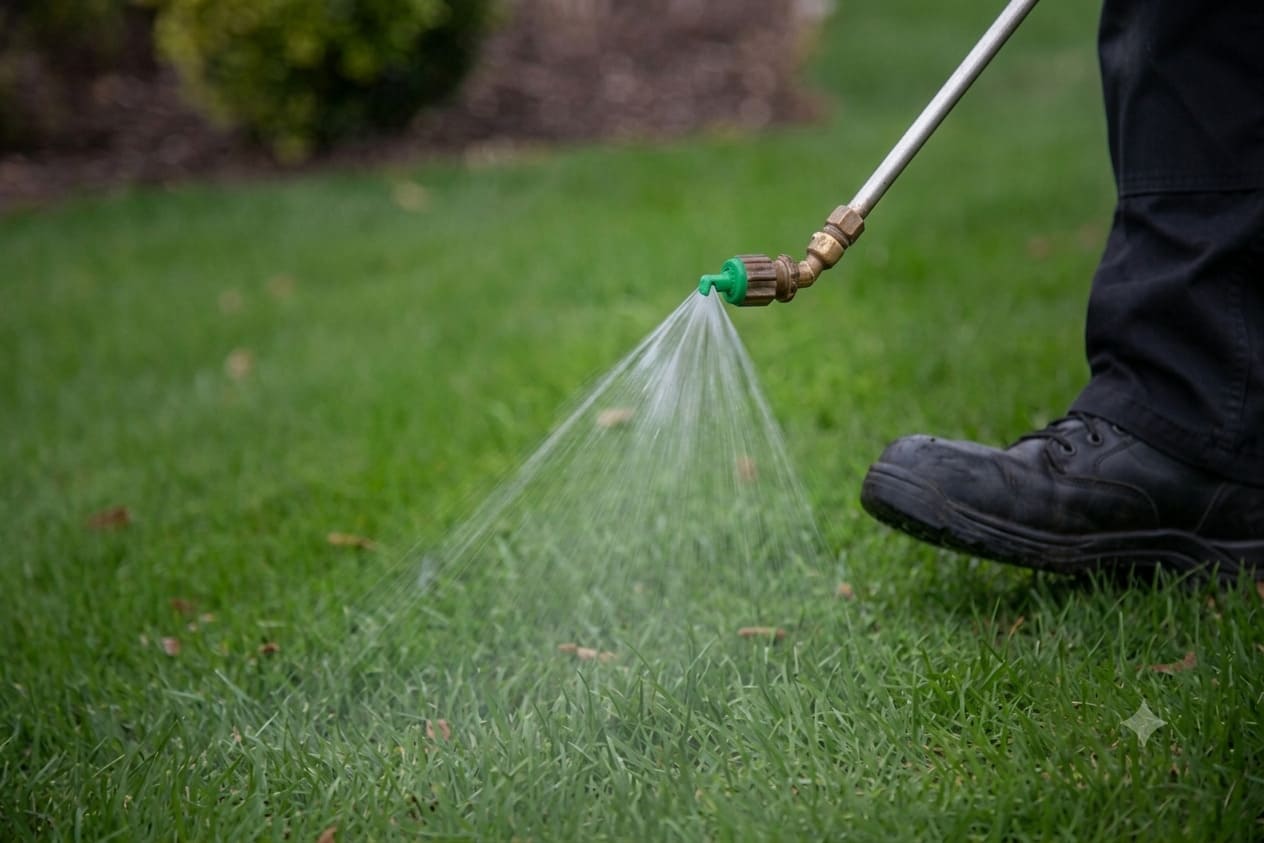
This is where I made some of my biggest mistakes early on. Picture this: it’s 35°C outside, my grass is looking stressed, and my brilliant solution was to give it some high-nitrogen fertiliser to “help it recover.” Yeah, that went about as well as you’d expect.
Nitrogen fertiliser during heatwaves is like giving espresso to someone having a panic attack. It forces the grass to grow when it’s trying to conserve energy, creating even more stress. I learned this after watching my fertilised sections actually brown out faster than the unfertilised areas. Talk about a proper schooling.
The rule I follow now is simple: no nitrogen-heavy fertilisers when daytime temperatures consistently hit above 29°C. If I’m going to fertilise during hot weather, I use a low-nitrogen, high-potassium blend. Potassium helps grass handle stress better – think of it as grass vitamins rather than grass steroids.
Foliar feeding became my secret weapon for heat-stressed lawns. Light applications of my Green Machine – Bio Boost in the early morning can help stressed grass without overwhelming it. I mix it weak – about half the recommended strength – and apply it with a knapsack sprayer when the grass is dry but temperatures are still cool.
Pre-emergent herbicides are tricky during heatwaves. I used to apply them on schedule regardless of weather, but hot soil can make these chemicals more volatile and potentially harmful to existing grass. Now I check soil temperatures first and delay applications if it’s too hot.
The natural versus synthetic debate gets interesting during extreme heat. Synthetic fertilisers can salt-burn grass when it’s already stressed and moisture is limited. Organic options like compost tea or fish emulsion release nutrients more slowly and are less likely to cause additional stress. Though they smell absolutely dreadful – fair warning.
One mistake I see constantly in my neighbourhood is people applying weed-and-feed products during heatwaves. You’re basically asking your stressed grass to process herbicides and fertilisers simultaneously whilst fighting for survival. I save these combination products for spring and autumn when grass can handle the extra workload.
Recovery Strategies After Heat Damage
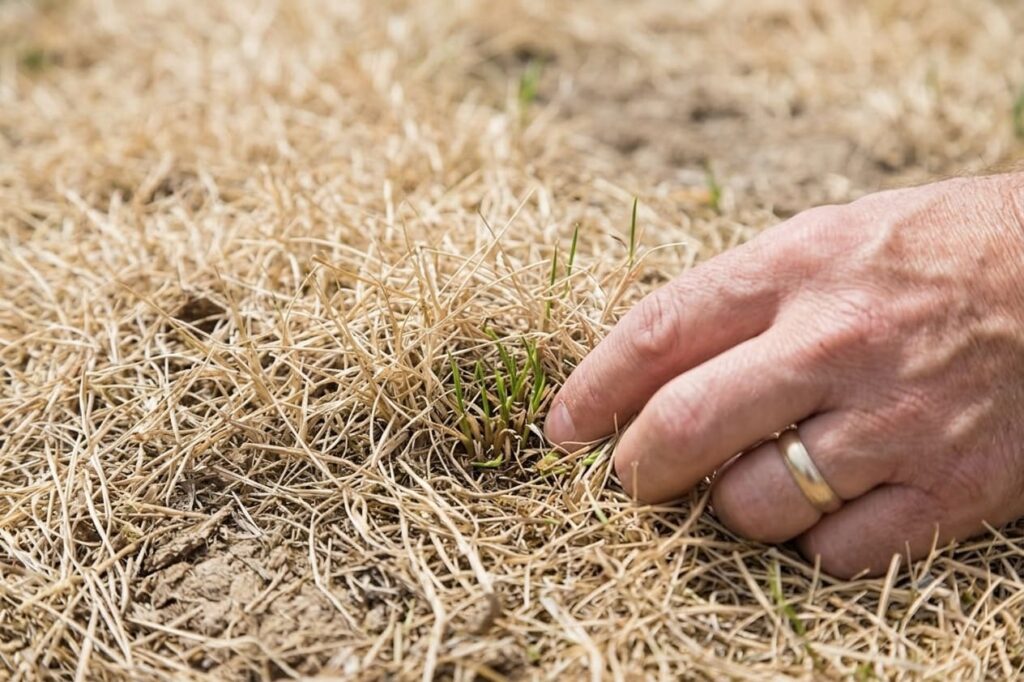
The first time my lawn went completely brown during a heatwave, I was ready to start over with a new lawn. Thankfully, my buddy talked me off that ledge and taught me how to tell the difference between dormant and dead grass.
The tug test became my go-to diagnostic tool. Dormant grass roots are still firmly attached – when you pull on brown blades, they resist. Dead grass pulls up easily, roots and all. This simple test saved me from a lot of unnecessary panic and expense over the years.
Real recovery starts with patience, and trust me I have a lot of patience. I wanted to water the heck out of my brown lawn and get it green again immediately. But grass coming out of heat dormancy needs gradual reintroduction to normal watering schedules. Too much water too fast can actually shock the recovering root system.
My recovery watering schedule starts conservatively – maybe half my normal amount every other day for the first week, then gradually increasing as I see new growth. The first signs of recovery are usually tiny green shoots at the base of brown blades. Gets me proper excited every time I see them.
Overseeding after heat damage timing is crucial. I used to overseed immediately after temperatures cooled, but learned that recovering grass needs time to regain strength before competing with new seedlings. Now I wait at least three to four weeks after seeing consistent new growth before overseeding thin areas.
The hardest part about recovery is distinguishing between areas that will bounce back and spots that actually need reseeding. Areas that were already thin or stressed before the heatwave usually need help. Healthy, thick grass that just went dormant typically recovers on its own given time and proper care.
Professional help versus DIY recovery depends on the extent of damage and your patience level. If more than 40% of your lawn looks truly dead (not just dormant), it might be worth getting a professional assessment. They can soil test, evaluate root systems, and develop a recovery plan that’s more efficient than trial and error.
One thing I wish I’d known earlier: autumn recovery is usually more successful than trying to rush things in late summer. Grass recovering from heat stress does much better when temperatures are consistently cooler and there’s less environmental stress overall.
Conclusion

Caring for your lawn during a heatwave doesn’t have to mean watching it turn brown and hoping for the best. The strategies we’ve covered – from strategic deep watering and adjusted mowing heights to soil protection and gradual recovery techniques – have helped thousands of UK gardeners maintain beautiful lawns even during record-breaking temperatures.
I’ve learned that every lawn is different through years of trial and error. My customers sandy soil requires different strategies than my other customers clay, and perennial ryegrass handles heat differently than the fine fescue down the road. Don’t be afraid to adapt these techniques based on your specific grass type, soil conditions, and local climate patterns.
The key is staying consistent with your care routine whilst being flexible enough to adjust when Mother Nature throws you a curveball. Sometimes the best action is no action – letting your grass go dormant instead of forcing it to stay green can actually be the kindest approach during extreme heat.
Remember, grass has been surviving hot weather a lot longer than we’ve been trying to keep lawns perfect. Work with your grass’s natural survival instincts instead of against them, and you’ll both get through the next heatwave just fine.
What’s your biggest challenge when it comes to keeping your lawn healthy during extreme heat? Have you tried any of these strategies, or do you have techniques that have worked well for your particular situation? Share your experiences with me – I’d love to hear what’s worked (or hasn’t worked) for you!
FAQ – How to Care for Your Lawn in a Heatwave
How often should I water my lawn during a heatwave?
Water deeply 2-3 times per week in early morning (5-7am) rather than daily shallow watering. This encourages deep root growth and better heat resistance.
What's the best grass height during extreme heat
Keep grass 3-4 inches tall during heatwaves. Longer grass shades roots, retains moisture better, and provides natural cooling compared to shorter cuts.
Should I fertilize my lawn during hot weather?
Avoid fertilizing during extreme heat as it can stress and burn grass. Wait until temperatures drop below 80°F or apply a light organic fertilizer in early morning.
Can I still mow my lawn in a heatwave?
Reduce mowing frequency and never cut more than 1/3 of grass height. Mow in early morning or evening when temperatures are cooler to minimize stress.
How do I know if my grass is heat-stressed?
Look for brown patches, footprints that don’t spring back, and grass blades that fold or curl. These are signs your lawn needs immediate deep watering and shade if possible.