
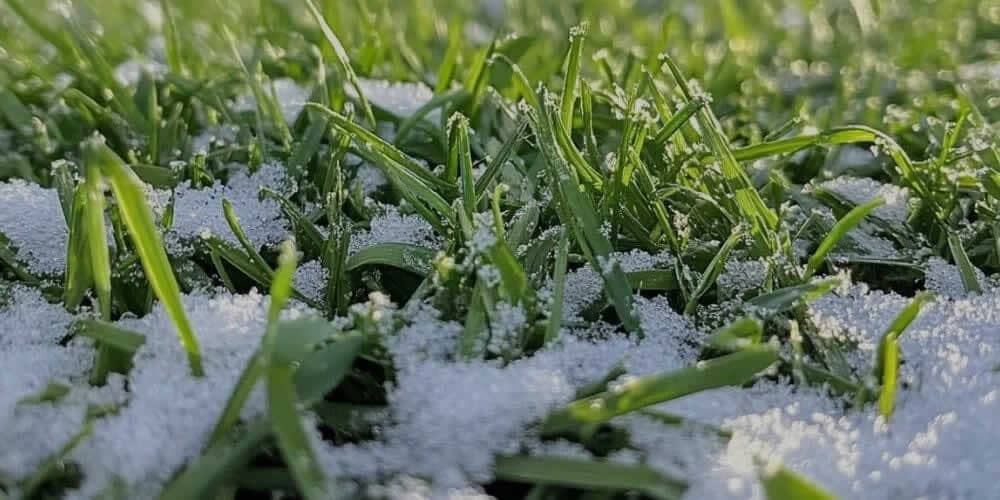
Winter is coming, and your lawn needs protection! Did you know that 73% of lawn problems in spring stem directly from poor winter preparation? It’s a staggering statistic that we see proven time and again across Rotherham and South Yorkshire.
As the temperature drops and shorter days signal autumn’s end, many homeowners make the mistake of simply “switching off” their lawn care routine. But here’s the truth: what you do (or don’t do) in the next few weeks will determine whether you’ll be admiring a lush, green lawn come spring – or facing expensive repairs and patchy grass.
At AJR Lawn Care, we’ve spent over 15 years helping homeowners across the region navigate the critical transition from autumn to winter. We’ve seen beautiful lawns destroyed by neglect and witnessed remarkable transformations when proper winterising steps are followed. The difference? Knowledge and timing.
This comprehensive guide will walk you through every essential step to winterise your lawn properly, ensuring it not only survives our harsh Yorkshire winters but emerges stronger and healthier in spring. Don’t let winter catch you unprepared!
Understanding Your Lawn’s Winter Survival Needs
Before diving into the practical steps, it’s crucial to understand what your lawn faces during a typical UK winter and why preparation matters so much.
The Challenge of UK Winters
British winters present unique challenges that differ significantly from other climates. Our combination of:
- Extended periods of dampness and frost
- Fluctuating temperatures that alternate between freezing and mild
- Limited daylight hours reducing photosynthesis
- Heavy rainfall creating waterlogged conditions
- Salt damage from gritting treatments on nearby roads
All combine to create a hostile environment for grass survival. Without proper preparation, even the healthiest summer lawn can emerge in spring looking tired, patchy, and disease-ridden.
What Happens to Grass in Winter
During winter months, grass enters a state called dormancy – essentially a survival mode where growth slows dramatically. However, this doesn’t mean your lawn stops all biological activity. Root systems continue functioning at reduced levels, and the grass crown (where shoots meet roots) remains the vital centre that determines spring recovery.
Understanding this process helps explain why winter preparation is so important. You’re essentially giving your lawn the best possible foundation for surviving months of challenging conditions.
The Cost of Getting It Wrong
We’ve seen countless Rotherham homeowners face spring disasters because they skipped winter preparation. Common problems include:
- Bare patches requiring expensive overseeding
- Fungal diseases that spread throughout the lawn
- Compacted soil that prevents healthy spring growth
- Weed infestations taking advantage of weakened grass
- Complete lawn renovation projects costing thousands
The good news? All of these problems are preventable with proper winterising techniques.
Essential Pre-Winter Lawn Assessment
Before beginning any winterising work, conduct a thorough assessment of your lawn’s current condition. This evaluation will help you prioritise tasks and address specific problem areas.
Identifying Problem Areas
Walk your entire lawn systematically, looking for:
- Bare or thin patches: These areas are most vulnerable to winter damage and weed invasion
- Compacted soil: Test by pushing a garden fork into the ground – it should penetrate easily
- Drainage issues: Look for areas where water pools after rain
- Thatch buildup: A thick layer of dead grass material at soil level
- Disease symptoms: Brown patches, unusual discolouration, or musty odours
Soil Testing Basics
Understanding your soil’s pH and nutrient levels helps determine what treatments your lawn needs before winter. Most garden centres offer simple soil testing kits, or you can send samples to professional laboratories for comprehensive analysis.
Yorkshire soils tend to be slightly alkaline, but individual gardens can vary significantly. Knowing your soil’s specific needs allows for targeted treatments that improve winter survival rates.
Grass Type Considerations
Different grass types have varying winter requirements:
- Cool-season grasses (common in UK lawns) remain somewhat active through winter
- Fine fescues are generally more winter-hardy but may need extra care in exposed areas
- Ryegrass mixtures require good drainage to prevent winter diseases
Understanding your lawn’s composition helps tailor your winterising approach for maximum effectiveness.
Creating Your Action Plan
Based on your assessment, create a prioritised list of winterising tasks. Focus first on critical issues like drainage problems or lawn disease symptoms, then move on to general maintenance steps.
The Complete Winterising Checklist
Here’s your step-by-step guide to preparing your lawn for winter success:
Final Mowing and Height Management
Your last few cuts before winter are crucial. Grass that’s too long becomes matted and disease-prone, whilst grass cut too short is vulnerable to frost damage.
- Ideal winter height: 5-7cm for most UK grass types
- Gradual reduction: Don’t cut more than one-third of the grass height in a single mow
- Timing: Continue cutting until growth stops completely (usually late November in South Yorkshire)
- Clean cuts: Ensure mower blades are sharp to prevent tearing that invites disease
Comprehensive Leaf and Debris Removal
Building on our previous discussion about leaf management, thorough debris removal is essential for winter lawn preparation:
- Remove all fallen leaves, twigs, and organic matter
- Clear gutters and drains to prevent water overflow onto lawn areas
- Remove any forgotten garden tools or furniture that could create dead spots
- Ensure lawn edges are clean and well-defined
Deep Scarification Process
Scarification removes thatch buildup and allows better air, water, and nutrient penetration:
- Hand scarification: Use a spring-tine rake for smaller areas
- Machine scarification: Rent or hire professional equipment for larger lawns
- Timing: Complete by early October for best recovery before winter
- Depth: Remove thatch layer without damaging grass crowns
- Follow-up: Overseed immediately after scarification if needed
Strategic Aeration Techniques
Compacted soil prevents proper winter drainage and spring recovery:
- Spike aeration: Use a garden fork or spiking tool for moderate compaction
- Core aeration: Remove soil plugs for severely compacted areas
- Timing: Best performed in autumn when soil is moist but not waterlogged
- Pattern: Work systematically across the entire lawn
- Top-dressing: Apply sand/loam mixture to aeration holes for improved drainage
Winter Fertilisation Strategy
Autumn fertilising strengthens grass for winter survival:
- Potassium-rich fertilisers: Improve cold tolerance and disease resistance
- Timing: Apply 6-8 weeks before first expected frost
- Application rate: Follow manufacturer recommendations precisely
- Watering: Ensure fertiliser is watered in thoroughly
- Avoid nitrogen: High-nitrogen feeds encourage soft growth vulnerable to frost
Overseeding and Repair Work
Address thin or bare areas before winter sets in:
- Seed selection: Choose winter-hardy varieties suitable for UK conditions
- Soil preparation: Rake and loosen soil in repair areas
- Timing: Complete by early October for establishment before winter
- Protection: Cover new seed areas with fine netting if necessary
- Watering: Maintain consistent moisture until germination
Advanced Winter Protection Strategies
For lawns requiring extra protection or in particularly challenging locations, consider these advanced techniques:
Drainage Improvements
Poor drainage is the enemy of winter lawn survival:
- French drains: Install in persistently waterlogged areas
- Soil amendments: Add coarse sand or fine gravel to heavy clay soils
- Surface grading: Ensure water flows away from lawn areas
- Gutter extensions: Direct roof water away from grass areas
Frost Protection Methods
In exposed or vulnerable areas:
- Avoid foot traffic: Walking on frosted grass causes permanent damage
- Path creation: Use stepping stones or temporary walkways
- Wind barriers: Install temporary screens in extremely exposed locations
- Mulching: Light mulch application around lawn edges for protection
Disease Prevention Protocols
Proactive disease management prevents winter fungal problems:
- Fungicide applications: Consider preventive treatments in disease-prone areas
- Improved air circulation: Trim back overhanging branches
- Moisture management: Ensure proper drainage and avoid overwatering
- Equipment cleaning: Sterilise tools to prevent disease spread
Winter Feeding Programs
Specialised feeding regimes for premium lawn care:
- Slow-release fertilisers: Provide steady nutrition through winter months
- Organic amendments: Compost or well-rotted manure for soil improvement
- Micronutrient supplements: Iron and magnesium for colour retention
- Timing schedule: Multiple light applications rather than single heavy feeding
Common Winter Preparation Mistakes to Avoid
Learning from others’ mistakes can save you time, money, and frustration:
Over-Fertilising Dangers
Too much nitrogen in autumn creates soft, frost-vulnerable growth. Stick to potassium-rich formulations and follow application rates carefully.
Cutting Grass Too Short
Scalped grass has no protection against frost and is vulnerable to winter kill. Maintain proper cutting heights throughout autumn.
Ignoring Drainage Issues
Waterlogged lawns rarely survive winter intact. Address drainage problems before they become disasters.
Timing Errors
Starting winterising tasks too late reduces their effectiveness. Begin preparation in early autumn for best results.
Equipment Neglect
Using dull mower blades or poorly maintained tools can damage grass and introduce diseases.
Weather Ignorance
Working on frozen or waterlogged lawns causes more harm than good. Time your activities for appropriate weather conditions.
Creating Your Winter Maintenance Schedule
Successful winterising requires proper timing and organisation:
September Tasks
- Begin soil assessment and testing
- Start reducing mowing frequency
- Plan major renovation work
- Order materials and book services
October Activities
- Complete scarification and aeration
- Apply autumn fertiliser
- Undertake overseeding projects
- Begin regular leaf removal
November Preparation
- Final detailed leaf clearance
- Last fertiliser applications
- Complete any remaining repairs
- Prepare equipment for storage
December Finalisation
- Final mowing of the season
- Complete debris removal
- Apply winter protection measures
- Service and store equipment properly
Winter Monitoring
- Regular visual inspections
- Avoid foot traffic on frosted grass
- Clear excessive snow when necessary
- Plan spring renovation projects
Spring Recovery Planning
While winterising focuses on protection, planning for spring recovery ensures your efforts pay off:
Early Spring Assessment
As soon as conditions allow in early spring:
- Assess winter damage honestly
- Identify areas needing repair or renovation
- Test soil conditions after winter
- Plan spring feeding and maintenance schedule
Recovery Timeline
Understanding typical spring recovery patterns helps set realistic expectations:
- March: Initial assessment and planning
- April: First cuts and light feeding
- May: Major renovation work and overseeding
- June: Establishment of new growth and regular maintenance resumption
Professional Support Options
Consider professional assistance for:
- Comprehensive spring lawn assessment
- Major renovation projects
- Specialised treatments and disease management
- Ongoing maintenance programs
Investment in Professional Winterising Services
While many winterising tasks can be completed by homeowners, professional services offer several advantages:
Expertise and Experience
Professional lawn care specialists bring:
- Deep understanding of local soil and climate conditions
- Access to commercial-grade equipment and materials
- Experience identifying and treating specific problems
- Knowledge of optimal timing for various treatments
Time and Convenience
Professional services save you:
- Hours of physical labour
- Research and planning time
- Equipment rental or purchase costs
- Storage and maintenance of specialised tools
Guaranteed Results
Reputable professional services often provide:
- Written guarantees on work performed
- Follow-up assessments and adjustments
- Access to professional-grade materials
- Ongoing support and advice
Cost-Effectiveness
When you factor in:
- Equipment rental costs
- Material purchases
- Time investment
- Risk of mistakes requiring expensive corrections
Professional services often represent excellent value, particularly for larger properties or complex problems.
Conclusion
Winterising your lawn properly is one of the most important investments you can make in your garden’s long-term health and beauty. The steps we’ve outlined in this comprehensive guide – from final mowing and debris removal to advanced drainage improvements and disease prevention – work together to create a protective foundation that will see your lawn through even the harshest Yorkshire winter.
Remember, winter lawn care isn’t just about survival; it’s about setting the stage for spectacular spring recovery. Every hour you invest in proper preparation now saves you days of repair work and hundreds of pounds in renovation costs later. The difference between a lawn that merely survives winter and one that thrives afterwards lies entirely in the preparation.
The key is consistency and timing. Don’t wait until the first frost to begin winterising – start your preparation in early autumn and work systematically through each essential step. Your lawn’s spring beauty depends on the care you provide now.
At AJR Lawn Care, we’ve guided hundreds of Rotherham homeowners through successful winter preparation over the past 15 years. We understand the unique challenges our local climate presents and know exactly what works in South Yorkshire conditions. Whether you choose to tackle winterising yourself using this guide or prefer professional support, the important thing is taking action now.
Don’t let winter catch your lawn unprepared. The few weeks you invest in proper winterising will reward you with months of satisfaction come spring. Your neighbours will wonder how your lawn looks so magnificent while theirs struggle to recover – and you’ll know the secret lies in the preparation work you completed months earlier.
Ready to give your lawn the winter protection it deserves? Contact AJR Lawn Care today for a free winterising consultation. Our expert team will assess your lawn’s specific needs and create a customised preparation plan that ensures optimal winter survival and stunning spring recovery. Don’t gamble with your lawn’s health – let our experience work for you.
Frequently Asked Questions
When should I stop mowing my lawn before winter?
You should continue mowing until grass growth stops completely, typically in late November or early December in South Yorkshire. The key is maintaining the proper height (5-7cm) rather than stopping at a specific date. Keep cutting as long as the grass is growing, but reduce frequency as growth slows. Your final cut should leave grass at winter height to prevent matting while providing adequate protection against frost.
Should I apply fertiliser to my lawn before winter?
Yes, but only potassium-rich autumn fertilisers designed for winter preparation. Apply these 6-8 weeks before your first expected frost (usually September in South Yorkshire). Avoid nitrogen-heavy fertilisers in autumn as they encourage soft growth that’s vulnerable to frost damage. Potassium strengthens grass cell walls and improves cold tolerance, helping your lawn survive winter conditions better.
Is it necessary to aerate my lawn every autumn?
Annual aeration isn’t always necessary, but it’s beneficial for most UK lawns due to our heavy clay soils and wet climate. If your lawn experiences regular foot traffic, shows signs of compaction, or has drainage issues, annual autumn aeration is highly recommended. Light, sandy soils may only need aeration every 2-3 years, whilst heavy clay soils benefit from annual treatment.
What's the biggest mistake homeowners make when preparing lawns for winter?
The most common and costly mistake is leaving lawn preparation too late. Many homeowners wait until November or December to begin winterising, but key tasks like overseeding, fertilising, and major repairs need to be completed by early October for best results. Starting preparation in September gives your lawn time to establish treatments before winter stress begins.
How can I tell if my lawn has survived winter successfully?
Signs of successful winter survival include even green-up in spring (typically March-April), minimal bare patches, no signs of fungal diseases like snow mould, and grass that feels firm underfoot rather than soft or spongy. Healthy lawns should show new growth within 2-3 weeks of spring temperatures returning. If you notice large bare areas, persistent brown patches, or musty odours, your lawn may need professional assessment and treatment.



