
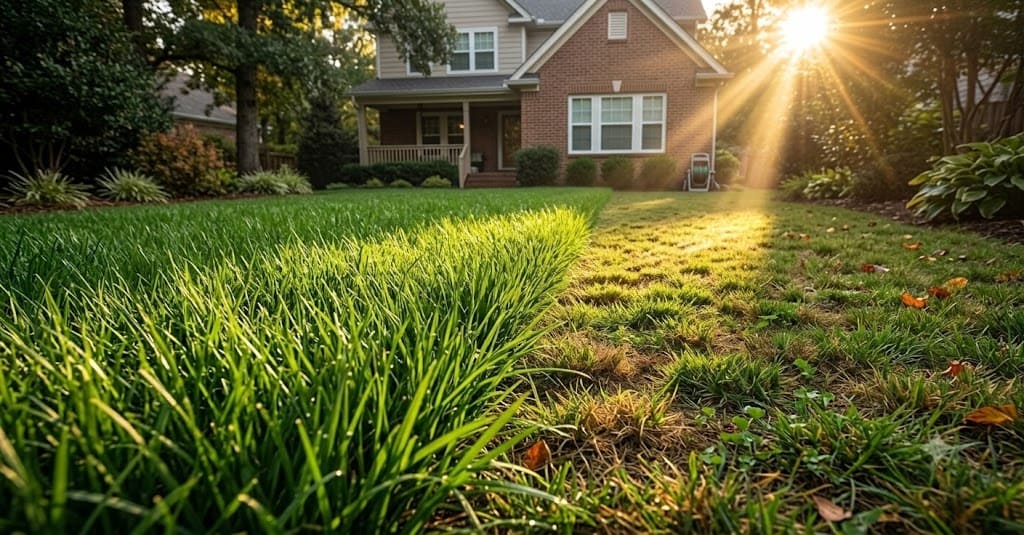
Did you know that cutting your grass at the wrong time can actually damage your lawn and stress your plants? Many UK homeowners unknowingly harm their gardens by mowing too frequently or at inappropriate times!
Correct lawn care isn’t just about keeping your garden looking tidy – it’s about understanding when your grass needs cutting and, equally important, when it absolutely doesn’t. From seasonal considerations to daily timing, there’s a science behind achieving that perfect British lawn. Whether you’re dealing with the unpredictable British weather or trying to maintain your garden’s health year-round, knowing when to wield that mower can make all the difference between a thriving green space and a stressed, patchy mess.
The Best Times of Year to Cut Your Grass in the UK
Understanding seasonal grass growth patterns is crucial for maintaining a healthy lawn throughout the year. British grass follows distinct seasonal cycles that dictate when cutting is beneficial and when it can be harmful.
Spring Lawn Care marks the beginning of active growth season. From March through May, your grass emerges from winter dormancy and begins its most vigorous growing period. Start with your first cut when grass reaches about 7-8cm in height, typically in late March or early April, depending on your location. Begin with a higher cutting height than usual – around 4-5cm – to avoid shocking the grass after its winter rest.
During spring, you’ll gradually increase cutting frequency from fortnightly to weekly as growth accelerates. This is when your lawn builds energy reserves for the challenging summer months ahead. Pay particular attention to new growth patterns and avoid cutting if late frosts are forecast, as freshly cut grass is more vulnerable to cold damage.
Summer Lawn Care presents the peak maintenance challenge. June through August sees the fastest grass growth, requiring weekly cutting in most UK regions. However, this is also when you need to be most careful about timing and technique. During hot spells, raise your cutting height to 5-6cm to help grass retain moisture and protect roots from scorching sun.
Autumn Lawn Care requires a strategic approach to winter preparation. September through November sees gradually slowing growth rates. Reduce cutting frequency from weekly to fortnightly, then monthly as temperatures drop. Your final cut should typically occur in late October or early November, depending on weather conditions. This final cut should be slightly shorter than summer cuts – around 3-4cm – to prevent fungal diseases during winter months.
Winter Lawn Care is nature’s rest period. December through February, grass enters dormancy and cutting should cease entirely. Any attempts to cut during this period can damage grass crowns, create entry points for disease, and stress the plant when it has no energy reserves to recover.
Daily and Weekly Timing: When to Get the Mower Out
The timing of your grass cutting during the day and week significantly impacts your lawn’s health and your cutting effectiveness. Understanding these patterns helps you achieve better results with less effort.
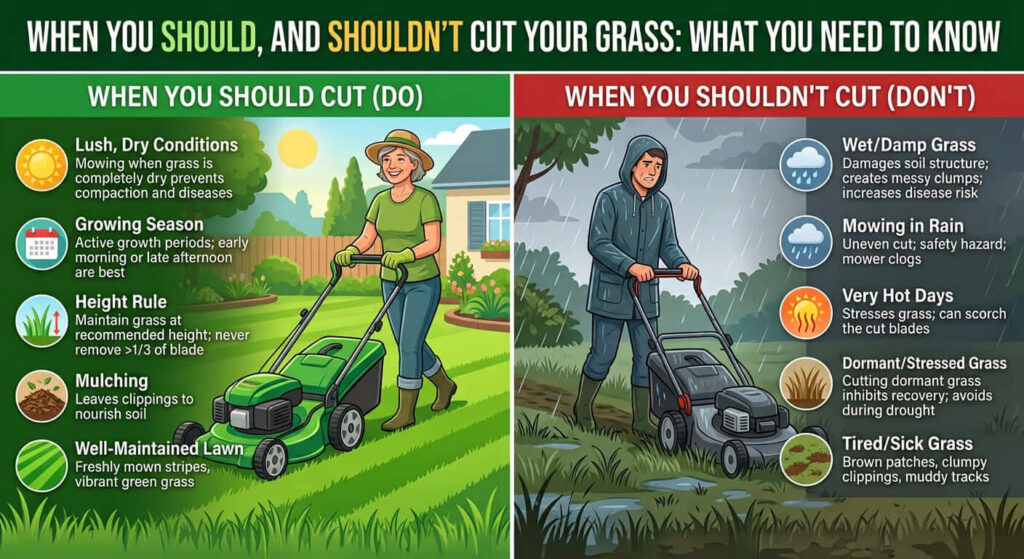
Late morning emerges as the optimal cutting window. Between 10am and 12pm, morning dew has evaporated but afternoon heat hasn’t peaked. Grass blades are dry, reducing disease risk and ensuring clean cuts. Your mower will perform better, and you’ll avoid the stress of cutting during the hottest part of the day.
Avoid early morning cutting before 9am when dew is still present. Wet grass clumps together, creating uneven cuts and potentially clogging your mower. The moisture also creates ideal conditions for fungal spores to spread, increasing lawn disease risk across your lawn.
Evening cutting after 6pm poses similar problems. Grass doesn’t have time to dry and recover before nightfall, leaving it vulnerable to fungal infections. Additionally, evening moisture begins settling just as you’re creating fresh cuts – a perfect storm for lawn diseases.
Weekly frequency depends entirely on growth rate and season. During peak growing season (May-July), most UK lawns benefit from weekly cutting. Spring and early autumn might require fortnightly maintenance, while late autumn extends to monthly intervals.
The one-third rule remains your most important guideline: never remove more than one-third of the grass blade length in a single cutting. If your grass has grown too long, make multiple cuts over several days rather than shocking it with one severe trim.
Watch for visual cues that indicate cutting needs. Grass that’s leaning over, losing its upright structure, or showing yellowing at the base typically needs attention. However, if growth has slowed significantly, resist the urge to cut just for aesthetic reasons.
Weather Conditions That Should Stop You Cutting
British weather presents unique challenges for lawn maintenance, and recognising when conditions make cutting inadvisable can save your lawn from significant damage.
Wet conditions top the list of cutting no-nos. Moisture on grass blades creates multiple problems: uneven cuts that tear rather than slice cleanly, increased disease transmission, and potential equipment damage. Wet grass also compacts more easily under foot traffic, leading to soil compaction that restricts root growth.
Wait at least 24 hours after rainfall before cutting, and longer if your soil retains moisture. Sandy soils drain faster than clay, so adjust timing accordingly. Test by walking across your lawn – if you leave visible footprints or the grass feels spongy, wait longer.
Drought conditions require careful consideration. During extended dry periods, grass enters survival mode, slowing growth and conserving moisture. Cutting during drought stress removes valuable leaf area needed for photosynthesis and moisture retention. If you must cut during dry spells, raise your cutting height significantly and consider whether cutting is truly necessary.
Extreme heat poses serious risks. When temperatures exceed 25°C, particularly during midday hours, cutting can shock already stressed grass. The combination of heat stress and cutting trauma can cause permanent damage, especially to cool-season grasses common in the UK.
Frost and freezing conditions make grass brittle. Cutting frozen or frost-covered grass breaks cell walls, creating brown, damaged tips that take weeks to recover. This damage also creates entry points for winter diseases that can devastate lawns.
Strong winds above 15mph make cutting difficult and potentially dangerous. Grass clippings blow unevenly, equipment becomes harder to control, and you’re more likely to miss patches or cut unevenly.
Signs Your Grass Needs a Break from Cutting
Recognising when your lawn is under stress helps prevent long-term damage and promotes healthier growth patterns. Stressed grass cannot recover from cutting trauma and may suffer permanent damage if mowing continues.
Discolouration signals immediate cutting cessation. Brown patches, yellowing tips, or purple tinges indicate stress from drought, disease, or nutrient deficiency. Cutting stressed grass diverts energy from recovery to healing cut wounds, prolonging problems and potentially creating permanent bare spots.
New seed areas require special protection. Recently seeded sections need 6-8 weeks to establish before first cutting, and even then, initial cuts should be light and infrequent. Young grass lacks the root system to recover from cutting stress, and premature mowing can kill seedlings entirely.
Recently laid turf needs careful handling. New turf requires 2-3 weeks to establish root connections with underlying soil. Cutting too early can lift sections of turf, creating gaps and uneven surfaces. Wait until turf feels firmly attached when gently tugged.
Disease symptoms demand immediate cutting avoidance. Fungal infections, rust, or bacterial problems spread rapidly through fresh cuts. Common UK lawn diseases like fairy ring, red thread, or dollar spot become worse when cutting continues during active infection periods.
Post-treatment recovery periods are crucial. After fertilising, overseeding, or applying treatments, grass needs time to absorb nutrients and recover. Cutting within 48-72 hours of treatment can reduce effectiveness and stress plants trying to process amendments.
Pest activity also indicates cutting delays. Chafer grub damage, leatherjacket problems, or other pest issues require grass to focus energy on recovery rather than healing from cuts.
Grass Type Considerations for UK Gardens
British gardens typically feature cool-season grasses that thrive in our temperate climate, but each grass type has specific cutting requirements that influence timing and frequency decisions.
Ryegrass dominates UK lawns due to its durability and fast establishment. This robust grass tolerates frequent cutting during growing season but requires higher cutting heights during stress periods. Ryegrass recovers quickly from proper cutting but suffers when cut too short or too frequently during slower growth periods.
Fine fescue varieties prefer less frequent cutting. These grasses, common in shaded areas and low-maintenance gardens, grow more slowly and require cutting only when they exceed 8-10cm height. Cutting fescue too frequently weakens its natural drought tolerance and disease resistance.
Bentgrass, found in premium lawns, requires the most careful timing. This delicate grass needs regular cutting during peak season but cannot tolerate stress cutting. Monitor bentgrass closely for signs of stress and adjust cutting schedules accordingly.
Mixed grass lawns present unique challenges. Most UK gardens contain multiple grass types, requiring compromise in cutting schedules. Focus on the needs of your dominant grass type while monitoring minority grasses for stress indicators.
Regional variations across the UK affect cutting timing significantly. Scottish gardens typically start later and finish earlier due to cooler temperatures and shorter growing seasons. Northern England follows similar patterns, while southern regions may extend cutting seasons by 2-4 weeks on either end.
Coastal areas experience different growing patterns due to salt exposure and maritime climate influences. These areas often require more frequent summer cutting but earlier autumn cessation to prepare for winter storms.
Common Grass Cutting Mistakes That Damage Your Lawn
Even well-intentioned homeowners make cutting errors that compromise lawn health and create long-term problems requiring expensive remediation.
Scalping ranks as the most damaging mistake. Cutting grass shorter than 3cm removes growth points and exposes soil to direct sunlight, creating ideal conditions for weeds and moss. Scalped areas take months to recover and often require reseeding.
Dull mower blades create torn, frayed cuts that turn brown within days and provide entry points for diseases. Sharp blades make clean cuts that heal quickly and maintain green colour. Sharpen blades at least twice per season, or more frequently if you notice brown tips appearing after cutting.
Ignoring growth patterns leads to unnecessary stress. Cutting weekly out of habit, regardless of actual growth, wastes energy and potentially harms slow-growing grass. Learn to read your lawn’s needs rather than following rigid schedules.
Cutting in the same pattern every time creates soil compaction and wear patterns. Vary your mowing direction – north-south one week, east-west the next – to promote upright growth and prevent wheel ruts.
Wrong cutting height for conditions represents another common error. Cutting too short during drought stress removes shade from soil and grass crowns. Conversely, leaving grass too long during wet periods creates disease-friendly conditions.
Equipment maintenance neglect affects cutting quality and lawn health. Dirty air filters, old fuel, and poorly maintained engines create uneven cutting speeds and inconsistent results.
Further Reading: Lawn Mowing & Grass Cutting Tips
Tools and Techniques for Proper Grass Cutting
Selecting appropriate equipment and employing proper techniques significantly impacts your grass cutting success and lawn health outcomes.
Mower selection depends on garden size and grass type. Small gardens under 100 square metres work well with cylinder mowers that provide the cleanest cuts. Medium gardens (100-500 square metres) benefit from electric rotary mowers offering good cut quality with manageable weight. Larger spaces require petrol mowers with sufficient power for consistent cutting speed.
Cutting height adjustment capabilities are essential. Your mower should easily adjust between 2.5cm and 7cm cutting heights to accommodate seasonal needs and stress conditions. Fixed-height mowers limit your ability to respond to changing grass conditions.
Blade maintenance determines cut quality more than mower cost. Sharp blades slice cleanly through grass, promoting faster healing and healthier appearance. Dull blades tear and bruise grass, creating brown tips and disease entry points. Professional sharpening costs £15-25 but extends blade life and improves results dramatically.
Proper cutting patterns prevent soil damage and promote even growth. Change direction weekly to prevent soil compaction and encourage upright grass growth. Overlapping passes by 5-10cm ensures complete coverage without missing patches.
Grass collection versus mulching depends on conditions and grass length. Collect clippings when grass is long, wet, or diseased to prevent smothering and disease spread. Mulch shorter clippings during normal conditions to return nutrients to soil.
Safety equipment protects you and your neighbours. Eye protection prevents debris injuries, while ear protection preserves hearing during extended cutting sessions. Steel-toed shoes protect feet from rotating blades, and long trousers shield legs from flying debris.
Consider neighbourhood impact when timing cutting sessions. Avoid early morning or late evening cutting that disturbs neighbours, and be mindful of noise restrictions in residential areas.
Further Reading: Essential Lawn Care Tools Every Homeowner Needs for a Perfect Lawn
Conclusion
Understanding when to cut your grass – and crucially, when not to – is fundamental to maintaining a healthy, vibrant lawn that’s the envy of your neighbourhood. By following seasonal patterns, respecting weather conditions, and recognising signs of grass stress, you’ll develop the intuition needed for proper lawn care.
Remember, sometimes the best thing you can do for your grass is absolutely nothing! Your lawn will reward patience and proper timing with stronger growth, better disease resistance, and that coveted deep green colour we all want. The key lies in working with your grass’s natural rhythms rather than against them.
Weather conditions, seasonal changes, and grass health indicators provide clear guidance when you learn to read them properly. Trust these signals over rigid schedules, and your lawn will thrive year-round.
Ready to transform your approach to lawn care? Start by observing your grass more closely this week – you might be surprised by what it’s trying to tell you about when it needs attention and when it needs rest. Your garden will thank you for the extra consideration!
Frequently Asked Questions
How often should I cut my grass in the UK?
During peak growing season (May-July), cut weekly. In spring and early autumn, cut fortnightly. Late autumn requires monthly cutting, while winter cutting should be avoided entirely. Always follow the one-third rule – never remove more than one-third of grass blade length in a single cut.
What time of day is best for cutting grass?
Late morning between 10am and 12pm is optimal. Morning dew has evaporated but afternoon heat hasn’t peaked. Avoid cutting before 9am when grass is wet with dew, or after 6pm when evening moisture begins settling.
Should I cut grass when it's wet?
Never cut wet grass. Wet conditions create uneven, torn cuts that turn brown and increase disease risk. Wet grass also clumps together, potentially clogging your mower and creating an uneven finish. Wait at least 24 hours after rainfall before mowing.
What height should I cut my grass in the UK?
Maintain 4-5cm height during normal conditions. Raise to 5-6cm during hot, dry weather to help grass retain moisture. Lower to 3-4cm for the final autumn cut to prevent winter fungal diseases. Never cut shorter than 2.5cm as this can damage grass crowns.
When should I stop cutting grass for winter?
Stop cutting by late October or early November when grass growth slows significantly. Your final cut should be slightly shorter than summer cuts (3-4cm) to prevent fungal diseases during winter months. Resume cutting in late March or early April when new growth appears.



