

Picture this: you’ve finally got a free Saturday to tackle the garden, but typical British weather has left your lawn looking more like a soggy cricket pitch than the pristine green you’re aiming for. Sound familiar? With the UK receiving an average of 133 days of rain per year, many homeowners find themselves asking the crucial question: “Can I actually cut wet grass?”
The short answer might surprise you! While it’s generally not recommended, there are circumstances where mowing damp grass becomes unavoidable. Whether you’re dealing with a spring growth spurt after weeks of April showers or trying to tame an overgrown lawn before the neighbours start complaining, understanding when and how to tackle wet grass can save your weekend plans and keep your garden looking its best.
Why Cutting Wet Grass Is Generally Not Recommended
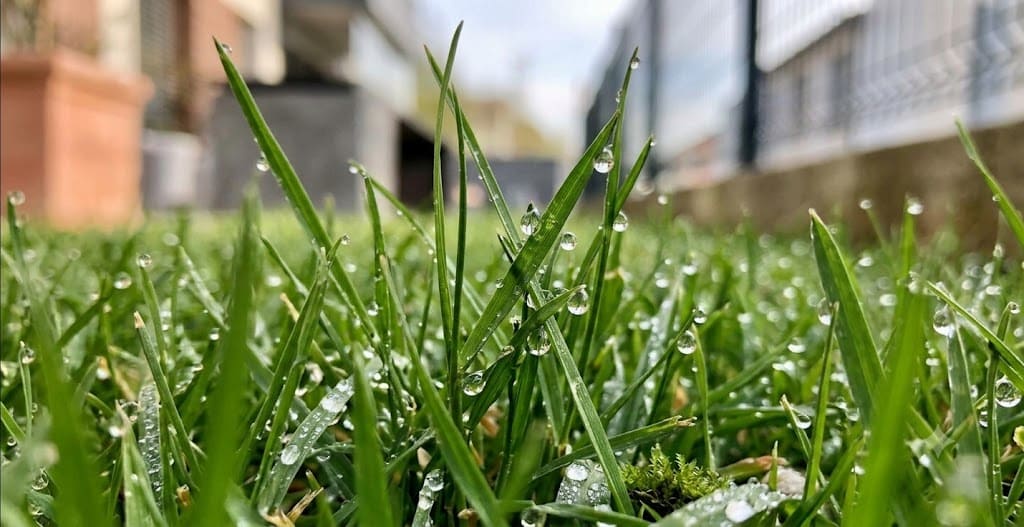
Let’s be honest – most gardening experts will tell you to avoid cutting wet grass entirely, and there are compelling reasons why. When grass is saturated with moisture, it becomes significantly heavier and more difficult for your mower to process effectively. The additional weight puts extra strain on your mower’s engine, potentially leading to overheating or mechanical failure.
Safety concerns top the list of reasons to avoid wet grass mowing. Slippery conditions dramatically increase your risk of accidents, whether you’re using a walk-behind mower or a ride-on model. Wet grass creates treacherous footing, and the combination of moisture and electrical equipment poses genuine electrocution risks with corded electric mowers.
From a lawn health perspective, cutting wet grass often results in torn rather than cleanly cut blades. This ragged cutting creates entry points for diseases and pests, potentially compromising your lawn’s long-term health. Additionally, wet clippings tend to clump together, forming dense mats that can smother the grass beneath and create unsightly brown patches.
The technical challenges are equally problematic. Wet grass clippings frequently clog mower decks, chutes, and collection bags, requiring constant stopping to clear blockages. This not only makes the job frustrating but can also damage your equipment’s mechanisms over time.
The Risks of Mowing Wet Grass in the UK Climate
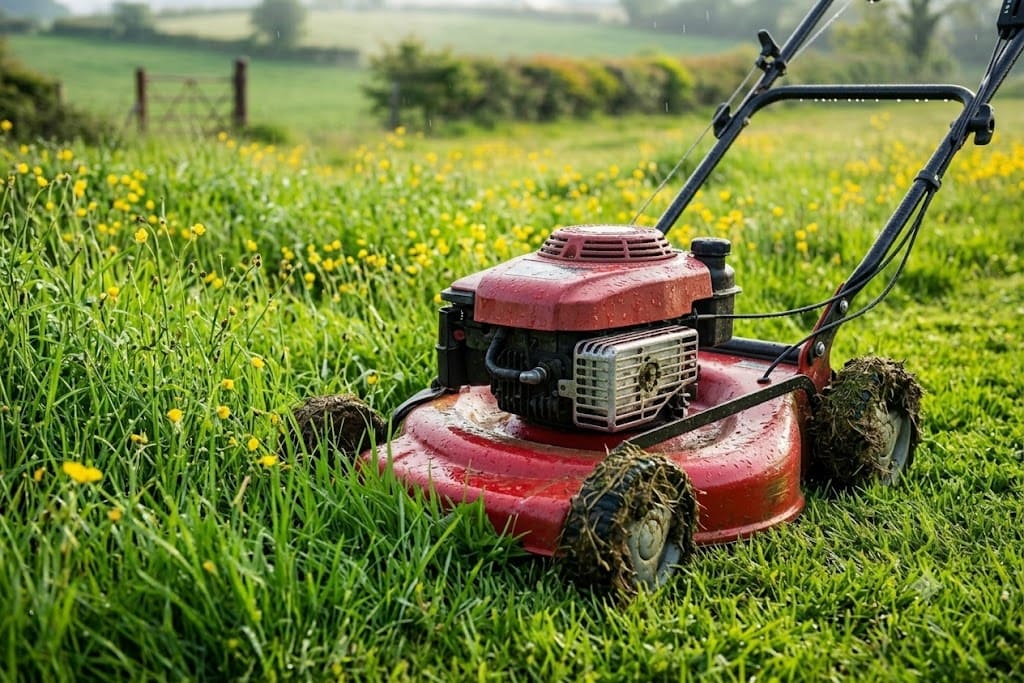
Our British climate presents unique challenges that compound the typical risks of wet grass mowing. The persistent dampness common throughout much of the year means grass rarely gets the chance to dry completely, especially during autumn and winter months. This creates a cycle where homeowners feel pressured to mow regardless of conditions.
Different mower types respond differently to wet conditions. Rotary mowers, the most common type in UK gardens, struggle particularly with wet grass as their horizontal blade design tends to mash rather than cut saturated grass blades. Cylinder mowers fare slightly better due to their scissor-like cutting action, but they’re still not ideal for wet conditions.
Electric mowers pose additional safety risks in wet conditions. Even with modern safety features, the combination of water and electricity should never be taken lightly. Battery-powered models reduce electrocution risks but can suffer from reduced performance and shortened battery life in demanding wet conditions.
British gardens often feature slopes and uneven terrain that become particularly hazardous when wet. What might be a manageable incline in dry conditions can become dangerously slippery when moisture is present, increasing the risk of losing control of your mower.
The seasonal nature of UK grass growth compounds these issues. Spring growth spurts coincide with our wettest periods, creating situations where rapidly growing grass meets persistently wet conditions. This timing mismatch forces many homeowners into difficult decisions about lawn maintenance.
When You Might Need to Cut Wet Grass (Emergency Situations)
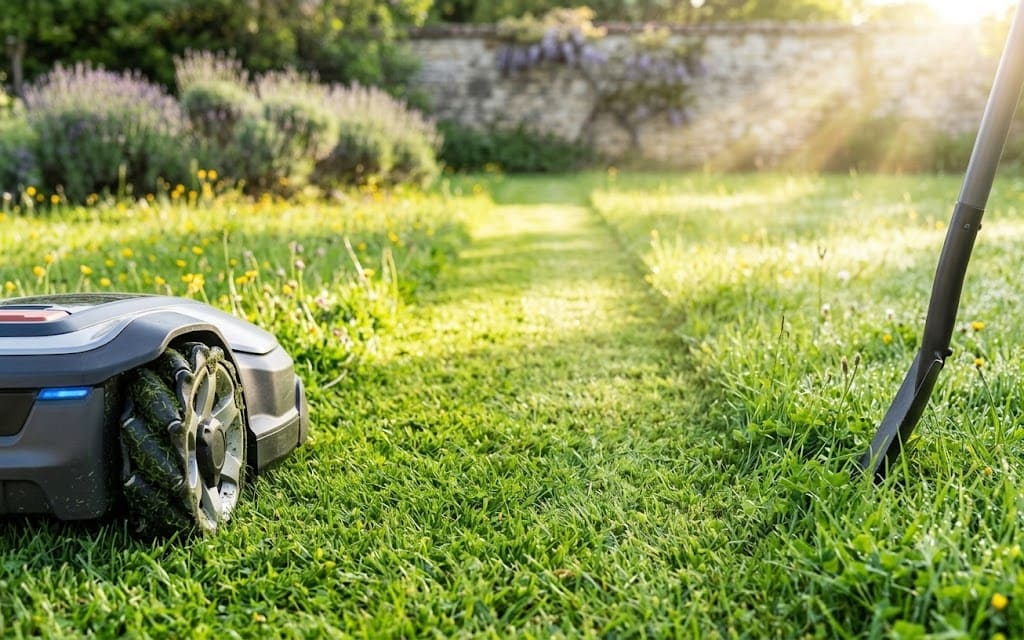
Despite all the warnings, real life sometimes demands flexibility. There are legitimate circumstances where cutting wet grass becomes the lesser of two evils. Planning a garden party or wedding reception might force your hand when the weather forecast shows no dry spells for weeks ahead.
Council regulations and neighbour relations can create pressure to maintain your lawn regardless of conditions. Some local authorities have regulations about grass height, and overgrown lawns can strain neighbourhood relationships. These social pressures sometimes outweigh the technical disadvantages of wet grass cutting.
Holiday preparations present another common scenario. If you’re leaving for a fortnight’s holiday and the grass is already approaching ankle height, you might decide that cutting it wet is preferable to returning to a jungle. Rapidly growing grass can double in height during a typical UK holiday period, especially during spring and early summer.
Commercial lawn care providers often face scheduling pressures that make waiting for perfect conditions impractical. Professional gardeners develop techniques for managing wet conditions out of necessity, though they generally charge premium rates for wet weather work due to the additional challenges involved.
Emergency situations occasionally arise where safety concerns about overgrown grass outweigh mowing risks. Grass tall enough to hide obstacles, attract pests, or create fire hazards might need immediate attention regardless of moisture levels.
How to Safely Cut Wet Grass: Expert Tips and Techniques
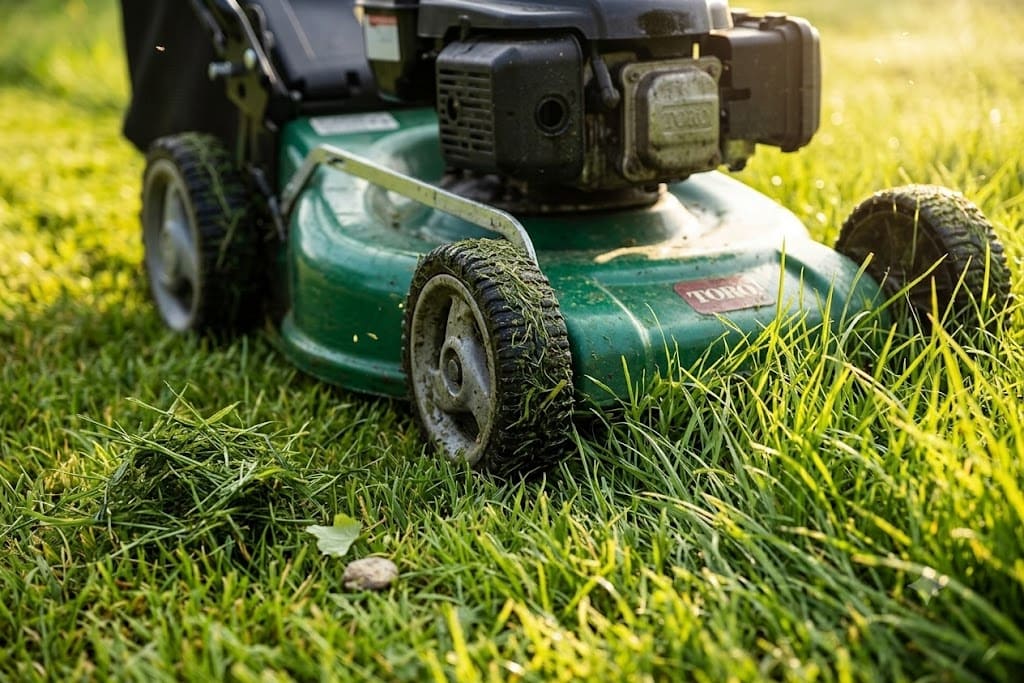
If circumstances force you to cut wet grass, proper preparation and technique can minimise risks and damage. Start by assessing the situation honestly – if you can squeeze water from grass blades by hand, conditions are probably too wet for safe mowing. Light morning dew or barely damp grass presents manageable conditions, whilst sodden turf should ideally be left alone.
Safety equipment becomes absolutely critical in wet conditions. Non-slip footwear with deep treads is essential – regular trainers simply won’t provide adequate grip on wet grass. Consider rugby or football boots for maximum traction on challenging terrain. Waterproof clothing protects you from spray and helps maintain grip on mower handles.
Adjust your mower settings for wet conditions. Raise the cutting height significantly – wet grass should never be cut shorter than 5cm to avoid scalping and reduce stress on already compromised grass plants. Sharp blades become even more important when dealing with tough, wet grass stems. Dull blades will tear rather than cut, exacerbating the damage wet conditions already cause.
Mowing speed requires dramatic adjustment in wet conditions. Move at roughly half your normal pace to allow the mower’s mechanisms time to process the heavier, more challenging grass. Rushing leads to poor cutting results, increased clogging, and higher accident risks.
Pattern selection matters more in wet conditions. Avoid turning sharply or mowing across slopes wherever possible. Straight lines with wide, gentle turns reduce slipping risks and prevent turf damage from wheel spin. Consider mowing in strips, clearing clippings frequently to prevent overwhelming your mower’s capacity.
Best Mower Types for Occasional Wet Grass Cutting
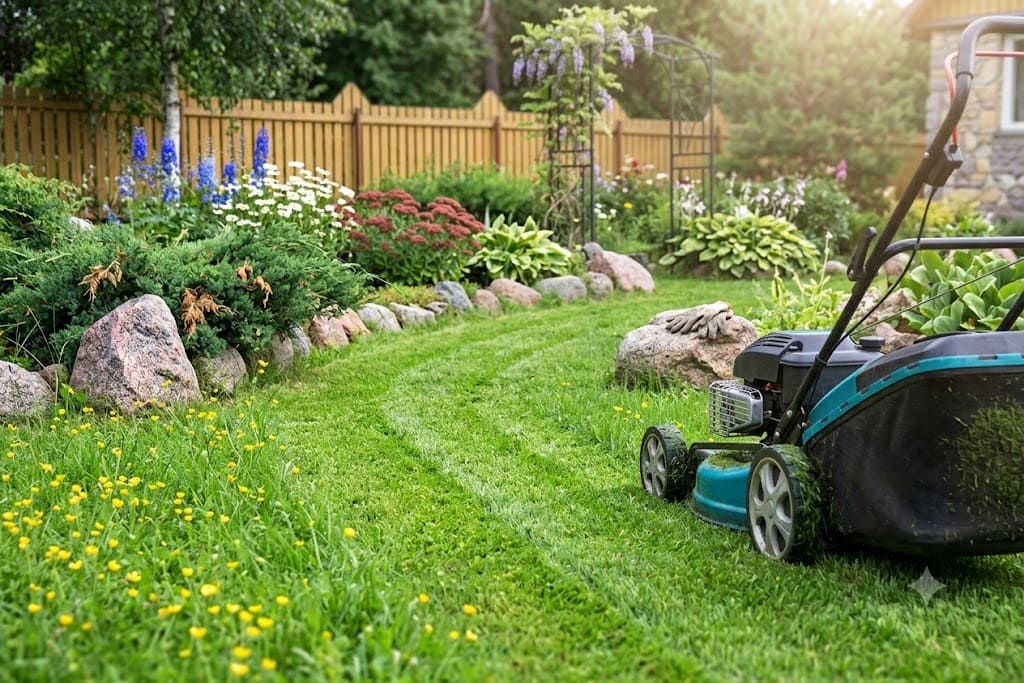
Not all mowers handle wet conditions equally. Petrol-powered rotary mowers generally cope best with wet grass due to their higher power output and ability to maintain consistent blade speed under load. However, they’re heavier and can cause more soil compaction on saturated ground.
Electric mowers present mixed results in wet conditions. Corded models should be avoided entirely due to safety risks, whilst battery-powered alternatives offer safer operation but often lack the power needed for effective wet grass cutting. Premium battery mowers with brushless motors perform better than entry-level models, but runtime typically decreases significantly in demanding conditions.
Cylinder mowers traditionally handle wet grass better than rotary designs due to their scissor-like cutting action. However, they require more frequent adjustment and maintenance when used in challenging conditions. The precision cutting action can become ineffective if grass stems bend away from the cutting cylinder.
Mulching mowers face particular challenges with wet grass. The extended processing time required to chop clippings finely often overwhelms the mower’s capacity when dealing with heavy, wet material. Side-discharge models typically perform better in wet conditions as they don’t attempt to process clippings multiple times.
Professional-grade equipment includes features specifically designed for challenging conditions. Commercial mowers often feature more powerful engines, better clog-resistant deck designs, and enhanced safety features. However, the cost puts them beyond most domestic budgets.
For homeowners facing regular wet mowing requirements, investing in a quality petrol rotary mower with side discharge capability offers the best compromise between performance, reliability, and cost-effectiveness.
Alternatives to Cutting Wet Grass
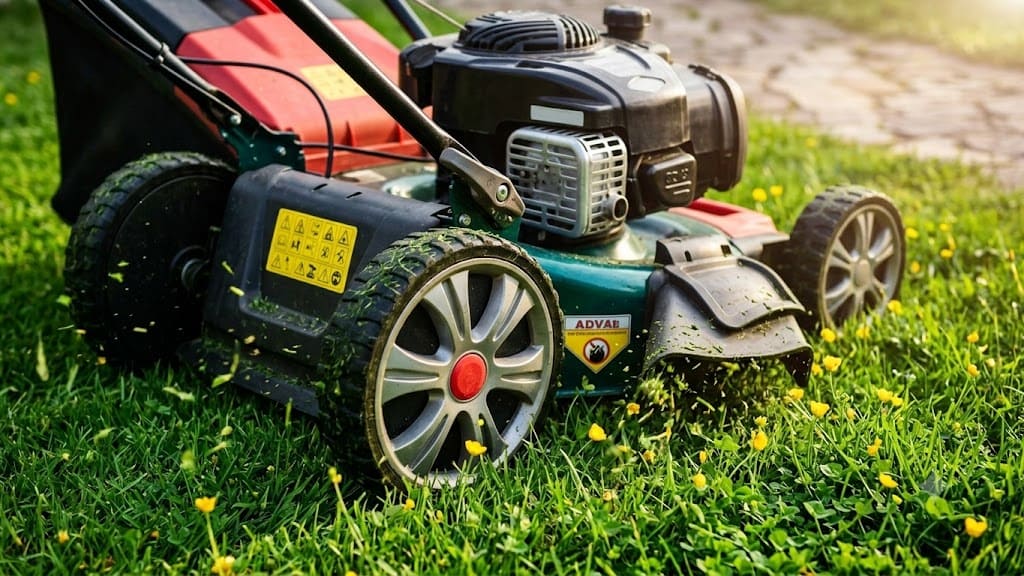
Smart planning represents the best alternative to wet grass cutting. Modern weather forecasting allows reasonably accurate prediction of dry spells, enabling strategic timing of mowing activities. Keeping a flexible schedule and prioritising mowing during dry periods prevents most wet cutting emergencies.
Grass growth regulators offer a chemical solution to frequent mowing requirements. These products slow grass growth rates, reducing cutting frequency and providing more opportunities to mow during dry conditions. However, they require careful application and aren’t suitable for all grass types or growing conditions.
Professional lawn care services specialise in managing challenging conditions. Many offer wet weather policies, rescheduling visits or using specialised equipment to maintain lawns regardless of conditions. Whilst more expensive than DIY maintenance, professional services can be cost-effective when equipment damage and poor results are considered.
Drainage improvements address the root cause of persistently wet lawns. Installing French drains, improving soil structure, or addressing slope issues can dramatically reduce wet periods and expand mowing opportunities. These solutions require upfront investment but provide long-term benefits.
Native grass varieties adapted to British conditions often cope better with wet weather cutting when necessary. Traditional British grasses like fescue and bent grass typically recover faster from wet weather damage than imported varieties designed for drier climates.
Strategic garden design can reduce lawn area or replace grass with alternative ground covers that require less frequent maintenance. Wildflower meadows, moss gardens, or hardscaping can reduce mowing requirements whilst creating attractive, low-maintenance landscapes.
Post-Mowing Care After Cutting Wet Grass
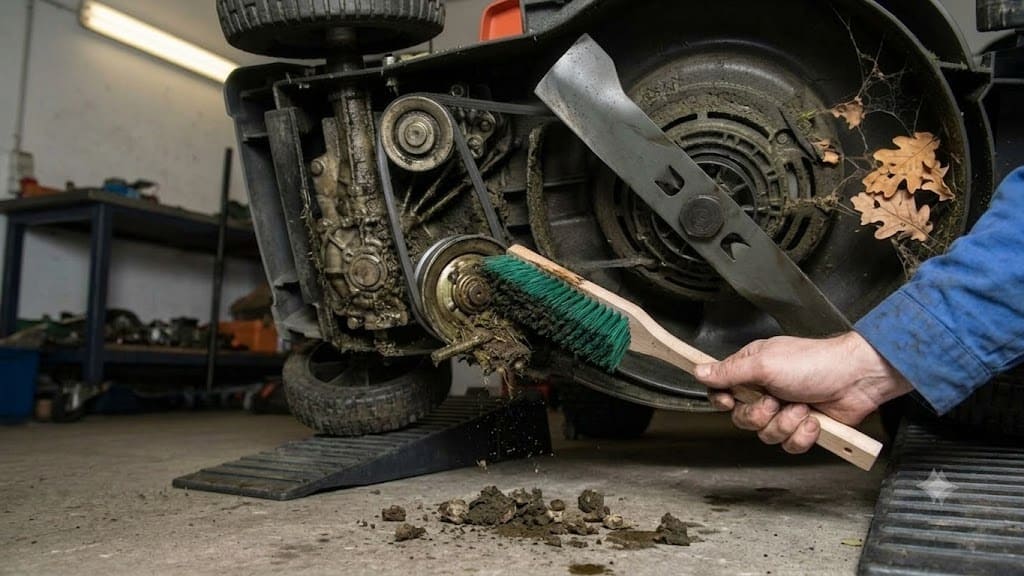
Cutting wet grass demands immediate post-mowing attention to prevent equipment damage and lawn problems. Thorough mower cleaning becomes critical – wet grass clippings left on equipment quickly turn into acidic, corrosive paste that damages metal components and clogs mechanisms.
Remove all visible clippings from the mower deck, paying particular attention to discharge chutes and collection areas. Use a garden hose to flush remaining debris, but avoid high-pressure washing of electrical components. Dry all surfaces thoroughly and apply light oil to metal parts to prevent rust formation.
Air filter inspection and cleaning becomes more frequent when mowing in wet conditions. Damp conditions increase the likelihood of clogging, and a blocked air filter can cause engine damage. Replace paper filters more frequently or switch to washable alternatives if wet mowing becomes regular.
Blade maintenance requires extra attention after wet grass cutting. The additional strain and potential impact with hidden obstacles increases wear rates. Check blade sharpness and balance more frequently, and don’t hesitate to sharpen or replace blades that show signs of damage or dullness.
Monitor your lawn closely in the days following wet grass cutting. Look for signs of disease, particularly fungal infections that thrive in damaged, wet conditions. Brown patches, unusual discolouration, or areas that seem slow to recover may indicate problems requiring treatment.
Consider overseeding damaged areas once conditions improve. Wet cutting often damages grass plants, and quick overseeding can prevent weeds from establishing in weakened turf. Choose seed varieties suited to your specific growing conditions and the time of year.
Conclusion
While cutting wet grass isn’t ideal, British homeowners often face situations where it becomes necessary due to our unpredictable climate! The key lies in understanding the risks, using proper techniques, and knowing when the benefits outweigh the potential drawbacks.
Remember, your lawn’s long-term health should always be the priority. If you must mow wet grass, follow the safety guidelines and techniques outlined above, and always give your mower the extra care it deserves afterwards. When in doubt, waiting for drier conditions is usually the wisest choice – your lawn (and your mower) will thank you for it!
The reality of British weather means most of us will face wet mowing situations eventually. By understanding the challenges, preparing properly, and using appropriate techniques, you can navigate these situations successfully whilst minimising damage to both your equipment and your garden.
Ready to tackle your wet grass situation? Start by assessing your specific circumstances and choosing the right approach for your garden’s unique needs. Whether that means waiting for better conditions, investing in proper equipment, or developing new maintenance strategies, taking action based on informed decisions will keep your lawn looking its best year-round.
Frequently Asked Questions
Is it OK to cut grass when it's wet?
Whilst it’s not ideal, you can cut wet grass in emergency situations using proper safety precautions. Raise your mower height, use appropriate footwear, and move slowly to minimise risks. However, waiting for dry conditions is always preferable for both safety and lawn health.
How long should I wait after rain to mow the lawn?
Wait at least 2-4 hours after light rain, or 24-48 hours after heavy rainfall. The grass should feel dry to touch and not leave moisture on your hand when grasped. Morning dew typically dries within 1-2 hours of sunrise on sunny days.
Will cutting wet grass damage my lawnmower?
Yes, wet grass can damage your mower through clogging, increased engine strain, and corrosive clippings. Wet conditions cause more wear on blades and mechanisms. Always clean your mower thoroughly after wet grass cutting and check for clogs or damage.
What happens if you cut grass too short when it's wet?
Cutting wet grass too short (scalping) severely stresses the plant and creates entry points for diseases. Wet grass is already vulnerable, and short cutting can kill grass plants or leave permanent brown patches. Always raise your cutting height in wet conditions.
Can I use an electric mower on wet grass?
Corded electric mowers should never be used on wet grass due to electrocution risks. Battery-powered mowers are safer but often lack the power for effective wet grass cutting. Petrol mowers are generally the safest and most effective option for wet conditions.



