

Did you know that 78% of British homeowners unknowingly damage their lawns whilst trying to improve them? You’re not alone if your pristine garden dreams have turned into a patchy nightmare!
Despite spending hundreds of pounds on fertilisers, seeds, and equipment, many UK gardeners make surprisingly simple mistakes that completely sabotage their efforts. From overwatering during our unpredictable weather to mowing at the wrong height for British grass varieties, these hidden errors can transform your pride and joy into the neighbourhood eyesore. But here’s the good news – once you know what to avoid, achieving that coveted bowling green finish becomes surprisingly straightforward.
Mistake 1 – Cutting Your Grass Too Short (The “Scalping” Disaster)
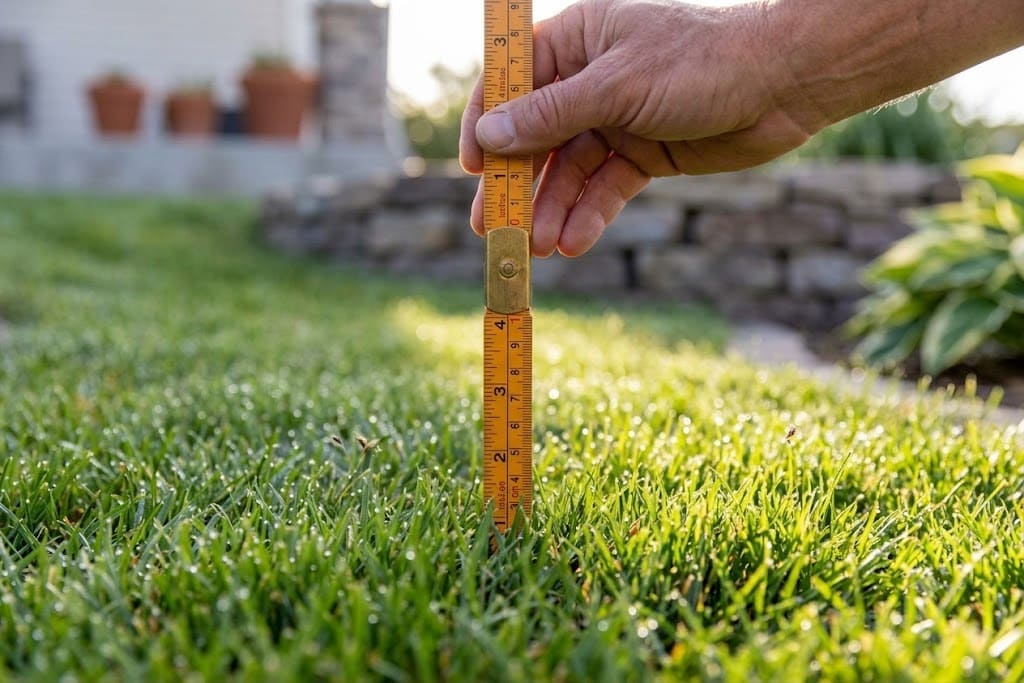
The biggest lawn care mistake plaguing British gardens isn’t what most people think. It’s not neglect or poor fertilising – it’s cutting grass far too short in a misguided attempt to reduce maintenance.
Many UK homeowners believe that scalping their lawn to the shortest possible setting means less frequent mowing. This couldn’t be further from the truth! When you cut grass shorter than 2.5cm, you’re essentially performing surgery on your lawn without anaesthetic.
Why Short Cutting Destroys British Lawns:
Scalping removes the grass’s food-producing machinery. The green blades are like tiny solar panels – cut them too short, and your grass literally starves. In Britain’s variable climate, this stress makes your lawn vulnerable to our notorious moss invasions and weed takeovers.
The Golden Rule for UK Grass Types:
- Ryegrass lawns (most common in Britain): Cut to 3-4cm height
- Fine fescue varieties: Maintain at 2.5-3.5cm
- Bentgrass lawns: Keep at 1.5-2.5cm maximum
Never remove more than one-third of the grass blade length in a single cut. If your lawn has grown tall after a holiday, gradually reduce the height over several mowing sessions.
Recovery Strategy:
If you’ve already scalped your lawn, don’t panic! Raise your mower height immediately, water deeply but infrequently, and resist the urge to fertilise stressed grass. Recovery typically takes 4-6 weeks in favourable British growing conditions.
Further Reading: Lawn Mowing & Grass Cutting Tips
Mistake 2 – Watering at the Wrong Time (Morning vs Evening Myths)

Here’s where many well-meaning British gardeners go wrong: watering their lawns in the evening because it “seems more natural” or fits better with work schedules.
Evening watering in Britain’s humid climate is like rolling out the red carpet for fungal diseases. Our cool, damp nights provide perfect breeding conditions for lawn diseases that can devastate grass in weeks.
The Science Behind Proper Watering:
Early morning watering (between 6-10am) gives grass blades time to dry before nightfall. This simple timing change dramatically reduces your risk of red thread, fairy ring, and other fungal problems that plague British lawns.
How to Water British Lawns Effectively:
Water deeply but infrequently – aim for 2.5cm of water per week, including rainfall. During typical British summers, this often means watering twice weekly rather than daily sprinkles.
Signs Your UK Lawn Actually Needs Water:
- Footprints remain visible after walking across the grass
- Grass blades fold rather than spring back when touched
- Colour shifts from vibrant green to blue-grey
Regional Considerations:
Northern England and Scotland typically need less supplemental watering than southern counties. Always check your local water authority’s restrictions, especially during summer hosepipe bans.
Further Reading: Watering Your Lawn Tips
Mistake 3 – Using the Wrong Fertiliser for UK Soil Conditions
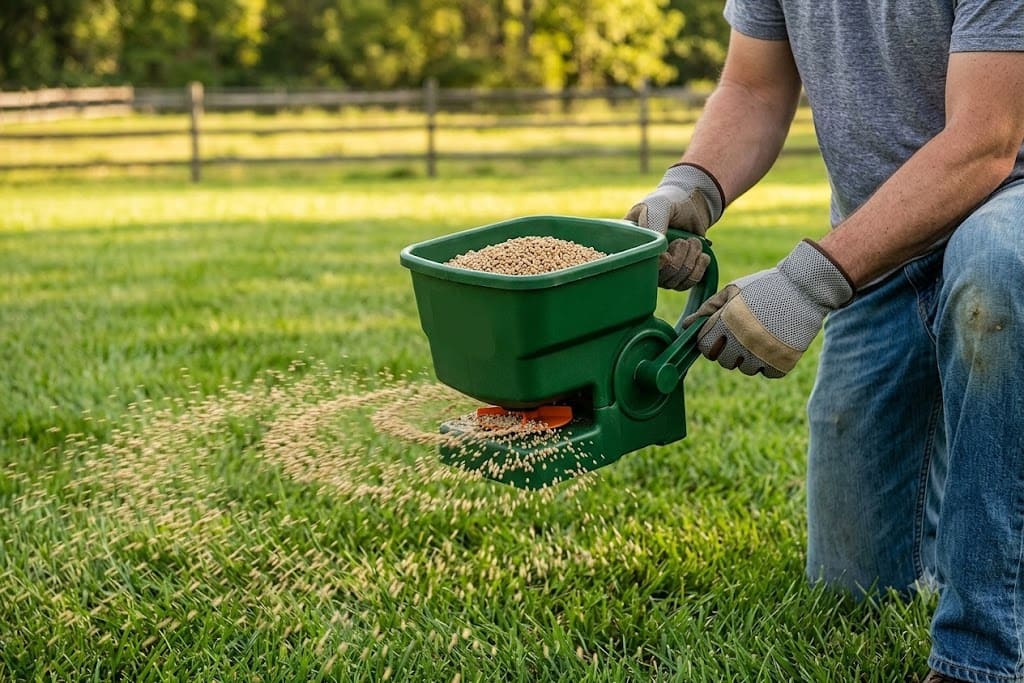
Most British gardens have acidic soil – quite different from the neutral conditions assumed by many fertiliser recommendations. Using the wrong feed can actually harm your lawn more than help it.
Understanding British Soil Chemistry:
UK soils typically range from pH 5.5-6.5, making them moderately acidic. This affects how your grass absorbs nutrients, particularly iron and phosphorus. Many imported fertiliser programmes designed for alkaline American soils simply don’t work here.
The British Lawn Fertiliser Formula:
Spring applications should emphasise nitrogen for growth, but avoid high-phosphorus feeds that can encourage unwanted moss in our acidic conditions. Look for fertilisers with a 3:1:2 or 4:1:2 NPK ratio specifically formulated for UK conditions.
Seasonal Feeding Strategy:
- March-April: Slow-release nitrogen to encourage spring growth
- May-August: Balanced feed with added potassium for drought resistance
- September-October: Autumn feed with reduced nitrogen, increased potassium for winter hardiness
- November-February: No feeding during dormancy period
Organic vs Synthetic Options:
Organic fertilisers work exceptionally well in British conditions, releasing nutrients slowly as soil organisms become active in our mild, wet climate. Synthetic feeds provide quicker results but require more careful timing to avoid nutrient burn.
Soil Testing Made Simple:
Purchase a basic pH testing kit from any British garden centre for under £10. Test different areas of your lawn, as pH can vary significantly even within small gardens.
Mistake 4 – Ignoring Your Lawn’s Natural Growing Patterns
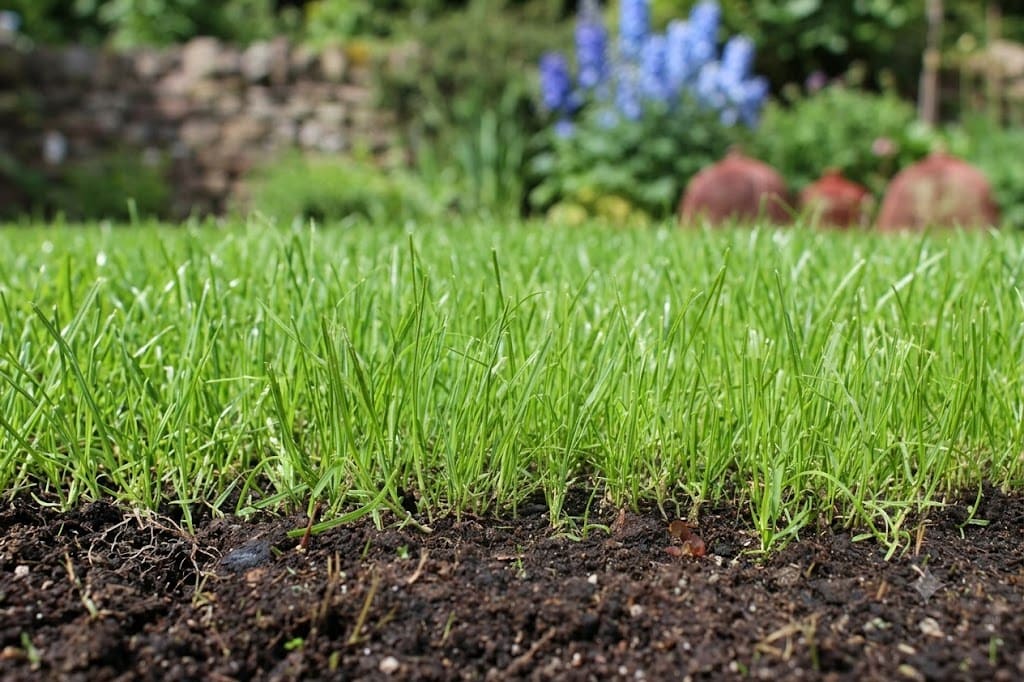
Fighting against your grass’s natural inclinations is like swimming upstream – exhausting and ultimately futile. Most British lawns contain multiple grass varieties, each with different growth habits and requirements.
Recognising Your Grass Personality:
Cool-season grasses (which thrive in Britain) grow most vigorously during spring and autumn when temperatures range between 15-24°C. They slow dramatically during hot summer spells and enter semi-dormancy in winter.
Working With British Seasonal Patterns:
Stop fighting summer dormancy! During July and August heat waves, many UK grass varieties naturally slow their growth. Forcing growth with heavy nitrogen feeds during these periods often results in weak, disease-prone grass.
Microclimate Management:
Your garden likely contains several microclimates. The area under trees needs different care than full-sun sections. Shaded areas in British gardens often develop moss problems due to poor air circulation and excess moisture.
Shade-Specific Strategies:
- Raise cutting height in shaded areas to 4-5cm
- Reduce watering frequency as shade retains moisture longer
- Consider shade-tolerant grass varieties for heavily shaded sections
- Improve air circulation by pruning overhanging branches
Sun vs Shade Fertilising:
Sunny areas typically need more frequent feeding, whilst shaded sections benefit from lighter, less frequent applications to prevent soft, disease-prone growth.
Mistake 5 – Neglecting Proper Aeration and Dethatching
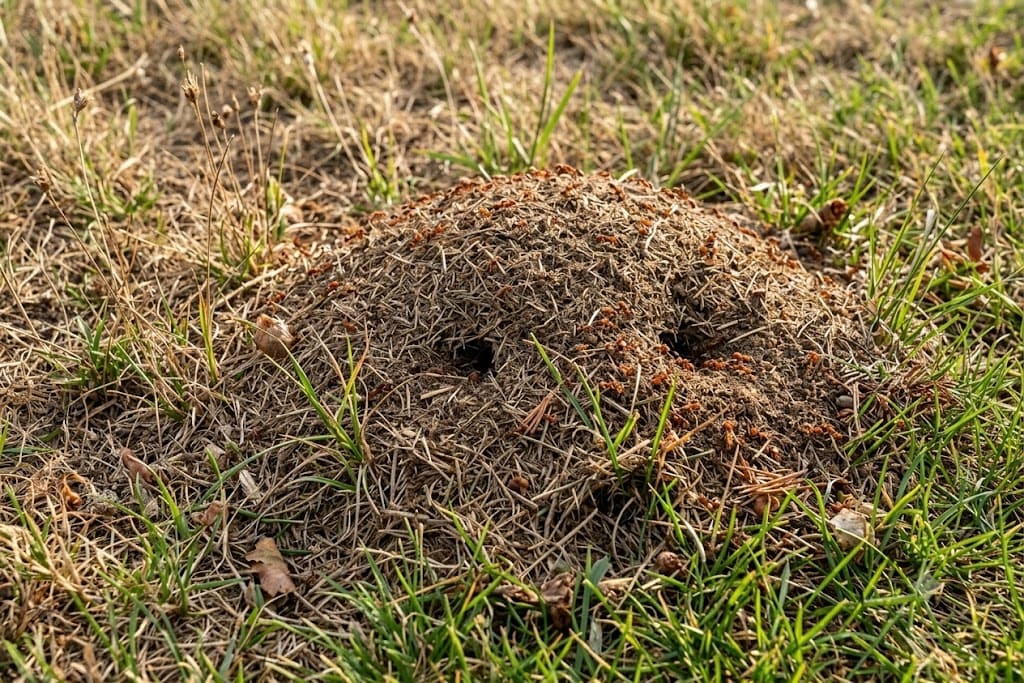
British lawns face unique challenges from our clay-heavy soils and frequent rainfall. Without proper aeration, even the best maintenance efforts fail because grass roots simply can’t breathe.
The UK Soil Compaction Problem:
Heavy clay soils, common throughout much of Britain, become compacted easily. Add our frequent rainfall and foot traffic, and you’ve got concrete-hard ground that suffocates grass roots.
Autumn Aeration: The British Lawn’s Best Friend:
September and October provide ideal conditions for aerating British lawns. The soil has some moisture but isn’t waterlogged, and grass has time to recover before winter dormancy.
Professional vs DIY Aeration:
Hand-held aerators work well for small lawns under 50 square metres. Larger British gardens benefit from hiring professional equipment or services, typically costing £150-300 for an average suburban lawn.
The Dethatching Decision:
Thatch buildup (dead grass material) becomes problematic when it exceeds 1.5cm thickness. In Britain’s wet climate, excessive thatch creates perfect conditions for lawn disease and pest problems.
Post-Aeration Care:
After aerating, resist the urge to walk on your lawn for at least a week. Top-dress with a sand-soil mixture to improve drainage – crucial for British gardens prone to waterlogging.
How to Recover From These Lawn Care Mistakes

Recovery starts with accurate diagnosis. Walk your lawn systematically, noting problem areas and their specific symptoms. Different sections may require different approaches based on sun exposure, drainage, and usage patterns.
The 6-Week British Lawn Recovery Plan:
Weeks 1-2: Stop all harmful practices immediately. Adjust mower height, change watering schedule, and assess soil conditions. Avoid any fertilising during this stabilisation period.
Weeks 3-4: Begin gentle recovery treatments. Light watering if weather is dry, and consider a mild organic feed if grass shows signs of active growth.
Weeks 5-6: Implement proper maintenance routine with correct cutting height, appropriate watering schedule, and suitable fertiliser programme.
Overseeding for Bare Patches:
Choose grass seed mixtures specifically designed for British conditions. Ryegrass mixtures handle our climate beautifully and establish quickly during September-October planting windows.
Budget-Friendly Recovery Methods:
Recovery doesn’t require expensive products. Focus on correcting basic maintenance practices first – proper mowing and watering alone can transform most British lawns within two months.
When to Seek Professional Help:
Consider professional assistance if you’re dealing with severe moss infestations, drainage problems, or if recovery efforts show no improvement after 8 weeks of proper care.
Conclusion
Your dream lawn isn’t as far away as you might think! These five surprising mistakes have been sabotaging British gardens for decades, but now you’re armed with the knowledge to avoid them completely. Remember, successful lawn care in the UK isn’t about following generic advice – it’s about understanding your specific grass type, local climate, and soil conditions.
Start by addressing just one of these mistakes this weekend, and you’ll be amazed at the difference it makes. Your neighbours will be asking for your secrets before you know it! Ready to transform your outdoor space? Begin with a simple soil test and proper mowing height – your future self (and your lawn) will thank you.
Frequently Asked Questions (FAQs)
What's the best grass seed for British lawns?
For most UK gardens, a ryegrass mixture works brilliantly. Look for blends containing perennial ryegrass with fine fescue, which handle our variable weather and provide excellent wear tolerance. Avoid pure ryegrass for ornamental areas as it can look coarse.
How often should I cut my lawn during British growing seasons?
During peak growing periods (April-June and September-October), most British lawns need cutting weekly. In summer heat, reduce to fortnightly, and during winter, monthly or less depending on growth. Never cut wet grass – wait for dry conditions.
When should I stop fertilising my lawn before winter?
Stop nitrogen-rich fertilising by early October in most of Britain. Late feeding encourages soft growth that’s vulnerable to frost damage. Apply a winter feed with high potassium content in October to strengthen grass for winter conditions.
How do I know if my British lawn needs aeration?
Push a garden fork 15cm into your lawn. If it requires significant force or water pools on the surface after rain, your lawn needs aerating. Most British lawns benefit from annual autumn aeration due to our clay soils and rainfall.
What's the difference between moss and healthy grass in my lawn?
Moss appears as soft, spongy patches that feel different underfoot and typically grows in acidic, compacted, or poorly drained areas. It’s often bright green and spreads in damp conditions. Address underlying soil issues rather than just treating moss symptoms for lasting results.



