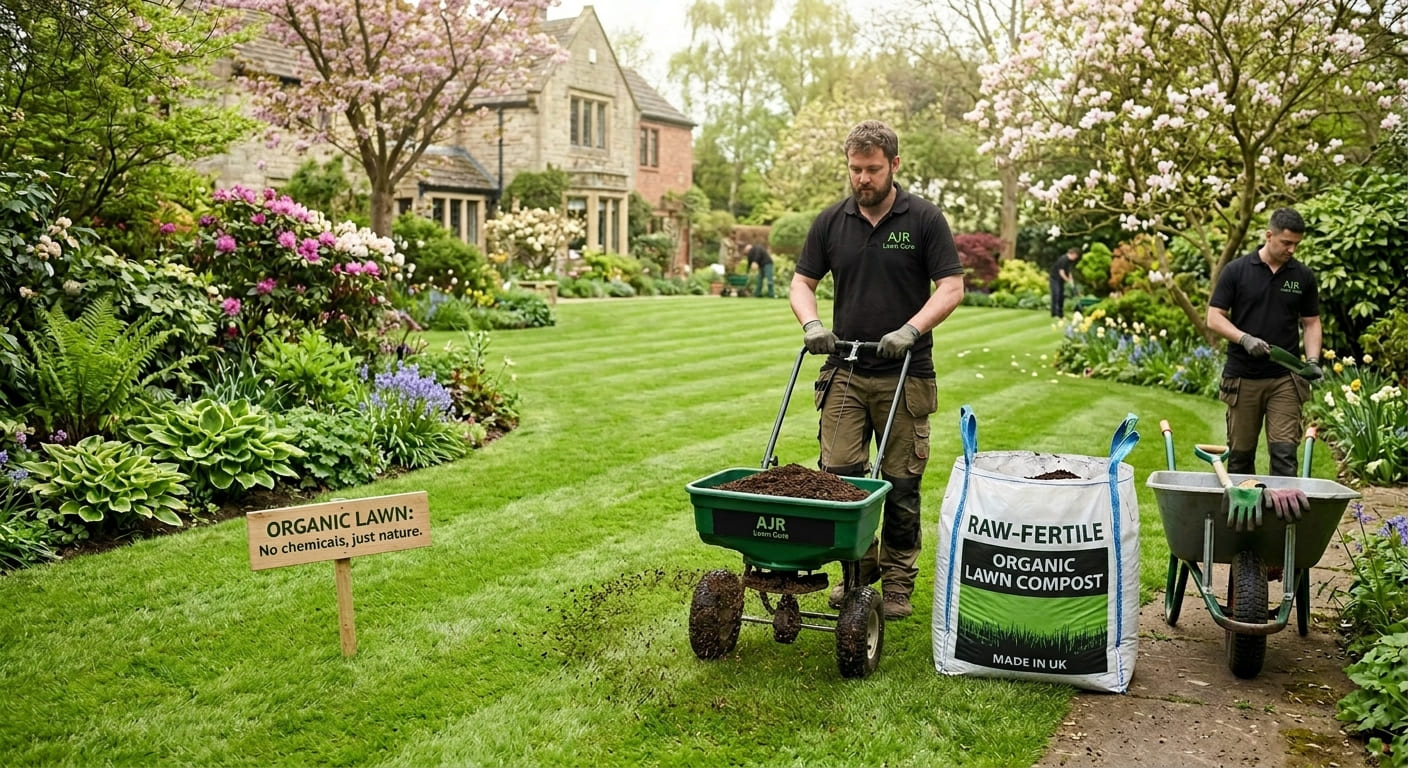

There’s something magical about stepping into your garden on a crisp spring morning and seeing a perfectly healthy, vibrant lawn stretching out before you. But that magic doesn’t happen by accident – it’s the result of smart autumn clean-up work that most homeowners never even think about!
Here’s what might surprise you: the difference between a stunning spring lawn and a disappointing one often comes down to just a few crucial hours of autumn preparation. We’re not talking about back-breaking work or expensive treatments – we’re talking about insider secrets that professional lawn care specialists use to guarantee results.
After years of transforming lawns across Rotherham and South Yorkshire, we’ve discovered that homeowners who follow our autumn clean-up secrets consistently achieve the healthiest, most beautiful lawns in their neighbourhoods. Ready to join them? Let’s dive into the professional techniques that will transform your spring lawn experience!
The Hidden Science Behind Autumn Lawn Clean-up

Most homeowners think autumn clean-up is just about tidying up for winter. But here’s the secret: it’s actually about creating optimal conditions for your lawn’s underground preparation phase.
During autumn, your grass isn’t just shutting down for winter – it’s working harder than ever beneath the surface. Root systems are expanding, energy reserves are building, and your lawn is literally preparing for next year’s grass growth explosion. Every clean-up task you perform either supports or sabotages this crucial process.
Professional lawn care specialists understand that autumn clean-up isn’t maintenance – it’s lawn enhancement. Each task serves a specific purpose in creating the perfect environment for winter preparation and spring success.
The science is fascinating: grass plants shift their energy focus in autumn, moving nutrients from leaves down to roots and crowns. This process requires specific conditions to work effectively, and that’s exactly what our clean-up secrets provide.
Secret 1: The Strategic Leaf Management System
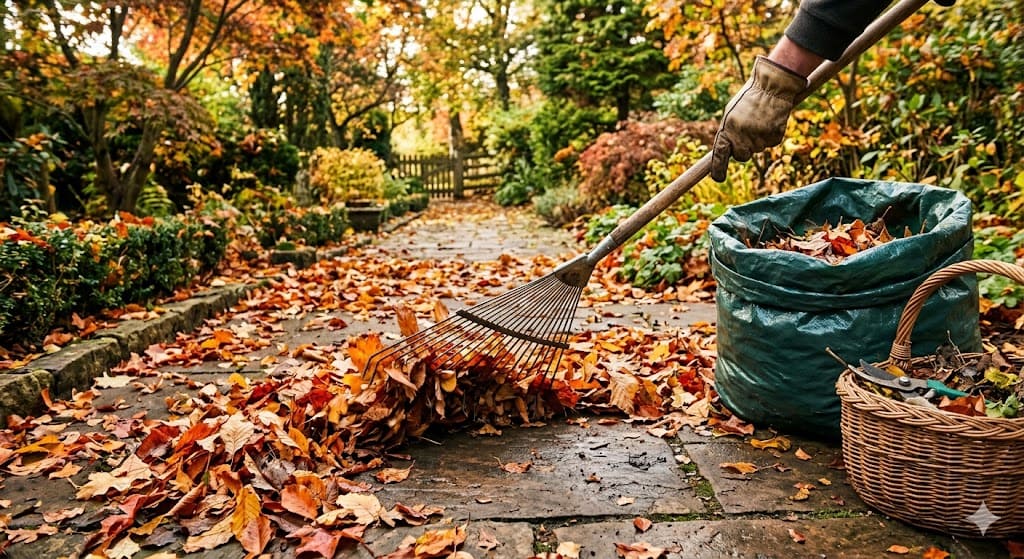
Forget everything you think you know about leaf removal! The biggest secret isn’t when you remove leaves – it’s how you manage them throughout the season.
The Professional Approach
Instead of waiting for all leaves to fall before cleaning up, successful lawn care follows a “little and often” strategy. Remove leaves weekly during peak fall, but here’s the twist: don’t remove them all.
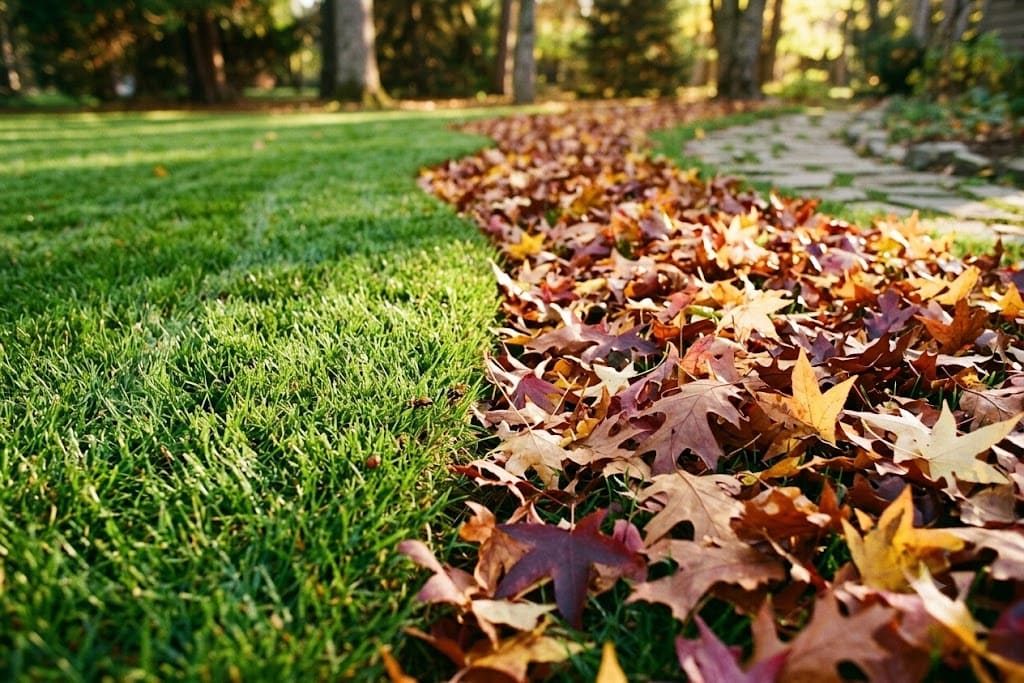
Leave approximately 10-15% of fallen leaves scattered across your lawn. These remaining leaves provide natural mulch, gradual nutrient release, and beneficial microorganism habitat. The key is ensuring they’re distributed evenly and don’t form thick mats.
The Mulching Secret
Professional-grade mowers with sharp mulching blades can chop moderate leaf coverage into tiny pieces that actually benefit your lawn. These chopped leaves decompose quickly, providing organic matter and nutrients while avoiding the smothering effect of whole leaves.
Strategic Timing
The secret timing? Remove leaves when they cover more than 30% of your grass surface. Less than this, and they’re beneficial. More than this, and they start blocking essential light and air circulation.
Secret 2: The Deep Clean Aeration Technique
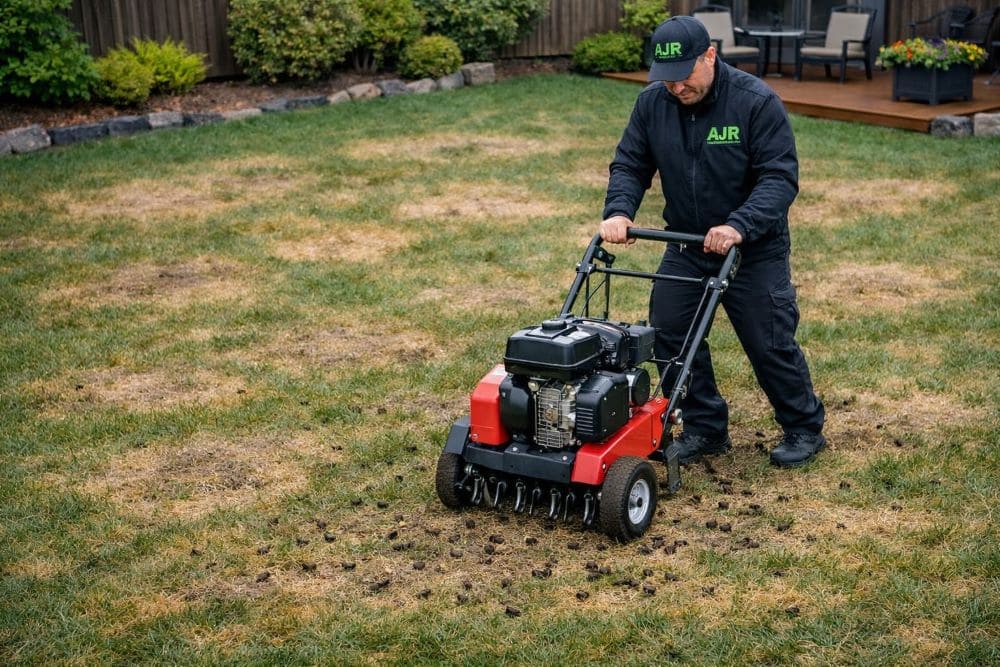
Standard aeration advice focuses on creating holes in your lawn. But professional autumn clean-up uses aeration as a complete lawn reset system.
Pre-Aeration Preparation
The secret starts before you even begin aerating. Water your lawn lightly 2-3 days before aeration if conditions are dry. This softens the soil just enough for optimal core extraction without creating muddy conditions.
Mark sprinkler heads, shallow utilities, and delicate plantings. Professional equipment removes substantial soil cores, and you want to avoid damage to lawn infrastructure.
The Professional Pattern
Don’t randomly aerate your lawn! Use a systematic pattern that ensures even coverage: start with perimeter passes, then work in overlapping parallel lines. This professional approach ensures no areas are missed while avoiding excessive overlap that can damage grass crowns.
Post-Aeration Clean-up Secret
Here’s what most people get wrong: they immediately clean up the soil cores. Professional technique leaves cores on the surface for 2-3 weeks, allowing them to break down naturally. As they decompose, they provide natural topdressing that improves soil structure.
Secret 3: The Precision Debris Removal System
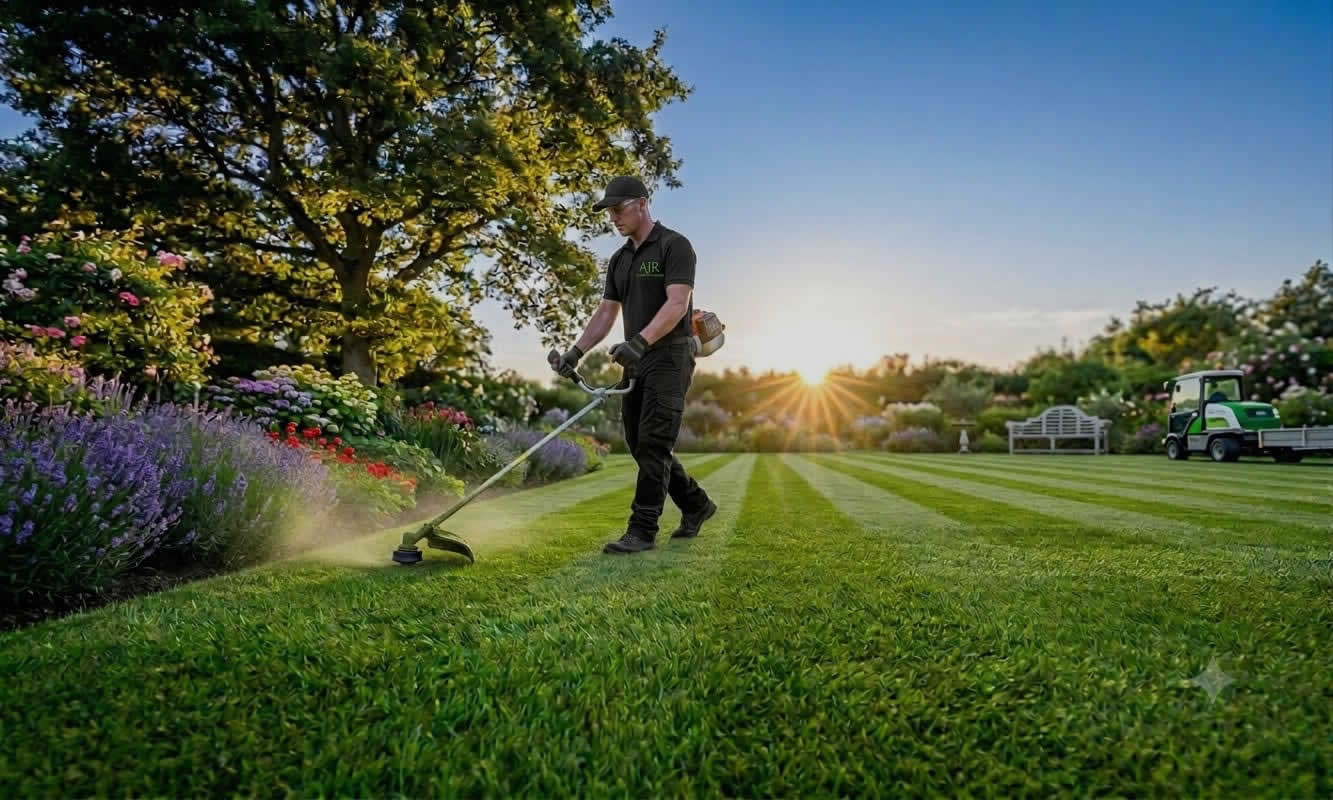
Effective debris removal goes far beyond just picking up obvious rubbish. Professional clean-up identifies and removes items that most homeowners never notice but that significantly impact lawn health.
The Hidden Debris Hunt
Systematically search for partially buried items: old tent pegs, forgotten toys, stones larger than 2cm, and organic debris like thick twigs or branches. These items create uneven growing conditions and can damage mowing equipment.
Pay special attention to areas under trees and near garden borders where debris accumulates naturally. Even small items can create growing problems when grass tries to establish around them.
Organic Matter Management
Remove thick accumulations of organic matter like fallen fruit, thick layers of decomposing plant material, and areas where pet waste hasn’t been properly cleared. These create anaerobic conditions that promote harmful bacteria and fungal growth.
The Professional Edge Clean
Clean-up includes precision edge work along paths, borders, and landscape features. Remove grass and weed growth from these edges to prevent encroachment and create clean lines that enhance your lawn’s professional appearance.
Secret 4: The Selective Pruning Strategy
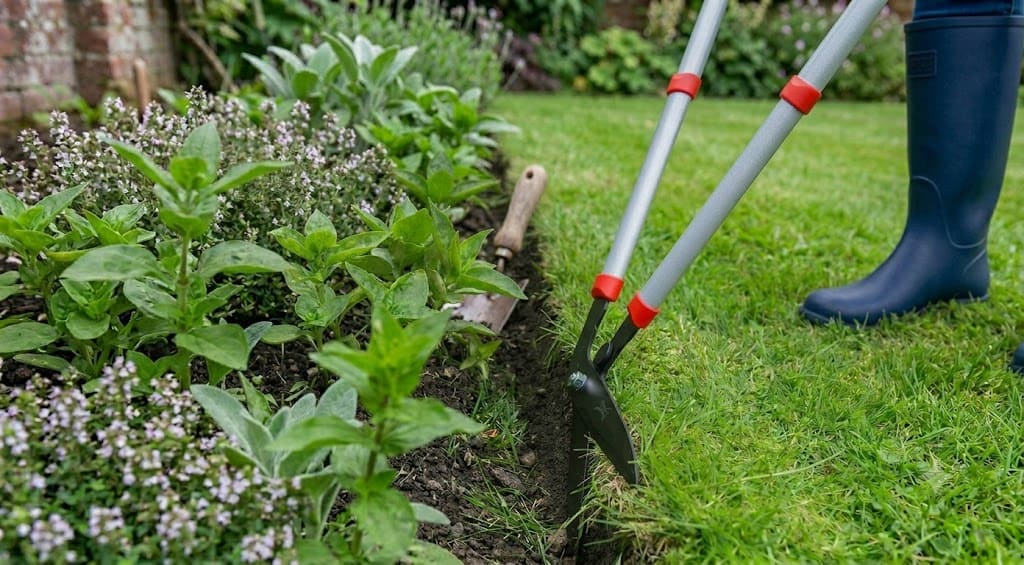
Autumn clean-up includes strategic plant management that most homeowners overlook but that significantly impacts lawn health and appearance.
Overhanging Branch Management
Identify tree and shrub branches that hang within 8 feet of ground level above lawn areas. These branches reduce air circulation, block morning dew evaporation, and create shade patterns that weaken grass.
Selective pruning improves light penetration, air movement, and reduces fungal disease pressure. Focus on removing lower branches and thinning dense growth rather than dramatic reshaping.
Border Plant Clean-up
Cut back perennial plants that encroach on lawn areas. Remove dead annuals and clear overgrown border areas that can harbour pests and diseases that migrate to lawn areas.
Strategic Weed Removal
Autumn is perfect for removing large perennial weeds by hand. Their root systems are still active, making complete removal more effective than spring attempts when energy is focused on top growth.
Secret 5: The Surface Preparation Protocol

Professional lawn preparation goes beyond what’s visible on the surface. This secret focuses on creating optimal soil surface conditions for winter protection and spring growth.
Gentle Scarification
Light scarification removes thatch buildup and surface debris while creating ideal conditions for overseeding. Use a spring-tine rake or light scarifier to gently lift matted grass and remove surface thatch without damaging grass crowns.
Spot Levelling
Address minor surface irregularities with targeted topdressing. Mix good quality topsoil with compost and apply to low spots, working it gently into the grass surface. This eliminates areas where water pools and creates more even growing conditions.
Surface Compaction Relief
Use a garden fork to gently relieve surface compaction in high-traffic areas. Create holes approximately 10cm deep every 15cm in compacted zones. This provides immediate relief while complementing broader aeration efforts.
The Professional Clean-up Timeline

Success depends on timing these secrets correctly throughout the autumn period. Here’s the professional schedule we follow:
Early Autumn (September)
- Begin weekly leaf management
- Conduct deep aeration
- Start selective pruning
- Address major debris removal
Mid-Autumn (October)
- Continue leaf management
- Complete overseeding
- Finish precision edge work
- Apply autumn treatments
Late Autumn (November)
- Final leaf clearance
- Complete surface preparation
- Finish plant cut-backs
- Prepare equipment storage
Common Clean-up Mistakes That Sabotage Spring Success
Even well-intentioned homeowners can undermine their efforts with these common mistakes:
Over-Cleaning Syndrome
Removing every single leaf, twig, and natural debris actually reduces beneficial organic matter and disrupts natural soil ecosystems. Some organic matter is beneficial for lawn health.
Wrong Tool Selection
Using inappropriate tools can damage grass or create more work than necessary. Sharp, well-maintained tools make clean-up more effective and less damaging to your lawn.
Weather Timing Errors
Attempting clean-up during wet conditions can cause soil compaction and grass damage. Professional timing waits for appropriate weather windows.
Neglecting Hidden Areas
Focusing only on visible lawn areas while ignoring areas under shrubs, near buildings, or in corners allows problems to develop that will impact the entire lawn.
The Professional Equipment Advantage
Professional results require appropriate tools. While you don’t need commercial equipment, investing in quality tools makes clean-up more effective and less labour-intensive.
Essential Clean-up Tools
- Sharp, well-maintained rakes for effective leaf and debris removal
- Quality pruning shears for precise plant management
- Garden fork for compaction relief
- Wheelbarrow or lawn cart for efficient debris transport
- Leaf blower for detailed cleaning in difficult areas
Professional-Grade Options
Consider hiring professional lawn care services for tasks requiring specialized equipment like deep aeration, professional scarification, or large-scale debris removal. The results often justify the investment.
Measuring Your Clean-up Success

Professional clean-up includes assessment criteria to ensure effectiveness:
Visual Indicators
- Clean, well-defined lawn edges
- Even surface without debris accumulation
- Healthy grass colour and density
- Clear drainage patterns
Functional Tests
- Water infiltration test: water should soak in within 30 seconds
- Surface firmness: lawn should feel springy but not spongy
- Air circulation: no areas of stagnant air or excessive moisture retention
Spring Success Indicators
The true test of autumn clean-up effectiveness comes in spring. Look for these success indicators:
Early Spring Emergence
- Even green-up across the entire lawn
- Rapid growth response to warming temperatures
- Minimal bare or thin areas
- Strong, healthy grass colour
Disease Resistance
- Absence of fungal problems that plagued previous seasons
- Resistance to common spring diseases
- Quick recovery from any minor issues
Overall Lawn Health
- Dense, thick grass growth
- Effective weed suppression
- Improved drought tolerance
- Enhanced overall appearance
When to Call the Professionals
While many clean-up tasks can be DIY projects, certain situations benefit from professional expertise:
Complex Problem Areas
Lawns with drainage issues, severe compaction, or extensive damage benefit from professional assessment and treatment.
Time Constraints
Comprehensive autumn clean-up requires significant time investment. Professional lawn care services can complete the work efficiently while ensuring nothing is overlooked.
Equipment Requirements
Tasks requiring specialized equipment like professional aeration, power scarification, or extensive pruning may be more cost-effective when handled professionally.
Ongoing Maintenance Programs
Many homeowners benefit from professional programs that include regular clean-up as part of comprehensive lawn care services.
Conclusion
The secrets we’ve shared aren’t really secrets at all – they’re professional techniques that any homeowner can apply with the right knowledge and approach. The difference between a good lawn and a great lawn often comes down to attention to these details during autumn preparation.
Remember, autumn clean-up isn’t about perfection – it’s about creating optimal conditions for your lawn’s natural processes. Every task we’ve discussed serves a specific purpose in supporting your grass through winter and into vigorous spring growth.
The investment you make in proper autumn clean-up will pay dividends throughout the following growing season. You’ll see faster spring green-up, healthier grass growth, better disease resistance, and improved overall lawn appearance.
At AJR Lawn Care, we’ve used these professional clean-up secrets to transform hundreds of lawns across Rotherham and South Yorkshire. We understand the local conditions, soil types, and climate challenges that affect lawns in our area, and we’ve refined these techniques specifically for optimal results in our region.
Whether you choose to implement these secrets yourself or prefer professional assistance, the important thing is taking action this autumn. Your lawn is preparing for next year’s growth right now, and the clean-up work you do (or don’t do) will determine whether you’ll be celebrating or lamenting your spring lawn results.
Don’t let another year pass wondering why your neighbours’ lawns look better than yours. The secrets are now in your hands – use them wisely, and prepare to be amazed by your spring lawn transformation!
Ready to put these professional secrets to work? Contact AJR Lawn Care today for expert autumn clean-up services that guarantee spring success!
Frequently Asked Questions
What's the most important autumn clean-up task for lawn health?
Strategic leaf management is the most crucial task. While complete leaf removal seems logical, the secret is removing excess leaves while leaving 10-15% for natural mulching and soil improvement. This provides the perfect balance between preventing grass suffocation and supporting beneficial soil organisms essential for spring lawn health.
How often should I perform autumn clean-up tasks?
Professional clean-up follows a “little and often” approach rather than one major effort. Remove leaves weekly during peak fall, address debris as you notice it, and spread major tasks like aeration across early to mid-autumn. This prevents overwhelming your lawn and ensures optimal timing for each task.
Can I do professional-level autumn clean-up myself?
Many professional clean-up secrets can be implemented by homeowners with the right knowledge and tools. Basic tasks like strategic leaf management, debris removal, and light scarification are DIY-friendly. However, deep aeration, extensive pruning, and addressing complex lawn problems often benefit from professional expertise and equipment.
When is it too late to start autumn clean-up?
Autumn clean-up can continue into November in most UK conditions, but effectiveness diminishes as grass enters dormancy. The ideal window is September through October when grass is still actively preparing for winter. If you’re starting late, focus on essential tasks like leaf removal and major debris clearance rather than attempting comprehensive clean-up.
How do I know if my autumn clean-up was successful?
Success indicators appear in spring: even, rapid green-up across your lawn, strong grass colour and density, minimal bare patches, and improved disease resistance. During autumn, look for good water infiltration (water soaking in within 30 seconds), clean lawn edges, and absence of debris accumulation. Professional assessment can provide detailed feedback on clean-up effectiveness.