Is your once-pristine lawn looking more like a patchwork quilt than the green carpet of your dreams? You’re not alone! According to the Royal Horticultural Society, over 60% of UK homeowners struggle with lawn problems that could be easily resolved with professional intervention. As lawn care specialists here in Rotherham, we’ve seen it all – from mysterious brown patches that appear overnight to weeds that seem to multiply faster than you can pull them.
Your lawn is essentially a living ecosystem, and like any living thing, it sometimes needs a helping hand. We understand how frustrating it can be to invest time, effort, and money into your garden, only to watch your grass struggle despite your best intentions. That’s why we’ve put together this comprehensive guide to help you recognise when your lawn is sending out distress signals.
Understanding Your Lawn’s Natural Lifecycle
Before we dive into the warning signs, it’s important to understand what’s normal for your lawn throughout the year. UK weather patterns create unique challenges for grass health, from the wet winters that can lead to fungal issues to the unpredictable summers that swing between drought and deluge.
Your lawn naturally goes through seasonal changes. During autumn and winter, cool-season grasses like ryegrass and fescue slow their growth and may appear less vibrant – this is completely normal dormancy, not a cause for concern. However, when problems persist beyond seasonal expectations or appear suddenly during the growing season, it’s time to take notice.
The difference between natural seasonal changes and genuine lawn problems often comes down to timing, severity, and spread. A few yellow patches in late autumn? Probably normal. Expanding brown areas in May? That’s your lawn crying for help.
Sign 1: Persistent Brown or Yellow Patches
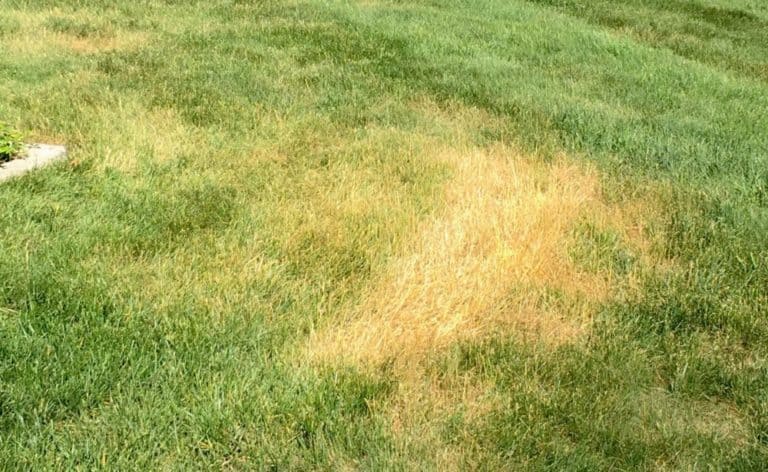
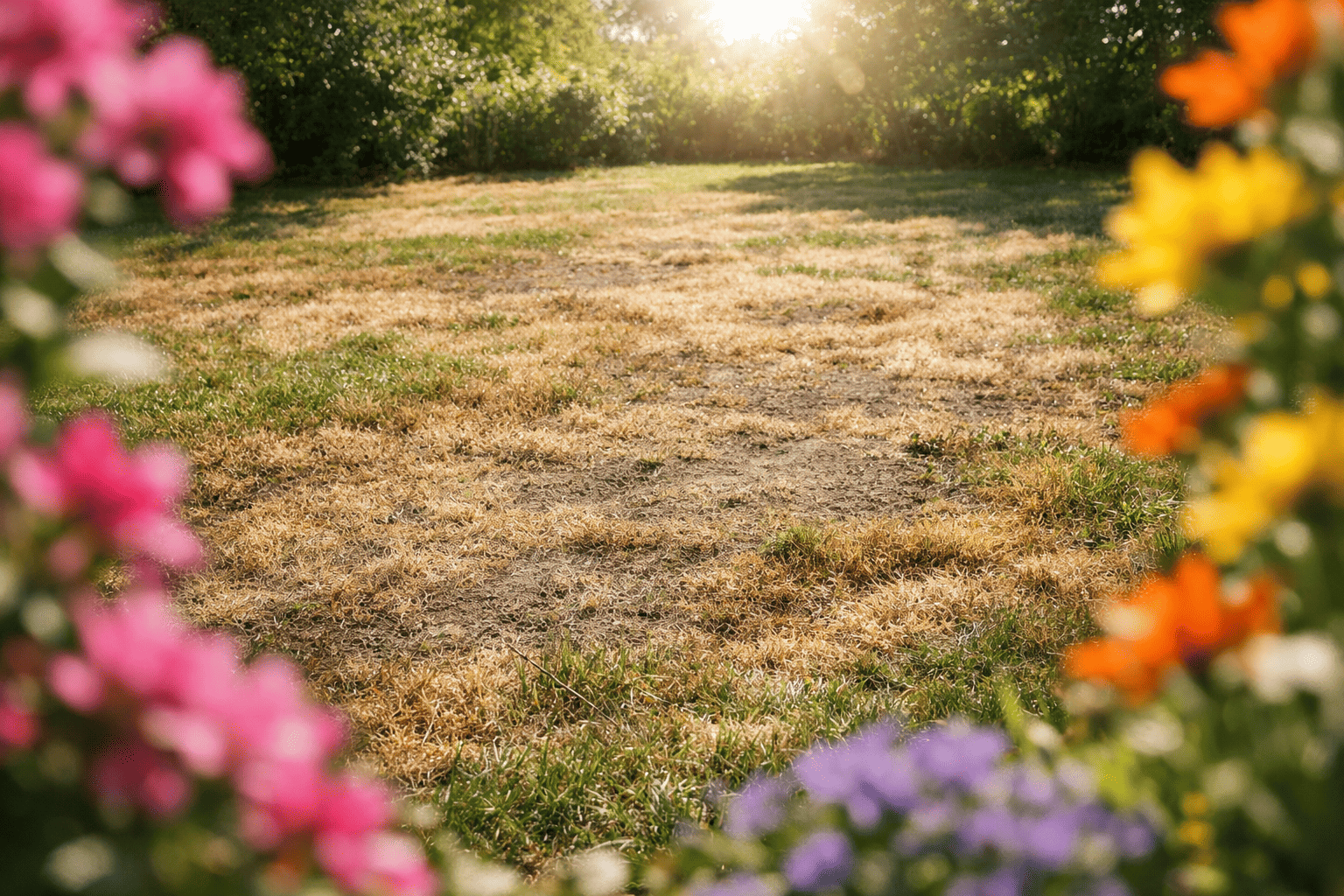
One of the most obvious distress signals your lawn can send is the appearance of brown or yellow patches that don’t improve with regular watering. These discoloured areas can appear for various reasons, and identifying the cause is crucial for effective treatment.
Fungal diseases are common culprits, particularly in our Yorkshire climate where moisture levels can fluctuate dramatically. Diseases like fusarium patch (also known as snow mould) create circular brown patches that can rapidly expand if left untreated. Pet urine damage creates distinctive yellow or brown circles with darker green rings around the edges – a tell-tale sign that’s often mistaken for disease.
Drought stress can also cause yellowing, but this typically affects the entire lawn uniformly rather than creating patches. When brown patches persist despite adequate watering, or when they appear during mild, moist conditions, you’re likely dealing with disease or pest damage that requires professional diagnosis and treatment.
Professional lawn care specialists can quickly identify the root cause through soil testing and visual assessment, then apply targeted lawn care treatments that address the specific problem rather than masking symptoms.
Sign 2: Excessive Thatch Buildup
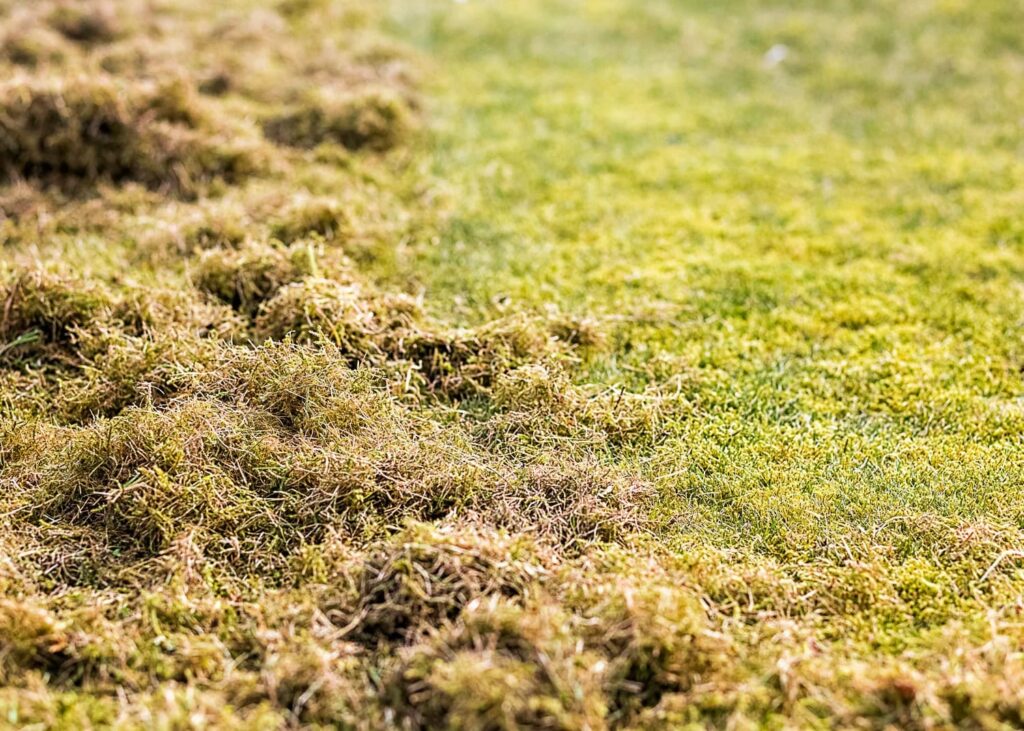
Thatch is the layer of dead and living organic matter that accumulates between the grass blades and soil surface. A thin layer (around 1cm) is beneficial, but excessive thatch buildup creates a barrier that prevents water, nutrients, and air from reaching the grass roots.
You can check your thatch layer by cutting a small wedge from your lawn and measuring the spongy layer between the grass and soil. If it’s thicker than 2cm, your lawn is struggling beneath this suffocating blanket.
Excessive thatch creates the perfect environment for diseases and pests to thrive whilst preventing your grass from accessing the resources it needs. It’s particularly common in lawns that have been heavily fertilised without proper maintenance or in areas with clay soil that doesn’t drain well.
Professional scarification removes this thatch layer mechanically, allowing your lawn to breathe again. This process requires specialised equipment and timing – done incorrectly, scarification can damage healthy grass and set your lawn back significantly.
Sign 3: Widespread Weed Invasion
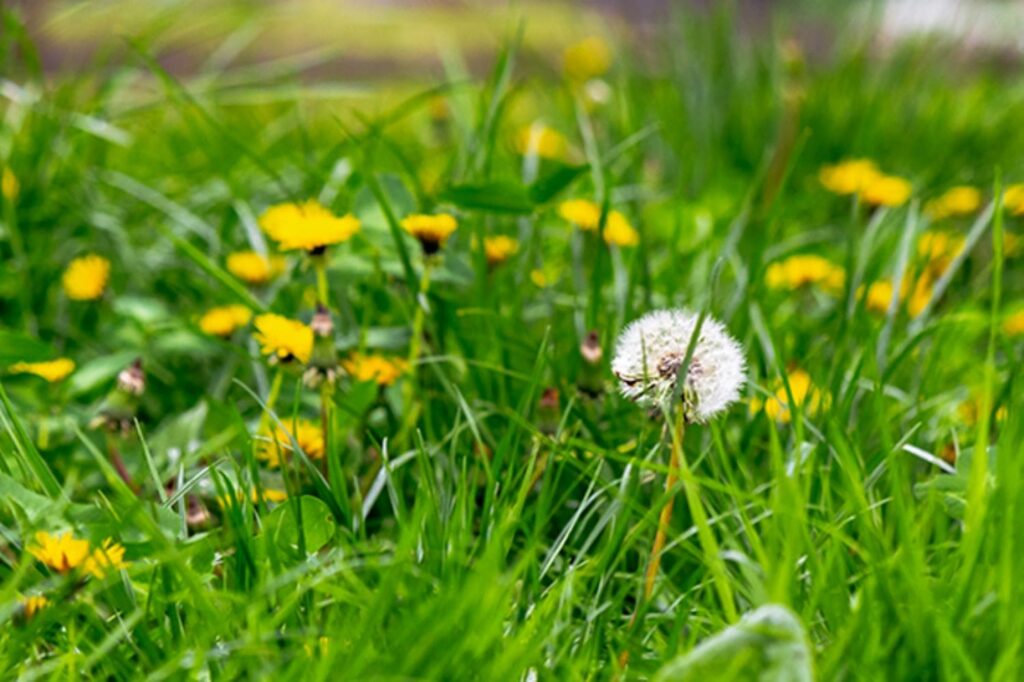
A few dandelions or daisies scattered across your lawn are normal and often considered charming. However, when weeds begin to outnumber grass or when aggressive species like plantain, clover, or coarse grasses take over large areas, your lawn is telling you it’s struggling to compete.
Weeds typically invade when grass is weak, stressed, or sparse. They’re opportunistic plants that exploit gaps in your lawn’s defences. The presence of certain weeds can also indicate specific soil conditions – for example, moss and pearlwort thrive in acidic, compacted soil with poor drainage.
DIY weed control often provide temporary relief but fail to address the underlying reasons why weeds gained a foothold in the first place. Professional weed control treatments combines selective herbicides with soil improvement and overseeding to create conditions where grass thrives and weeds struggle.
The key is understanding that weed control isn’t just about killing unwanted plants – it’s about creating an environment where your grass can outcompete invaders naturally.
Sign 4: Compacted Soil and Poor Drainage
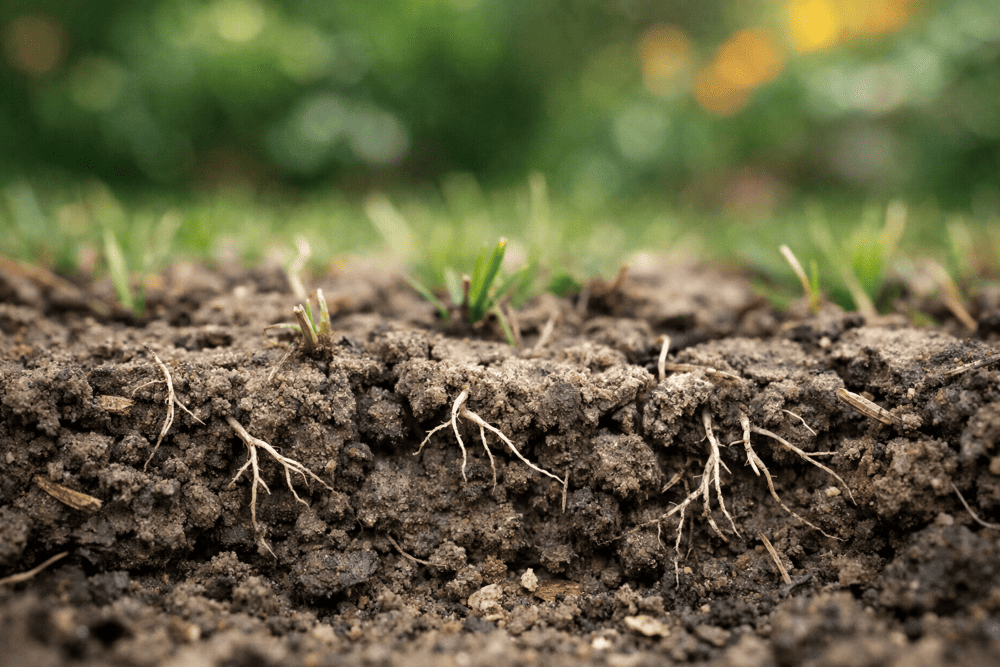
Soil compaction is one of the most overlooked causes of lawn problems, yet it’s incredibly common, especially in high-traffic areas or where heavy machinery has been used during construction or landscaping.
You can test for compaction by pushing a garden fork into your lawn. If it requires significant force or won’t penetrate more than a few centimetres, your soil is compacted. Another tell-tale sign is water pooling on the surface after rain rather than soaking in gradually.
Compacted soil restricts root development, limiting your grass’s ability to access water and nutrients even when they’re abundantly available. This stress makes grass more susceptible to disease, drought, and weed invasion.
Professional aeration involves removing small cores of soil to create channels for air, water, and nutrients to penetrate. Hollow-tine aeration is particularly effective, creating lasting improvements that DIY solutions like garden forks simply can’t match.
Sign 5: Moss Taking Over Your Grass

Moss in your lawn isn’t just unsightly – it’s a symptom of underlying problems that need addressing. Moss thrives in conditions where grass struggles: acidic soil, poor drainage, low fertility, and compaction.
If moss is spreading across your lawn, it’s telling you that conditions favour this primitive plant over your grass. Simply removing moss without addressing these underlying issues will result in it returning, often more vigorously than before.
Temporary moss treatments might improve the appearance of your lawn for a few weeks, but comprehensive moss control requires soil testing to determine pH levels, improving drainage through aeration, and adjusting fertility to favour grass growth over moss establishment.
Professional moss treatment programmes combine immediate moss control with long-term soil improvement, ensuring your grass can reclaim territory and prevent future moss invasion.
Sign 6: Pest Damage and Grub Infestations
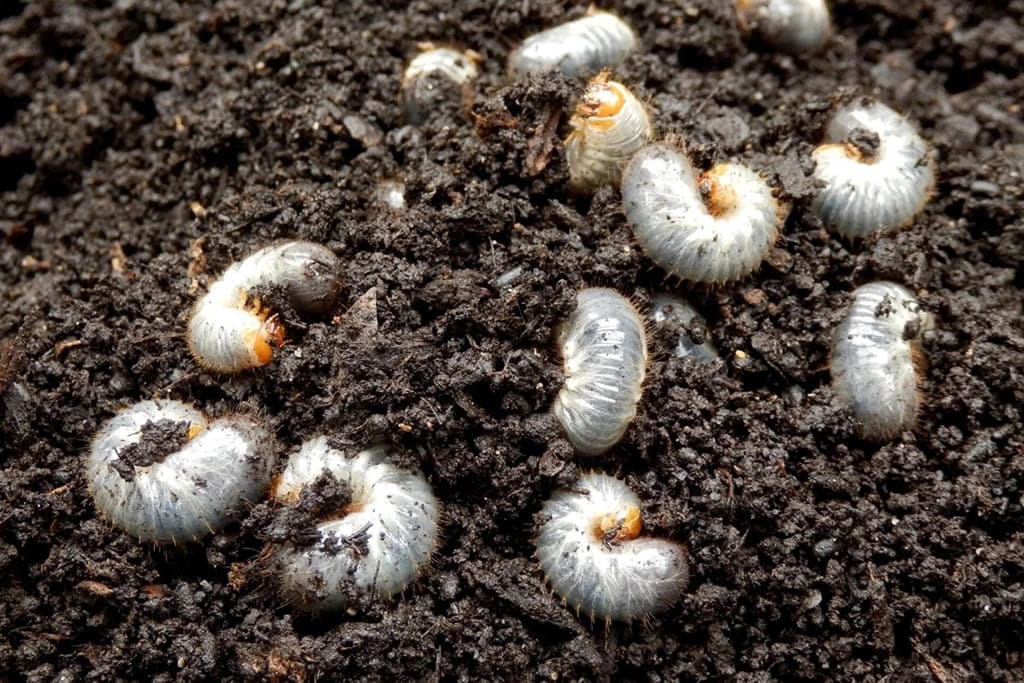
Lawn pests can cause significant damage before you even realise they’re present. Chafer grubs, leatherjackets (crane fly larvae), and other soil-dwelling pests feed on grass roots, creating brown patches that can be pulled up easily like loose carpet.
In Yorkshire, we commonly see damage from chafer grubs in late summer and autumn, whilst leatherjackets typically cause problems in spring. Birds pecking at your lawn or increased activity from badgers and foxes can indicate grub activity underground.
Pest problems often go unnoticed until damage is extensive because the pests work underground, out of sight. By the time surface symptoms appear, populations may be well established and causing significant root damage.
Professional pest control combines targeted treatments with monitoring programmes to catch infestations early. We understand local pest cycles and can time treatments for maximum effectiveness whilst minimising environmental impact.
Sign 7: Thin, Sparse Grass Coverage
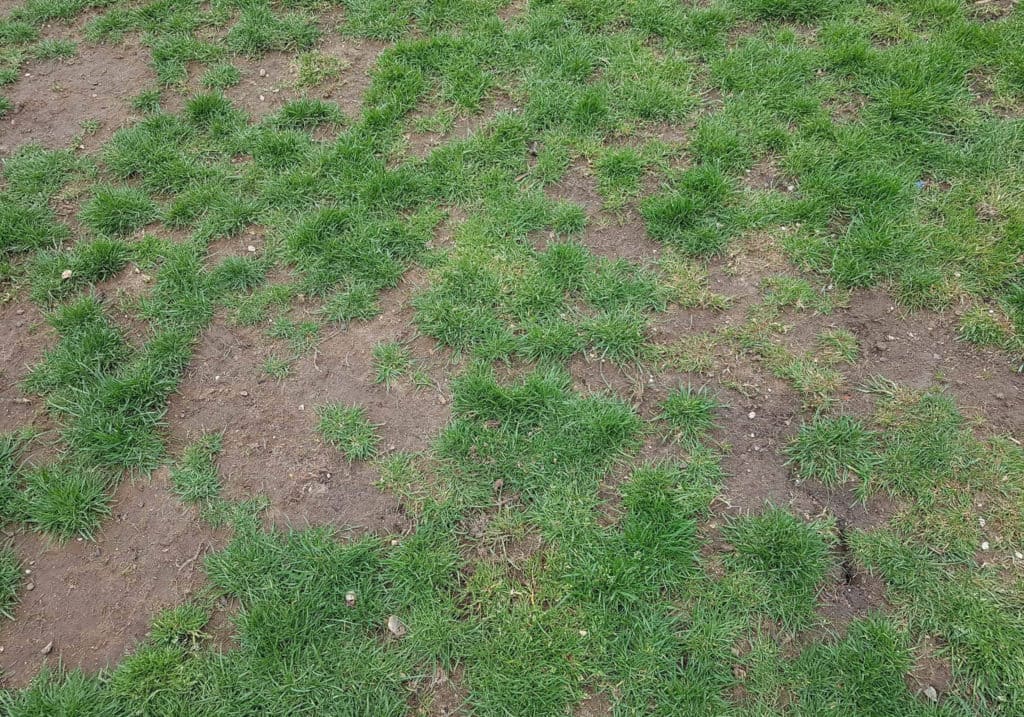
A healthy lawn should have dense grass coverage that naturally crowds out weeds and resists foot traffic. When your lawn becomes thin and patchy, with visible soil showing through, it’s struggling to maintain healthy growth.
Sparse grass can result from various factors: poor soil conditions, inadequate feeding, disease pressure, or environmental stress. Sometimes it’s a combination of issues that compound each other, making diagnosis and treatment more complex.
Overseeding alone rarely solves sparse grass problems because it doesn’t address why the original grass struggled. Seeds need ideal conditions to germinate and establish, and if those conditions aren’t present, you’ll see poor results that waste time and money.
Professional lawn renovation combines soil preparation, appropriate seed selection, and follow-up care to ensure successful grass establishment. We understand which grass varieties perform best in local conditions and how to create optimal growing environments.
Sign 8: Fungal Diseases and Unusual Growth Patterns
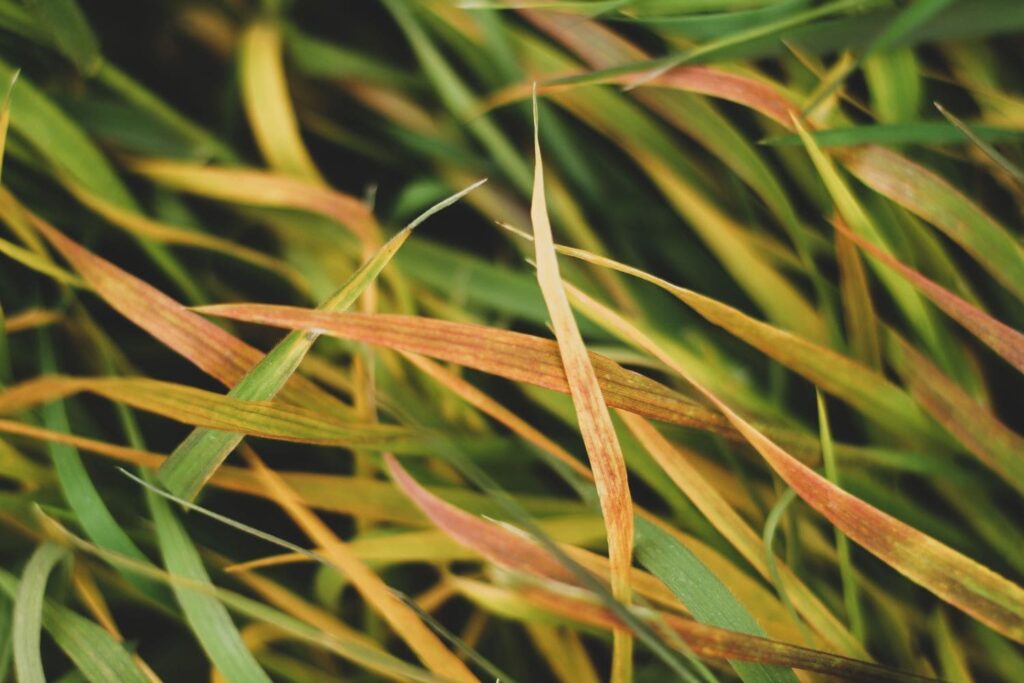
Fungal diseases create some of the most distinctive and concerning symptoms in lawns. Fairy rings produce circles of dark green grass or mushrooms, red thread creates reddish-brown patches with fine red threads visible on grass blades, and dollar spot causes small, circular brown patches about the size of a coin.
These diseases often appear suddenly and can spread rapidly under favourable conditions. Wet weather followed by warm temperatures creates perfect conditions for fungal development, which is why we see disease outbreaks after typical British summer weather patterns.
Fungal diseases require specific treatments applied at the right time and conditions to be effective. Using the wrong fungicide or applying it incorrectly can actually make problems worse whilst creating resistance in fungal populations.
Professional disease management combines accurate diagnosis, appropriate treatment selection, and environmental modification to reduce disease pressure and prevent future outbreaks.
Visit our Lawn Clinic for more infomation about fungal diseases.
Sign 9: Failed DIY Attempts and Recurring Problems
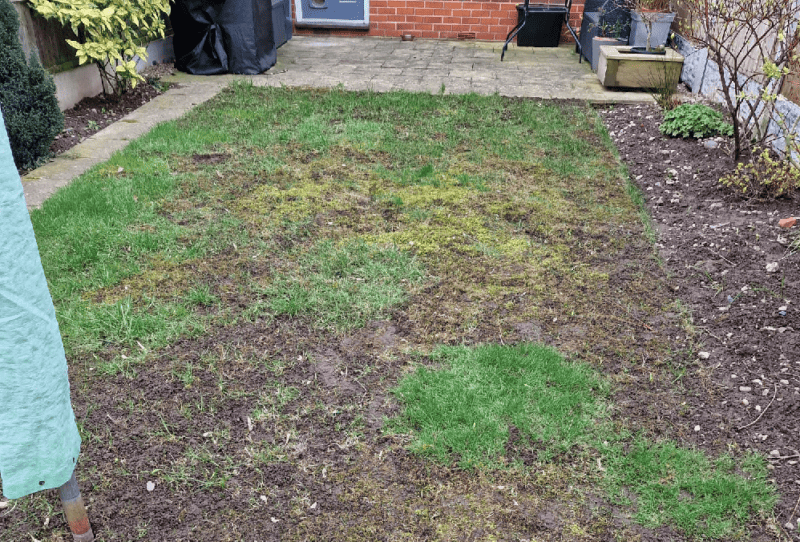
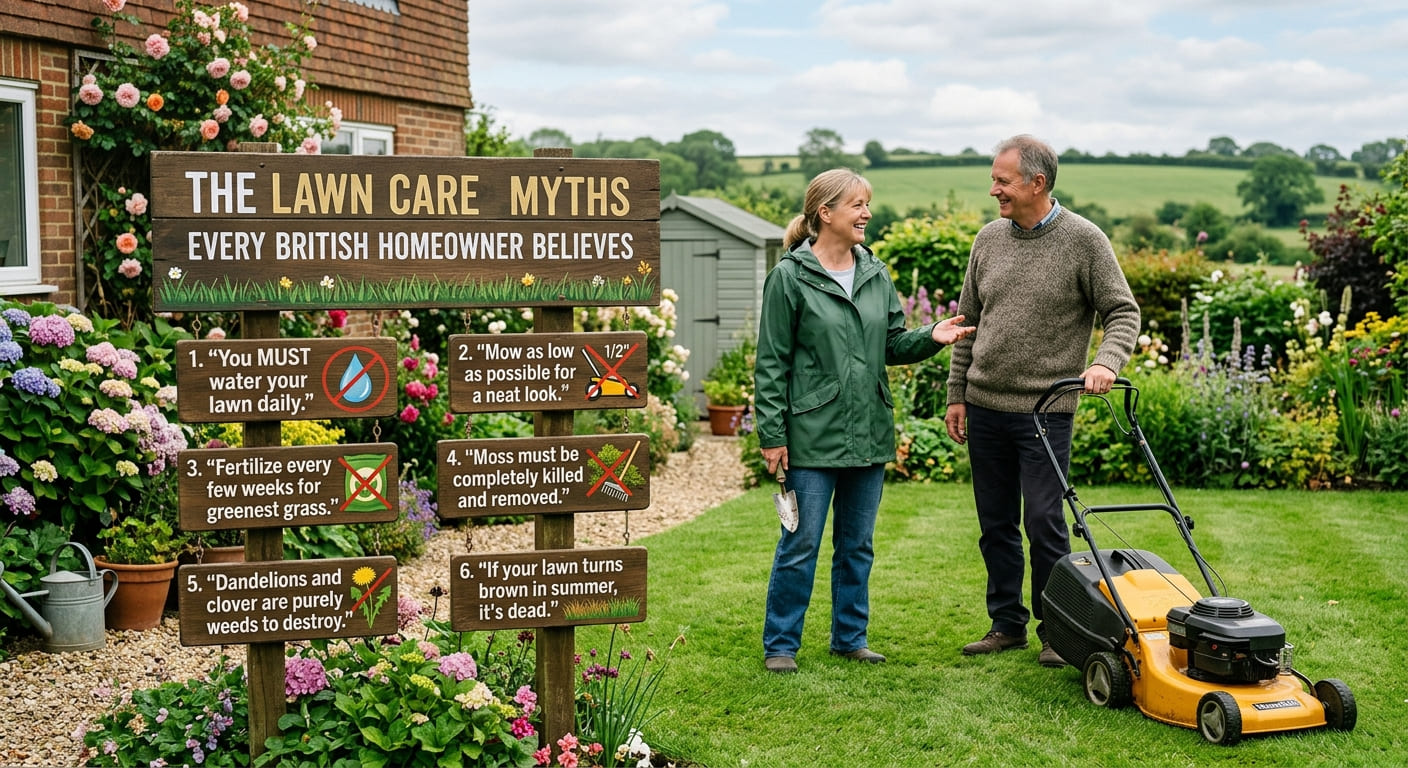
Perhaps the clearest sign that your lawn needs professional help is when your own efforts repeatedly fail to solve problems. If you’ve tried multiple products from the garden centre, followed online advice, and watched YouTube tutorials, yet your lawn continues to deteriorate, it’s time to call in the experts.
DIY lawn care often addresses symptoms rather than causes, leading to temporary improvements followed by problem recurrence. This cycle can be expensive and frustrating, with costs mounting as you try different products and approaches.
Professional lawn care starts with proper diagnosis, identifying root causes rather than just visible symptoms. This targeted approach solves problems more effectively and often more economically than repeated DIY attempts.
We’ve helped countless homeowners who were frustrated with failed DIY efforts, often discovering that problems were misdiagnosed or that treatments were applied at the wrong time or in incorrect quantities.
Sign 10: Neighbour Envy – Everyone Else’s Lawn Looks Better

If you find yourself looking longingly at neighbouring lawns and wondering why yours doesn’t look as healthy and vibrant, you’re not alone. The truth is, many of those enviable lawns receive professional lawn care or have been established under ideal conditions.
Professional maintenance makes a significant difference in lawn appearance and health. Regular feeding, disease prevention, weed control, and proper timing of treatments create cumulative benefits that become more apparent over time.
Different grass types and soil conditions also affect lawn appearance. What works in one garden might not work in another, which is why professional assessment and tailored treatment programmes are so valuable.
Creating a lawn that’s the envy of the neighbourhood isn’t about expensive treatments or complicated routines – it’s about understanding your lawn’s specific needs and providing consistent, appropriate care.
What Professional Lawn Care Can Do for You
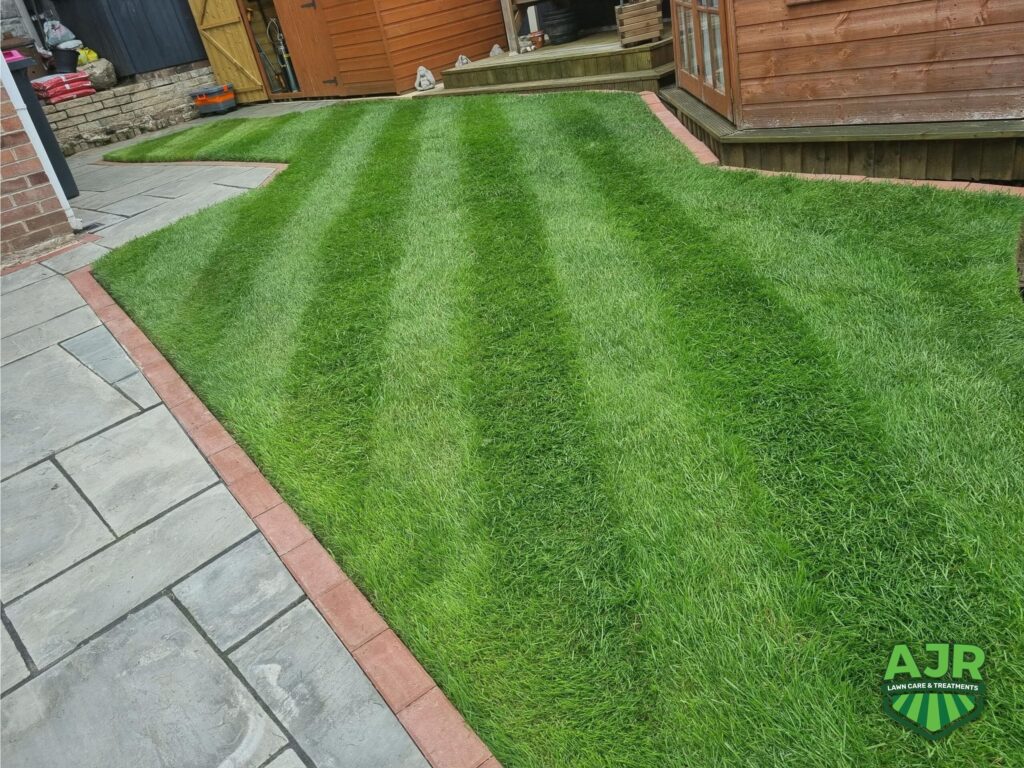
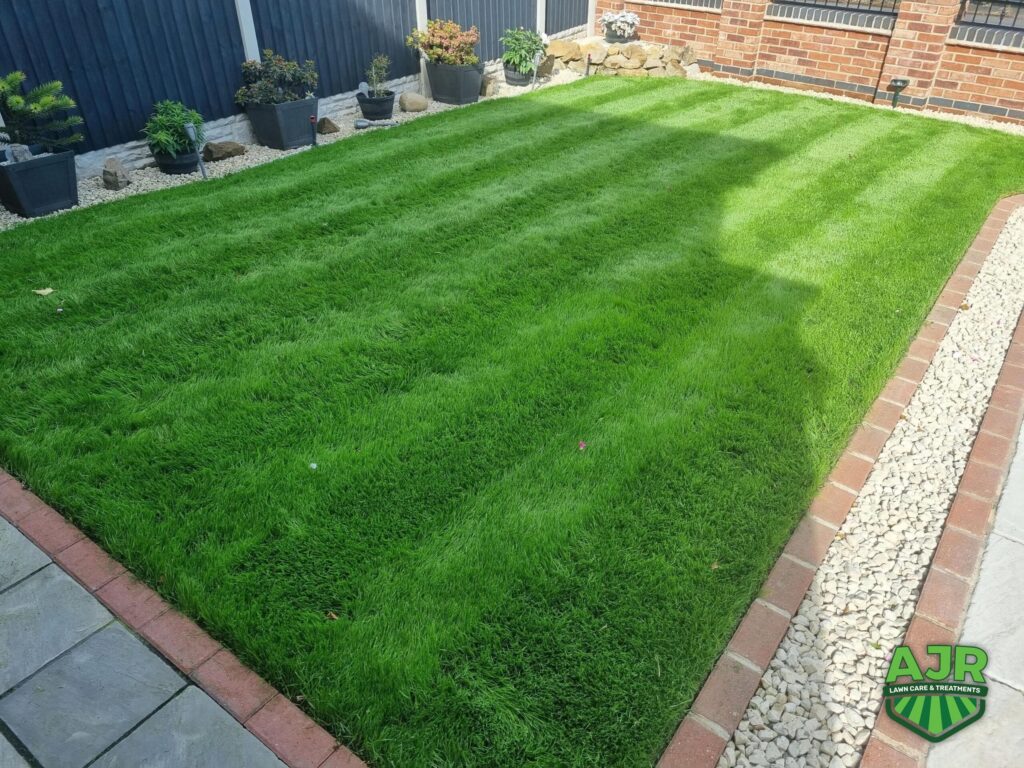
Professional lawn care goes beyond applying treatments – it’s about creating a comprehensive programme that addresses your lawn’s specific needs and your personal goals. At AJR Lawn Care, we start every relationship with a thorough assessment of your lawn’s current condition, soil characteristics, and environmental factors.
Our soil testing reveals pH levels, nutrient availability, and organic matter content, providing the foundation for a tailored treatment programme. We consider your lawn’s usage patterns, aesthetic preferences, and budget to create realistic, achievable goals.
Seasonal maintenance schedules ensure treatments are applied at optimal times for maximum effectiveness. Spring programmes focus on feeding and weed control, summer treatments address drought stress and disease prevention, whilst autumn care prepares your lawn for winter and next year’s growth.
Long-term lawn health strategies prevent problems before they occur, saving money and frustration compared to reactive treatments. Regular monitoring allows us to adjust programmes as conditions change, ensuring consistent results year after year.
Choosing the Right Lawn Care Service in Rotherham
Selecting a professional lawn care service in Rotherham, South Yorkshire is an investment in your property and peace of mind. Look for companies with local knowledge – understanding Yorkshire’s unique climate challenges, soil types, and common lawn problems makes a significant difference in treatment effectiveness.
Ask potential providers about their qualifications, insurance coverage, and treatment guarantees. Professional companies should be happy to explain their approach, provide references, and offer clear pricing structures without hidden costs.
Experience with your specific grass type and local conditions is invaluable. What works for lawns in Surrey might not be appropriate for Yorkshire gardens, and local expertise ensures treatments are tailored to regional requirements.
At AJR Lawn Care, we’re proud of our reputation in Rotherham and across South Yorkshire. Our team understands local soil conditions, weather patterns, and the specific challenges facing lawns in our area.
Conclusion – Professional Lawn Care Help
Your lawn doesn’t have to remain a source of frustration! Recognising these 10 warning signs is the first step towards achieving the healthy, vibrant lawn you’ve always wanted. Remember, professional lawn care isn’t just about fixing problems – it’s about preventing them from occurring in the first place.
At AJR Lawn Care, we’ve been helping homeowners across Rotherham and South Yorkshire transform their struggling lawns into the envy of the neighbourhood. Our comprehensive approach combines years of local expertise with proven treatment methods to deliver lasting results.
Don’t let another growing season pass by watching your lawn deteriorate. Professional intervention can address multiple problems simultaneously whilst establishing long-term health that reduces future issues. The investment in professional care often pays for itself through reduced need for costly emergency treatments and lawn renovations.
Ready to transform your lawn? Contact AJR Lawn Care today for a free, no-obligation assessment. Visit www.ajrlawncare.co.uk or give us a call to schedule your consultation. Your future self (and your neighbours!) will thank you for taking action now.
Frequently Asked Questions
How much does professional lawn care cost in Rotherham?
Professional lawn care costs vary depending on lawn size, current condition, and treatment requirements. At AJR Lawn Care, we provide transparent pricing after assessing your specific needs. Most homeowners find that professional care costs less than repeated DIY attempts and delivers far better results. We offer flexible programmes from one-off treatments to annual maintenance plans, ensuring there’s an option for every budget.
When is the best time to start professional lawn treatments?
The optimal time to begin professional lawn care depends on your lawn’s current condition and the treatments needed. However, spring (March-May) is generally ideal for starting comprehensive programmes as grass begins active growth. That said, many treatments can be effective year-round – moss control works well in autumn and winter, whilst disease treatments should be applied as soon as symptoms appear. We can assess your lawn any time and recommend the best starting point.
How quickly will I see results from professional lawn treatments?
Results vary depending on the treatments applied and your lawn’s starting condition. Some improvements, like weed control and moss treatment, can be visible within 2-4 weeks. However, significant improvements in grass density, colour, and overall health typically take a full growing season to become apparent. Soil improvements and renovation work may take 12-18 months to show full results. We’ll provide realistic timelines during your consultation.
Can professional treatments harm my pets or children?
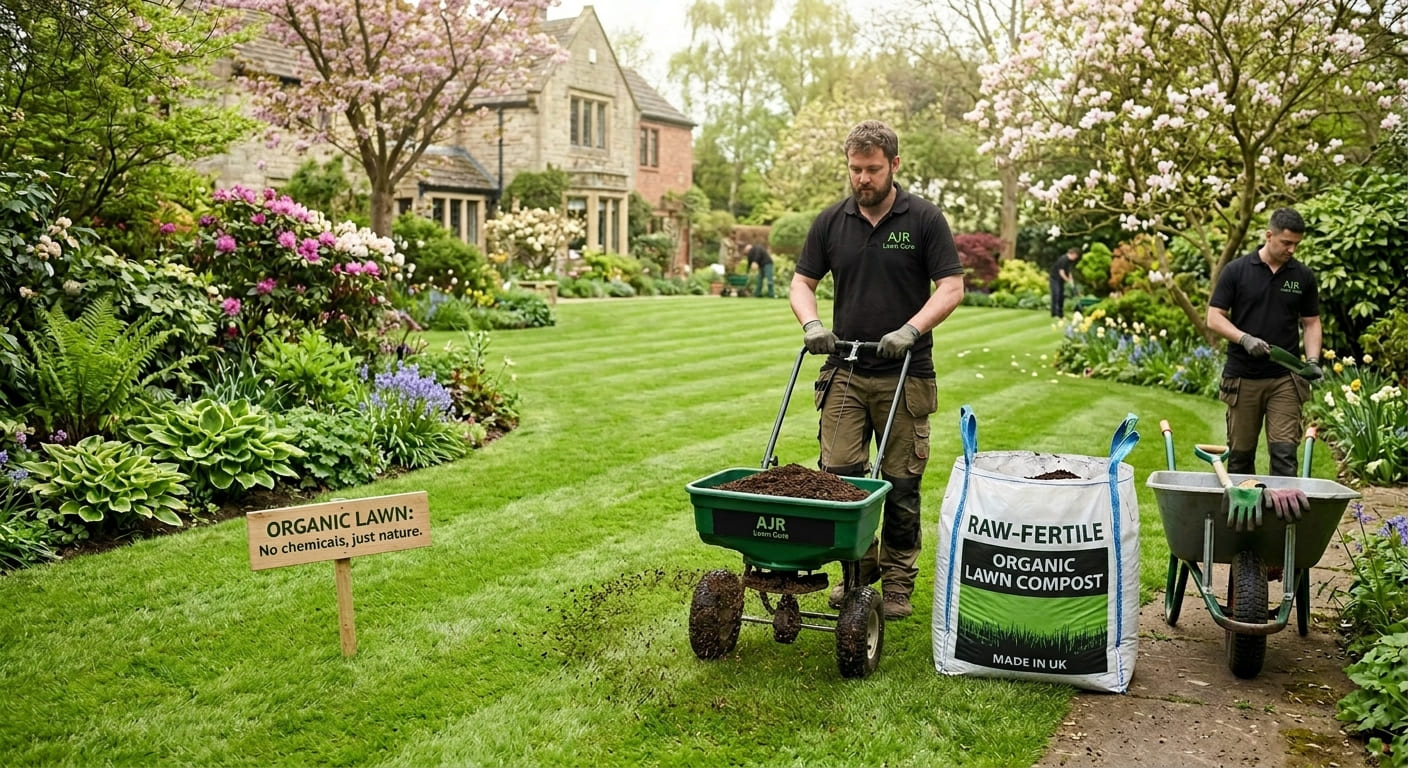
Modern professional lawn treatments are designed with safety in mind. We use approved products applied by qualified technicians according to strict guidelines. Most treatments require keeping pets and children off treated areas for a few hours until the product has dried. We always provide clear aftercare instructions and can discuss organic or reduced-chemical options if you have specific concerns about family safety.
What's the difference between professional treatment and DIY products from garden centres?
Professional treatments use higher-quality, more concentrated products that aren’t available to consumers. We have access to selective herbicides that target specific weeds without harming grass, controlled-release fertilisers that provide consistent feeding, and disease treatments formulated for professional use. More importantly, we provide expert diagnosis, proper application timing, and appropriate rates – factors that are often more important than the products themselves in achieving lasting results.