
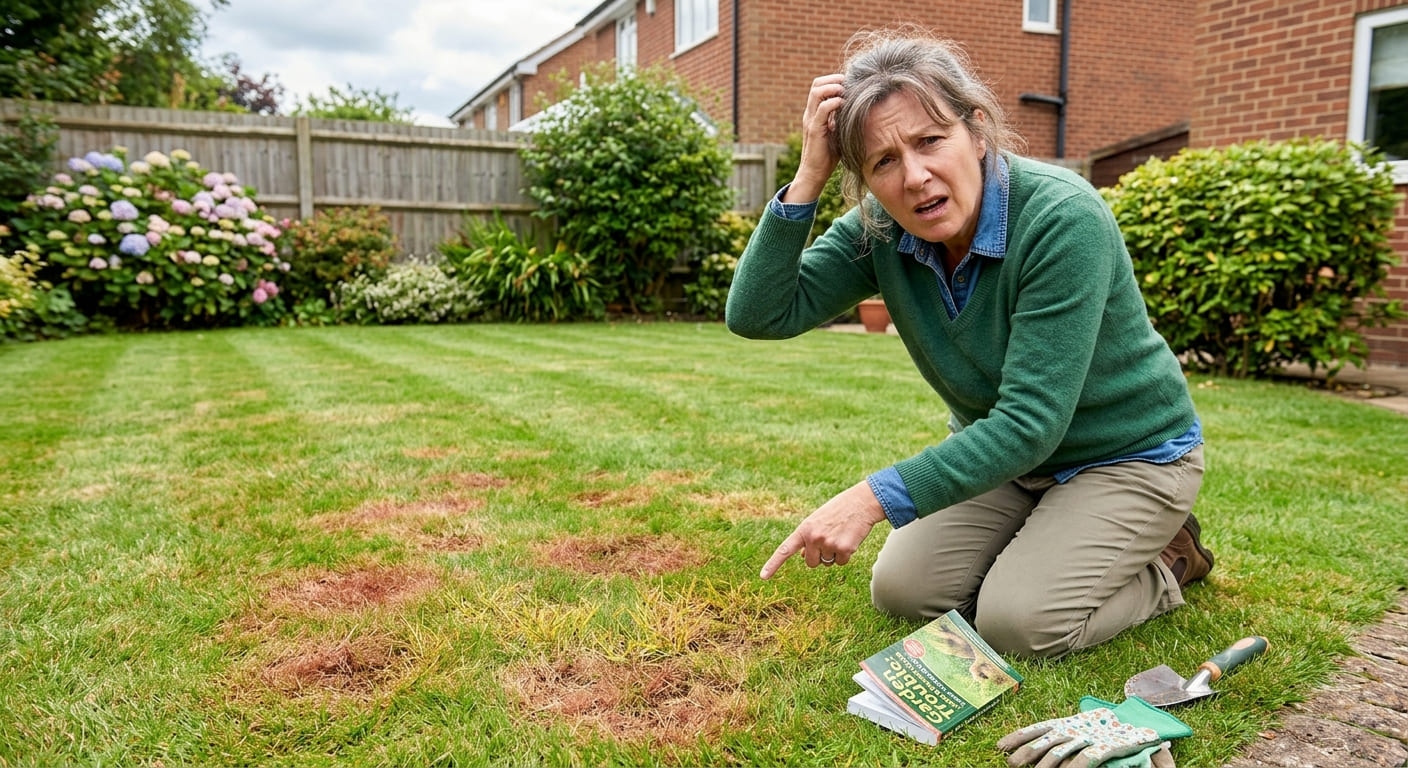
Your lawn is trying to tell you something, but are you listening? That mysterious yellowing patch by the patio, the circular brown spots appearing after recent rainfall, or the strange powdery coating on your grass blades aren’t just cosmetic issues – they’re your lawn’s way of crying for help.
Here’s a startling fact: 85% of lawn problems that homeowners attribute to “drought stress” or “dog damage” are actually fungal diseases that could be prevented or treated if caught early! After diagnosing and treating lawn diseases across Rotherham and South Yorkshire for over a decade, I can tell you that early recognition is absolutely crucial for successful treatment.
Just like human illnesses, grass diseases have distinct symptoms, causes, and treatments. The difference between a healthy lawn and a diseased disaster often comes down to knowing what to look for and acting quickly. Let me share the insider knowledge that will help you become your lawn’s best doctor!
Understanding How Grass Gets Sick
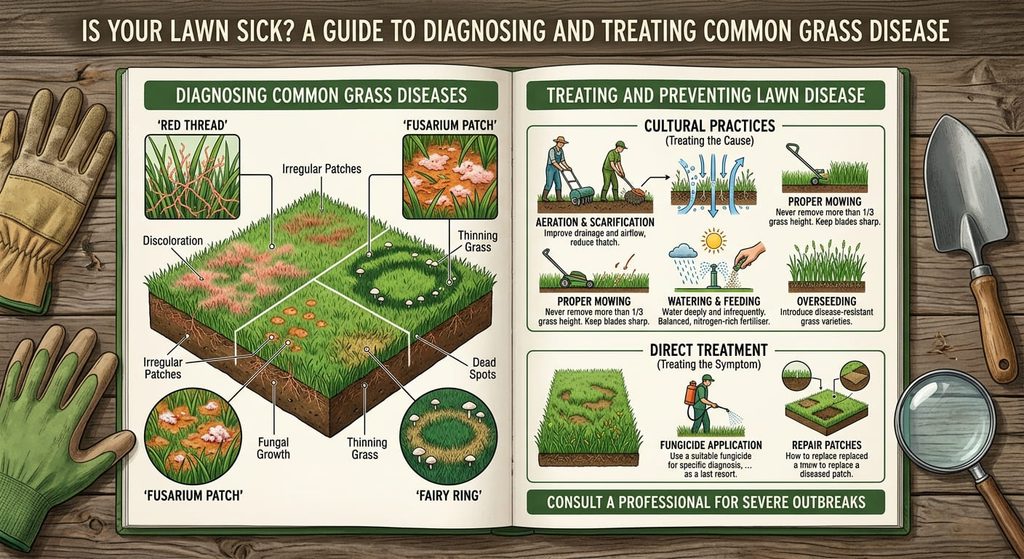
Before we dive into specific diseases, it’s important to understand that grass diseases aren’t random occurrences – they’re opportunistic infections that exploit weakened or stressed turf. Think of your lawn’s immune system: healthy, vigorous grass can fight off most disease pressure naturally, whilst stressed or compromised grass becomes vulnerable to infection.
Environmental stress factors create the perfect storm for disease development. In South Yorkshire, our variable weather patterns – particularly the combination of warm days and cool, humid nights during spring and autumn – create ideal conditions for fungal spore germination and spread.
Cultural stress factors like inappropriate mowing heights, overwatering, poor air circulation, and nutrient imbalances weaken grass plants and make them susceptible to disease pressure. Often, what appears to be a disease problem is actually a symptom of underlying cultural issues.
The disease triangle explains why diseases occur: you need a susceptible host (stressed grass), a pathogen (disease organism), and favourable environmental conditions all present simultaneously. Remove any one element, and disease won’t develop.
Understanding this triangle is crucial because it shows us that successful disease management isn’t just about applying fungicides – it’s about managing all three factors to prevent disease establishment and spread.
Red Flag Symptoms: When Your Lawn Needs Immediate Attention
Learning to recognise early disease symptoms can mean the difference between a simple treatment and complete lawn renovation. Here are the warning signs that should send you into immediate action:
Sudden colour changes that don’t follow expected patterns. Healthy grass yellows gradually and uniformly during drought stress, but disease creates irregular patterns, distinct borders, or rapid colour changes that appear almost overnight.
Circular or ring patterns are almost always disease-related rather than cultural problems. Perfect circles, expanding rings, or arc-shaped patterns indicate fungal activity that won’t resolve without targeted treatment.
Texture changes like slimy, water-soaked grass blades, powdery coatings, or areas that feel different when you walk across them signal active disease processes that require immediate intervention.
Morning symptoms that improve during the day often indicate fungal diseases. Many lawn diseases are most visible in early morning when humidity is high and spores are actively spreading.
Rapid spread distinguishes diseases from most cultural problems. If damaged areas are expanding noticeably day by day, you’re likely dealing with an active infection rather than environmental stress.
Unusual smells like fishy, sour, or musty odours emanating from affected areas indicate bacterial or advanced fungal infections that require immediate professional attention.
Disease Diagnosis Guide: The Most Common UK Lawn Diseases
Brown Patch Disease (Rhizoctonia solani)
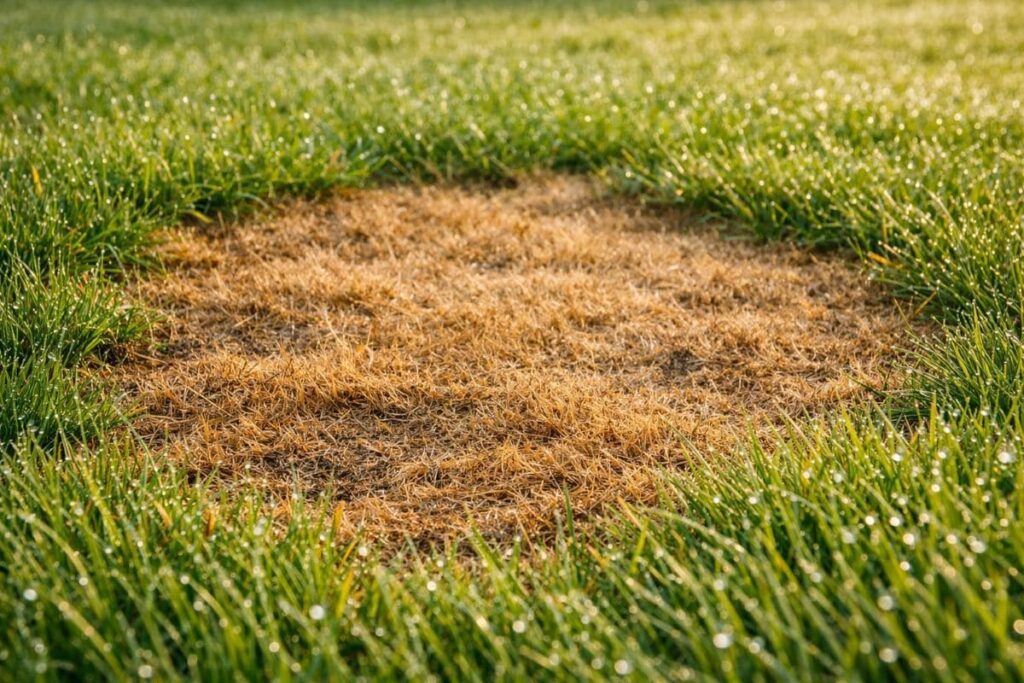
What it looks like: Circular brown patches ranging from 30cm to several metres in diameter, often with a distinctive “smoke ring” of darker grass around the edges. The centre may recover partially, creating a doughnut effect. Grass blades have tan lesions with dark brown borders.
When it strikes: Most active during warm, humid conditions with temperatures between 20-30°C. In South Yorkshire, we see peak activity during July and August, particularly after thunderstorms or extended periods of high humidity.
Why it happens: Brown patch thrives on excessive nitrogen, overwatering, poor air circulation, and dense thatch layers. Lawns with heavy clay soils or poor drainage are particularly susceptible.
DIY treatment options: Immediately stop watering affected areas, improve air circulation by pruning nearby shrubs, reduce nitrogen fertilisation, and apply preventive cultural practices. Light fungicide applications may help if caught very early.
When to call professionals: If patches exceed 1 metre in diameter, are spreading rapidly, or if you see the characteristic smoke ring pattern. Professional treatment includes targeted fungicides, cultural modification recommendations, and prevention strategies.
Fairy Ring (Various Basidiomycete Fungi)
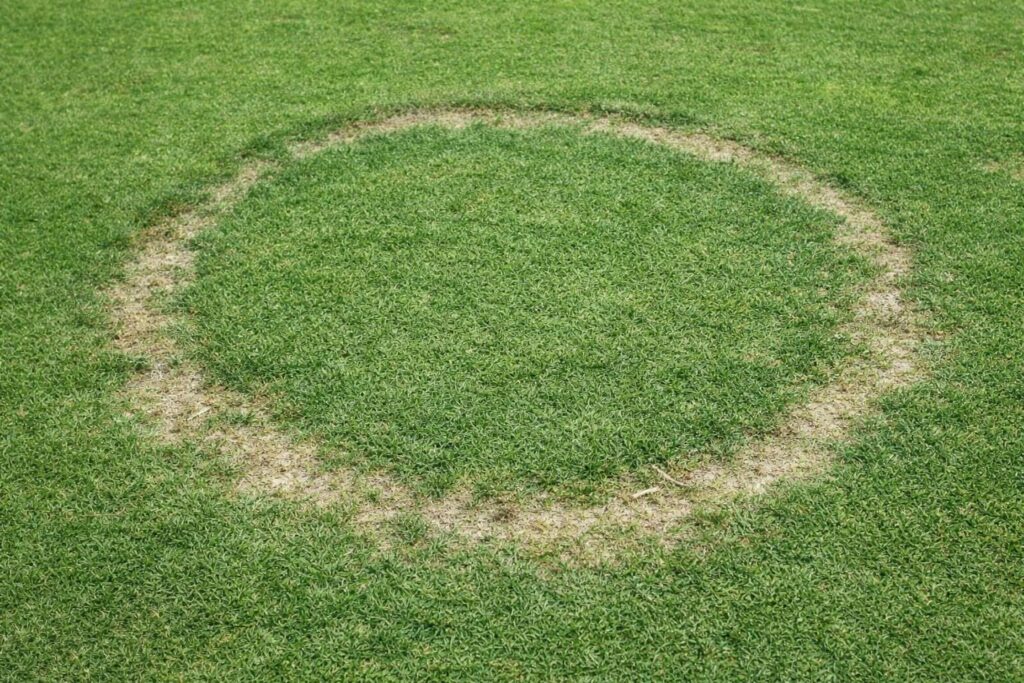
What it looks like: Perfect circles or arcs of either dark green stimulated grass, dead brown grass, or rings of mushrooms. Rings typically expand outward each year, and soil beneath may appear dry and water-repellent.
When it strikes: Most visible during spring and autumn when moisture levels are optimal for fungal activity. Mushrooms typically appear after rainfall during these periods.
Why it happens: Fairy rings develop from fungal networks in soil that consume organic matter, often starting from buried wood, roots, or other organic debris. The fungi create hydrophobic soil conditions and release nitrogen that stimulates grass growth.
DIY treatment options: Limited effectiveness with DIY approaches. Frequent watering of affected areas, soil aeration, and removal of visible mushrooms may reduce symptoms temporarily.
When to call professionals: Fairy rings require specialised treatment including deep water injection, targeted fungicides, and soil modification. Professional intervention is recommended for all but the mildest cases.
Powdery Mildew (Blumeria graminis)
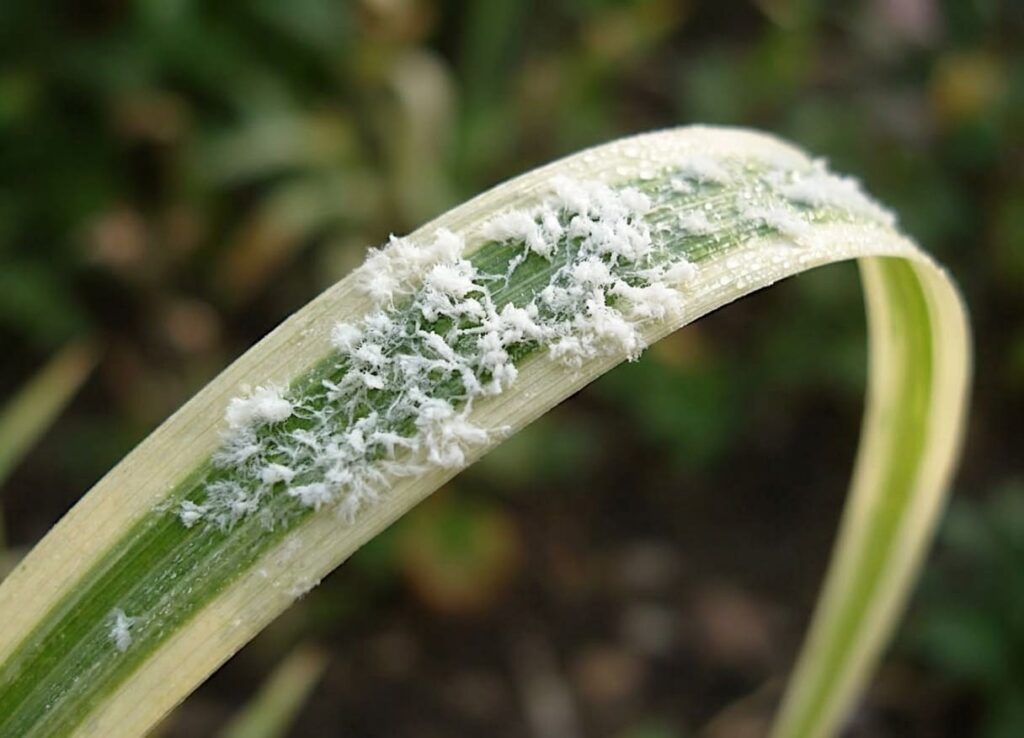
What it looks like: White or greyish powdery coating on grass blades, similar to flour dusting. Affected areas appear whitish from a distance and grass may yellow underneath the coating.
When it strikes: Most common during cool, humid conditions with poor air circulation. In the UK, peak activity occurs during spring and autumn, particularly in shaded areas.
Why it happens: Powdery mildew thrives in areas with poor air circulation, excessive shade, high humidity, and dense grass growth. Overfertilisation with nitrogen can worsen infections.
DIY treatment options: Improve air circulation, reduce shade where possible, avoid overhead watering, and ensure proper spacing of grass plants. Milk spray solutions (1 part milk to 10 parts water) can provide mild control.
When to call professionals: If the infection covers large areas, persists despite cultural modifications, or recurs annually. Professional treatment includes targeted fungicides and comprehensive cultural recommendations.
Red Thread Disease (Laetisaria fuciformis)
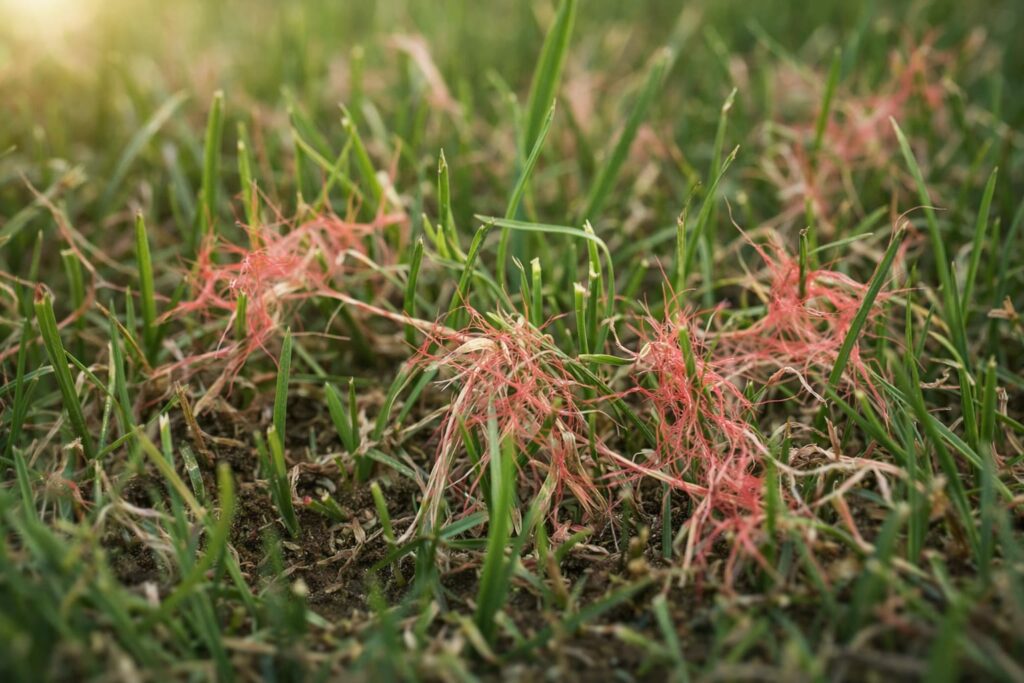
What it looks like: Irregular patches of bleached, tan, or pinkish grass with characteristic red or pink thread-like growths extending from grass blade tips. Most noticeable during humid conditions.
When it strikes: Most active during cool, moist conditions in spring and autumn. Temperatures between 15-20°C with high humidity create optimal conditions.
Why it happens: Red thread typically indicates nitrogen deficiency and attacks slow-growing, nutritionally stressed grass. Poor soil fertility and low nitrogen levels make grass susceptible.
DIY treatment options: Apply balanced fertiliser with adequate nitrogen, improve soil drainage, reduce thatch buildup, and ensure the correct mowing practices. Often resolves with improved nutrition.
When to call professionals: If the disease persists after fertilisation, covers large areas, or occurs alongside other diseases. May indicate more complex soil fertility issues requiring professional soil testing.
Dollar Spot Disease (Clarireedia spp.)
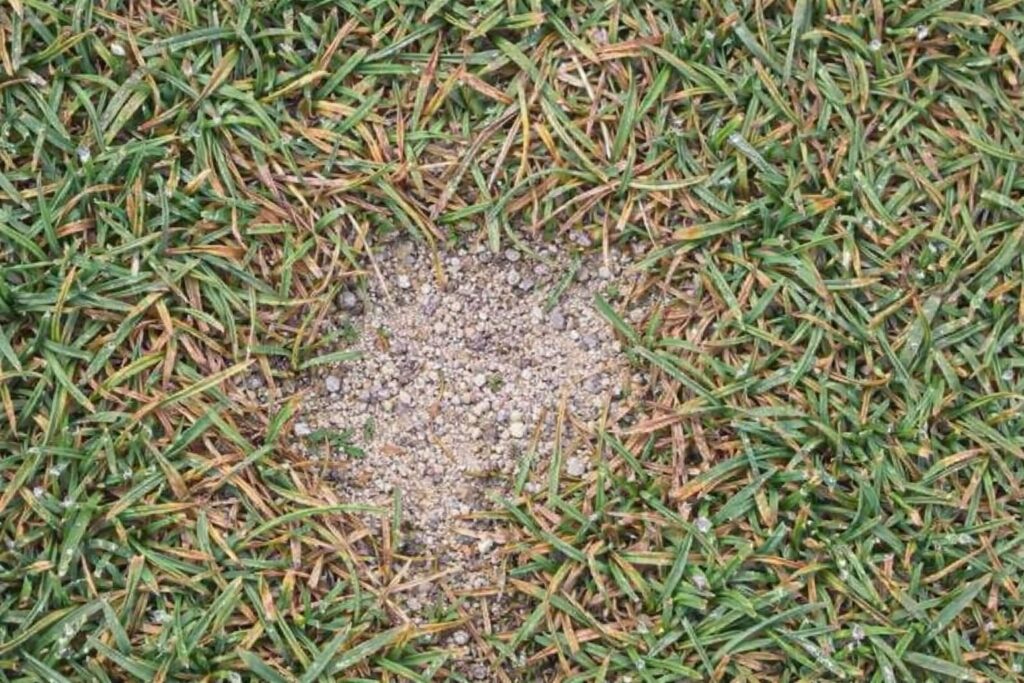
What it looks like: Small, circular bleached spots about the size of a ten pence coin, often numerous across affected areas. Individual grass blades show tan lesions with reddish-brown borders.
When it strikes: Most active during warm days and cool nights with moderate humidity. Peak activity in late spring through early autumn when temperatures range from 15-30°C.
Why it happens: Dollar spot thrives on low nitrogen levels, drought stress, excessive thatch, and poor air circulation. Morning dew prolongs leaf wetness and encourages infection.
DIY treatment options: Increase nitrogen fertilisation, water deeply but infrequently, improve air circulation, and reduce thatch levels. Early morning watering helps reduce disease pressure.
When to call professionals: If spots are numerous, merging together, or recurring despite improved cultural practices. Professional diagnosis can distinguish dollar spot from other similar diseases.
Take-All Root Rot (Gaeumannomyces graminis)
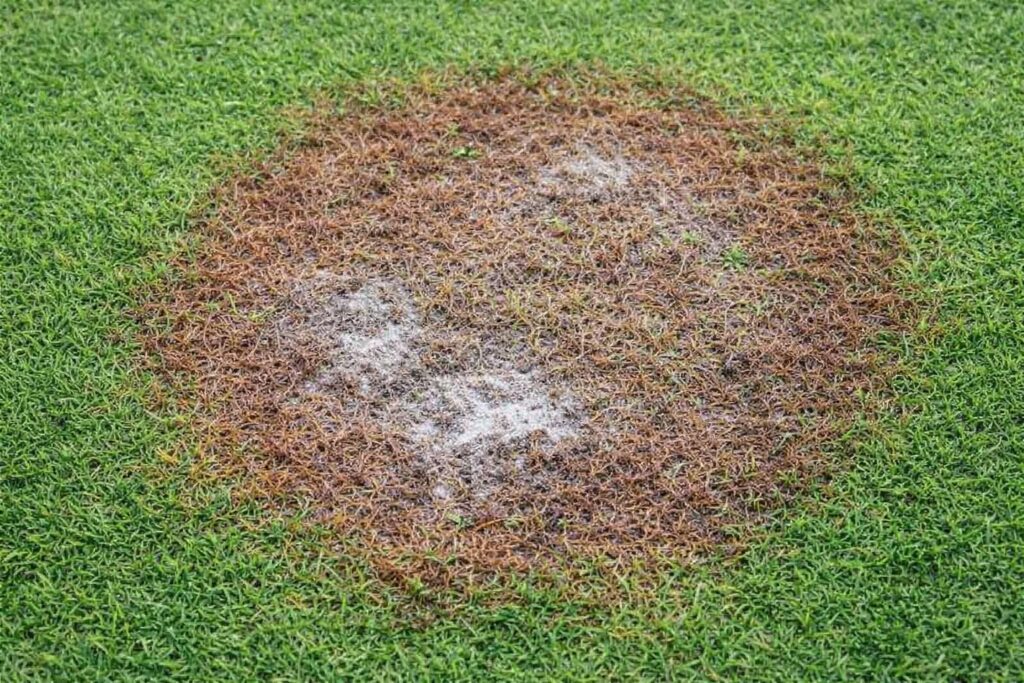
What it looks like: Irregular patches of yellowing, thinning grass that gradually dies back. Roots appear black and rotted, and affected areas may have a distinct border between healthy and diseased turf.
When it strikes: Most problematic during stress periods, particularly drought or heat stress. Symptoms are most visible in summer when grass is under environmental pressure.
Why it happens: Take-all root rot is encouraged by alkaline soils, excessive moisture, and high pH levels. Recently laid turf or newly seeded areas are particularly susceptible.
DIY treatment options: Improve drainage, avoid overwatering, apply acidifying fertilisers to reduce soil pH, and ensure adequate potassium levels. Cultural practices are more important than fungicide applications.
When to call professionals: Take-all root rot requires comprehensive soil testing and pH management that’s difficult to achieve without professional expertise. Early intervention prevents extensive damage.
Environmental Factors That Trigger Disease
Understanding when your lawn is most vulnerable helps prevent disease problems before they start. Several environmental factors create perfect conditions for disease development, and recognising these patterns helps you take preventive action.
Temperature and humidity combinations are critical triggers. Many diseases require specific temperature ranges combined with high humidity or extended leaf wetness periods. Our South Yorkshire climate provides these conditions regularly during spring and autumn transitions.
Moisture patterns dramatically affect disease pressure. Frequent light watering, overhead irrigation during evening hours, and prolonged periods of high humidity all encourage disease development. Conversely, deep, infrequent watering during morning hours reduces disease pressure significantly.
Air circulation plays a crucial role in disease prevention. Areas surrounded by fences, buildings, or dense plantings that restrict air movement stay humid longer and are more prone to disease development.
Seasonal stress periods make grass more susceptible to disease. Spring emergence, summer heat stress, and autumn dormancy preparation all create windows of vulnerability when diseases can establish more easily.
Weather pattern recognition helps predict disease outbreaks. Extended periods of warm days followed by cool, humid nights, frequent rainfall followed by humid conditions, and rapid temperature fluctuations all signal increased disease risk.
The Role of Lawn Care Practices in Disease Prevention
Many lawn diseases are preventable through the correct cultural practices that maintain grass health and reduce stress factors. Understanding how your maintenance routine affects disease pressure helps you make informed decisions about lawn care.
Mowing practices significantly impact disease development. Cutting too short stresses grass and creates entry points for pathogens, whilst cutting too infrequently allows diseases to establish in dense growth. Sharp blades prevent tissue damage that invites infection.
Watering techniques can either prevent or promote disease problems. Deep, infrequent watering encourages strong root development and reduces leaf wetness periods, whilst frequent shallow watering keeps soil surface moist and encourages shallow rooting that’s vulnerable to disease.
Fertilisation timing and ratios affect grass susceptibility to different diseases. Excessive nitrogen promotes succulent growth that’s vulnerable to many fungal diseases, whilst balanced nutrition supports natural disease resistance.
Thatch management is crucial for disease prevention. Thick thatch layers hold moisture, reduce air circulation, and provide perfect conditions for disease development. Regular scarification and appropriate maintenance prevent problematic thatch buildup.
Soil health maintenance through proper pH management, organic matter incorporation, and drainage improvements creates conditions that naturally suppress many disease organisms whilst promoting beneficial microorganisms.
Treatment Strategies: When and How to Intervene
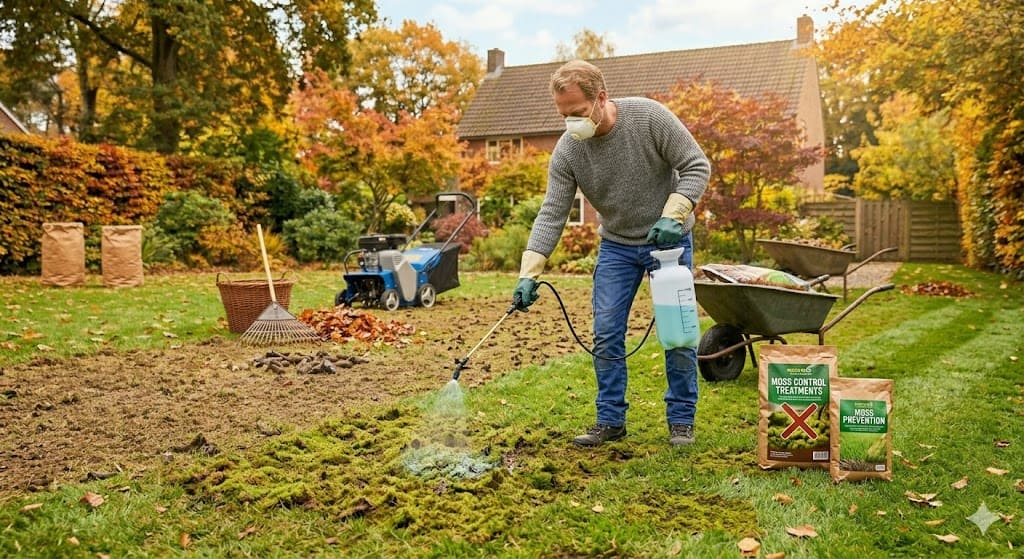
Successful disease treatment requires understanding that different diseases respond to different approaches, and timing is absolutely critical for effectiveness. Here’s how to approach treatment decisions systematically.
Immediate action steps for suspected disease problems include isolating affected areas to prevent spread, adjusting watering practices to reduce humidity, improving air circulation where possible, and documenting symptoms with photos for professional consultation.
Cultural modifications should be implemented immediately regardless of disease type. These include adjusting mowing height, modifying watering schedules, reducing nitrogen applications, and improving drainage in affected areas.
Fungicide considerations require understanding that different diseases need different active ingredients, timing is crucial for effectiveness, and multiple applications may be necessary. Many homeowner products are preventive rather than curative and won’t help established infections.
Recovery support involves creating optimal conditions for grass recovery through appropriate fertilisation, overseeding where necessary, and maintaining consistent care practices that support healthy regrowth.
Monitoring and follow-up ensures treatments are working and helps prevent reoccurrence. Successful disease management is an ongoing process, not a one-time treatment.
Prevention: Your Best Defence Against Lawn Diseases
The old saying “prevention is better than cure” applies perfectly to lawn diseases. Creating conditions that naturally resist disease development is more effective and less expensive than treating established infections.
Variety selection plays a crucial role in disease resistance. Different grass species and cultivars have varying susceptibility to specific diseases. Professional recommendations based on your specific site conditions can dramatically reduce disease pressure.
Soil health programmes that maintain proper pH, adequate drainage, and balanced nutrition create environments where beneficial microorganisms outcompete disease-causing pathogens.
Cultural practice consistency including appropriate mowing schedules, proper watering techniques, and seasonal maintenance routines maintains grass health and reduces stress that leads to disease susceptibility.
Environmental modifications such as improving air circulation, reducing shade where possible, and managing water drainage eliminate conditions that favour disease development.
Early detection systems involve regular monitoring, understanding seasonal disease patterns, and recognising early warning signs before diseases become established.
When Professional Help Becomes Essential
While some minor disease issues can be managed with proper cultural practices, certain situations require professional expertise to achieve successful outcomes and prevent recurring problems.
Complex disease identification often requires laboratory analysis to distinguish between similar diseases that require different treatment approaches. Misidentification leads to ineffective treatments and wasted time and money.
Severe infections that cover large areas, are spreading rapidly, or involve multiple disease types simultaneously need comprehensive treatment programmes that coordinate different approaches and timing.
Recurring problems that return despite appropriate cultural practices indicate underlying issues that require professional soil testing, site evaluation, and systematic correction programmes.
Preventive programmes for high-value lawns or areas with chronic disease problems benefit from professional monitoring and proactive treatment schedules that prevent problems before they develop.
Integrated management combining cultural practices, environmental modifications, and targeted treatments requires expertise and coordination that most homeowners can’t manage effectively alone.
Recovery and Restoration After Disease Treatment
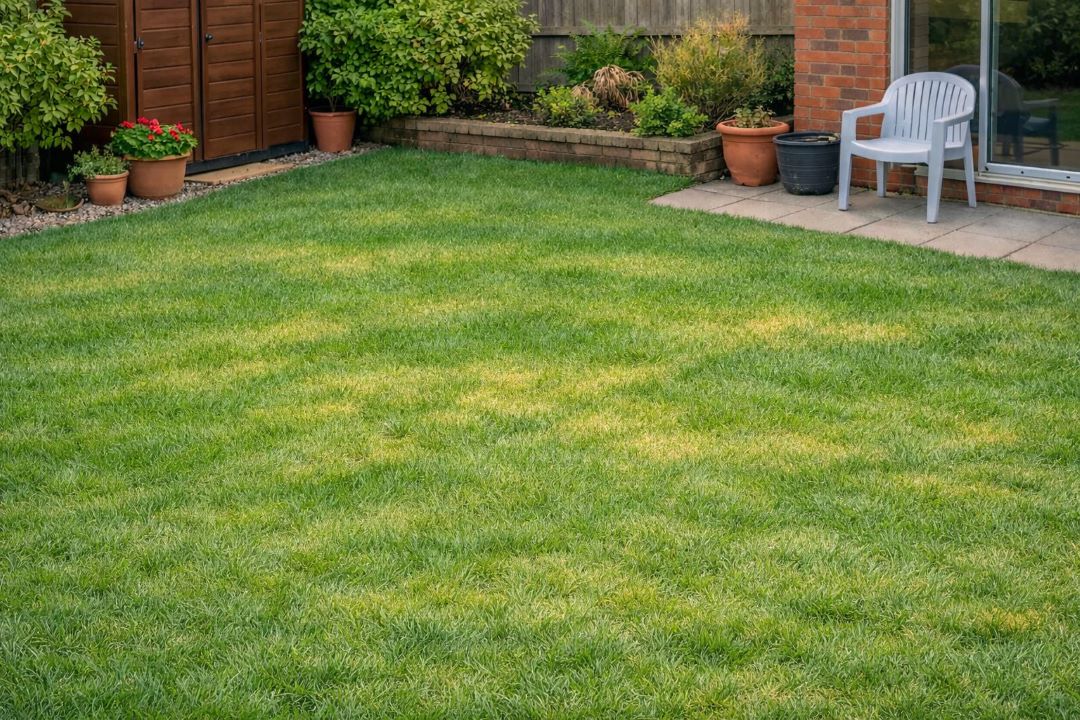
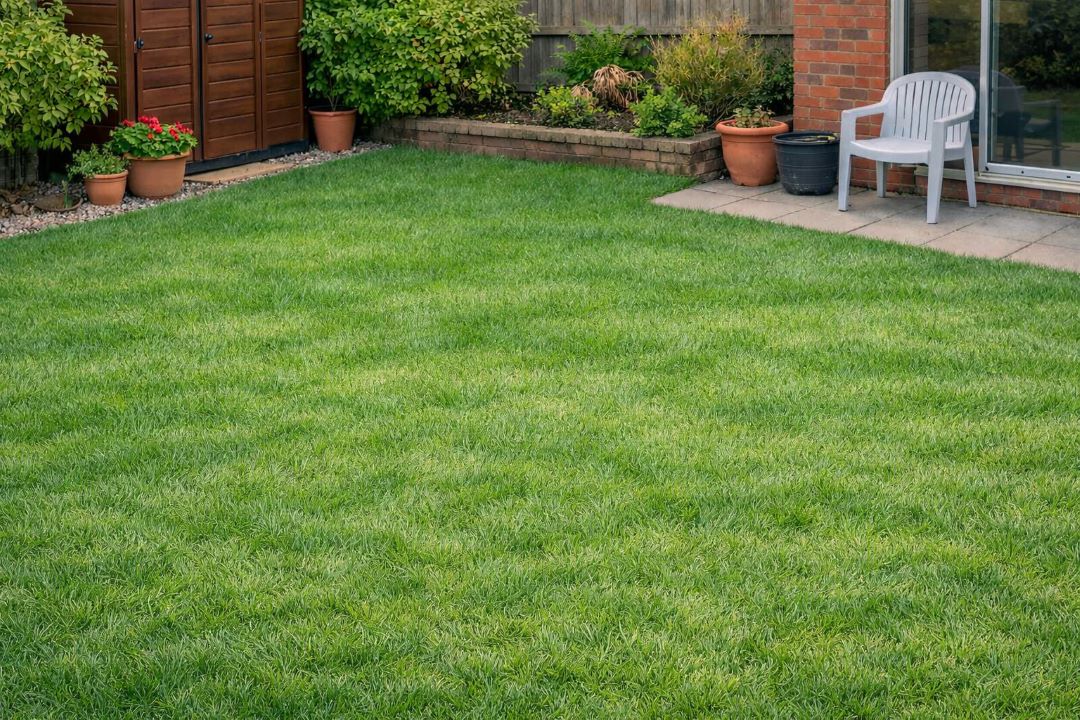
Successfully treating the disease is only half the battle – restoring your lawn to full health requires ongoing attention and appropriate recovery support.
Patience during recovery is essential because grass healing takes time, particularly after severe infections. Visible improvement may take several weeks, and complete recovery can require an entire growing season.
Supporting regrowth through appropriate fertilisation, overseeding where necessary, and consistent watering helps grass fill in areas damaged by disease and creates competitive conditions that resist reinfection.
Monitoring for reoccurrence involves watching for early signs of the same disease returning and maintaining cultural practices that prevented the original infection.
Long-term prevention includes ongoing soil health management, appropriate variety selection for problem areas, and seasonal preventive treatments where necessary.
Professional follow-up ensures treatments were successful and helps fine-tune maintenance practices to prevent future problems.
Conclusion
Your lawn’s health is a reflection of how well you understand and respond to its needs. Grass diseases aren’t mysterious afflictions that strike randomly – they’re predictable problems that develop when grass becomes stressed and environmental conditions favour disease development.
The key to successful disease management is early recognition, prompt action, and understanding that treatment goes beyond just applying fungicides. Creating conditions that naturally resist disease development through proper cultural practices is your most powerful tool for maintaining a healthy, disease-free lawn.
Remember that some disease problems require professional expertise to diagnose accurately and treat effectively. Don’t hesitate to seek professional help when you’re facing complex issues, severe infections, or recurring problems that resist your DIY efforts.
If you’re concerned about potential disease issues in your Rotherham lawn, or if you’re seeing symptoms that match the descriptions in this guide, don’t wait for problems to worsen. Early intervention is always more effective and less expensive than treating established diseases.
At AJR Lawn Care, we’ve successfully diagnosed and treated every type of grass disease common to South Yorkshire lawns. Our comprehensive approach addresses not just the immediate disease problem but also the underlying conditions that allowed it to develop, ensuring long-term lawn health and beauty.
Ready to give your lawn the health check it deserves? Contact AJR Lawn Care today for professional disease diagnosis and treatment. Let’s work together to keep your lawn healthy, beautiful, and disease-free throughout the year.
Frequently Asked Questions
How can I tell the difference between disease and other lawn problems like drought or nutrient deficiency?
Disease problems typically show irregular patterns, distinct borders between healthy and affected grass, and rapid changes in appearance. Drought stress creates uniform yellowing that progresses gradually, whilst nutrient deficiencies usually affect the entire lawn evenly. Diseases often have characteristic symptoms like circular patterns, unusual textures, or specific colour changes that don’t match environmental stress patterns. When in doubt, professional diagnosis can distinguish between these issues accurately.
Are lawn diseases contagious to neighbouring properties?
Most fungal diseases can spread through airborne spores, contaminated equipment, foot traffic, or water movement, but this varies significantly by disease type. Brown patch and powdery mildew can potentially spread to adjacent lawns under favourable conditions, whilst diseases like fairy ring are typically site-specific. Proper sanitation practices, including cleaning mower blades and avoiding foot traffic through infected areas, help prevent spread both within your lawn and to neighbouring properties.
What's the best time of year to treat lawn diseases in the UK?
Treatment timing depends on the specific disease, but most fungal diseases are best treated during their active growth periods when they’re most susceptible to fungicides. Spring and early autumn are typically optimal for most disease treatments in the UK climate. Preventive treatments should be applied before disease pressure periods, whilst curative treatments work best at the first sign of symptoms. Professional timing recommendations consider weather patterns, disease lifecycle, and product effectiveness windows.
Can I prevent lawn diseases without using chemicals?
Many diseases can be prevented through cultural practices alone, including proper mowing, appropriate watering techniques, adequate fertilisation, thatch management, and soil health maintenance. Choosing disease-resistant grass varieties, improving drainage, increasing air circulation, and maintaining optimal growing conditions significantly reduce disease pressure. However, some diseases may require targeted fungicide applications for effective control, particularly in high-pressure environments or during severe infections.
How long does it typically take to see results from disease treatments?
Treatment results vary significantly by disease type and severity. Fungicide applications typically show initial effects within 7-14 days, with complete control taking 3-4 weeks for most diseases. Cultural modifications like watering and fertilisation changes may take several weeks to months to show full benefits. Grass recovery and regrowth in severely damaged areas can require an entire growing season. Professional treatments often include realistic timeline expectations and progress monitoring to ensure successful outcomes.



