
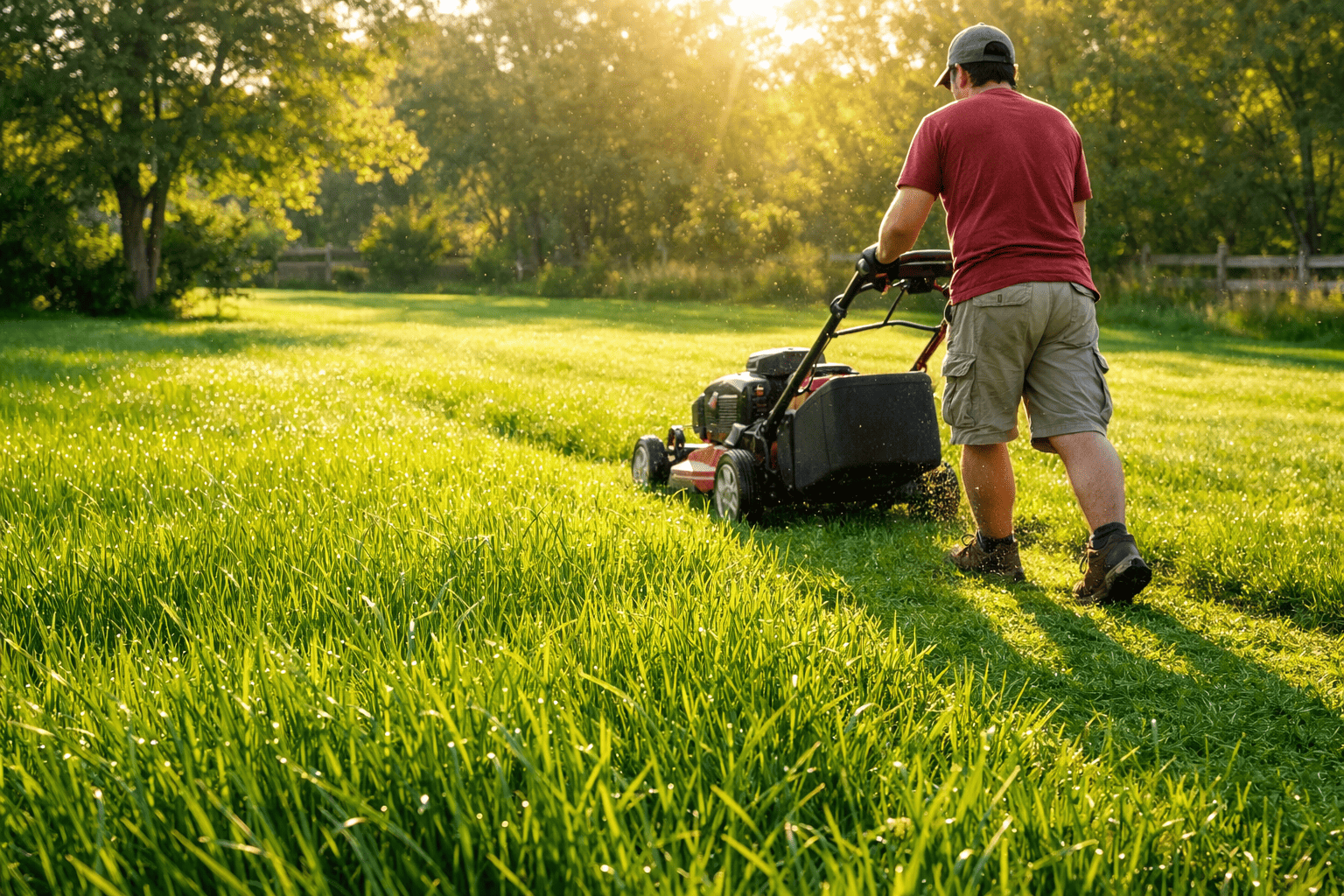
Ever feel like you’re doing everything right with your lawn care—mowing regularly, watering, and feeding it—but it still doesn’t have that professional, lush look? My goodness, it can be so frustrating! I’ve been there, pulling my hair out wondering why my lawn just wasn’t living up to its potential. I used to just mow whenever I had a spare moment, be it midday on a scorching hot summer afternoon or late in the evening as the sun was setting. I thought a mow was a mow; it didn’t matter when you did it. What I didn’t realise was that the timing of a simple mow can have a huge impact on the health and vitality of your lawn.
Timing is one of those simple, yet crucial, aspects of lawn care that can make a world of difference. It’s not just about what you do, but when you do it. Mowing at the right time ensures your grass is strong, reduces stress on the plant, and helps it recover quickly. A stressed lawn is more susceptible to disease, pests, and those annoying brown patches that can ruin the look of your garden. I once read a stat that shows the wrong mowing practices can seriously damage your lawn’s root system. I was so mad when I realised this was the problem!
I’ve learned a lot of lessons through trial and error, and I’m happy to share my hard-earned knowledge with you. This guide will walk you through the optimal times to mow, taking into account the time of day, the weather, and the season. By the end, you’ll be able to create a mowing schedule that will have your lawn looking absolutely fantastic. Let’s get you on the path to a healthier, more vibrant garden!
Timing is Everything: Mowing in the Morning

Let’s get straight to it: the best time of day to cut your grass is in the late morning. I know, it’s not always convenient, but there’s a really good reason for it.
Most of my customers use to get out there in the midday sun, thinking they were getting a great tan and a great mow in one go. Boy, was they wrong! Mowing in the middle of a hot, sunny day puts a massive amount of stress on the grass. The blades are already dealing with the heat, and a fresh cut makes them even more vulnerable to drying out and getting sunburnt. It was a proper disaster, and their lawns looked awful afterwards.
By mowing in the late morning, you’re giving the grass a chance to dry off from any morning dew. Mowing wet grass is a nightmare; it can clog your mower, lead to an uneven cut, and even spread fungal diseases. Plus, if you’re using a bagger, wet clippings are heavy and just make a mess. Once the morning dew has evaporated, the grass is at its best. It’s firm and dry, which allows for a clean, crisp cut. This also gives the grass blades plenty of time to heal before the heat of the afternoon and the cool of the evening.
It’s about finding that sweet spot. Too early, and the grass is wet. Too late, and the sun is too strong. That window between 8 am and 10 am, depending on the weather, is generally perfect. It’s a simple change to your routine that makes a world of difference to the health and appearance of your lawn. It’s one of those things you don’t think about until you see the difference it makes.
If you need help mowing your lawn AJR Lawn Care is more than happy to help! With our lawn mowing and grass cutting service in Rotherham, South Yorkshire.
The Wrong Time: Why You Should Avoid Mowing at Night
I’ve been there, getting home from work and seeing the lawn looking a bit shaggy, and thinking, “Right, I’ll just give it a quick mow now before it gets dark!” It seems like a good idea, doesn’t it? You’re getting the job done, and you’re doing it in the cool of the evening. But what I was actually doing was leaving my lawn vulnerable to disease. Mowing at night leaves the freshly cut blades exposed and moist overnight. This is the perfect breeding ground for fungal diseases. It’s a complete disaster!
When you cut grass, you’re essentially creating thousands of tiny open wounds. The grass needs time to heal and form a protective layer over those wounds. Mowing in the evening doesn’t give it that chance. The cool, damp night air settles in, and the grass stays wet for hours, inviting all sorts of nasty fungi to move in. You can’t get around it, it’s just the best way to invite problems.
So, while it might feel convenient, resist the urge to mow after the sun starts to go down. Give your lawn the time it needs to recover. It’s a small change to your schedule that can save you a huge headache later. It’s about working with nature, not against it. A little patience goes a long way in lawn care, and this is a prime example.
Seasonal Adjustments: Mowing for a Healthy Lawn All Year Round
The best time to cut your grass isn’t just about the time of day; it’s also about the season. You can’t treat your lawn the same way in June as you do in October. Years go I learned this the hard way. I tried to keep up with my summer mowing schedule well into autumn, and all I ended up with was a thin, weak lawn that was struggling to survive. It was so frustrating!
In spring and early summer, when the grass is growing like mad, you’ll probably be mowing once or even twice a week. This is when you should be following the “one-third rule” religiously to keep the grass at its optimal height for lush growth. This is the time to really put the work in, and the lawn will thank you for it.
As we move into late summer and autumn, the grass growth slows down. You can gradually reduce your mowing frequency to every 10-14 days. The goal here is to prepare your lawn for the cold months. You should also start raising your mower blade a bit. Leaving the grass a little longer (around 2-3 inches) provides insulation for the roots and helps the lawn store energy for the winter.
And what about winter? In the UK, grass growth almost completely stops. You probably won’t need to mow at all from late autumn until early spring. If you do get a mild spell and the grass looks a bit shaggy, you can give it a very light trim, but the focus in winter is on protecting the lawn, not cutting it. It’s all about adapting to the needs of your lawn throughout the year.
Conclusion: A Simple Habit for a Stunning Lawn
So there you have it. The secret to a healthy, vibrant, and lush lawn isn’t just about what you do, but when you do it. By adjusting your mowing schedule to the time of day and the season, you can make a huge difference to the health and appearance of your garden. Remember to mow in the late morning when the grass is dry, avoid mowing in the evening, and adapt your routine as the seasons change.
I’ve seen my own lawn transform from a patchy, uninspired space into a vibrant, green masterpiece, and it all started with these simple changes. Taking the time to understand the needs of your lawn is a little bit of a labour of love, but the feeling you get when you look out your window and see a perfectly manicured garden is just brilliant. It’s all about creating a sanctuary that you can be proud of.
If you’re in the Rotherham area and would like a hand getting your mowing schedule sorted or need a bit of professional help, don’t hesitate to contact us at AJR Lawn Care. We’d be more than happy to help you achieve the lawn of your dreams!
FAQs – Best Time to Cut Your Grass
Can I mow my lawn when it's wet?
It’s best to avoid mowing a wet lawn. Wet grass can clog your mower, lead to an uneven cut, and can even spread fungal diseases.
How often should I mow my lawn in the summer?
During the peak growing season, you may need to mow once or twice a week, depending on how quickly your grass grows.
Is it okay to cut the grass shorter for my final mow of the year?
No, it’s a common mistake. It’s better to leave the grass a little longer (around 2-3 inches) for the final cut to insulate the roots and protect the lawn over winter.
Why is mowing in the early morning better than midday?
Mowing in the early morning allows the grass to dry from any dew, giving you a cleaner cut. It also gives the grass plenty of time to recover before the heat of the afternoon.
How do I know if I'm cutting my grass too short?
A good sign that you’re cutting too short (scalping) is if the lawn looks yellow or brown after you mow, or if the grass blades look frayed and stressed.



