
We’ve all seen those lawns—the ones that look like a perfectly smooth, green carpet. You know the type. You drive past and think, “How do they do it?!” I used to think it was just a case of having a fancy, expensive mower. I’d get my old mower out of the shed, give the lawn a quick mow, and be done with it, only to be left with a streaky, uneven mess. My lawn was alright, I suppose, but it was never that showstopper I dreamed of. It was disheartening, but I wasn’t going to give up! I started chatting with some of the pros and doing a bit of my own research, and what I learned was a complete game-changer. The secret isn’t just the machine; it’s all in the technique and a few simple habits. In fact, mastering these tips can make your lawn the envy of the street!
Mowing seems like the most basic of all lawn care tasks, but doing it correctly is crucial for the health and appearance of your grass. A proper mowing routine encourages your lawn to grow thicker and healthier, and it helps to ward off weeds and diseases. It’s one of the most effective and rewarding things you can do for your garden. I once read a stat that a well-maintained lawn can add significant curb appeal and value to your home. My goodness, what a great return on investment!
I’ve made plenty of mistakes along the way, and I’m happy to share them so you don’t have to go through the same frustration. This guide will walk you through my top five tips that helped me turn my patchy, uninspiring lawn into a vibrant, manicured masterpiece.
Let’s get you on the path to a perfectly green and tidy garden!
The One-Third Rule: The Secret to Healthy Grass Growth
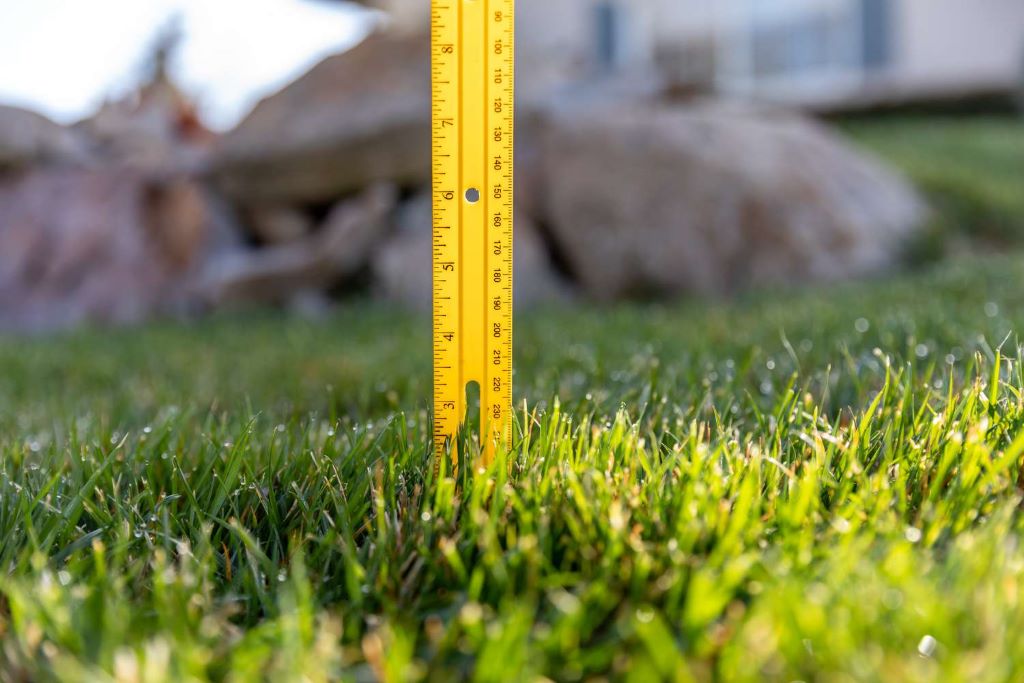
This is probably the most important rule in all of mowing, and it’s one I ignored for far too long. I used to think, “The shorter, the better!” My logic was that if I cut the grass super short, I wouldn’t have to mow as often. What a load of nonsense! All I ended up with was a stressed-out lawn that looked yellow and pathetic. It just couldn’t handle the shock of being scalped, and it was a proper mess. The golden rule, which I now live by, is to
Never remove more than one-third of the grass blade’s height in a single cut.
You see, the grass blades need to be a certain length to photosynthesize effectively, which is how they create energy to grow. When you cut too much off, you’re essentially starving the plant. This leaves it weak, vulnerable to weeds and disease, and looking pretty awful. It’s like us trying to run a marathon on an empty stomach—it’s just not going to happen! By following the one-third rule, you’re encouraging the grass to grow thicker and healthier from the ground up. This helps to create a dense canopy that naturally crowds out weeds. So, if your grass is 3 inches tall, don’t cut it shorter than 2 inches. It’s a simple change, but the results are astonishing.
I also learned that it’s okay to mow more frequently if your grass is growing quickly, especially in the spring. Don’t wait until it’s a jungle before you get the mower out. Little and often is the name of the game. It helps keep the lawn at a consistent, healthy height and makes the job feel much less daunting. It’s about working with your lawn, not against it.
Keep Those Blades Sharp: The Difference Between a Cut and a Tear

I cannot stress this enough: sharp mower blades are a game-changer! For years, I just used the same old blades, thinking they were fine. They got the job done, right? Well, sort of. What I didn’t realise was that my blunt blades weren’t cutting the grass cleanly; they were tearing it. After each mow, the tips of the grass blades would look frayed and white, almost like they were in shock. This makes the lawn look dull and tired, and it also makes the grass more susceptible to disease. I was so mad when I realised this was the problem! It’s one of those things you don’t think about until you see the difference.
I’m telling you, the first time I mowed with a freshly sharpened blade, I was amazed. The lawn looked so much cleaner and greener, with a crisp, even finish. It was as if a professional had done it. I was chuffed to bits! Sharpening your blades isn’t a massive chore, and you can even do it yourself with a file, or you can take it to a local lawn care service. It’s a small investment that pays off big time in the long run. As a professional i sharpen my blades weekly, but i recommend home owners get their mower blades sharpened at least once a year, usually at the beginning of the season.
Another little tip I picked up: after you’ve mowed, take a look at the grass tips. If they’re looking clean and even, you’re doing a great job. If they look ragged and white, you know it’s time to get those blades sorted. It’s a simple visual check that tells you everything you need to know.
Mix Up Your Mowing Pattern: Avoid Ruts and Promote Even Growth

Have you ever noticed stripes on a perfectly mowed lawn? That’s not just for show; it’s a smart strategy! For a long time, I just mowed in the same direction, back and forth, over and over again. It was easy, predictable, and, I thought, efficient. But what I was actually doing was pushing the grass blades in the same direction with each pass, which caused them to lean over and created ugly ruts in the soil over time. My lawn just looked flat and uninspired. It wasn’t good.
The trick is to mix up your mowing pattern each time. If you mowed north-south last time, try going east-west this time. You can also try diagonal patterns. This simple change helps the grass stand up straighter, which encourages more even growth and gives your lawn that thick, lush appearance we all want. It also helps to prevent soil compaction in the same spots, keeping your lawn healthy from the roots up. It’s a bit of a mind-bender at first, but once you get the hang of it, it becomes second nature.
I’ve seen the difference this makes first-hand. It’s not just about the stripes; it’s about the overall health of the lawn. By varying your pattern, you’re ensuring that all the grass blades get an equal amount of sunlight and air, which is vital for a vibrant, green lawn. You can’t get around it, it’s just the best way!
Don’t Bag the Clippings (Most of the Time!)
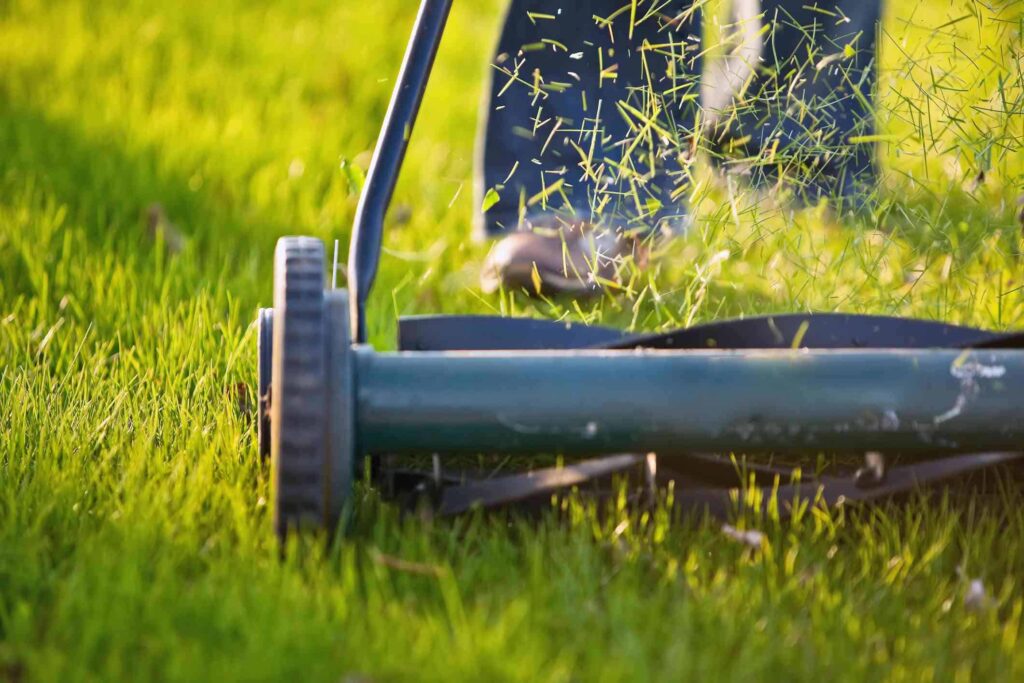
Okay, this might sound a bit messy, but hear me out. For years, I meticulously bagged every single grass clipping after I mowed. I thought I was being tidy, but I was actually throwing away free nutrients! Grass clippings, when they’re short, are full of nitrogen, which is a key nutrient for a healthy lawn. Leaving them on the lawn in a light layer, also known as mulching, is like giving your lawn a free, natural fertiliser boost. It was such a lightbulb moment for me when I realised this. I was so frustrated that I’d been missing out on this simple tip all along.
Now, a big note of caution here: this only works if you’re following the one-third rule. If you have long, clumpy clippings, you absolutely should bag them up and remove them. Leaving those on the lawn can smother the grass, block out sunlight, and lead to thatch build-up and disease. But if you’re mowing regularly and only taking a small amount off the top, leaving the clippings is a fantastic way to recycle nutrients back into the soil.
I’d suggest using a mulching mower, as it cuts the clippings into very fine pieces that break down quickly. But even with a regular mower, as long as you’re following the one-third rule, you should be fine. It’s all about creating that light, barely-there layer that the lawn can easily absorb.
Conclusion: Your Lawn, Your Pride
Mowing your lawn isn’t just a chore; it’s a science and an art. By adopting these five simple habits—the one-third rule, keeping your blades sharp, mixing up your pattern, and mulching your clippings—you can transform your lawn from just “alright” to absolutely stunning. I’ve seen the difference these tips have made on my own garden, and I can tell you, the feeling of looking out at a perfectly manicured lawn is just brilliant.
It’s about working smarter, not harder. You’re not just cutting grass; you’re cultivating a beautiful outdoor space that you can be proud of. A vibrant, healthy lawn becomes the perfect backdrop for garden parties, family BBQs, or just relaxing with a cuppa. If you’re in the Rotherham area and want a helping hand to get your lawn looking its best, feel free to contact us at AJR Lawn Care. We’d be more than happy to help you achieve the lawn of your dreams!
FAQs – Mowing Tips
How often should I mow my lawn?
The frequency of mowing depends on the season and the type of grass. During the peak growing season (spring and early summer), you may need to mow once or twice a week. In autumn and winter, you can reduce this to every couple of weeks or even less.
Should I water my lawn right after I mow?
It’s generally best to avoid watering immediately after mowing. Watering is most effective in the early morning to allow the water to soak in before the heat of the day causes it to evaporate.
What is the ideal height to cut my grass?
For most UK lawns, an ideal height is between 2 to 3 inches (5-8 cm). This height allows the grass to stay healthy and dense while also preventing weeds from taking hold.
Does mowing the lawn help with weeds?
Yes, mowing regularly at the correct height helps. A thick, healthy lawn naturally crowds out weeds, and consistent mowing prevents weed seeds from developing and spreading.
How can I get those professional-looking stripes on my lawn?
You can create stripes by using a mower with a roller on the back. Mowing in alternating directions with a roller bends the grass blades, which reflects light differently and creates the striped effect.



