How often should I feed my lawn?” – I get asked this question at least three times a week here in Rotherham! And honestly, it’s one of the most important questions any homeowner can ask about their lawn.
After 20+ years of treating lawns across Rotherham, South Yorkshire, I’ve seen what happens when people get the feeding schedule wrong. Too little, and you’ll have that neighbour with the emerald green lawn making yours look shabby. Too much, and you could literally burn your grass to a crisp – I’ve had to rescue more lawns from over-enthusiastic weekend warriors than I care to count!
Here’s the thing though – there’s no one-size-fits-all answer. Your lawn’s feeding schedule depends on everything from our unpredictable Yorkshire weather to the type of soil lurking beneath your grass. But don’t worry, I’m going to share exactly what I tell my customers about creating the perfect feeding routine that’ll have your neighbours asking for your secret.
Understanding Your Lawn’s Feeding Schedule
Right, let’s start with the golden rule I follow for every lawn in Rotherham: four feeds per year. That’s it! Not the monthly feeding madness some garden centres try to sell you, and definitely not the “feed it when you remember” approach that leaves lawns looking patchy.
I learned this early in my career. Had a customer in Wickersley who insisted on feeding his lawn every month because he’d read it online somewhere. By July, his grass was growing so fast he couldn’t keep up with cutting it, and the excessive growth actually made it weaker. One hot spell in August and half his lawn went brown!
The four-feed schedule works because grass grows in cycles here in the UK. We’ve got our main growing seasons in spring and early summer, then again in autumn when temperatures cool down. Winter? You can feed it late Autumn with an Autumn/Winter fertiliser, but remember your grass is basically having a kip, so feeding it during winter is like trying to wake someone up at 3am – it’s not happening, and you’ll just cause problems.
We apply our Autumn/Winter granular and foliar treatment at the end of Autumn/ early winter as we find this gets the best results.
But here’s where it gets interesting – your soil type makes a massive difference. Clay soil, which we see a lot of around Rotherham, holds nutrients longer but releases them slowly. Sandy soil? Complete opposite – nutrients wash through faster than water through a sieve. I always do a quick soil test before recommending any feeding schedule because what works for your friends lawn might be completely wrong for yours.
Seasonal Feeding Guide for UK Lawns
Spring feeding is where the magic happens, and timing is absolutely crucial. I typically start my spring treatments in late March or early April, depending on when we’ve had our last proper frost. You’re looking for soil temperatures to hit about 6°C consistently – that’s when grass roots start properly absorbing nutrients again.
The spring feed is like giving your lawn a proper breakfast after a long winter sleep. I use a nitrogen-rich fertiliser that kick-starts growth and helps repair any winter damage. But here’s a mistake I see constantly – people rush this! If you feed too early and we get a late frost, you’ve just encouraged tender new growth that’ll get zapped.
Summer feeding happens around June or July, but only if your lawn actually needs it. This is where my experience really pays off – I can tell just by looking at a lawn whether it needs that second feed. Established lawns on good soil often don’t need it, but newer lawns or those on poor soil definitely do.
Summer feeds are trickier because of our weather. Apply fertiliser right before a heatwave and you risk burning the grass. Apply it before heavy rain and you’ll wash half of it away. I always check the weather forecast for at least a week ahead before scheduling summer treatments.
Autumn feeding is probably the most important one, though most people skip it completely! September to early October is perfect – you’re preparing your lawn for winter and helping it store energy for next spring’s growth. The autumn feed should be lower in nitrogen but higher in potassium, which helps grass cope with cold weather and disease.
I’ve seen lawns that only get autumn feeding outperform ones that get spring and summer treatments. It’s that important! Plus, autumn weather is usually more predictable than spring, so application timing is easier.
Signs Your Lawn Needs Extra Feeding
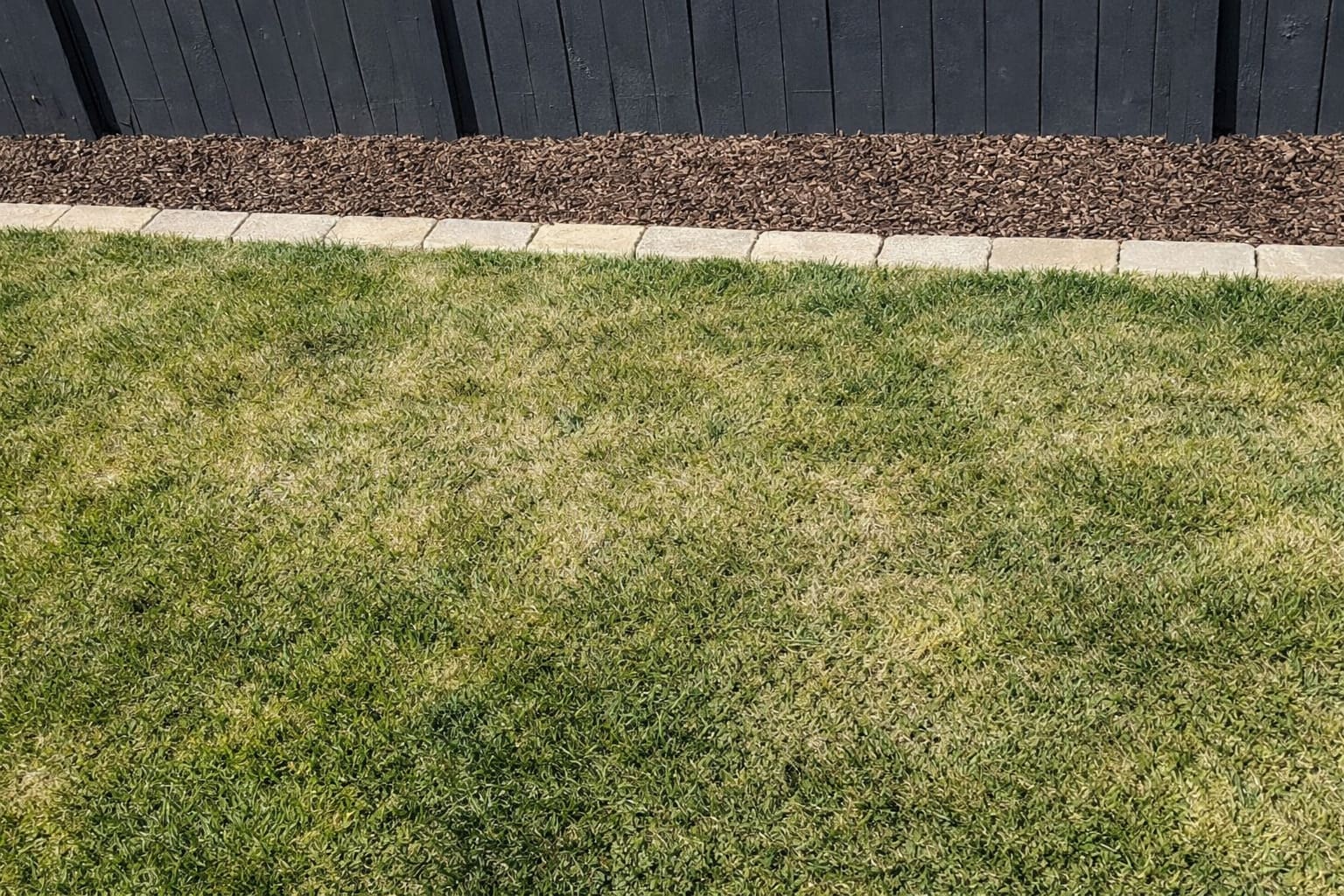
After years of doing this job, I can spot an underfed lawn from 50 metres away. The grass has this pale, tired look – like it needs a good cup of tea! But seriously, there are clear warning signs that tell me a lawn isn’t getting enough nutrition.
Yellow or pale green patches are the most obvious sign. Healthy grass should be a rich, deep green colour. If your lawn looks like it needs a good meal, it probably does! But here’s the thing – yellow patches can also mean overwatering, disease, or pet damage, so you need to rule those out first.
Slow growth during the growing season is another dead giveaway. If you’re only cutting your grass every three weeks in May and June, something’s wrong. Well-fed grass should be growing fast enough in spring that you’re cutting it weekly, sometimes more if the weather’s perfect.
Here’s something interesting I’ve noticed – increased weed invasion often follows poor feeding. Weeds are opportunistic little blighters, and they’ll move into weak areas of lawn faster than you can say “dandelion”. I’ve seen lawns go from weed-free to looking like meadows in one season just because the feeding schedule got missed.
Thin or sparse coverage usually develops gradually, but it’s a sure sign your grass isn’t getting what it needs. Well-fed lawns are thick and lush – there shouldn’t be bare patches where you can see soil through the grass.
And finally, poor recovery from foot traffic is something I see all the time. If your lawn takes weeks to bounce back after the kids have been playing football on it, it’s definitely undernourished. Healthy grass should recover from normal wear and tear pretty quickly.
How Weather Affects Your Feeding Schedule
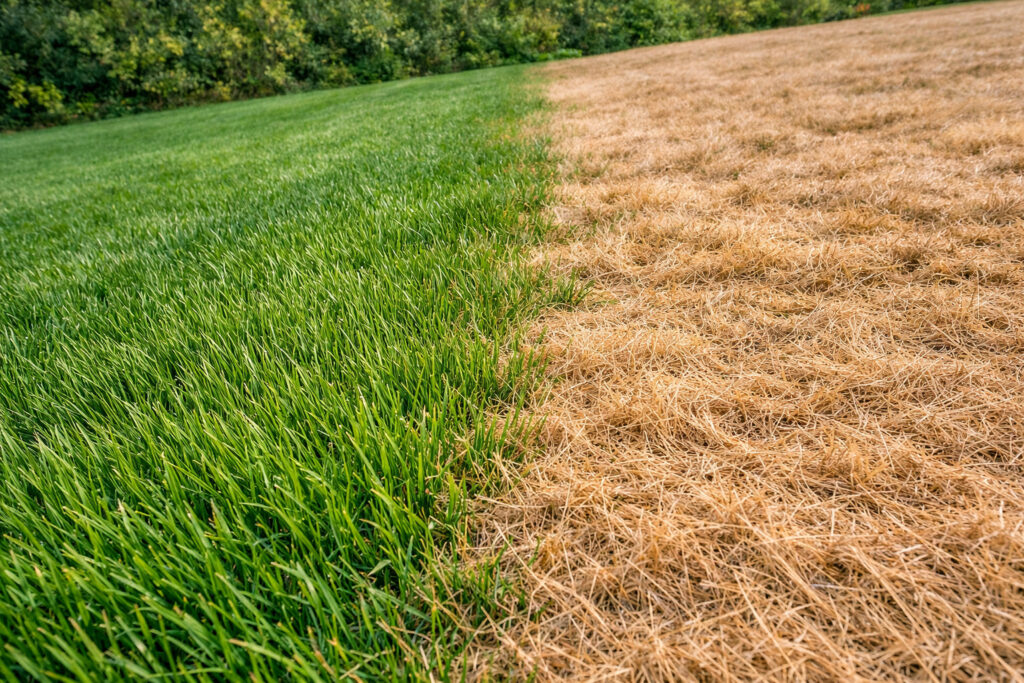
Our Yorkshire weather makes lawn care interesting, I’ll give you that! In my years treating lawns around Rotherham, I’ve learned that flexibility is everything when it comes to feeding schedules.
Wet summers – and we’ve had a few recently – completely change the game. Too much rain can wash nutrients out of sandy soils before grass roots can absorb them. I’ve had seasons where I’ve needed to do additional light feeds in July just to compensate for the washout from heavy rainfall.
But wet weather isn’t always bad news. Clay soils actually benefit from steady moisture because it helps break down granular fertilisers slowly and evenly. I’ve seen some of the best results on clay lawns during slightly wet summers – the grass just drinks it all up!
Drought conditions require a completely different approach. You never, ever feed during a drought – it’s like giving someone salty snacks when they’re already dehydrated. The fertiliser can actually draw moisture out of grass roots and make the situation worse. One of my customers learned this lesson during the hot summer of 2018!
Temperature is crucial for safe application. I won’t apply fertiliser if daytime temperatures are going to hit 25°C or higher for more than a couple of days. The risk of scorching is just too high, especially with granular feeds that need watering in.
The 24-hour rule is something I stick to religiously – there should be gentle rainfall or watering within 24 hours of application, but not heavy downpours that’ll wash everything away. It’s a delicate balance, and honestly, this is where professional timing really pays off.
Different Grass Types, Different Needs
Not all grass types are created equal, and that’s something every homeowner should understand. Here in South Yorkshire, we’re dealing mainly with cool-season grasses – things like perennial ryegrass, fine fescue, and some bent grass varieties.
These grasses have very different feeding requirements compared to warm-season types you might read about online. Cool-season grasses do most of their growing in spring and autumn when temperatures are moderate, so that’s when they need the most nutrition.
New lawns need special attention for their first year. I typically start feeding newly seeded or turfed lawns about 6-8 weeks after establishment, but with a much lighter application than mature lawns. It’s like weaning a baby onto solid food – you start gently!
Early in my career I made the mistake of treating new lawns like established ones, and the results weren’t pretty. Too much nitrogen too early can cause excessive top growth at the expense of root development. Your lawn might look great for a few weeks, then suddenly struggle when stress hits.
Overseeded areas within existing lawns create interesting challenges. The new grass needs more frequent, lighter feeding, while the established grass follows the normal schedule. I usually recommend spot-treating these areas separately for the first growing season.
Heavy-use areas – think where the kids always play or the path to your shed – need extra attention. These spots get compacted soil and more wear, so they benefit from additional feeding. I often do light applications in these areas between regular treatments.
Professional vs DIY Feeding Schedules
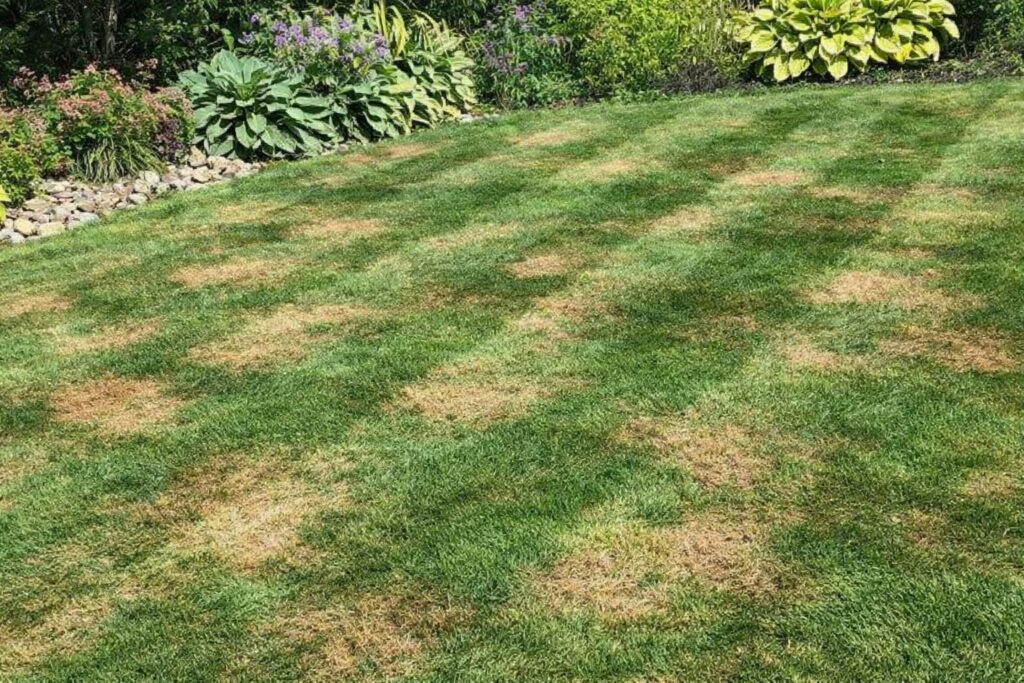
I’ll be honest with you – there’s a world of difference between professional lawn treatment and the DIY approach, and it comes down to one word: consistency.
Most homeowners start the year with good intentions. They buy their fertiliser in March, apply the first feed perfectly, then life gets in the way. By July, they’ve missed the summer feed, and by September, they’ve forgotten about the autumn treatment entirely. I see this pattern year after year.
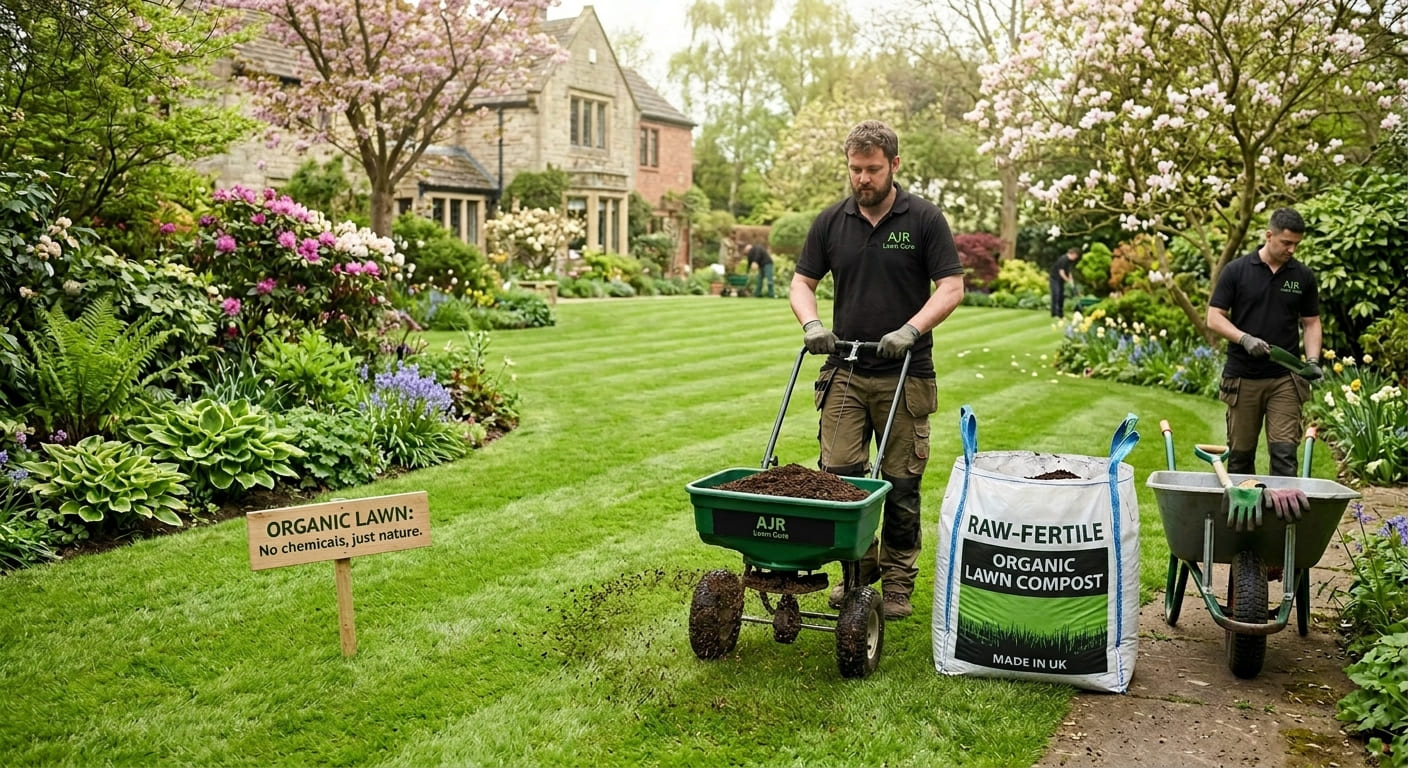
Professional treatment programmes take all the guesswork out of it. When you work with AJR Lawn Care, I handle the timing, weather watching, and product selection. You don’t need to remember anything or worry about whether you’re doing it right.
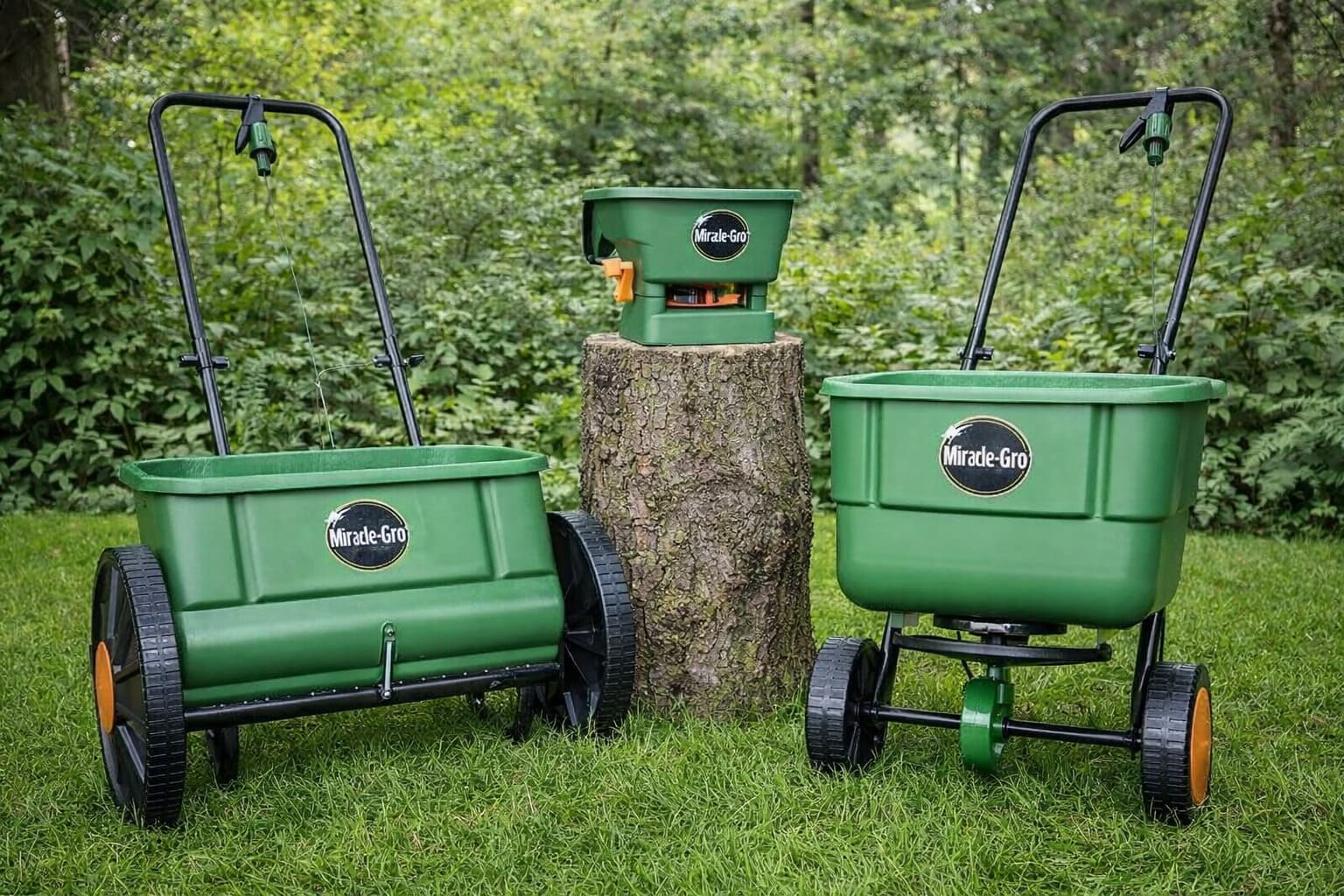
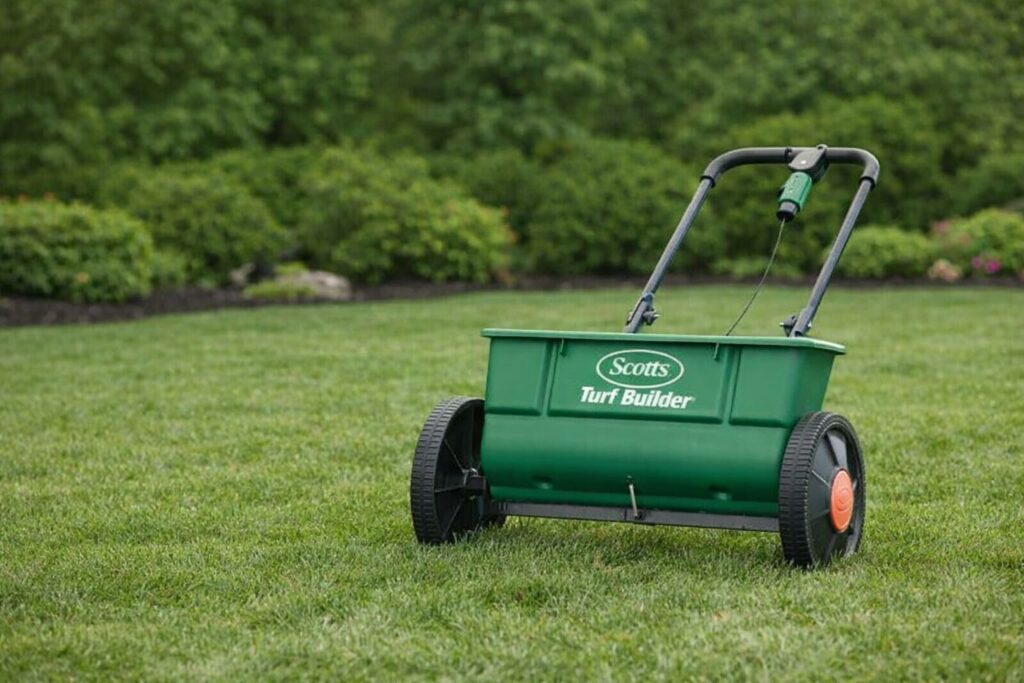
Here’s something most people don’t consider – calibration. When I treat a lawn, I know exactly how much product is going down per square metre. Most homeowners either under-apply (wasting money on products that don’t work) or over-apply (risking damage).
The cost comparison often surprises people. When you factor in buying different products for each season, the time spent applying them, and the risk of getting it wrong, professional treatment usually works out cheaper than quality DIY products. Plus, I guarantee my work!
But here’s the real value – experience. I can spot problems before they become disasters, adjust treatments based on weather patterns, and solve issues that would leave most homeowners scratching their heads. That’s worth its weight in gold when you’re trying to maintain a lawn you can be proud of.
Conclusion
So, how often should you feed your lawn? The answer is four times per year – spring, summer (if needed), autumn, and late autumn/ early winter (weather permitted). But the real secret isn’t just frequency; it’s consistency, proper timing, and understanding what your specific lawn needs.
Over my years treating lawns across Rotherham and South Yorkshire, I’ve learned that every lawn is unique. Your soil, grass type, usage patterns, and local growing conditions all affect the perfect feeding schedule. What works for your neighbour might not work for you, and that’s perfectly normal.
The most important thing? Don’t try to rush the process or skip seasons. Lawn feeding is a marathon, not a sprint. Consistent, properly timed applications will always beat random, heavy-handed treatments.
If you’re feeling overwhelmed by all this information, that’s completely understandable! At AJR Lawn Care, we take all the guesswork out of lawn feeding with our professional lawn treatment programmes. We handle the timing, our own specialist products (that are not available to the general public), and the application so you can simply enjoy a lawn that’s the envy of your street.
Ready to give your lawn the feeding schedule it deserves? Get in touch with AJR Lawn Care for a free consultation, and let’s create a treatment plan that’ll have your neighbours asking for your lawn secrets!
Frequently Asked Questions – How Often Should You Feed Your Lawn?
Can I feed my lawn in winter?
No, you should never feed your lawn during winter months (December-February). Grass growth slows right down in cold weather, so it can’t absorb nutrients properly. Feeding in winter can actually encourage soft growth that’s vulnerable to frost damage. Stick to the four-feed schedule: spring, summer (if needed), autumn, and skip winter completely.
What happens if I miss a feeding?
Don’t panic! Missing one feed won’t ruin your lawn permanently. If you miss the spring feed, apply it as soon as possible but reduce the amount slightly. If you miss summer feeding, focus on getting the autumn treatment right – that’s more important for long-term lawn health. The key is getting back on schedule rather than trying to “catch up” with double applications.
How long should I wait after feeding before cutting my grass?
Wait at least 2-3 days after applying granular fertiliser before mowing. This gives the nutrients time to settle and start absorbing into the soil. If you’ve watered the fertiliser in properly, you can usually cut after 48 hours. Never mow immediately after feeding as you’ll just collect half the fertiliser in your grass box!
Is it safe for children and pets to use the lawn after feeding?
With modern fertilisers, it’s generally safe for children and pets to use the lawn once the product has been watered in and the grass is dry – usually 24-48 hours after application. However, I always recommend keeping kids and pets off for at least 48 hours to be completely safe. Always check the specific product instructions, as some organic feeds are safe immediately while others need longer.
Why is my grass still yellow after feeding?
If your grass stays yellow 2-3 weeks after feeding, there’s usually an underlying problem. It could be poor drainage, soil compaction, disease, or very poor soil quality that needs more than just fertiliser. Yellow grass can also indicate over-watering or pet damage. If feeding doesn’t improve the colour within a month, it’s worth getting a professional assessment to identify the real issue.