
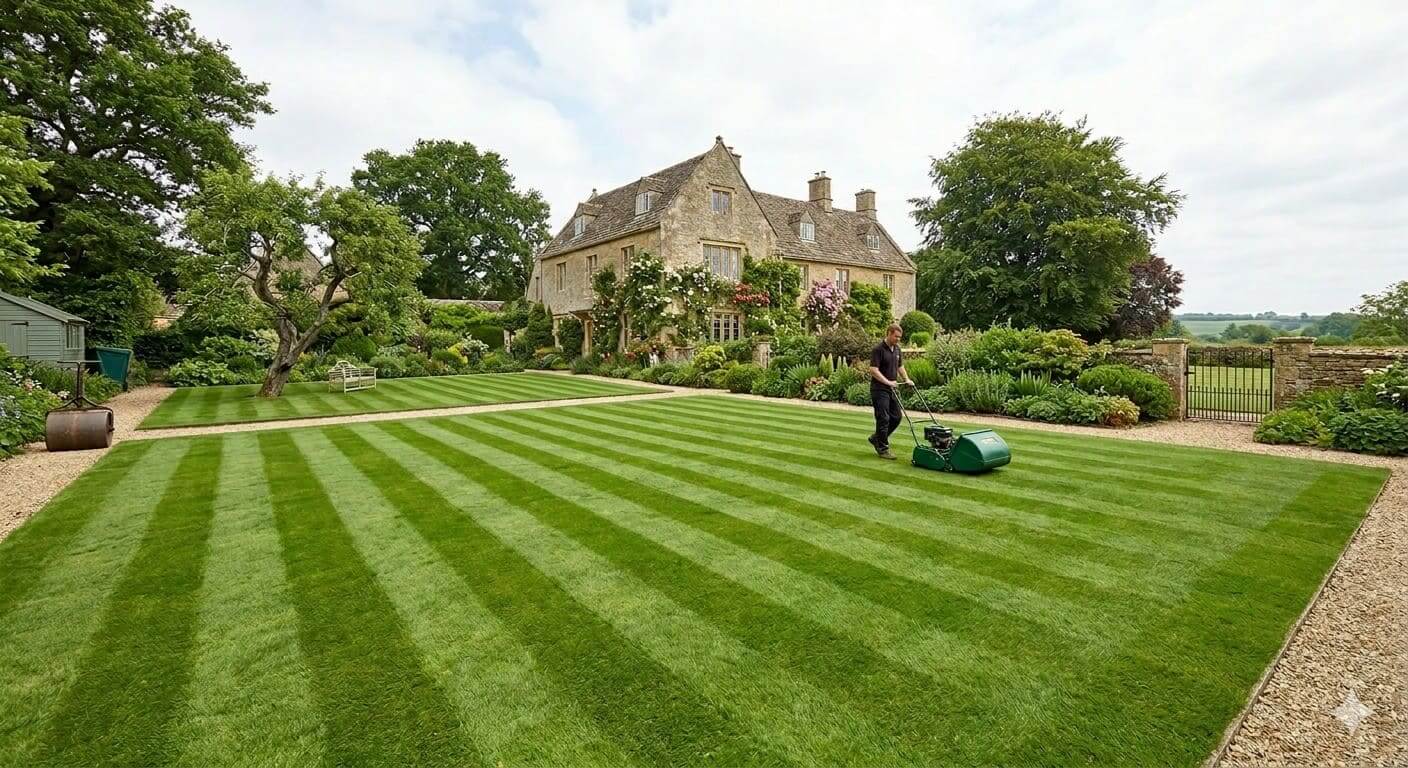
Did you know that the average British homeowner spends over £500 annually on garden maintenance, yet 60% are still dissatisfied with their lawn’s appearance? If you’re staring out at patchy grass wondering whether to roll up your sleeves or ring a professional, you’re not alone!
DIY Lawn Care vs Hiring a Professional

The great lawn care debate has been raging in British gardens for decades. Should you embrace the weekend warrior spirit and tackle your turf yourself, or invest in professional lawn care expertise? With spring arriving earlier each year and our unpredictable weather patterns, getting your lawn care strategy right has never been more crucial. Whether you’re dealing with typical UK challenges like moss, waterlogged soil, or stubborn weeds, this comprehensive guide will help you weigh up the pros and cons of each approach to achieve that coveted green carpet we all dream of.
Understanding UK Lawn Care Basics
Before diving into the DIY versus professional debate, it’s essential to understand what makes British lawns unique. Our temperate maritime climate creates specific challenges and opportunities that differ significantly from other regions.
British gardens typically feature cool-season grasses like perennial ryegrass, fine fescue, and bent grass. These varieties of grasses thrive in our mild, wet conditions but require specific care to maintain their health and appearance. The combination of frequent rainfall, mild temperatures, and varying soil conditions across the UK means that successful lawn care requires a complexed understanding of local growing conditions.
Common problems plaguing UK lawns include persistent moss growth, thatch buildup, poor drainage, and shade-related thinning. Our climate also encourages weed growth, particularly dandelions, plantain, and clover, which can quickly overtake grass if left unchecked. Understanding these challenges is crucial whether you’re planning to tackle lawn care yourself or evaluating professional services.
The British growing season typically runs from March through October, with peak growth occurring during the mild, moist conditions of late spring and early autumn. This extended but variable growing season requires careful timing of treatments, seeding, and maintenance activities to achieve optimal results.
The DIY Lawn Care Approach: Pros and Cons
Taking on lawn care yourself offers numerous advantages, starting with significant cost savings (when done right!). The initial investment in quality equipment—a reliable mower, edging tools, spreader, and basic maintenance supplies—typically ranges from £500 to £1000, depending on your garden size and ambitions. Once you’ve made this investment, ongoing costs drop dramatically to just the price of fertiliser, seed, and fuel.
Beyond financial benefits, DIY lawn care provides immense personal satisfaction. There’s something deeply rewarding about nurturing your own green space, learning about grass varieties, and seeing tangible improvements from your efforts. Many homeowners find lawn maintenance therapeutic, enjoying the physical exercise and outdoor time that comes with regular garden work.
The flexibility of DIY care cannot be overstated. You control the timing, methods, and intensity of treatments. Want to overseed a thin patch immediately? No need to wait for an appointment. Prefer organic lawn treatments over chemicals? You make that choice. This control extends to experimentation with different techniques and products to find what works best for your specific conditions.
However, DIY lawn care comes with significant challenges. The learning curve can be steep, particularly for newcomers to gardening. Identifying grass diseases, understanding fertiliser ratios, and timing treatments correctly requires knowledge that develops over years of experience. Mistakes can be costly—over-fertilising can burn grass, incorrect herbicide application can damage desired plants, and poor timing can waste entire seasons of growth.
Equipment investment and maintenance add complexity and ongoing costs. Quality lawn mowers require regular servicing, blades need sharpening, and tools require proper storage. For smaller gardens, the cost per use of professional equipment may not justify the initial investment.
Time commitment represents another significant consideration. Regular lawn care requires consistent weekly attention during growing season, plus seasonal intensive tasks like scarification, aeration, and overseeding. Many homeowners underestimate the time required for proper lawn maintenance, leading to inconsistent care and disappointing results.
Professional Lawn Care Services: What You Get
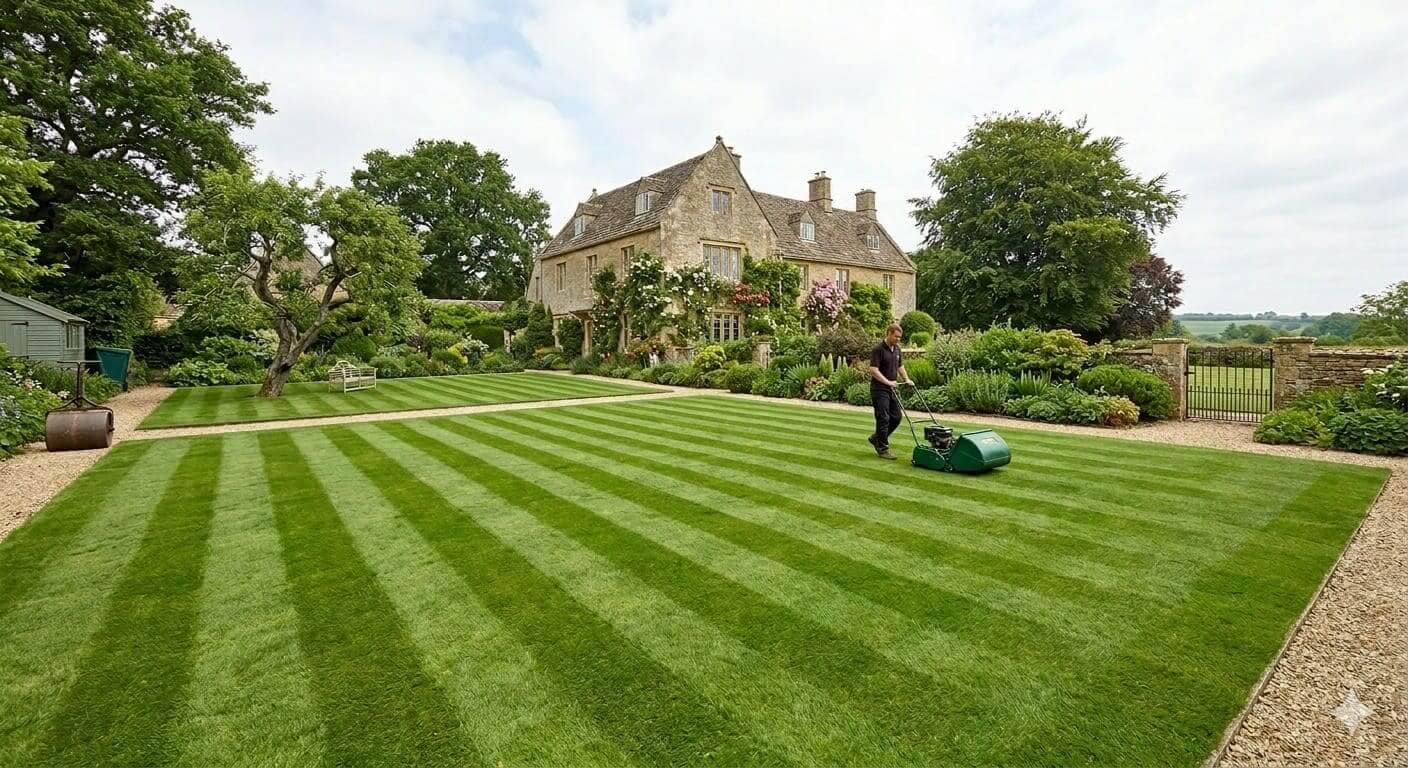
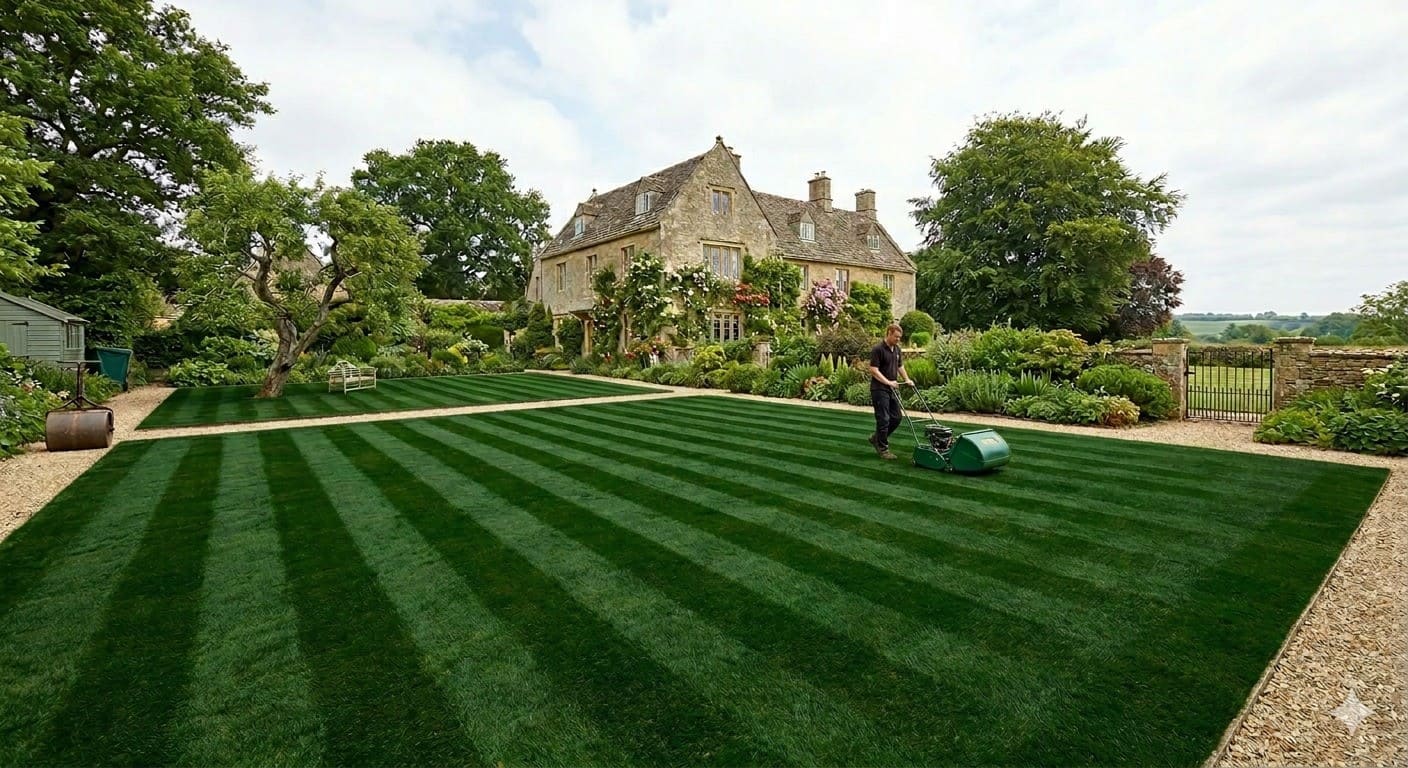
Example of Before & After AJR Green Machine Treatment Application
Professional lawn care services bring expertise honed through years of experience working with diverse UK growing conditions. These specialists understand the subtle differences between soil types, can quickly identify pest and disease issues, and know precisely when to apply treatments for maximum effectiveness.
Access to commercial-grade equipment sets professionals apart from DIY efforts. Industrial scarifiers, core aerators, and precise spreaders achieve results difficult to replicate with consumer equipment. Professional-grade fertilisers and treatments often provide superior, longer-lasting results compared to retail alternatives.
Most professional lawn care services offer comprehensive programmes that address seasonal needs systematically. Spring treatments focus on feeding and weed control, summer care emphasises disease prevention and drought stress management, whilst autumn programmes prepare lawns for winter with overseeding and final feeds. This systematic approach ensures no critical treatments are missed.
The time-saving aspect cannot be ignored. Whilst you’re enjoying weekend relaxation or family time, professionals handle all aspects of lawn maintenance. Most services lawn care provide detailed reports after each visit, keeping you informed about treatments applied and recommendations for ongoing care.
Professional lawn care services typically include guarantees and insurance coverage. If treatments fail or damage occurs, reputable companies will rectify issues at no additional cost. This protection provides peace of mind unavailable with DIY approaches.
However, professional lawn care services can come with higher ongoing costs and less personal control over methods and timing. You’ll also need to coordinate access and may need to adjust your schedule around service appointments.
Cost Comparison: DIY vs Professional Services in the UK
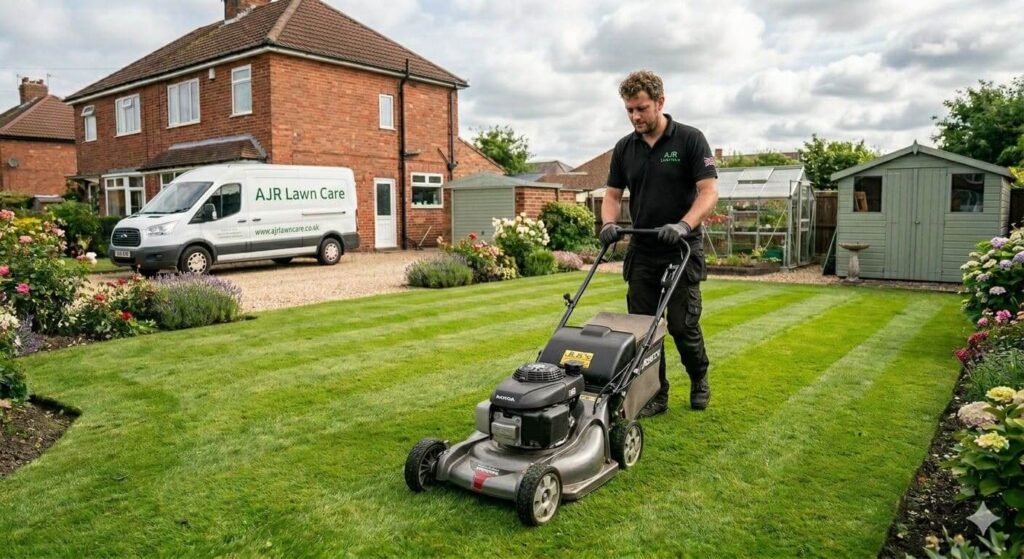
Understanding the true costs of each approach requires examining both immediate expenses and long-term investments. DIY lawn care involves significant upfront equipment costs but lower ongoing expenses, whilst professional services spread costs evenly throughout the year.
For DIY approach, initial equipment investment varies considerably based on garden size and quality preferences. A basic setup including a reliable petrol mower, strimmer, spreader, and hand tools typically costs £300-600. Premium equipment can easily exceed £1,000 but offers better results and longevity.
Ongoing DIY costs include fertiliser (£30-80 annually), grass seed (£20-50), fuel (£50-100), and equipment maintenance (£50-150 annually). For an average UK garden of 200 square metres, annual DIY costs typically range from £150-380 after the initial equipment investment.
Professional services charge varying rates across the UK, with London and Southeast England commanding premium prices. Basic lawn care packages typically cost £25-50 per visit, with most services recommending 6-12 visits annually. Comprehensive programmes including fertilising, weed control, moss treatment, and seasonal renovations range from £300-800 annually for average-sized gardens.
Regional variations are significant. Northern England and Scotland often see lower service costs, whilst London and surrounding areas can charge 30-50% more. Rural areas may have limited service availability, potentially increasing costs or requiring longer-term contracts.
When calculating true DIY costs, factor in the value of your time. If you spend 2-3 hours weekly on lawn care during growing season, that represents 60-90 hours annually. Valuing this time at even minimum wage adds £600-900 to DIY costs, making professional services increasingly attractive for busy households.
Equipment replacement costs also accumulate over time. Quality mowers last 8-12 years with proper maintenance, but repairs and eventual replacement must be factored into long-term calculations.
Time Investment: How Much Effort Does Each Require?
DIY lawn care demands consistent weekly attention throughout the growing season, typically requiring 1-3 hours per week depending on garden size and maintenance standards. Spring and autumn intensive periods can require full weekend days for major tasks like scarification, aeration, and overseeding.
The learning phase adds significant time investment. Research, experimentation, and developing effective routines can take several seasons. Many new DIY enthusiasts underestimate this learning curve, leading to frustration and suboptimal results in early years.
Weekly maintenance includes mowing (30-60 minutes), edging (15-30 minutes), and general tidying. Monthly tasks add fertilising, weed spot-treatment, and equipment maintenance. Seasonal major work includes scarification, aeration, overseeding, and autumn leaf management.
Professional lawn care services dramatically reduce your time commitment to simple coordination and access provision. Most services work autonomously, requiring only initial consultation and periodic progress reviews. Your involvement drops to perhaps 30 minutes monthly for communication and oversight.
However, finding and vetting professional lawn care services requires initial time investment. Researching companies, obtaining quotes, and coordinating trial services can take several hours. Once established relationships are formed, ongoing time commitment becomes minimal.
Emergency situations highlight time differences clearly. DIY enthusiasts must immediately research and address problems like disease outbreaks or pest infestations. Professionals typically respond within days and handle problems efficiently based on extensive experience.
Weather-related scheduling adds complexity to DIY approaches. British weather patterns mean planned maintenance often gets postponed, creating backlogs and timing conflicts. Professionals adapt schedules and work around weather more effectively due to flexible arrangements and covered equipment.
Quality of Results: Comparing Outcomes
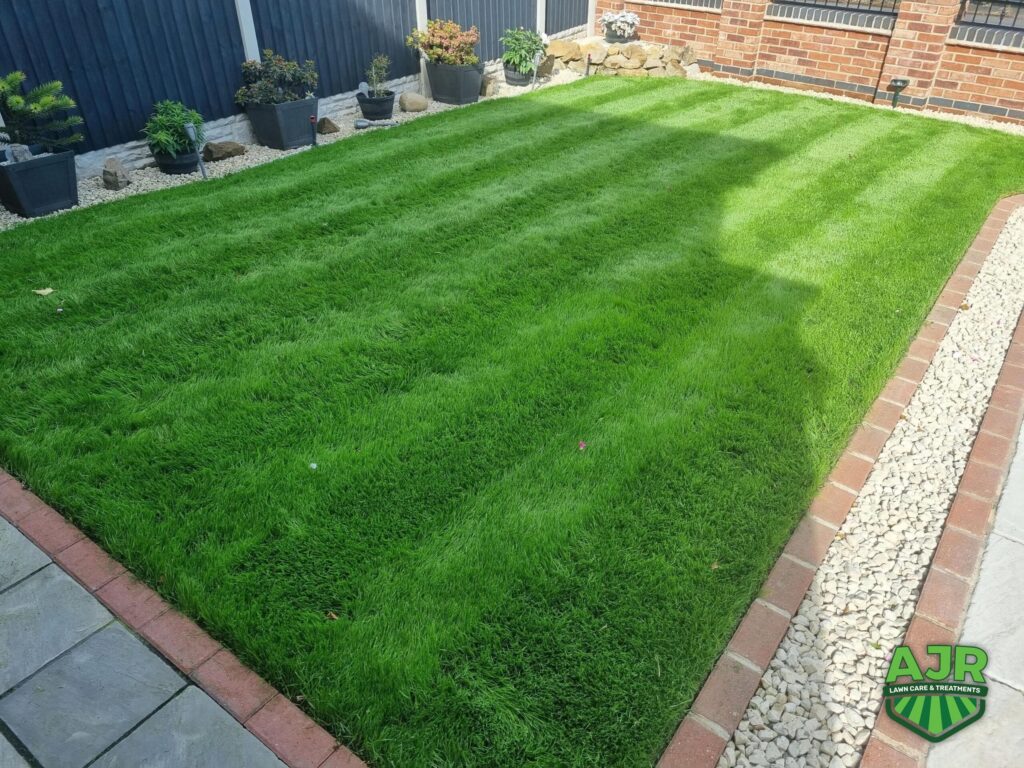
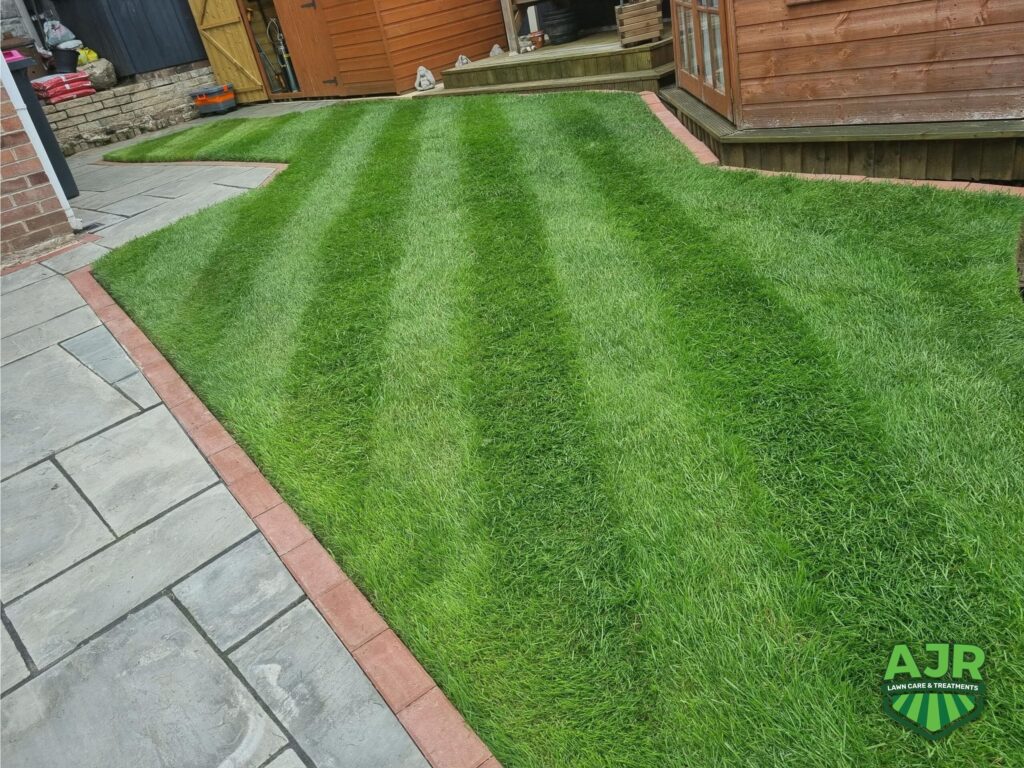
Professional lawn care consistently delivers superior results due to expertise, equipment quality, and systematic approaches. Commercial-grade equipment achieves more precise cuts, better seed-to-soil contact during overseeding, and more effective treatments compared to consumer alternatives.
Professionals diagnose problems accurately and quickly. What might take DIY enthusiasts weeks to identify and address, experienced technicians spot immediately and treat effectively. This rapid response prevents minor issues from becoming major problems requiring expensive remediation.
Consistency represents another professional advantage. Trained lawn technicians apply treatments evenly, maintain consistent mowing heights, and follow proven schedules regardless of weather or personal circumstances. DIY care often suffers from inconsistency due to competing priorities, weather delays, or simple forgetfulness.
However, dedicated DIY enthusiasts can achieve excellent results given sufficient time and commitment. The key advantage lies in intimate knowledge of specific lawn conditions and ability to provide immediate attention to emerging problems. Some homeowners develop expertise rivalling professionals through years of focused learning and practice.
Professional results tend to plateau at “very good” levels since services balance efficiency with quality across multiple clients. Passionate DIY enthusiasts might achieve exceptional results on their own lawns through intensive, personalised care that professionals cannot economically provide.
Equipment limitations can constrain DIY results. Consumer-grade scarifiers and aerators often lack the power and precision of commercial equipment, limiting treatment effectiveness. However, rental options for professional equipment can bridge this gap for key seasonal treatments.
Making the Right Choice for Your Situation
Several factors should guide your decision between DIY and professional lawn care. Garden size significantly impacts the equation—smaller lawns under 100 square metres often favour DIY approaches, whilst larger areas benefit from professional efficiency and equipment.
Budget considerations extend beyond simple cost comparisons. If you’re establishing a new lawn or recovering from major problems, professional expertise can prevent costly mistakes that set progress back years. For maintenance of healthy, established lawns, DIY approaches often provide excellent value.
Available time and competing priorities play crucial roles. Young families, demanding careers, or other significant commitments may make professional services worthwhile despite higher costs. Conversely, retired homeowners or gardening enthusiasts often find DIY lawn care fulfilling and practical.
Skill level and willingness to learn affect success significantly. Some people naturally gravitate toward outdoor projects and enjoy developing gardening expertise. Others prefer to focus their learning and time on different pursuits whilst leaving lawn care to specialists.
Local soil and growing conditions influence difficulty levels. Heavy clay soils, persistent drainage issues, or challenging shade conditions may benefit from professional expertise, particularly during establishment phases. Simple, well-draining soils with good sun exposure suit DIY approaches well.
Physical capability requirements shouldn’t be overlooked. Lawn care involves lifting, pushing, and sustained physical activity that may challenge some homeowners. Professional services eliminate these physical demands whilst ensuring consistent care quality.
A hybrid approach often provides optimal results for many situations. Handle routine mowing and basic maintenance yourself whilst engaging professionals for specialised treatments like fertilising programmes, disease control, or major renovations. This combination captures cost savings and personal satisfaction whilst ensuring expert care for critical treatments.
Getting Started: First Steps for Each Path
For DIY enthusiasts, start with a thorough lawn assessment. Test soil pH, identify grass types, and document problem areas. This baseline understanding guides equipment selection and treatment planning. Invest in quality basic equipment gradually rather than purchasing everything immediately—start with a reliable mower and build your toolkit based on identified needs.
Create a maintenance calendar aligned with British growing seasons. Plan major treatments like scarification for September/October and spring feeding for March/April. Establish weekly routines during growing season and adjust schedules based on weather patterns and grass growth rates.
Join local gardening groups or online communities focused on UK lawn care. These resources provide invaluable advice specific to your region and connect you with experienced gardeners willing to share knowledge and recommendations.
When selecting professional services, obtain quotes from at least three companies and verify insurance coverage and qualifications. Ask about treatment programmes, communication methods, and guarantee policies. Check online reviews and request references from long-term customers in your area.
Establish clear expectations regarding service frequency, treatment methods, and communication. Discuss organic preferences, pet safety requirements, and any specific concerns about your lawn conditions. Document agreements clearly to avoid misunderstandings later.
Consider trial periods with professional services before committing to annual contracts. Many companies offer reduced-rate initial treatments that allow you to evaluate their work quality and communication style. Use these trials to assess whether their approach aligns with your expectations and lawn needs.
Conclusion
Choosing between DIY lawn care and professional services isn’t just about money—it’s about finding the right balance of time, expertise, and personal satisfaction for your lifestyle. Whether you decide to embrace the therapeutic weekend ritual of lawn maintenance or prefer to sip your morning coffee whilst professionals transform your garden, both paths can lead to a beautiful lawn when executed properly.
Remember, there’s no shame in starting with one approach and switching later as your circumstances change. Many successful garden owners combine both methods, handling routine maintenance themselves whilst calling in professionals for specialised treatments or major renovations. The key is honest self-assessment of your time, budget, and gardening aspirations.
Your lawn represents a significant investment in your property’s value and your family’s outdoor enjoyment. Whether you choose the hands-on satisfaction of DIY care or the convenience of professional services, consistent attention and appropriate treatment will reward you with the lush, healthy lawn that enhances your home’s appeal year-round.
Ready to transform your lawn? Start by evaluating your current situation using the factors we’ve outlined, then take that crucial first step—whether it’s researching local professionals or investing in your first quality mower. Your perfect lawn awaits!
Frequently Asked Questions (FAQs)
How much does professional lawn care cost in the UK compared to DIY?
Professional lawn care services typically cost £300-800 annually for average UK gardens, whilst DIY approaches require £150-380 in ongoing costs after initial equipment investment of £300-600. However, factor in your time value—if you spend 60-90 hours annually on lawn care, professional services often provide better value for busy homeowners.
What's the best time of year to start a lawn care programme in the UK?
The optimal time to begin either DIY or professional lawn care programmes is early spring (March-April) when grass begins active growth. This timing allows for effective spring feeding, early weed control, and planning of summer maintenance schedules. Autumn (September-October) offers a second opportunity for major treatments like overseeding and renovation work.
Can I combine DIY lawn care with professional services?
Absolutely! Many UK homeowners successfully combine both approaches. Common hybrid strategies include handling weekly mowing and basic maintenance yourself whilst hiring professionals for specialised treatments like fertilising programmes, scarification, or disease control. This approach balances cost savings with expert care for critical treatments.
What equipment do I need to start DIY lawn care in the UK?
Essential DIY lawn care equipment includes a quality rotary or cylinder mower (£150-500), strimmer for edges (£100-300), spreader for fertiliser application (£70-150), basic hand tools (£50-100), and safety equipment. Start with these basics and add specialised tools like scarifiers or aerators as needed, or consider hiring them annually.
How do I choose a reliable professional lawn care service in the UK?
Research local companies thoroughly by checking online reviews, verifying insurance coverage, and requesting references from existing customers. Obtain detailed quotes from at least three services, ensuring they specify treatment schedules, products used, and guarantee policies. Look for companies offering trial treatments or satisfaction guarantees, and avoid those requiring large upfront payments or unusually long contracts.



