
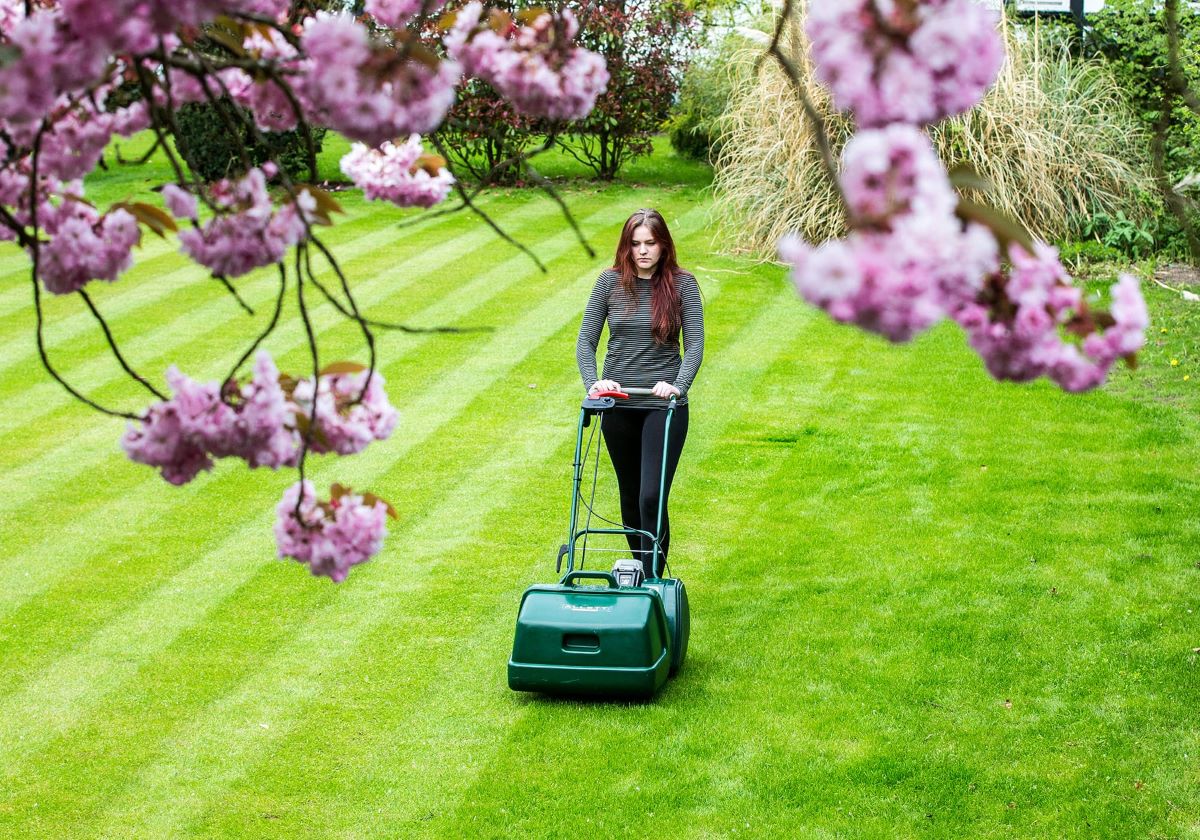
Are you ready for some Grass Cutting Tips and Tricks great because im about to share some with you today. You know that feeling when you see your neighbour’s lawn looking absolutely perfect while yours resembles something from a nature documentary? Your not alone, lost of people have been there, buddy. After years of making every mistake possible with lawn mowing, I’ve finally cracked the code to getting that crisp, professional finish without spending a fortune on lawn care products.
Here’s the thing – achieving the perfect British lawn isn’t just about buying the most expensive mower from the garden centre. It’s about understanding what works in our unpredictable climate, timing your cuts right, and knowing a few insider tricks that most people never learn. Whether you’re dealing with a tiny urban courtyard or a sprawling country garden, these techniques will transform your grass cutting game completely.
I remember my first attempt at “proper” lawn care when i was in my teens. My Dad had all the best gear as he really looked after his lawns they were pristine. I learned everyhting i could at the time, felt completely confident to give it a go.
My Dad let me loose on the lawn, I think he knew i’d mess up, but as he used to say “in order to get better you have to fail, and the more you try the better you’ll get.”
That lesson taught me that technique matters way more than equipment. I also learnt that if you embrace failure, you give yourself room to grow and learn from your mistakes. and the great thing about grass is it’s resiliant and will grow back, we fixed it and two weeks later it looked pristine again.
Grass Cutting Tips and Tricks – The Pre-Mowing Checks: The Boring Bit That Saves You Money
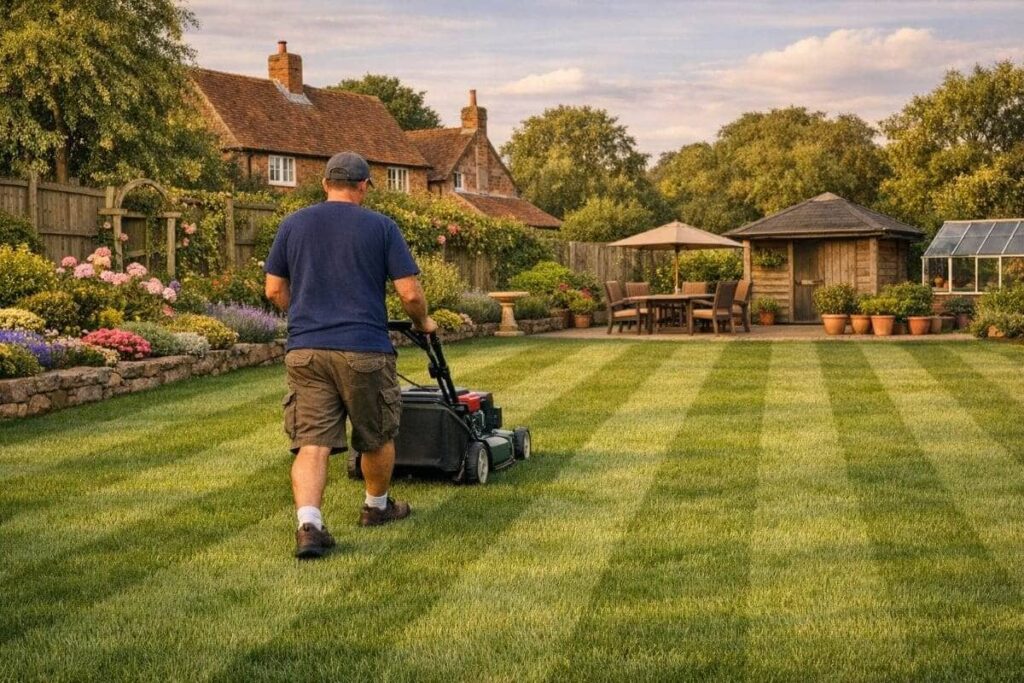
Ok before we get into these Grass Cutting Tips and Tricks, before I touch the starter cord or the power button, I always do these checks. Trust me, skipping this routine once cost me £150 in repair bills and a very embarrassing trip to the mower service centre.
Fuel and Oil: Get it Checked!
If your petrol mower’s been sitting in the shed since September, that fuel’s probably turned into something resembling treacle by now. I learned this the hard way when my mower started making sounds like a dying tractor.
Empty that old fuel completely – don’t just top it up like I used to do. Old petrol in British conditions goes off faster than milk left in the sun. The moisture in our air absolutely kills stored fuel, creating a gummy mess that clogs everything up.
Fresh fuel makes such a difference you won’t believe it. Your mower starts easier, runs smoother, and won’t leave you swearing at it on Sunday morning when the grass is looking like a hayfield.
Oil levels are crucial too, but here’s what nobody tells you: check it when the engine’s cold and on level ground. I spent months getting false readings because I was checking after mowing when everything was hot and the mower was parked on my sloping drive. Felt like a proper muppet when the service guy pointed that out!
Blade Sharpening: The Game-Changer Everyone Ignores
This is where most people go completely wrong, and I was guilty too. Dull blades don’t just cut grass poorly – they absolutely destroy your lawn’s health. Instead of clean cuts, you get ragged tears that turn brown at the tips and invite every lawn disease going.
I used to think blades lasted forever. Wrong! After about 25 hours of cutting (roughly twice a season for most gardens), they need attention. You can tell when they’re getting dull because the grass tips look frayed and start browning within days of cutting.
Getting them professionally sharpened costs about £15-20, but it’s worth every penny. Some garden centres do while-you-wait service, which is brilliant. If you’re handy with tools, you can do it yourself with a file, but make sure you maintain the original angle and keep both ends balanced. As a specialist in lawn care I sharpen blades weekly but thats because i’m using them most days, as a home owner i would recommend sharpening every couple of months.
Here’s a trick I learned from an old groundskeeper: hang the blade on a screwdriver through the centre hole. If one end dips down, it’s heavier and needs more filing. Unbalanced blades will vibrate your mower to pieces eventually.
Battery Maintenance: The Modern Mower Reality
Electric mowers are brilliant until the battery dies halfway through cutting. I’ve learned to always charge the night before, never on the morning of cutting. Batteries perform much better when they’ve had time to settle after charging.
Clean those terminals regularly too. Just a bit of corrosion can reduce performance by 20-30%. I use an old toothbrush and some WD-40 to keep them spotless. Sounds anal, but it works.
Deck Cleaning: The Job Nobody Wants to Do
Right, this is the worst job in lawn care, but absolutely essential. That grass buildup under the deck isn’t just unsightly – it affects cutting performance and can cause serious rust problems.
I do this after every few cuts now, not at the end of the season like I used to. Use a scraper for the stubborn bits, but never a pressure washer. Made that mistake once and forced water into places it shouldn’t go. The repair bill was educational, to say the least.
Mowing Patterns: More Than Just Back and Forth
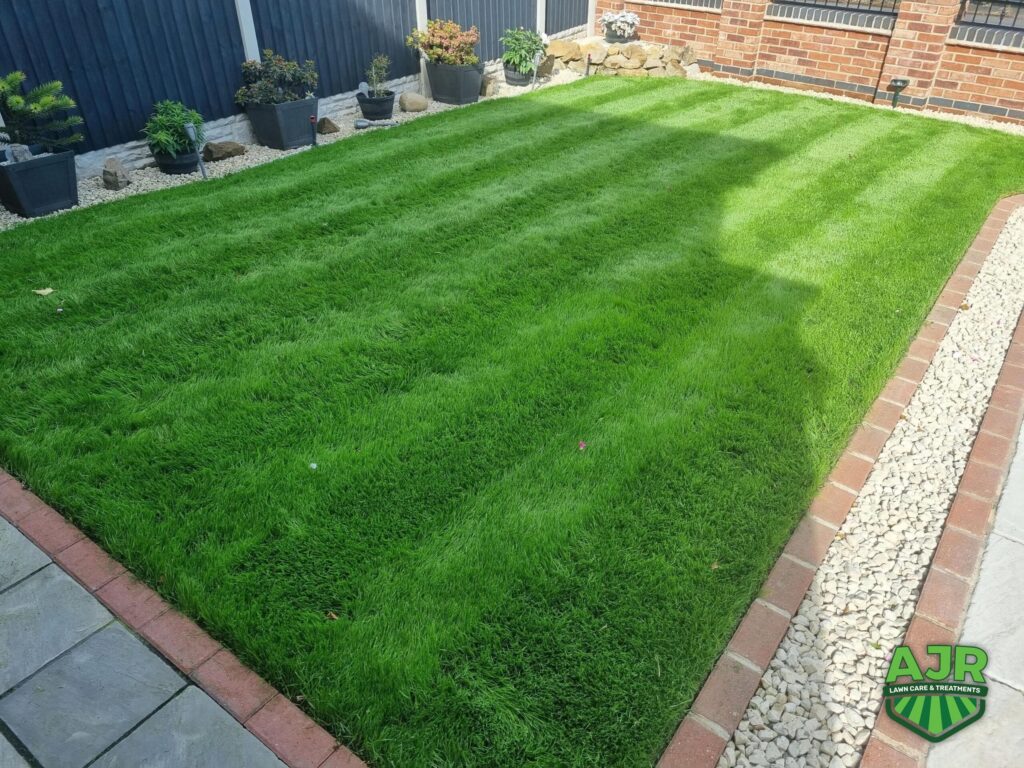
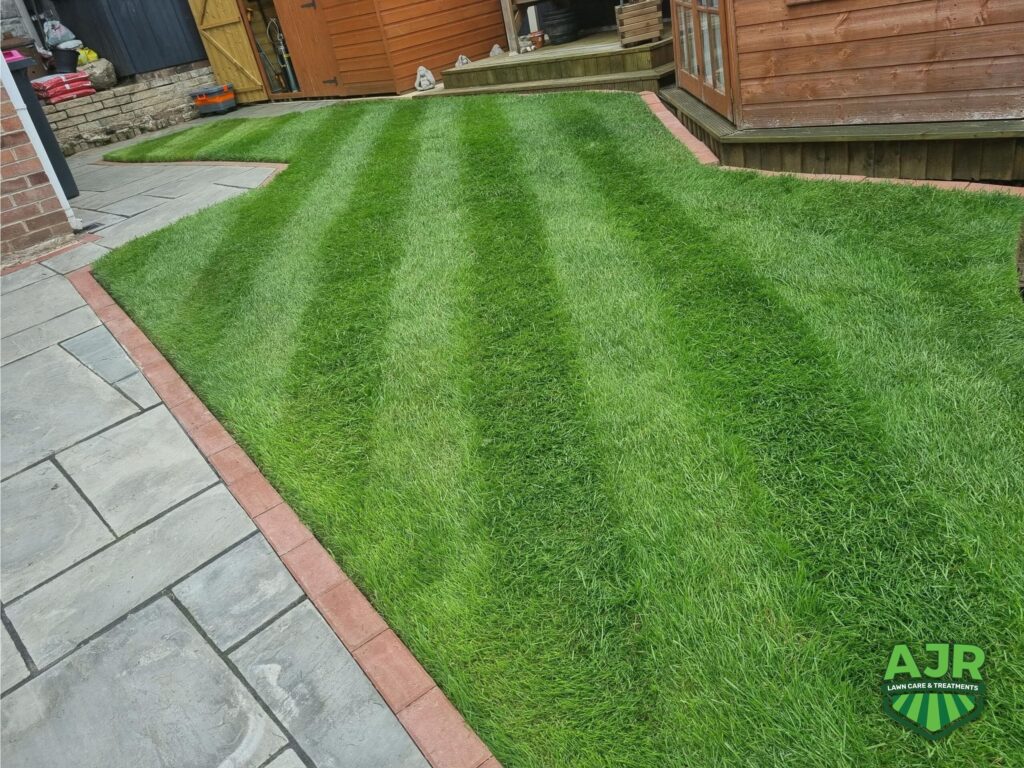
For years, I just went back and forth in straight lines like mowing was some kind of military exercise. Then I discovered that different patterns actually improve your lawn’s health and appearance dramatically.
Straight Rows: The Efficient Classic
This is still my go-to for most cuts. Start at one end, work systematically across, overlap each pass by about 5cm. Sounds simple, but there’s technique involved.
Keep your walking pace steady – count steps if it helps to maintain consistency. Too fast and you miss patches, too slow and you’re wasting time. I’ve found that about one step per second works perfectly for most conditions.
The key is maintaining those parallel lines. I pick a landmark at the far end of the garden and keep heading towards it. Much easier than trying to judge by eye alone.
Circular Cutting: The Tree-Dodger’s Friend
This method changed everything for my clients back garden, which has three mature apple trees and various flower beds. Starting from outside and working inward in ever-smaller circles just makes sense when you’ve got obstacles everywhere.
I learned to go the same direction every time – clockwise works for me as a right-handed person. Less strain on your body and more consistent results. Plus, it looks quite professional when you get the hang of it.
The trick is planning your finishing point. You don’t want to end up trapped in the middle with nowhere to go without walking over freshly cut grass.
Cutting Height: The Science Bit That Actually Matters
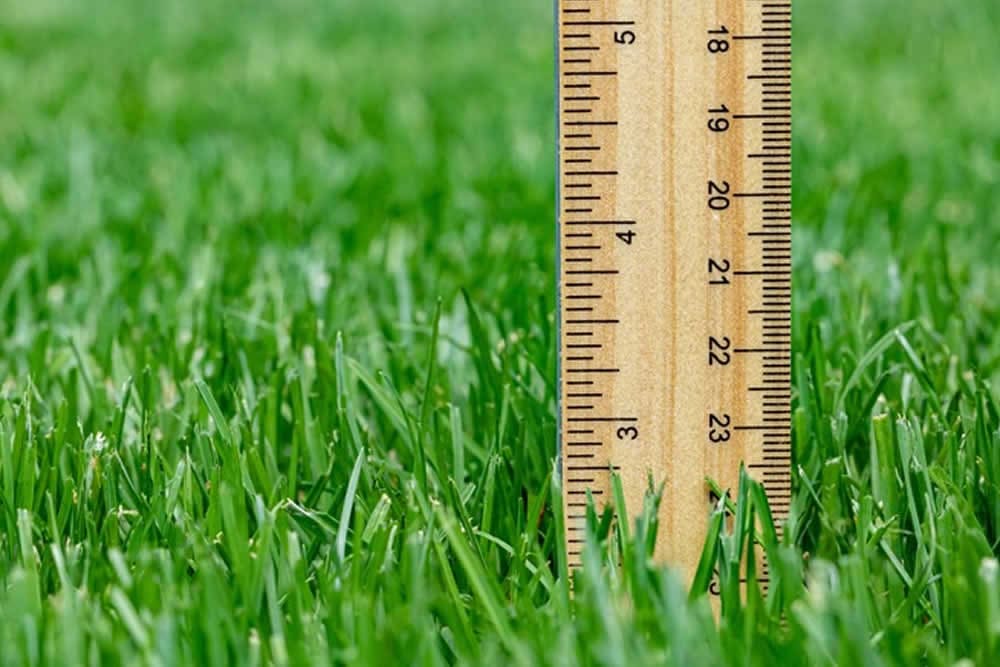
On of the most important Grass Cutting Tips and Tricks is getting the height right as its absolutely crucial for British lawns. Our grass types and weather conditions are different from anywhere else, so generic advice often falls flat.
Seasonal Height Adjustments
Spring cutting starts higher than you think – about 40mm for the first few cuts. Your grass is recovering from winter stress and needs those extra leaves to photosynthesize properly. One of my long term clients used to scalp there lawn short thinking they were being efficient, but actually weakened the entire lawn.
Summer is when you can go shorter, down to about 25-30mm, but only if your grass is healthy and well-established. During drought periods (yes, we get them in Britain!), I raise it back up to 40mm to help retain moisture.
Autumn cutting gradually increases in height again. The last cut of the season should be around 35mm – short enough to prevent disease but long enough to protect the crown through winter.
The One-Third Rule
Never cut more than one-third of the grass height in a single session. This isn’t some arbitrary lawn care rule – it’s plant biology. Cut more than that and you shock the grass, potentially killing it or leaving it vulnerable to disease.
If your lawn’s gotten away from you (we’ve all been there), reduce the height gradually over several cuts. Takes longer, but your grass will thank you for it.
Direction Changes: Why Your Grass Needs Variety
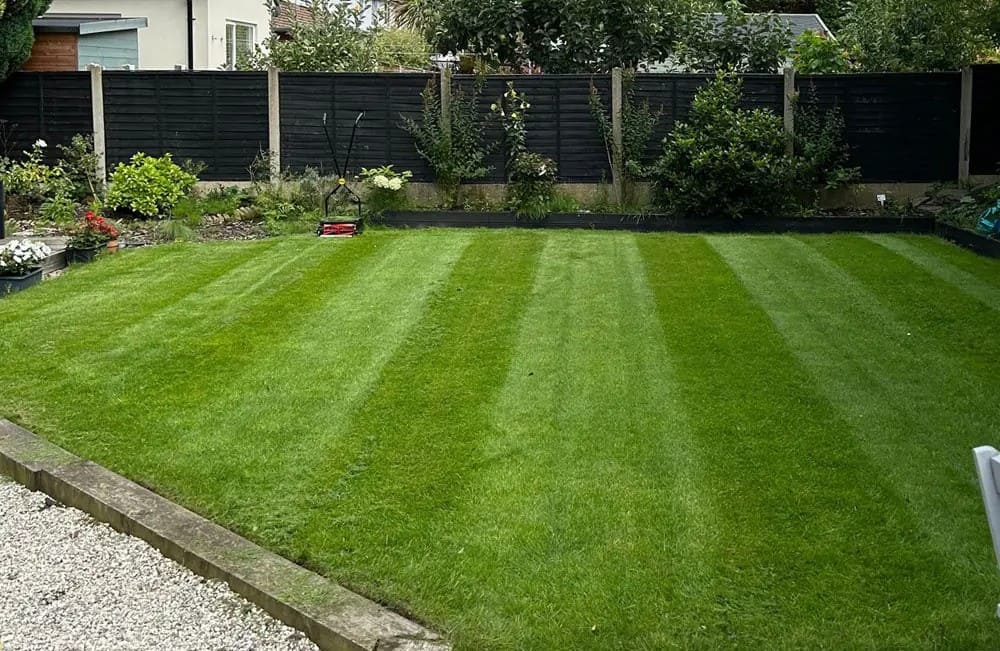
Following the same mowing route every week creates lazy grass that leans permanently in one direction. I noticed this in in a clients side passage where they always went the same way – the grass looked flattened and weak.
Now I advised them to alternate between north-south one week and east-west the next. The difference is remarkable – much more upright growth and better overall appearance. It also prevents those unsightly wheel ruts that develop when you always use the same path.
For diagonal patterns, I wait until the grass is really established. Looks fantastic when done right, but it’s more demanding on the lawn and requires perfect conditions.
Speed Control: Patience Pays Off
I used to race through cutting like I was training for the Grand Prix. Terrible idea! Fast mowing creates uneven cuts, missed patches, and puts unnecessary strain on both you and the machine.
The sweet spot I’ve found is about walking pace – maybe slightly slower on the first pass if the grass is longer. This gives the blades time to lift and cut each stem properly rather than just bending it over.
Better mulching happens at slower speeds too. The clippings get chopped finer and distribute more evenly, which feeds your lawn naturally. Racing through just creates clumps that need raking up later.
Timing: When British Weather Actually Helps
In our climate, timing is everything. Get it wrong and you’re fighting against conditions rather than working with them.
Morning Mowing (Late Morning Only)
I never cut before 10am anymore. That dew might look pretty, but it’s a nightmare for clean cutting. Wet grass clumps, clogs the deck, and can spread fungal diseases around your lawn.
By 10-11am, the dew’s usually dried but the temperature hasn’t become uncomfortable. This is my preferred time slot during summer months when I’m not at work.
Evening Sessions
Late afternoon cutting (4-6pm) works brilliantly too. The harsh midday sun has passed, but there’s still enough light and warmth for the grass to recover before nightfall.
I avoid cutting later than 6pm because grass needs recovery time before the cool night temperatures arrive. Cut too late and you’re asking for disease problems.
Common Mistakes I’ve Made (So You Don’t Have To)
Cutting wet grass seemed efficient when I was busy, but it created more work in the long run. Uneven cuts, disease spread, and equipment clogging made it a false economy.
Using the same pattern every week was another expensive lesson. My lawn developed permanent lean and weak spots that took months to recover.
Cutting too short during hot weather absolutely fried my grass one memorable summer. Spent a fortune on reseeding because shorter meant i could reel mow awesome stripes, but the hot weather was too much for the shorter grass. Now i raise the hight of cut and use a stripping kit with my rotary mower.
Check out these: Common Lawn Care Mistakes
Grass Cutting Tips and Tricks The Bottom Line
Perfect grass cutting isn’t about having the fanciest equipment or spending hours obsessing over every blade. It’s about understanding what works in British conditions and being consistent with good practices.
Start with these basics: sharp mower blades, proper height, varied patterns, and good timing. Master those fundamentals and you’ll have a lawn that makes the neighbours jealous without breaking the bank or your back.
The most important thing I’ve learned? Don’t try to be perfect immediately. Good lawn care is a skill that develops over seasons, not weekends. Be patient with yourself and your grass – both will improve together.
If you would like professional help with a friendly smile, contact AJR Lawn Care. We are happy to help!
Frequently Asked Questions
What are the best grass cutting tips and tricks for a British lawn?
The best grass cutting tips and tricks for British lawns include mowing at the right height for your grass type, cutting little and often during the growing season, and avoiding mowing on waterlogged soil — all common challenges in the UK climate.
How often should I cut my grass in the UK?
During spring and summer, aim to mow your lawn once a week. In autumn, reduce this to once a fortnight, and avoid cutting altogether during winter frost or drought periods to prevent damaging the grass.
What is the best height to cut grass in a British garden?
For most British lawns, a cutting height of 25–40mm is ideal. Avoid cutting more than one-third of the grass blade at a time, as cutting too short can stress the lawn and leave it vulnerable to weeds and dry patches.
Should I leave grass clippings on the lawn after mowing?
Yes, leaving clippings on the lawn — known as grasscycling — can return valuable nutrients to the soil. However, remove them if the clippings are too long or wet, as they can clump and block sunlight from reaching the grass beneath.
When is the worst time to cut grass in the UK?
Avoid mowing during a heatwave, frost, or heavy rain. Cutting stressed or waterlogged grass can cause lasting damage to your lawn. Early morning mowing is also best avoided, as dew on the blades can lead to an uneven cut and increase the risk of disease.



