We’ve all been there – standing in our gardens, staring at what was once a promising lawn, wondering where it all went wrong. Sometimes, despite our best intentions and weekend warrior efforts, our lawns reach a point where they’re sending out an SOS signal that even the neighbours can’t ignore!
After treating hundreds of lawns across Rotherham and South Yorkshire, I can tell you that certain lawn disasters are like red flags waving frantically in the breeze. They’re your lawn’s way of screaming, “Help me! I need professional intervention!” Recognising these warning signs early can save you months of frustration and potentially hundreds of pounds in complete lawn renovation costs.
Let’s explore the five most common lawn disasters we encounter – and more importantly, how to know when it’s time to put down the DIY tools and call in the lawn care professionals.
Disaster #1: The Great Brown Patch Apocalypse
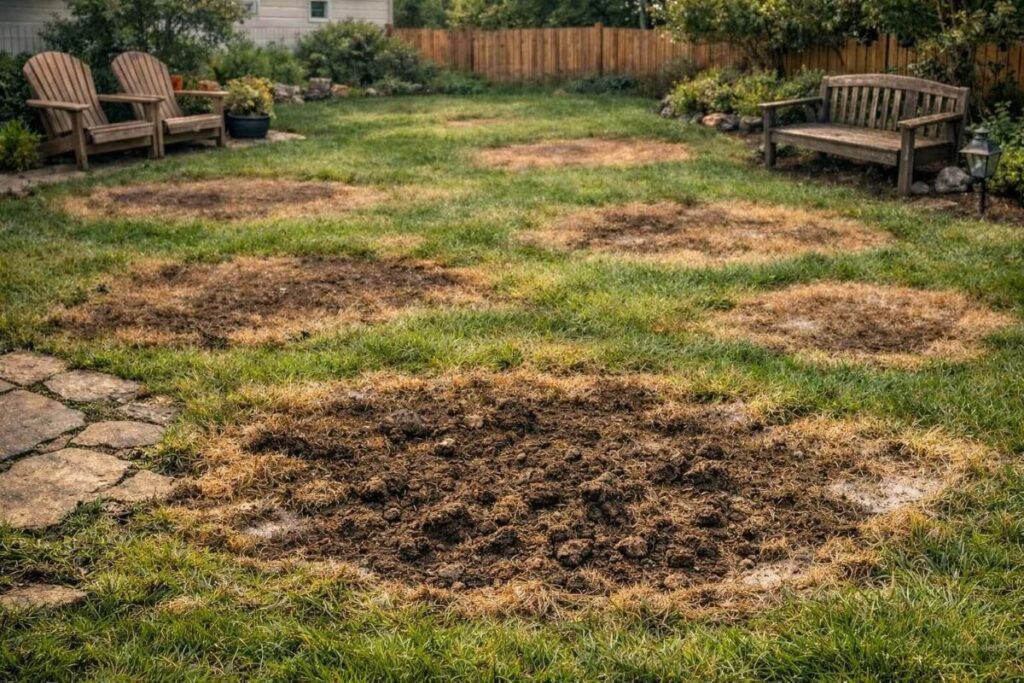
What it looks like: Large, irregular brown or yellow patches that seem to appear overnight, often with a distinctive “smoke ring” pattern around the edges. These patches typically range from 30cm to several metres across and have a depressed, almost sunken appearance.
Why it’s a professional job: Brown patch disease (Rhizoctonia solani) is one of the most aggressive fungal diseases affecting UK lawns, particularly during warm, humid conditions. While it might look like drought damage or fertiliser burn to the untrained eye, this fungal nightmare requires specific identification and treatment protocols that go far beyond what most homeowners can manage.
We see this disaster most frequently in South Yorkshire during those muggy July and August periods when daytime temperatures hover around 20-25°C and humidity remains high overnight. The fungus literally melts grass blades from the inside out, creating those characteristic brown patches that can spread rapidly across your entire lawn.
The DIY trap: Most homeowners try to solve this by watering more (which actually makes it worse) or applying generic fungicides from the garden centre. Unfortunately, brown patch requires precise fungicide timing, specific active ingredients, and often multiple treatments with different products to break the disease cycle.
Professional intervention includes: Accurate disease identification through microscopic analysis, targeted fungicide applications with commercial-grade products, cultural practice modifications (watering timing, fertilisation adjustments), soil drainage improvements, and ongoing monitoring to prevent reoccurrence.
We’ve rescued lawns where homeowners spent hundreds of pounds on ineffective treatments, only to watch the disease spread further. Professional diagnosis and treatment typically halts the disease within 2-3 weeks and prevents the costly need for complete lawn renovation.
Disaster #2: The Moss Takeover Nightmare
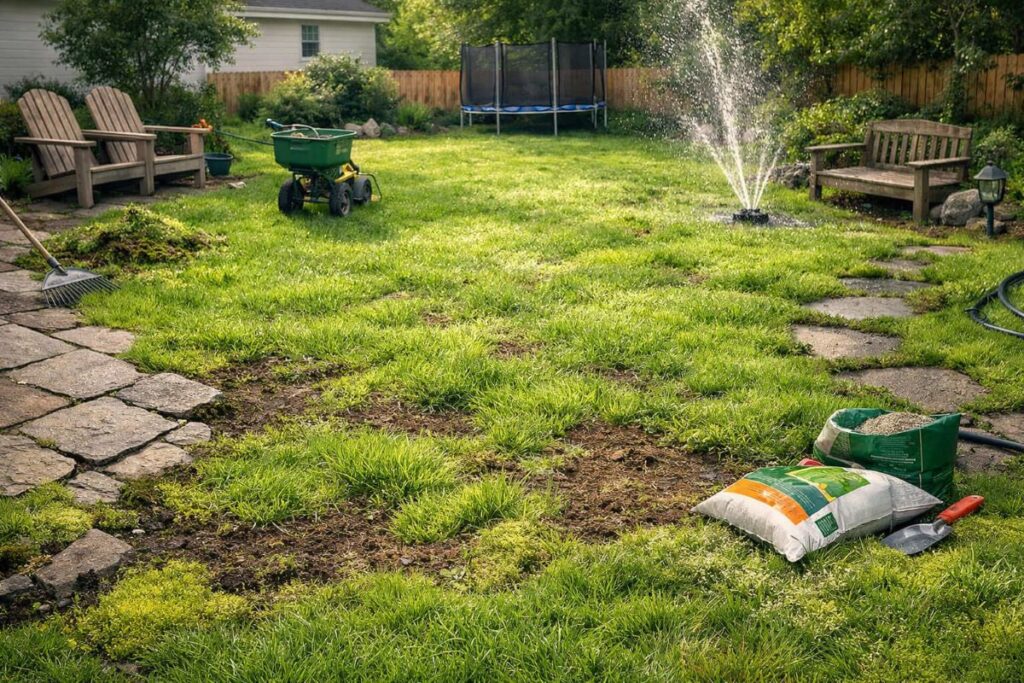
What it looks like: Green, spongy moss spreading like a thick carpet across your lawn, often accompanied by a thatch layer so dense you can literally peel it back like carpet. The remaining grass appears weak, thin, and struggles to compete with the advancing moss army.
Why it’s a professional job: Moss doesn’t just happen – it’s a symptom of multiple underlying problems that require systematic correction. Poor drainage, soil compaction, low pH, inadequate nutrition, and insufficient light all contribute to creating the perfect storm for moss domination.
In our experience across Rotherham, moss problems typically indicate at least three concurrent issues that need addressing simultaneously. Most homeowners focus on killing the moss without correcting the conditions that allowed it to establish in the first place, leading to inevitable reoccurrence within a single growing season.
The DIY trap: Iron sulphate treatments from garden centres will blacken and kill surface moss temporarily, but they don’t address soil compaction, drainage issues, or soil pH problems. Many homeowners create a cycle where they kill moss in spring, watch it return by autumn, and repeat the process year after year without making real progress.
Professional intervention includes: Comprehensive soil testing to identify pH and nutrient imbalances, mechanical moss removal and scarification to eliminate thatch buildup, core aeration to address compaction, drainage improvements where necessary, lime applications to correct pH, strategic overseeding with appropriate grass species, and ongoing fertilisation programmes that favour grass over moss.
The transformation we achieve with professional moss control often amazes homeowners. Lawns that looked beyond saving become thick, healthy turf within a single growing season when the underlying causes are properly addressed.
Disaster #3: The Chafer Grub Devastation
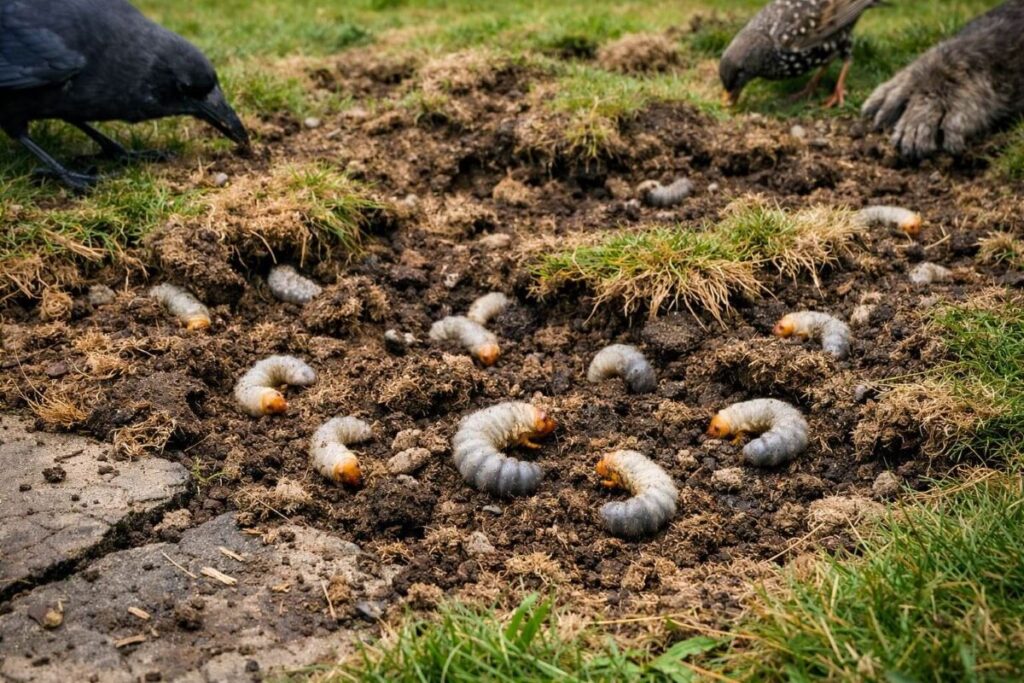
What it looks like: Large sections of lawn that lift like loose carpet, revealing C-shaped white grubs beneath. Often accompanied by increased bird, badger, or fox activity as wildlife digs for the grubs, creating additional damage. The affected areas typically die back completely, leaving bare soil exposed.
Why it’s a professional job: Chafer grub infestations represent one of the most destructive lawn pests in the UK, capable of destroying entire lawns in a matter of weeks. The adult beetles lay eggs in summer, and the resulting grubs feed on grass roots through autumn and winter, creating devastating damage that often isn’t noticed until spring.
Professional identification is crucial because different grub species require different treatment approaches and timing. Chafer grubs, leatherjackets (crane fly larvae), and other soil-dwelling pests all create similar damage patterns but respond to completely different control methods.
The DIY trap: By the time homeowners notice the damage, it’s often too late for effective treatment with products available to the public. Many DIY grub control products are preventive rather than curative, and applying them after an infestation is established is largely ineffective.
Professional intervention includes: Accurate pest identification through soil sampling, targeted treatment with professional-grade nematodes or approved insecticides, timing applications for maximum effectiveness, repairing damaged areas through overseeding or turfing, implementing preventive programmes for future seasons, and monitoring for secondary pest invasions.
We’ve seen entire lawns destroyed by chafer grubs in areas of Rotherham where the sandy soil provides ideal conditions for beetle egg-laying. Professional intervention can stop the damage and restore affected areas, but timing is absolutely critical for success.
Disaster #4: The Fairy Ring Invasion
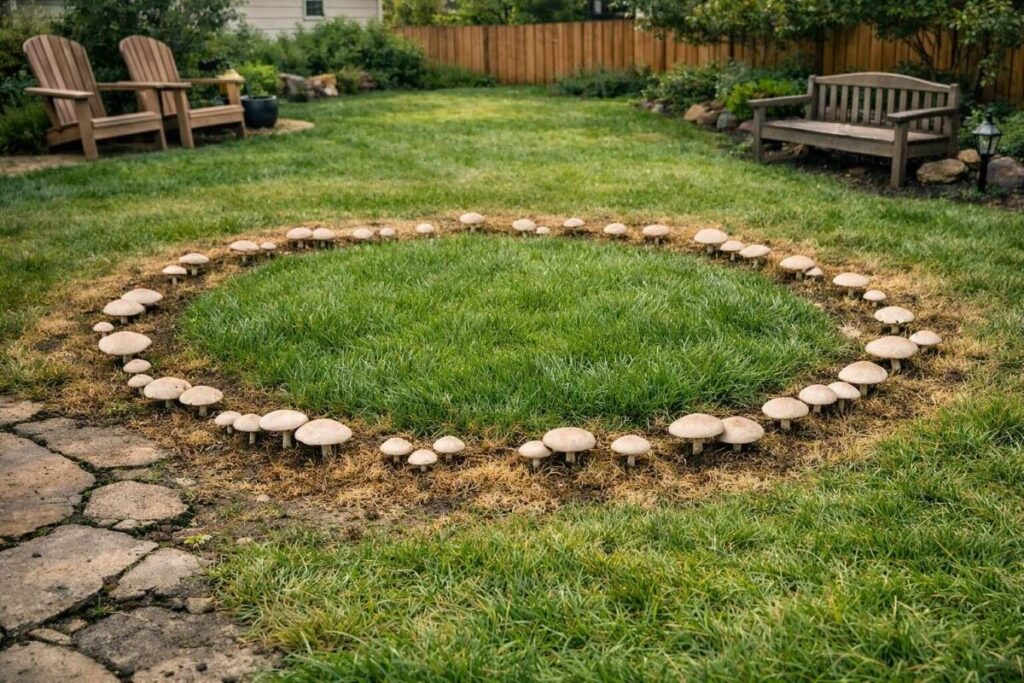
What it looks like: Mysterious circles or arcs of dark green grass, often with rings of dead grass or mushrooms appearing in perfect geometric patterns. These rings typically expand outward each year, creating an increasingly dramatic and unsightly pattern across your lawn.
Why it’s a professional job: Fairy rings are caused by soil-dwelling fungi that form complex underground networks (mycelia) which can extend several feet deep and persist for decades. The fungi consume organic matter in the soil, creating nitrogen-rich zones that stimulate grass growth in distinctive ring patterns.
There are over 60 different fungi species that can create fairy rings, each requiring different treatment approaches. Type 1 rings kill grass completely, Type 2 rings stimulate excessive growth, and Type 3 rings only produce mushrooms without affecting grass growth. Accurate identification determines the entire treatment strategy.
The DIY trap: Homeowners often try to treat fairy rings like regular fungal diseases or nutrient problems, applying general fungicides or fertilisers that have no effect on established mycelium networks. Some attempt to dig out affected areas, only to find the fungal network extends far beyond the visible ring.
Professional intervention includes: Soil sampling and laboratory analysis to identify the specific fungal species, deep water injection to disrupt fungal networks, targeted fungicide applications with specialised penetrating agents, soil amendments to alter the environment that supports fungal growth, strategic aeration and topdressing programmes, and long-term monitoring to prevent reestablishment.
Fairy rings are notoriously difficult to eliminate completely, but professional treatment can significantly reduce their impact and prevent the dramatic expansion that ruins entire lawn areas. The key is understanding that you’re treating an underground ecosystem, not just surface symptoms.
Disaster #5: The Complete Lawn Collapse
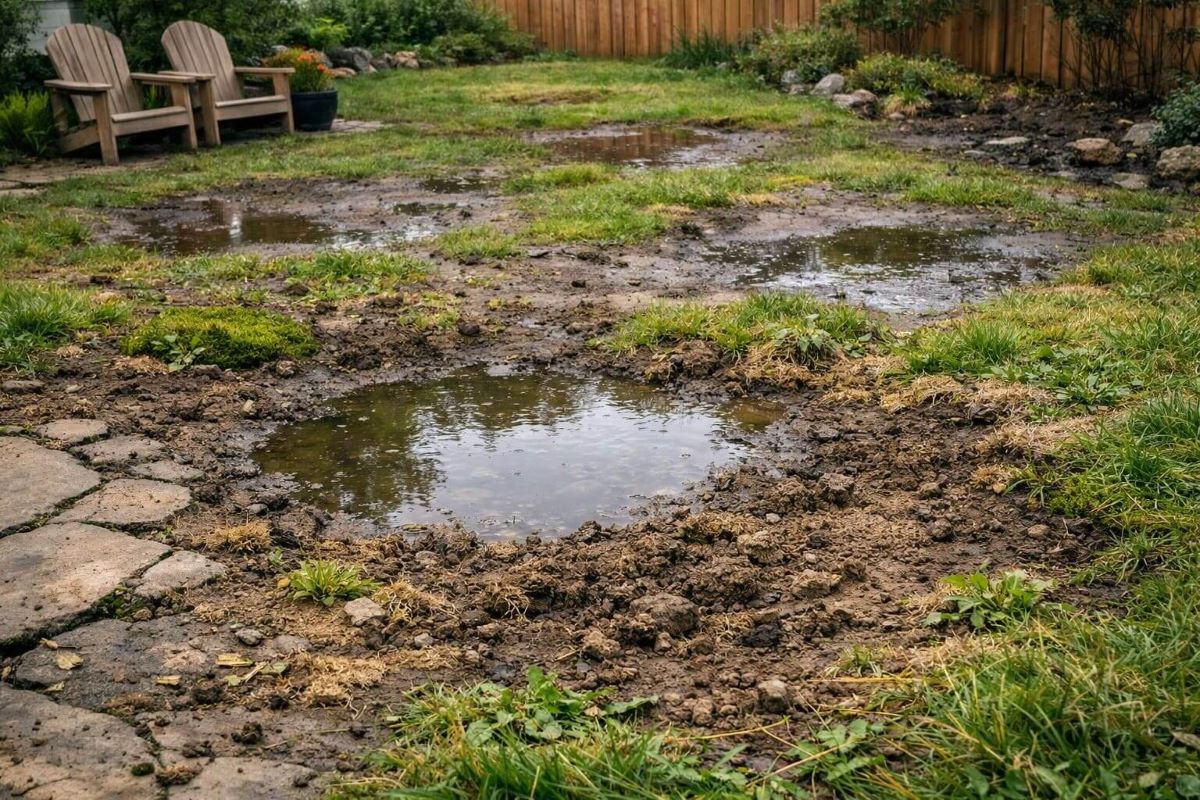
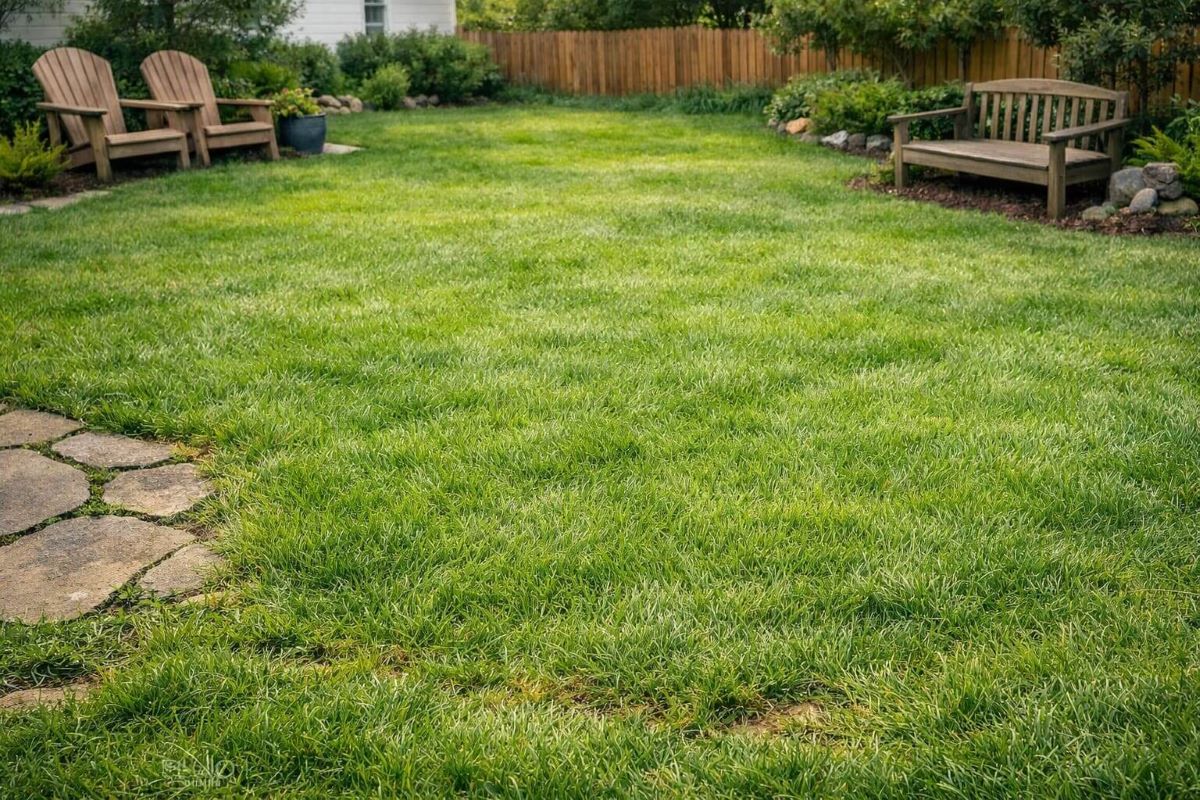
What it looks like: Large areas where grass has simply disappeared, leaving behind compacted bare soil, weeds, moss, and scattered patches of struggling grass. Often accompanied by drainage problems, with water pooling after rain and creating muddy, unusable areas.
Why it’s a professional job: Complete lawn collapse usually results from a perfect storm of problems: severe soil compaction, poor drainage, inappropriate grass species for the conditions, inadequate nutrition, disease pressure, and often years of declining maintenance. This disaster requires a complete lawn renovation approach rather than spot treatments.
Professional assessment can determine whether renovation or complete reconstruction is the most cost-effective approach. Sometimes the soil structure is so compromised that surface treatments won’t achieve lasting results without addressing fundamental drainage and compaction issues.
The DIY trap: Homeowners facing complete lawn collapse often try a piecemeal approach – overseeding bare patches, applying general fertilisers, and hoping for improvement. Without addressing soil structure, drainage, and species selection, these efforts typically fail within a single season, wasting both time and money.
Professional intervention includes: Comprehensive site assessment including drainage evaluation and soil analysis, mechanical renovation through scarification, aeration, and topdressing, drainage improvements where necessary, species selection appropriate for site conditions and usage patterns, staged renovation programmes that minimise disruption, and establishment care to ensure successful grass establishment.
We’ve transformed lawns that looked beyond saving into beautiful, functional turf through systematic renovation programmes. The key is addressing all the underlying problems simultaneously rather than applying band-aid solutions to individual symptoms.
The Cost of Delay: Why Waiting Makes Everything Worse
Here’s the uncomfortable truth about lawn disasters: they don’t get better on their own, and they certainly don’t stay contained. Every week you delay professional intervention typically adds weeks to the recovery time and pounds to the ultimate cost.
Fungal diseases spread exponentially during favourable conditions. A small brown patch that could be controlled with targeted treatment in week one might require complete area renovation by week six.
Moss infestations become increasingly difficult to reverse as they modify soil conditions in their favour, creating acidic, compacted environments that make grass establishment progressively more challenging.
Grub damage expands as populations grow and mature, whilst secondary damage from wildlife digging for grubs often exceeds the original pest damage.
Fairy rings expand outward each year, and established fungal networks become increasingly resistant to treatment as they mature and develop deeper root systems.
Soil compaction worsens with every rainfall and foot traffic event, creating an increasingly hostile environment for grass recovery while favouring weed and moss establishment.
What Professional Assessment Actually Involves
Many homeowners hesitate to call a lwan care professional because they’re unsure what to expect or worried about high-pressure sales tactics. Let me walk you through what a genuine lawn care professional assessment should include:
Visual inspection of affected areas, looking for patterns, distribution, and severity of problems. With your permission we photograph lawn issues for documentation and progress tracking.
Soil testing through core samples that reveal pH, nutrient levels, organic matter content, and soil structure. This often reveals the root causes behind surface symptoms.
Drainage evaluation including infiltration testing and identification of water flow patterns that contribute to ongoing problems.
Species identification of existing grass types, weeds, diseases, and pests to ensure treatments target the actual problems rather than symptoms.
Usage assessment to understand how the lawn is used, traffic patterns, and realistic expectations for recovery and ongoing maintenance.
Treatment options presented with honest timelines, costs, and expected outcomes. Reputable lawn care professionals offer multiple approaches and explain the pros and cons of each.
At AJR Lawn Care, we believe in educating homeowners about what’s happening with their lawns and why certain treatments are necessary. You should never feel pressured into services you don’t understand or can’t afford.
Prevention: Your Best Defence Against Future Disasters
While we’ve focused on lawn disasters that require professional intervention, the best approach is preventing these problems in the first place. Here are the key principles that keep lawns healthy and resilient:
Regular monitoring helps identify problems before they become lawn disasters. Monthly walks across your lawn, looking for changes in colour, texture, or growth patterns, can catch issues early when they’re still manageable.
Proper cultural practices including appropriate mowing heights, watering schedules, and seasonal care significantly reduce disease pressure and pest problems.
Soil health maintenance through regular testing, appropriate fertilisation, and addressing compaction prevents many of the conditions that lead to major problems.
Professional preventive care through annual treatment programmes often costs less than emergency disaster recovery and provides much better long-term results.
Realistic expectations about your lawn’s capabilities based on soil conditions, climate, and usage patterns helps avoid management practices that stress grass and create vulnerability.
Conclusion
Recognising these five lawn disasters early can save you significant time, money, and frustration. While DIY lawn care works well for routine maintenance and minor issues, certain problems require professional expertise, specialised equipment, and commercial-grade products to resolve effectively.
The key is understanding when you’re facing a disaster that’s beyond DIY solutions. Brown patch disease, moss takeovers, grub infestations, fairy rings, and complete lawn collapse all represent complex problems with multiple underlying causes that require systematic professional intervention.
Don’t let pride or budget concerns prevent you from seeking professional help when your lawn is screaming for it. Early professional intervention almost always costs less than delayed action, and the results are dramatically better when problems are addressed before they become entrenched.
If you’re facing any of these lawn disasters in Rotherham or the surrounding South Yorkshire area, don’t suffer in silence! At AJR Lawn Care, we’ve successfully rescued hundreds of lawns from these exact situations, and we’d be happy to assess your particular challenges and recommend the most effective solutions.
Remember, a beautiful lawn isn’t just about aesthetics – it’s about creating a functional outdoor space that adds value to your property and provides enjoyment for your family. Sometimes that means calling in the professionals to win battles that are simply too big to fight alone.
Ready to rescue your lawn from disaster? Contact AJR Lawn Care today for a comprehensive assessment and personalised recovery plan. Let’s work together to transform your lawn disaster into the beautiful outdoor space you deserve.
Frequently Asked Questions
How do I know if my lawn problem is serious enough for professional help?
If you’re seeing rapid spread of damage, large affected areas (more than 2-3 square metres), recurring problems despite repeated DIY treatments, or multiple simultaneous issues like disease plus pest damage, it’s time for professional assessment. Generally, if a problem persists or worsens after 4-6 weeks of appropriate DIY treatment, professional intervention will save you time and money in the long run.
What's the typical cost difference between DIY disaster recovery and professional treatment?
While professional services have higher upfront costs, they typically prove more economical long-term. We’ve seen homeowners spend £200-400 on repeated DIY attempts for problems like brown patch or moss control, only to call professionals eventually. Professional treatment usually costs £150-300 initially but includes guaranteed results and prevents recurring issues, making it more cost-effective overall.
How long does professional lawn disaster recovery typically take?
Recovery timelines vary significantly by problem type and severity. Fungal disease control shows results within 2-3 weeks, while complete lawn renovation may require a full growing season. Moss control typically takes 6-12 months for complete transformation, and fairy ring management can require 1-2 years for full resolution. We provide realistic timelines during assessment and regular progress updates throughout treatment.
Can lawn disasters spread to neighbouring properties?
Fungal diseases like brown patch can potentially spread through airborne spores, contaminated equipment, or foot traffic, though this is relatively uncommon. Pest problems like chafer grubs typically reflect local soil conditions rather than spreading from property to property. Moss and fairy rings are site-specific and don’t typically spread between properties. However, addressing problems promptly is always beneficial for neighbourhood lawn health.
What guarantee do professional lawn care services typically offer?
Reputable lawn care companies should offer guarantees on their work, though terms vary by service type. At AJR Lawn Care, we guarantee disease control treatments will halt active infections within specified timeframes, pest control services include follow-up treatments if infestations persist, and renovation work includes establishment guarantees for new grass. Always ask about guarantee terms before committing to any professional service, and ensure they’re clearly stated in writing.