
Remember the summer of 2022 when the UK experienced its driest conditions since 1976? I’ll never forget watching my buddy’s pristine lawn turn into what looked like a patch of desert sand while mine stayed relatively green. The difference wasn’t luck – it was preparation and smart water management.
UK heat droughts are becoming more frequent and severe, with climate scientists predicting longer dry periods ahead. During the 2018 drought, some areas of England received less than 30% of their average rainfall! Yet your lawn doesn’t have to become a casualty of these challenging conditions.
Water restrictions during droughts can feel overwhelming, especially when you’ve invested time and money into creating the perfect garden lawn space. But here’s what I’ve learned through years of trial and error: drought-resistant lawn care isn’t just about survival – it’s about creating a more resilient, sustainable outdoor space that actually requires less maintenance year-round.
Understanding UK Drought Patterns and Their Impact on Lawns
The Reality of British Drought Cycles
UK droughts typically occur when we experience extended periods with less than 75% of average rainfall. These dry spells can last anywhere from a few weeks to several months, with the most severe affecting lawn health within just 2-3 weeks.
Grass Stress Indicators During Drought
- Colour changes from deep green to yellow or brown
- Reduced growth rates and dormancy
- Increased susceptibility to pest damage
- Root system stress and shallow growth patterns
- Soil compaction and hard ground conditions
Regional Variations Across the UK
- Southern England faces the highest drought risk
- Scotland and Northern Ireland typically experience milder water stress
- Coastal areas may benefit from higher humidity levels
- Urban heat islands intensify drought effects on lawns
Choosing Drought-Resistant Grass Types for UK Gardens
Best Drought-Tolerant Grass Varieties
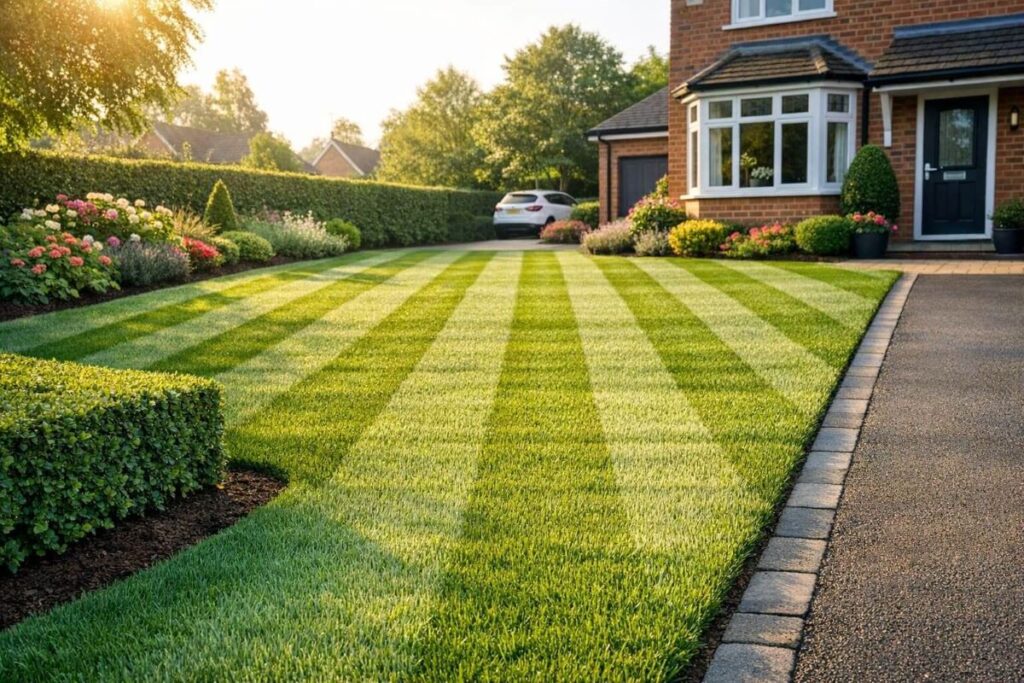
Fine Fescue has become my go-to recommendation for UK gardeners preparing for drought conditions. This grass type can survive on 40% less water than traditional ryegrass mixtures while maintaining decent appearance.
Tall Fescue offers exceptional drought resistance with deep root systems extending up to 6 feet underground. Though it feels slightly coarser underfoot, it stays green longer during water restrictions.
Native UK Grasses for Water Conservation
- Sheep’s Fescue thrives in poor, dry soils
- Red Fescue adapts well to various conditions
- Yorkshire Fog tolerates drought but may look less refined
Seed Mix Recommendations
- 70% Fine Fescue + 30% Perennial Ryegrass for balanced performance
- 100% Tall Fescue for maximum drought tolerance
- Eco-lawn mixes containing native wildflowers and grasses
Efficient Watering Techniques During Water Restrictions
Deep, Infrequent Watering Method
One of my customers learned this lesson the hard way after killing half his lawn with shallow daily watering. Deep watering encourages roots to grow downward, accessing moisture reserves that shallow-rooted grass can’t reach.
Water your lawn 2-3 times per week maximum, applying 25-30mm of water each session. This mimics natural rainfall patterns and promotes stronger, more drought-resistant grass.
Best Timing for Water Conservation
- Early morning (5-7 AM) reduces evaporation by up to 50%
- Evening watering (after 6 PM) if morning isn’t possible
- Avoid midday watering which wastes 70% of applied water
Water-Saving Equipment and Tools
- Soaker hoses reduce water usage by 30-50% compared to sprinklers
- Rain gauges help monitor natural precipitation
- Moisture meters prevent overwatering
- Mulching mowers return moisture to soil through grass clippings
Smart Irrigation Systems for UK Homes
Drip Irrigation for Lawn Edges
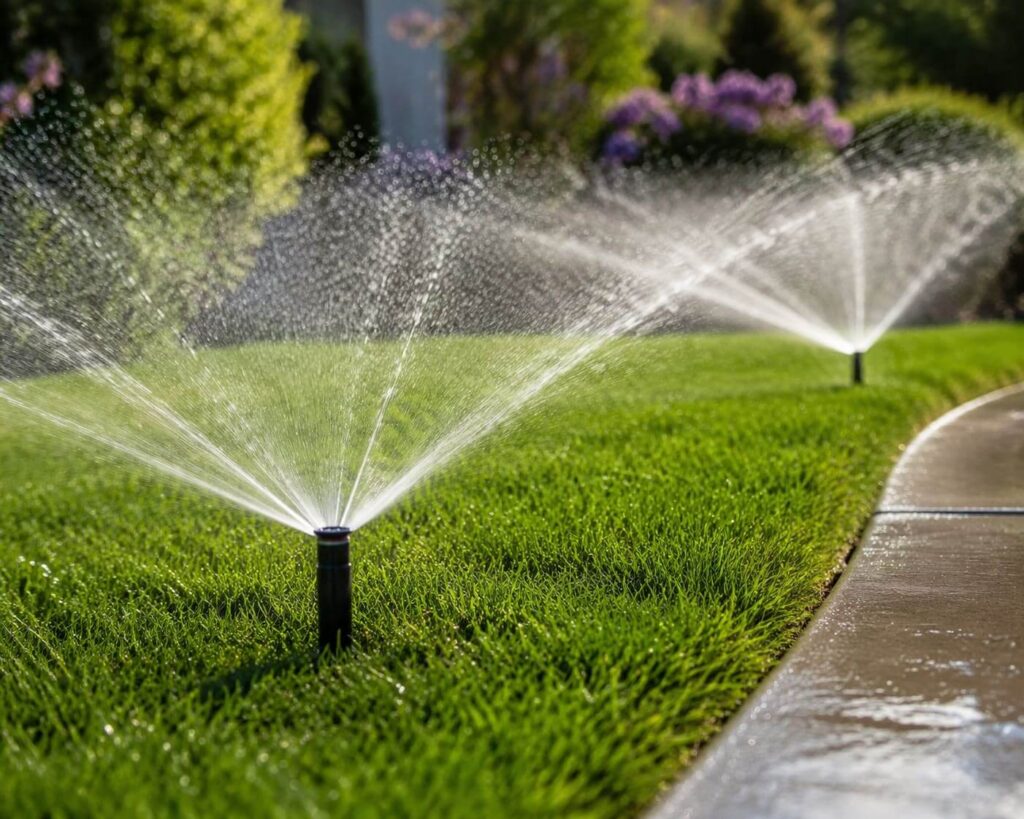
Installing drip irrigation around lawn perimeters has saved me hundreds of litres per season. These systems deliver water directly to root zones with 90% efficiency compared to 60% for traditional sprinklers.
Smart Controller Benefits
- Weather-based scheduling adjusts automatically
- Soil moisture sensors prevent unnecessary watering
- Remote monitoring via smartphone apps
- Water usage tracking for conservation goals
DIY Installation Tips
- Start with high-priority areas near property boundaries
- Use pressure-compensating emitters for even distribution
- Install timers with rain delay functions
- Consider battery-powered controllers for flexibility
Soil Management for Water Retention
Improving Soil Structure for Drought Resistance
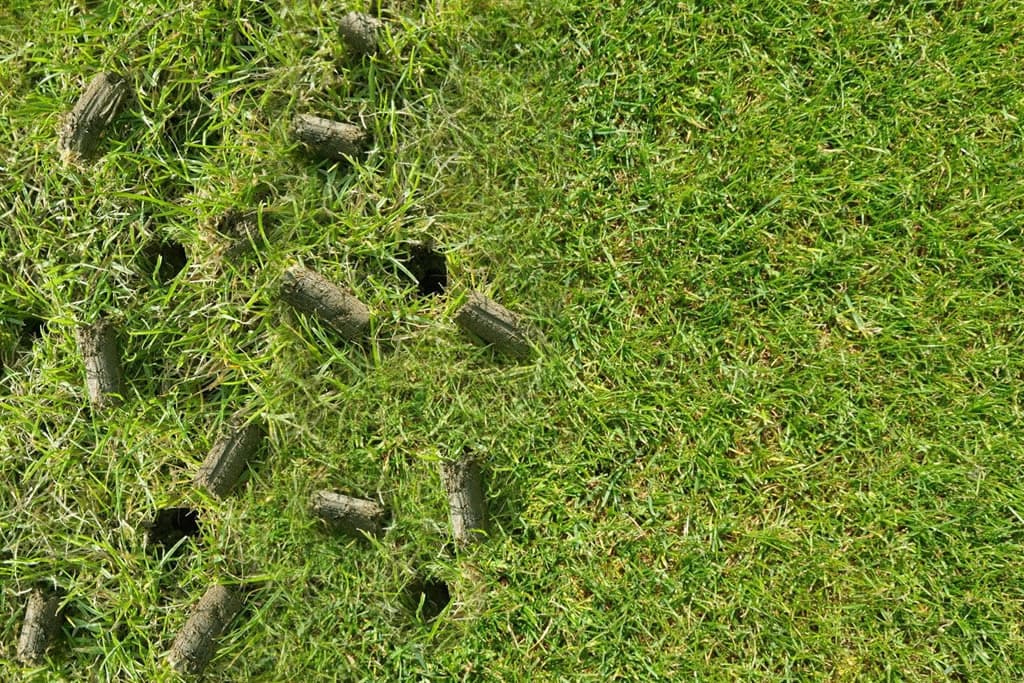
Clay soil might seem problematic, but I’ve found it actually retains moisture better than sandy soils during extended dry periods. The key is preventing compaction through proper aeration.
Annual core aeration in autumn allows water to penetrate deeper while reducing surface runoff. I use a mechanical aerator every spring and during September, creating thousands of holes that store rainwater like tiny reservoirs.
Organic Matter Addition
- Compost improves water retention by up to 40%
- Well-rotted manure adds nutrients while retaining moisture
- Leaf mould creates natural water-holding capacity
- Top-dressing with 12mm of organic matter annually
Mulching Strategies
- Grass clippings left on lawn reduce watering needs by 25%
- Organic mulch around lawn edges prevents moisture loss
- Avoid removing all thatch – thin layers retain soil moisture
Maintenance Practices That Reduce Water Needs

Mowing Height Adjustments
Raising your mower height by just 12mm can reduce water requirements by 30%. Longer grass shades soil, reducing evaporation while deeper roots access more moisture.
During drought conditions, I set my mower to its highest setting (usually 75-100mm). This might look less manicured, but it’s the difference between green grass and brown patches.
Fertilisation During Dry Periods
- Reduce nitrogen applications which increase water demand
- Apply potassium-rich fertilisers to improve drought tolerance
- Use slow-release formulations to prevent growth spurts
- Consider organic options that improve soil water retention
Weed Control Benefits
- Weeds compete for limited water resources
- Hand-pulling during dry periods is more effective
- Thick, healthy grass naturally suppresses weed growth
- Avoid chemical treatments that stress drought-weakened grass
Alternative Landscaping Solutions
Reducing Lawn Area Strategically
I’ve replaced 30% of my back garden lawn with drought-tolerant perennials and ground covers. This decision cut my water usage in half while creating more interesting garden features.
Eco-Friendly Alternatives
- Wildflower meadows require no supplemental watering
- Native plant gardens support local wildlife
- Gravel gardens with drought-resistant plants
- Artificial grass for high-traffic areas (though less environmentally friendly)
Zoning Your Garden Space
- Priority watering areas near windows and patios
- Low-maintenance zones with native plants
- Transition areas using drought-tolerant ground covers
- Children’s play areas with hardier grass varieties
Legal Considerations and Water Restrictions
Understanding Hosepipe Ban Regulations
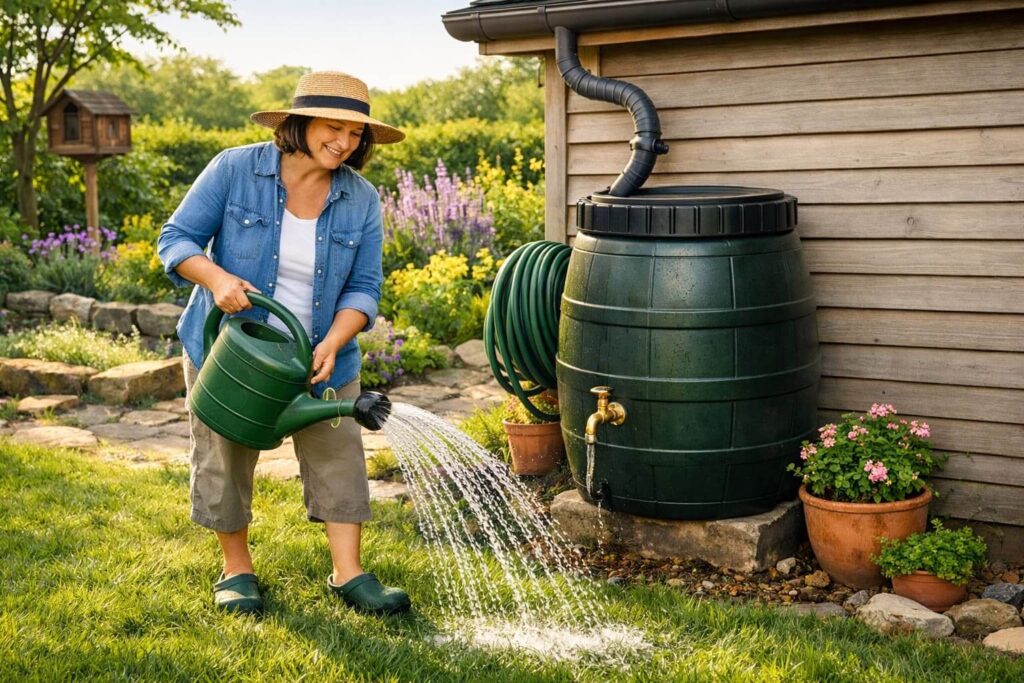
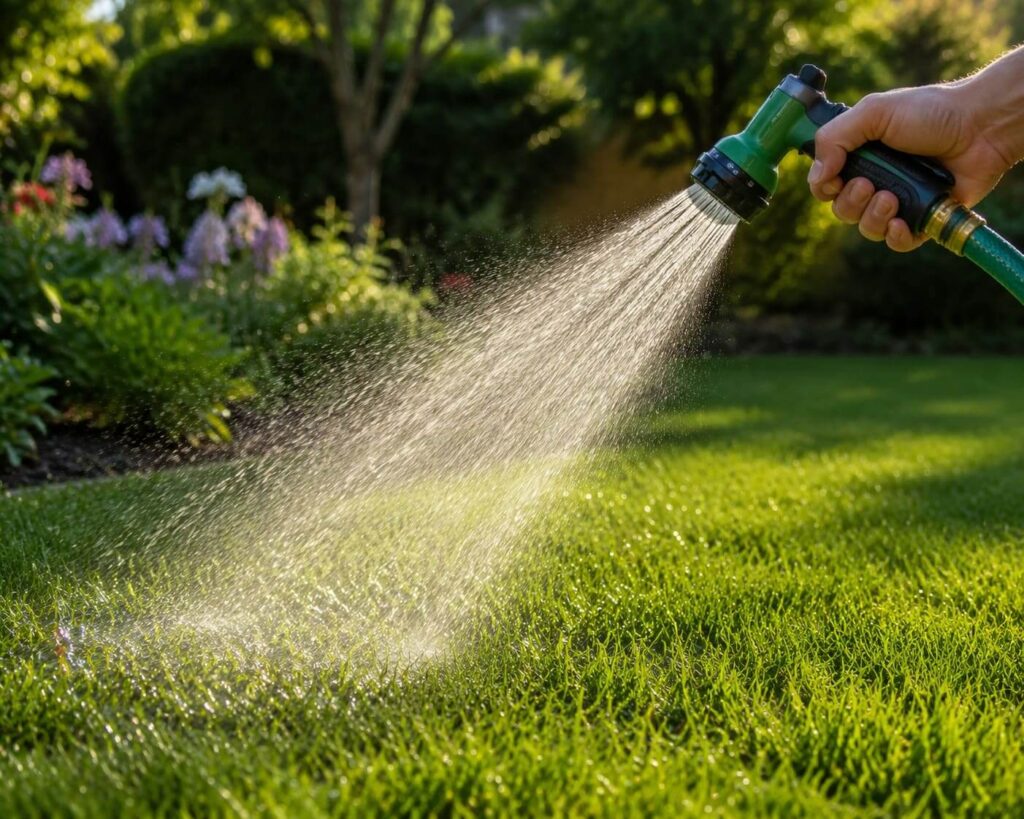
UK hosepipe bans typically prohibit watering lawns and gardens with hosepipes, but hand-held watering cans remain permitted. I always keep several large watering cans ready for these restrictions.
Permitted Activities During Restrictions
- Hand watering with watering cans or buckets
- Using stored rainwater from water butts
- Watering newly seeded or turfed areas (sometimes with permits)
- Commercial gardening operations may have different rules
Greywater Usage Guidelines
- Bath and shower water can water lawns (avoid heavily scented products)
- Kitchen greywater requires filtering before use
- Washing machine water needs consideration of detergent types
- Never use water containing bleach or harsh chemicals
Creating a Drought Action Plan
Seasonal Preparation Timeline
Spring preparation makes all the difference when summer drought arrives. I start my drought planning in March, well before water restrictions typically begin.
March-April Tasks:
- Overseed thin areas with drought-resistant varieties
- Begin deep watering schedule to train roots
- Apply pre-emergent weed control
- Install water-saving irrigation systems
May-June Preparation:
- Raise mowing heights gradually
- Apply potassium-rich fertiliser
- Install rain collection systems
- Identify priority watering zones
Emergency Protocols
- Prioritise watering newly established areas
- Focus water on visible, high-impact zones
- Implement greywater collection systems
- Consider temporary shade structures for vulnerable areas
Conclusion – Water-saving lawn care
Water-saving lawn care during UK droughts isn’t just about surviving dry spells – it’s about creating a more resilient, sustainable garden that thrives regardless of weather conditions. Through proper grass selection, efficient watering techniques, and smart maintenance practices, you can maintain an attractive lawn while being a responsible water steward.
The techniques I’ve shared have helped me reduce water usage by 60% while actually improving my lawn’s health and appearance. Remember, drought-resistant doesn’t mean drought-proof, but with proper preparation, your garden can weather even the driest UK summers.
Start implementing these strategies before the next drought hits – your lawn, your water bill, and the environment will thank you. What water-saving techniques have worked best in your garden? Share your experiences and tips in the comments below!
Water-Saving Lawn Care FAQs for UK Droughts
How often should I water my lawn during a UK drought?
During drought conditions, water your lawn deeply once or twice per week rather than daily shallow watering. Early morning (between 6-10am) is the best time to water, as it reduces evaporation and allows grass to absorb moisture before the heat of the day. Aim for about 2.5cm (1 inch) of water per week, including rainfall.
What grass types are most drought-resistant for UK lawns?
Fine fescue, tall fescue, and perennial ryegrass are excellent drought-tolerant options for UK gardens. These grass varieties have deeper root systems and can survive longer periods without water. Consider overseeding your existing lawn with these drought-resistant varieties to improve water efficiency.
Should I let my lawn go dormant during a hosepipe ban?
Yes, allowing your lawn to go dormant is a natural survival mechanism during drought. Dormant grass appears brown but isn’t dead – it’s conserving energy and water. Most UK grass types will recover once regular rainfall returns, typically within 2-4 weeks of adequate moisture.
What are the best alternatives to sprinklers during water restrictions?
Use soaker hoses, drip irrigation systems, or hand watering with a watering can during hosepipe bans. Greywater from baths and washing machines (using eco-friendly detergents) can also be recycled for lawn irrigation. Rain barrels and water butts are excellent for collecting rainwater during wet periods.
How can I keep my lawn healthy without using lots of water?
Raise your mower height to 7-8cm to help grass retain moisture and develop deeper roots. Remove weeds that compete for water, apply organic mulch around lawn edges, and avoid fertilizing during drought as it encourages growth that requires more water. Consider replacing high-maintenance grass areas with drought-tolerant ground covers or native wildflower meadows.



