
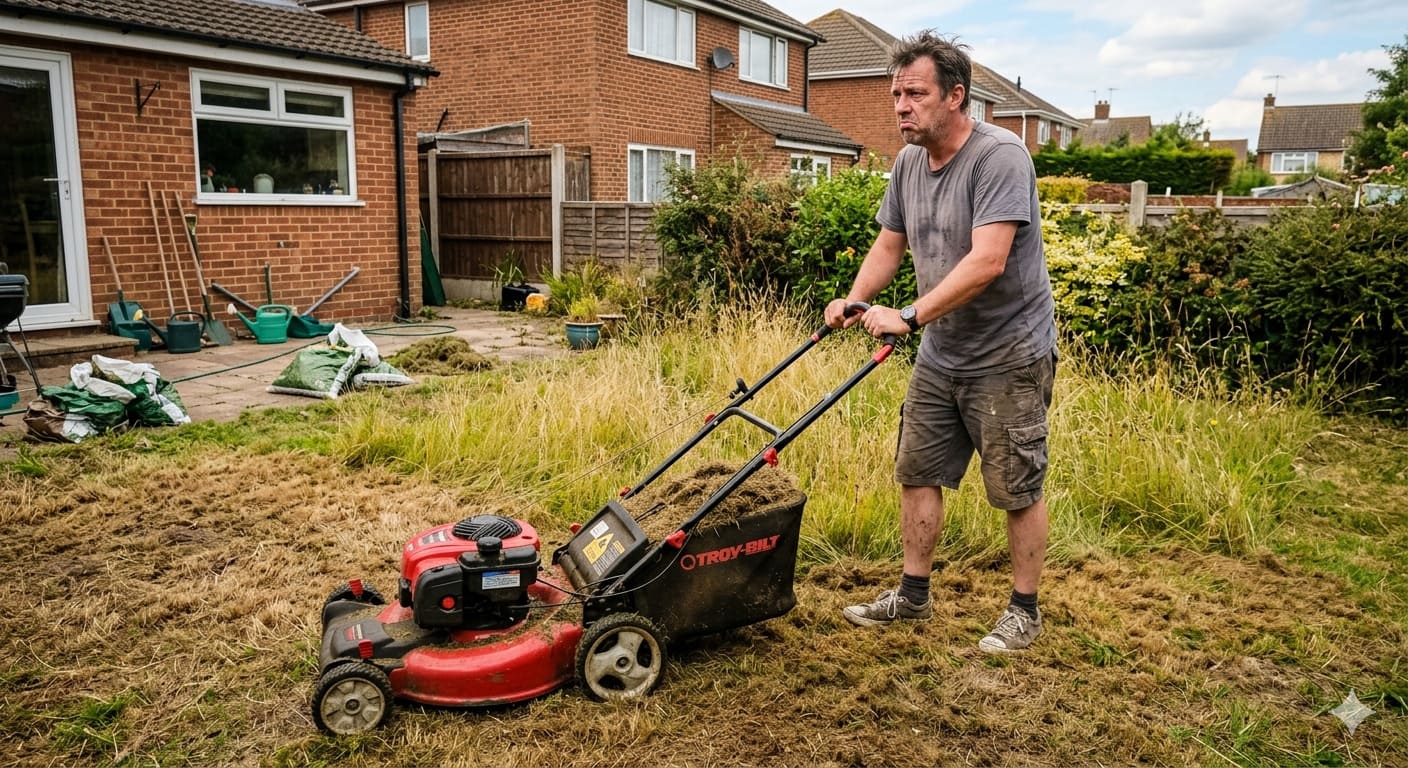
You put in the effort. You bought a good mower, you water it when you remember, and you curse the pesky weeds that pop up. So why does your neighbour’s lawn look like a lush Wembley pitch while yours looks a bit… sad? I’ve been working with lawns in Rotherham, South Yorkshire for years, and let me tell you, it often comes down to one surprisingly common mistake. In fact, a recent survey found that over 60% of UK homeowners aren’t confident they’re mowing their lawn correctly! It’s an easy blunder to make, but it’s literally killing your grass from the roots up. Don’t worry, we’re about to fix that. Let’s dive in!
The #1 Culprit Revealed: Scalping Your Lawn!
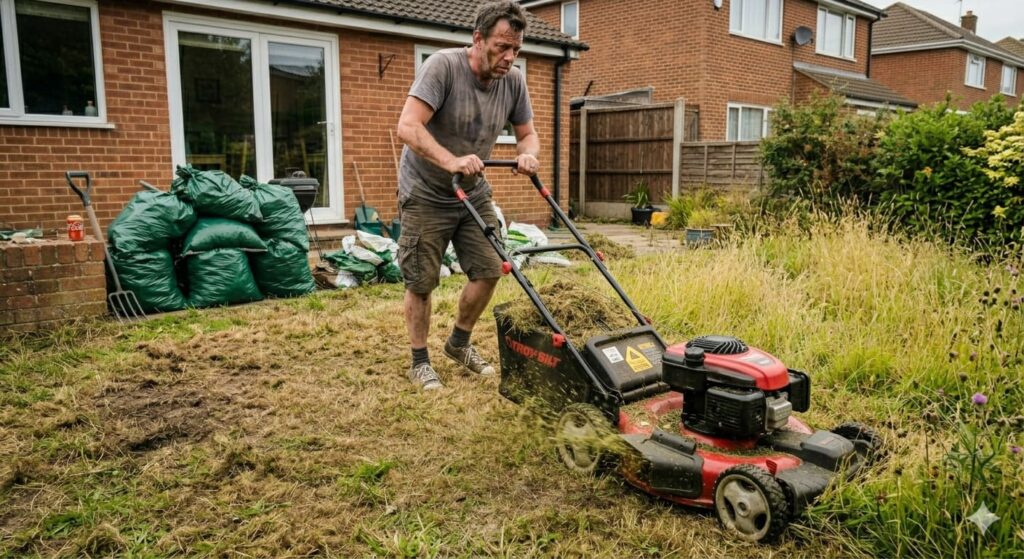
The single biggest mistake we see homeowners make is scalping the lawn—cutting the grass far too short. It might seem like a time-saver, giving you an extra week before the next mow, but it’s a disaster for the health of your turf.
Think of each blade of grass as a tiny solar panel. The green leaf is vital for photosynthesis, the process the plant uses to create food. When you cut it too short, you remove its ability to feed itself, putting the entire plant under immense stress. This leads to weak, shallow root growth, making your lawn vulnerable to drought during our increasingly dry summers. Worse still, scalping exposes the soil to direct sunlight, creating the perfect conditions for stubborn weeds and moss to invade and take over.
The golden rule to live by is the “one-third rule.” Never, ever remove more than one-third of the grass blade’s total height in a single mow. This ensures the plant stays healthy, strong, and resilient.
Fine-Tuning Your Mowing Technique for a Healthier Lawn
Getting a great-looking lawn isn’t just about avoiding scalping; it’s about adopting good habits. Start by setting your mower blades to the correct height. For most UK lawns, a higher setting of around 40mm (about 1.5 inches) is ideal. A longer lawn is a stronger lawn.
Next, check your blades. Are they sharp? Dull mower blades don’t slice the grass; they tear it. These ragged edges are an open invitation for pests and diseases. Sharpening your blades at least once a year makes a huge difference.
Finally, vary your mowing pattern. Mowing in the same direction every time can compact the soil and cause the grass to lean. By alternating between vertical, horizontal, and diagonal patterns, you encourage the blades to grow more upright, resulting in a thicker, more uniform appearance.
Read More: Lawn Mowing & Grass Cutting Tips
Beyond Mowing: Other Common Lawn Blunders We See in Rotherham
While mowing is critical, a few other common blunders can hold your lawn back.
- Improper Watering: A light sprinkle every evening is one of the worst things you can do. It encourages shallow roots that can’t handle dry spells. Instead, water deeply but infrequently (once a week during dry periods is usually enough). This trains the roots to grow deeper in search of moisture. Read More: Watering Your Lawn
- Guessing with Fertiliser: Feeding your lawn is essential, but using the wrong type or amount of fertiliser can scorch the grass, leaving brown, dead patches. A balanced, seasonal feed designed for UK conditions is crucial for providing the right nutrients at the right time.
- Ignoring Compaction: Over time, especially on heavy clay soils common in South Yorkshire, lawns can become compacted from foot traffic and mowing. This stops water, air, and nutrients from reaching the roots. The solution is regular aeration—the process of creating small holes in the soil to relieve the pressure.
Your Lawn Rescue Plan: From Bare Patches to a Lush Paradise
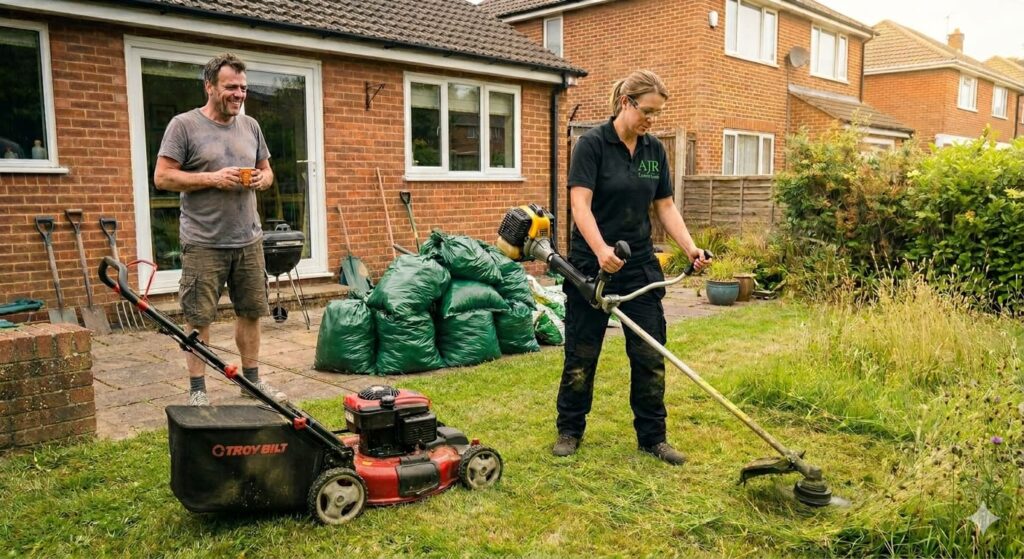
Has your lawn already fallen victim to scalping or neglect? Don’t despair; it can be saved.
First, take immediate damage control. Raise your mower blades to their highest setting for the next few cuts. If the weather is dry, give the lawn a deep watering to help it recover from the stress.
Next, it’s time for repair and revival. Rake out any dead grass or moss (a process called scarification), then aerate the soil to improve drainage and airflow. Finally, spread a quality grass seed mix over any thin or bare patches (overseeding) to help thicken the turf.
If that sounds like a lot of work, or if your lawn needs a more intensive revival, that’s where we come in. At AJR Lawn Care, we specialise in creating bespoke treatment plans for homeowners across Rotherham and South Yorkshire. We understand the local soil types and climate challenges, allowing us to provide a professional service that guarantees results.
Final Thoughts
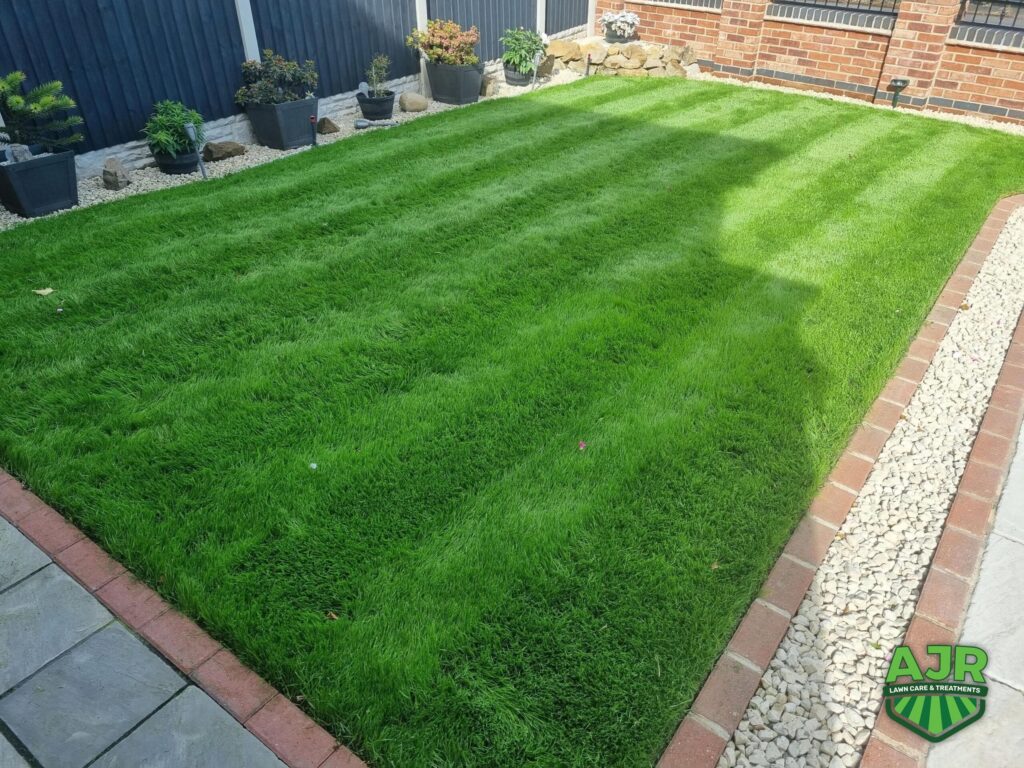
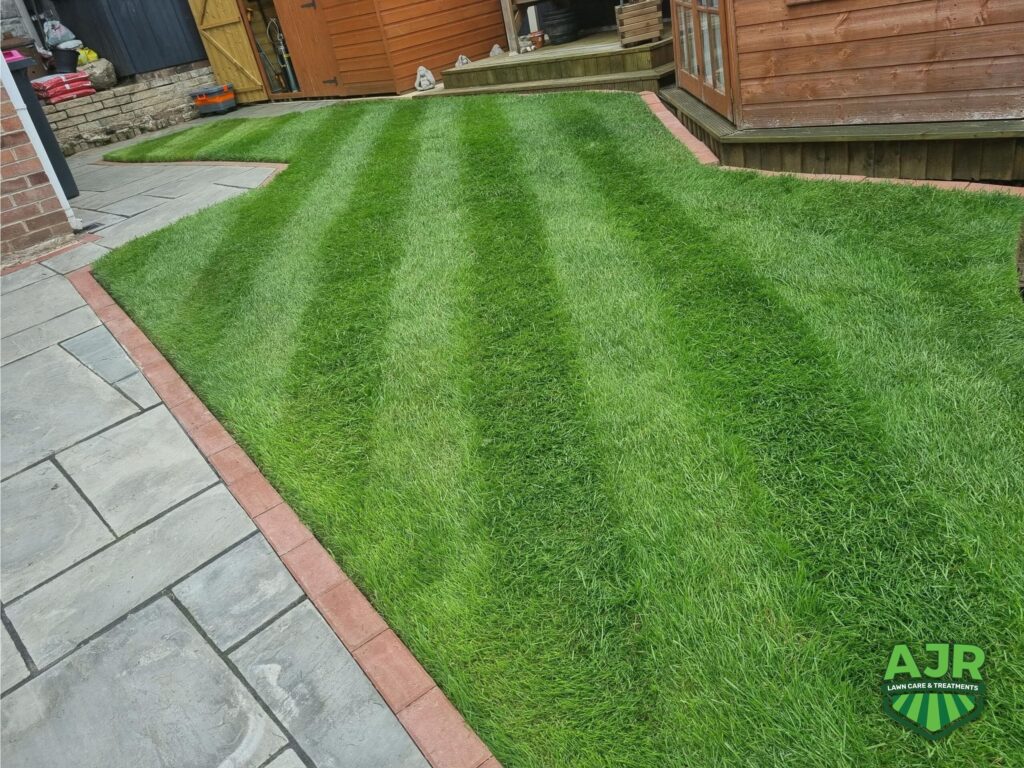
So, there you have it. The number one mistake killing your grass is simply cutting it too short. It’s a small change in habit, but raising that mower blade can make a world of difference, transforming a stressed, patchy lawn into a healthy, green carpet. It really is that simple!
But if your lawn needs a bit more than just a new mowing routine, don’t struggle alone. I’m here to help. If you’re in Rotherham or the surrounding South Yorkshire area, contact AJR Lawn Care. We’ll pop over for a free, no-obligation lawn analysis and get you started on the path to a lawn you can be truly proud of.
Frequently Asked Questions (FAQs)
What is the best height to cut my grass in the UK?
For most domestic lawns in the UK, the ideal cutting height is between 25mm and 40mm (1-1.5 inches). It’s best to keep it on the longer side, especially during summer, as this helps the lawn retain moisture and outcompete weeds. Never cut more than one-third of the blade’s length at once.
How can I fix a lawn that I've accidentally scalped?
If you’ve cut the grass too short, raise your mower blades immediately for future cuts. Water the lawn deeply to help it recover. You may need to overseed any bare patches that appear and apply a suitable fertiliser to encourage new, healthy growth.
How often should I mow my lawn?
This depends on the season and weather. During the peak growing season (spring and early autumn), you may need to mow once or even twice a week. In the heat of summer or the cold of winter, growth slows, and you may only need to mow every two to three weeks, if at all.
Is it better to leave grass clippings on the lawn?
In most cases, yes! This is called “grasscycling.” As long as the clippings are small and you’re mowing regularly, they will break down quickly, returning valuable nutrients to the soil. However, if the clippings are long and wet, or if the lawn has a disease, it’s better to collect them.
When should I call a professional lawn care service?
You should consider calling a professional like AJR Lawn Care if you have persistent problems like widespread weeds, severe moss, compacted soil, or thinning grass that doesn’t respond to basic care. We provide expert treatments like aeration, scarification, and seasonal feeding that go beyond regular mowing to ensure your lawn is healthy year-round.



