
Watering Your Lawn
The Complete Guide to Lawn Watering: Expert Tips and Techniques for Lush Green Grass
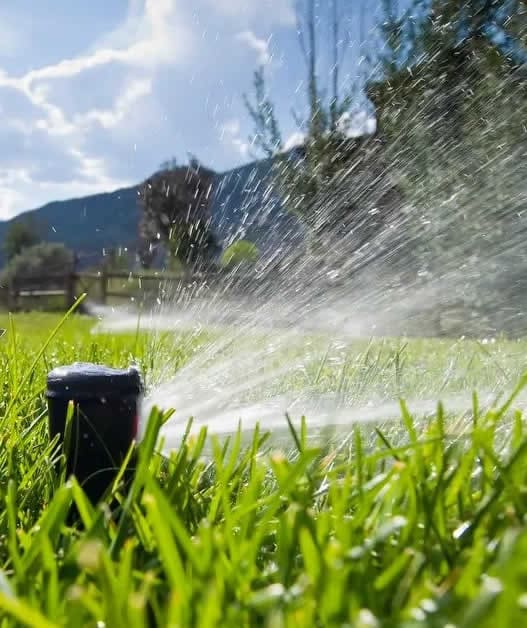
“Roughly 70% of homeowners water their grass incorrectly“
Watering Technique is the Foundation of Successful Lawn Care
Did you know that overwatering kills more lawns than underwatering? It’s true! According to gardening experts, roughly 70% of homeowners water their grass incorrectly, leading to shallow roots, fungal diseases, and patchy brown spots that no one wants in their garden.
I’ve been helping homeowners transform their lawns for over a decade, and I can tell you that proper watering technique is the foundation of successful lawn care. Whether you’re dealing with stubborn brown patches, trying to revive a drought-stressed lawn, or simply want to maintain that enviable green carpet your neighbours admire, mastering the art of lawn irrigation will make all the difference.
In this comprehensive guide, you’ll discover the science-backed watering strategies that professional groundskeepers use to create picture-perfect lawns across the UK. From timing your watering sessions to choosing the right sprinkler system, we’ll cover everything you need to know to keep your grass healthy, vibrant, and resilient throughout our unpredictable British weather.
Understanding Your Lawn’s Water Requirements
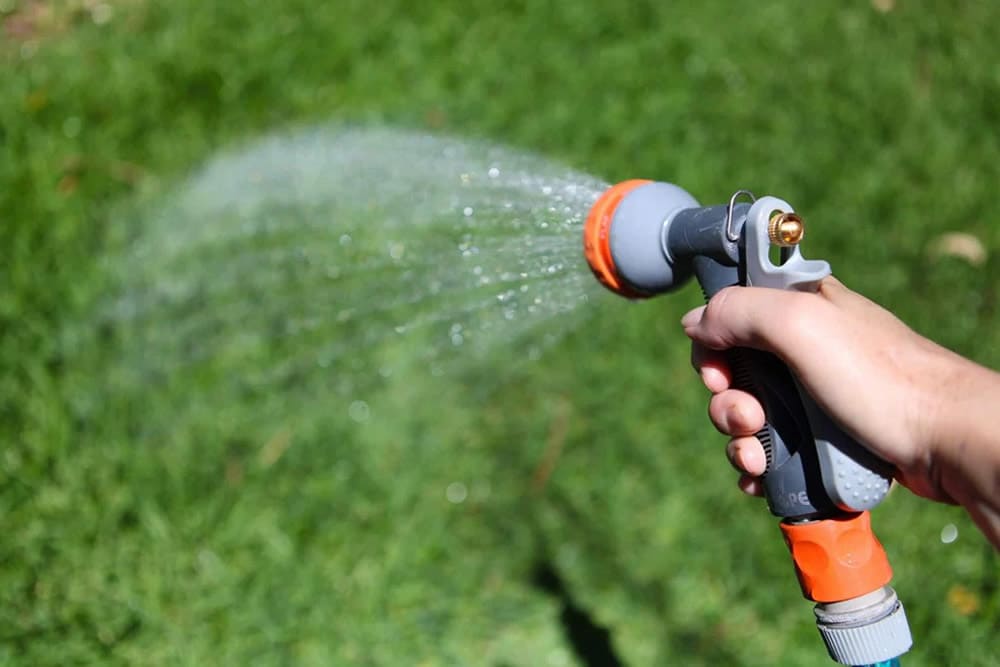
The foundation of successful lawn care starts with understanding that not all grass is created equal, particularly in the UK’s temperate climate. Your watering strategy must align with your specific grass type and local growing conditions to achieve optimal results.
Most UK lawns consist of cool-season grasses such as perennial ryegrass, fine fescue, and bentgrass, which are well-suited to our climate. These varieties typically require consistent moisture throughout the growing season, particularly during their peak growth periods in spring and early autumn. They need approximately 25mm of water per week, including rainfall.
During the warmer months of July and August, when hosepipe bans are common, understanding your lawn’s true water needs becomes crucial. Cool-season grasses can tolerate some drought stress and will recover once regular watering resumes, making them ideal for our climate.
Your soil type significantly impacts watering frequency and duration. Clay soils, common across much of England, hold water longer but absorb it slowly, requiring longer, less frequent watering sessions to prevent surface runoff. Sandy soils, found in areas like Surrey and parts of East Anglia, drain quickly and need more frequent, shorter watering periods. The ideal loamy soil strikes a balance between drainage and water retention.
Our changeable British weather means sun exposure and microclimate matter enormously. South-facing areas that receive full sun will need more water than north-facing slopes. Gardens sheltered by buildings or mature trees require 20-30% less water than exposed locations, as they experience less evaporation and wind stress.
Watch for these signs that your lawn needs water: grass blades folding inward, footprints remaining visible after walking across the lawn, and a slight blue-grey tint to the grass colour. Conversely, overwatering symptoms include spongy, waterlogged ground, persistent moss growth (common in UK lawns), and an abundance of weeds like plantain and dandelions that thrive in constantly moist conditions.
The “25mm rule” serves as your baseline measurement. Place shallow containers or a rain gauge around your garden whilst watering to measure how much water your sprinkler system actually delivers. This simple test reveals whether your current watering routine meets your lawn’s needs or requires adjustment.
Choosing the Right Watering Equipment for UK Gardens
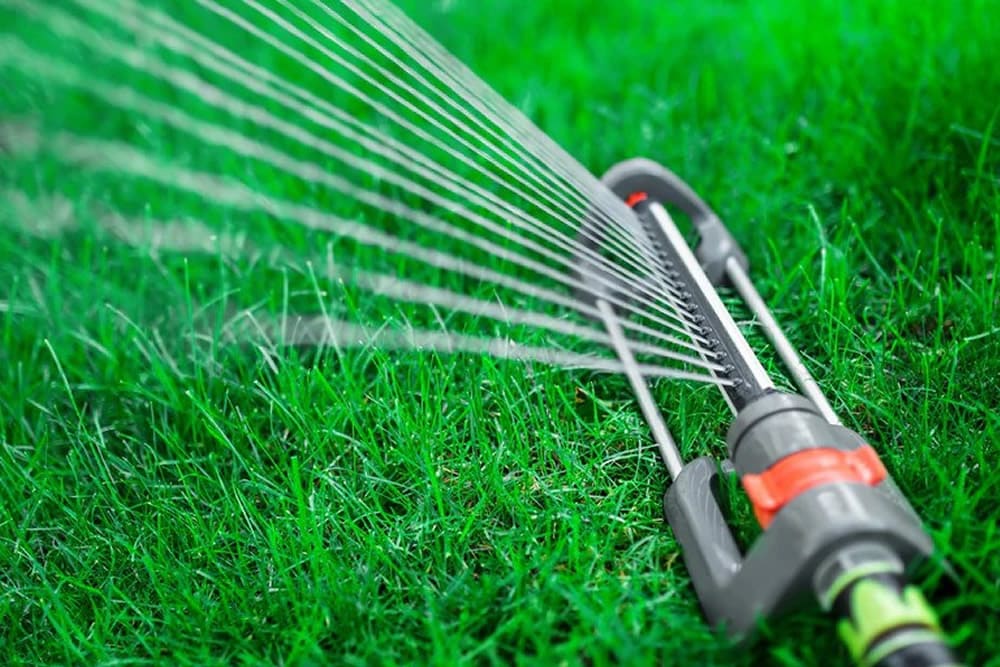
Selecting appropriate irrigation equipment for British gardens requires understanding both our unique climate challenges and typical garden sizes found across the UK.
For most suburban gardens, oscillating sprinklers provide excellent coverage for rectangular lawn areas. These sprinklers work well with our standard water pressure and can cover areas from 100 to 400 square metres, making them ideal for typical British garden sizes. Look for models with adjustable spray patterns to avoid watering flower beds or paved areas.
Rotary sprinklers suit larger gardens and irregular lawn shapes better. They’re particularly effective for the generous lawn areas found in rural properties or larger suburban plots. The rotating action provides even coverage and works well even with slightly lower water pressure, which can be an issue in some areas during peak summer months.
Impact sprinklers, whilst less common in residential settings, work exceptionally well for very large lawns or paddock areas. They’re robust enough to handle our variable weather conditions and provide excellent range, though they can be noisier than other options.
For those concerned about water conservation or living in areas prone to hosepipe bans, consider investing in a drip irrigation system for lawn edges and difficult-to-reach areas. These systems deliver water slowly and directly to the root zone, minimising waste.
Essential tools for every UK gardener include a rain gauge to monitor natural rainfall, a soil moisture meter to check watering effectiveness, and programmable timers that account for our early sunrise times. Many modern timers can be connected to weather stations that automatically adjust watering schedules based on local rainfall and temperature data.
Smart irrigation controllers are increasingly popular and particularly valuable for UK gardens. These systems can connect to local weather services and automatically skip watering cycles when rain is forecast, helping you comply with water restrictions whilst maintaining a healthy lawn.
Garden hoses should be chosen based on your water pressure and garden size. For most UK properties, a 15-20 metre hose with a diameter of 12.5mm provides adequate flow whilst being manageable to store and use.
Seasonal Watering Strategies for UK Gardens
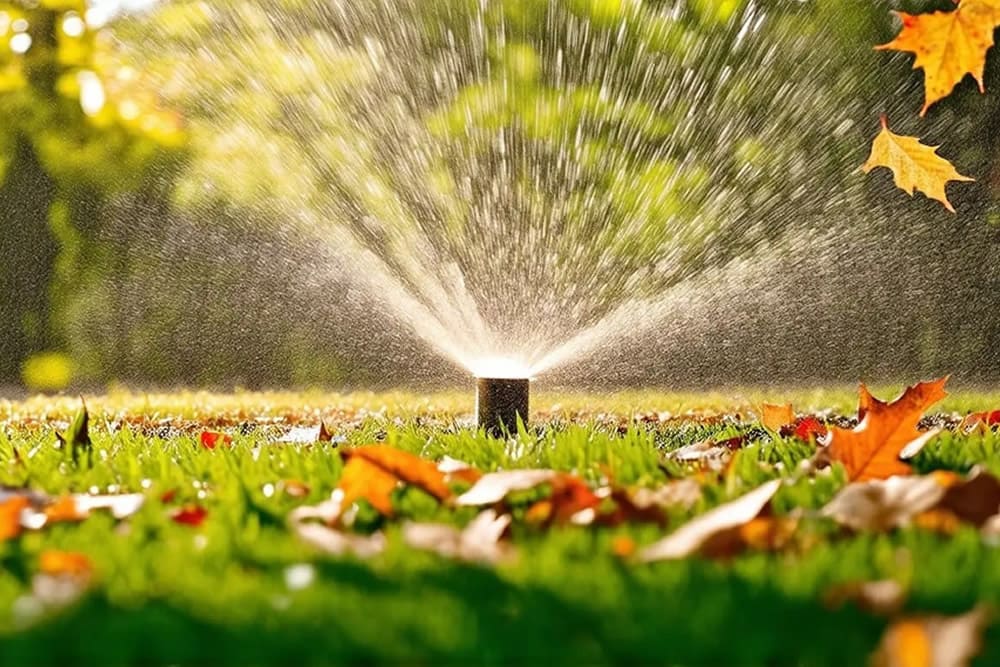
Our distinctive four-season climate requires a flexible approach to lawn irrigation that adapts to changing weather patterns and grass growth cycles throughout the year.
Spring Watering (March-May): As temperatures rise and grass begins active growth, gradually increase watering frequency. April and May can be surprisingly dry, so monitor rainfall carefully. Spring is ideal for deep, weekly watering sessions that encourage strong root development. Watch for late frosts, which can damage grass that’s been recently watered.
Summer Watering (June-August): This is when your watering skills are truly tested. July and August often bring hosepipe bans across southern England, making efficient water use crucial. Focus on deep, infrequent watering in early morning hours. During extreme heat waves, allow cool-season grasses to go partially dormant rather than fighting to keep them perfectly green.
Autumn Watering (September-November): Reduce watering frequency as temperatures drop and rainfall typically increases. September can still be quite dry, so continue monitoring, but by October, natural rainfall usually provides adequate moisture. This is an excellent time for deep watering sessions that help grass store energy for winter.
Winter Watering (December-February): Generally unnecessary in most UK locations due to abundant natural rainfall. In fact, overwatering during winter can lead to waterlogging and fungal diseases. Only water if you experience an unusually dry winter period lasting more than three weeks without significant rainfall.
During drought conditions, which are becoming more frequent in southern England, implement water-saving strategies. Allow grass to grow slightly longer to shade roots and reduce evaporation. Focus your limited water resources on keeping grass alive rather than perfectly green.
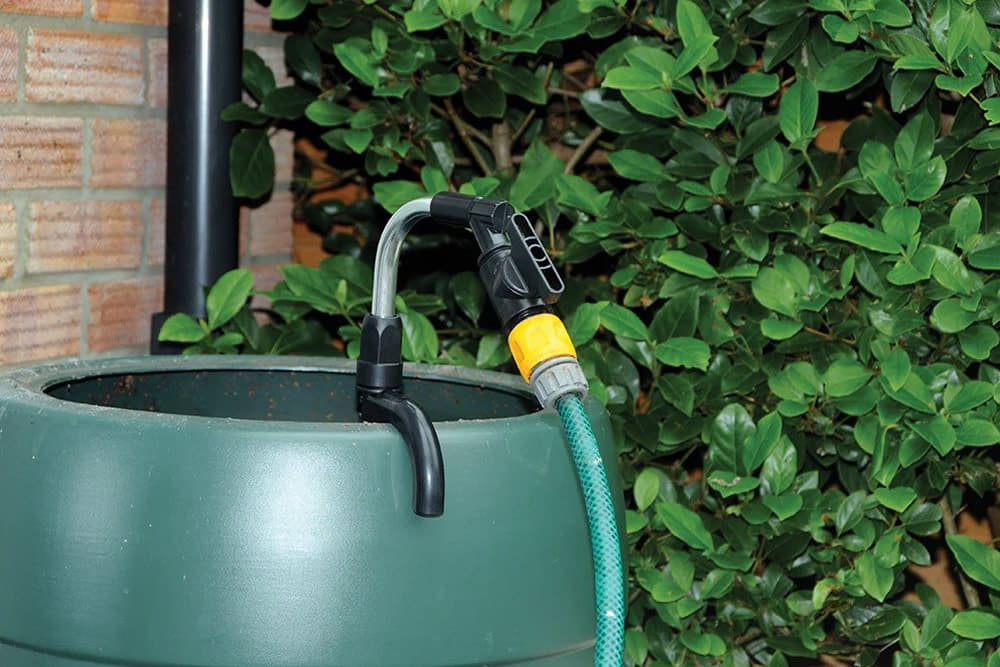
Consider rainwater harvesting during wetter months to build reserves for drier periods. Water butts and larger collection systems can provide valuable irrigation water during hosepipe bans.
Water Conservation and Eco-Friendly Lawn Care
With increasing awareness of environmental impact and rising water costs, sustainable lawn care practices are becoming essential for UK gardeners.
Consider drought-tolerant grass varieties for new lawns or overseeding projects. Fine fescues, already common in UK seed mixes, require less water than traditional ryegrass varieties whilst maintaining good appearance. These grasses naturally go dormant during dry periods and recover quickly when rain returns.
Implement xeriscaping principles by reducing lawn areas in favour of drought-tolerant ground covers or native wildflower meadows. This approach is particularly effective for slopes or areas that are difficult to water efficiently.
Rainwater harvesting is increasingly popular and can provide significant irrigation water during dry spells. Simple water butts can collect runoff from gutters, whilst more sophisticated systems can store thousands of litres for garden use during hosepipe bans.
Mulching around lawn edges and in flower beds helps retain soil moisture and reduces competition from surrounding plantings. Organic mulches also improve soil structure over time, enhancing water retention.
Improve soil health through regular aeration and organic matter addition. Healthy soil with good structure holds water more efficiently and requires less frequent irrigation. Annual hollow-tine aeration in autumn helps water penetrate clay soils more effectively.
Consider greywater systems for properties with large gardens. Filtered water from washing machines or bathroom sinks can supplement irrigation, though proper filtration and distribution systems are essential to prevent soil and plant damage.
Native plant alternatives to traditional lawns require minimal watering once established. Chamomile lawns, thyme ground covers, or mixed native grass meadows provide green space whilst supporting local wildlife and requiring minimal irrigation.
Timing lawn care activities to work with natural rainfall patterns maximises efficiency. Schedule fertilising, overseeding, and repair work just before predicted rain periods to reduce irrigation needs
Best Times to Water Your Lawn for Maximum Effectiveness

Timing is everything when it comes to lawn irrigation, particularly in the UK where our weather can change dramatically throughout the day. The optimal watering window falls between 5 AM and 9 AM, with the ideal time being around 6 AM to 8 AM.
Early morning watering allows grass blades to dry before evening, reducing the risk of fungal diseases that thrive in our naturally damp climate. During these cooler hours, less water evaporates, meaning more moisture reaches the root zone where it’s needed most. The typically calmer morning air ensures better water distribution without interference from our often blustery conditions.
Avoid midday watering, particularly during sunny spells! When you water during peak heat (11 AM to 4 PM), significant amounts of water can evaporate before reaching the roots. This wasteful practice not only increases your water bill but can stress your grass by creating rapid temperature changes on the leaf surfaces.
Evening watering might seem logical after a warm day, but it’s particularly problematic in the UK’s humid climate. Grass that stays wet overnight in our mild, moist conditions becomes a breeding ground for common diseases like red thread, fairy rings, and fusarium patch. These diseases can quickly destroy weeks of careful lawn care efforts.
Consider local weather patterns when scheduling irrigation. Our frequent rain showers mean you should always check the weather forecast before watering. Skip irrigation if rain is expected within 24 hours, and reduce frequency during our typically humid conditions when evaporation rates naturally decrease.
During dry spells, particularly in southern England where water restrictions are common, make every drop count by sticking to early morning watering schedules. This timing maximises water uptake whilst minimising waste through evaporation.
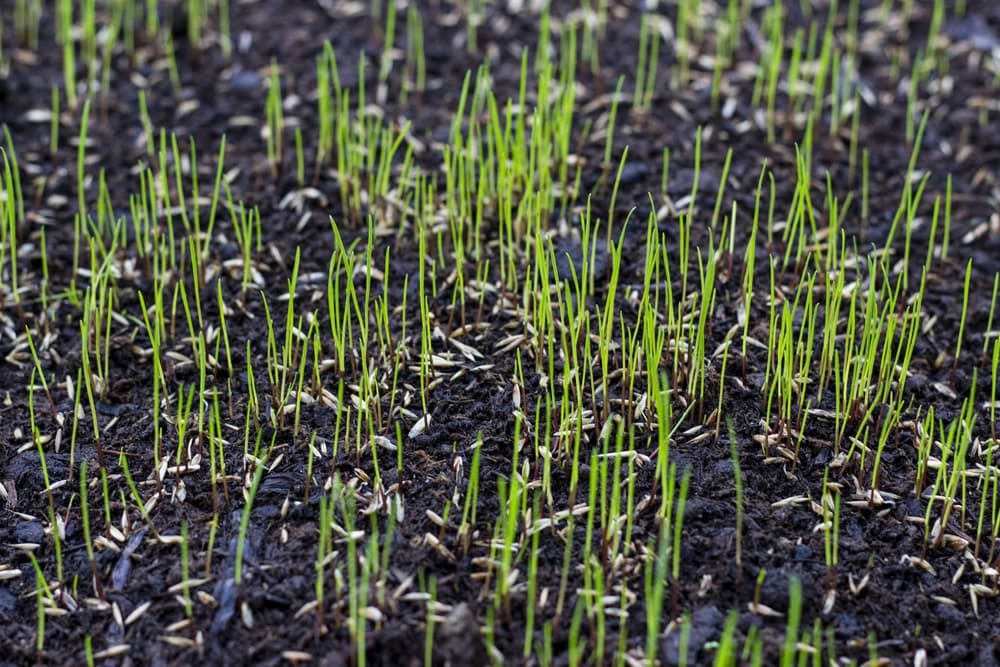
For newly seeded lawns, you’ll need to adjust this schedule temporarily. New seeds require consistent moisture and may need light, frequent watering two to three times daily until germination occurs. Once seedlings establish, gradually transition to the standard early morning routine.
Deep vs. Frequent Watering: The Science Behind Healthy Roots

The most critical concept in British lawn irrigation is promoting deep root growth through proper watering techniques, especially given our naturally clay-heavy soils and variable rainfall patterns.
Deep, infrequent watering encourages grass roots to grow downward in search of moisture, creating a robust root system that can access water and nutrients from deeper soil layers. This extensive root network makes your lawn more resilient during our increasingly common drought periods and better able to compete with persistent weeds like clover and plantain.
Shallow, frequent watering does the exact opposite. When you water lightly every day, roots become concentrated near the surface where water is readily available. These surface roots are particularly vulnerable to our hot, dry summers and struggle during periods when hosepipe bans are in effect.
The ideal watering depth penetrates 15-20cm into the soil for most UK grass types. To check your watering effectiveness, use a garden fork or soil probe 24 hours after irrigation. It should penetrate easily to the 15cm mark in properly watered soil. If you encounter resistance, particularly in clay soils, increase your watering duration rather than frequency.
Most established UK lawns benefit from watering 2-3 times per week during dry periods rather than daily sprinkles. This schedule allows the soil to partially dry between waterings, encouraging roots to grow deeper whilst preventing the waterlogged conditions that promote moss growth.
During our wet winters, reduce or eliminate supplemental watering entirely. Our natural rainfall typically provides more than adequate moisture, and overwatering during cooler months can lead to fungal problems and poor root development.
Proper Watering Techniques for Different UK Garden Areas
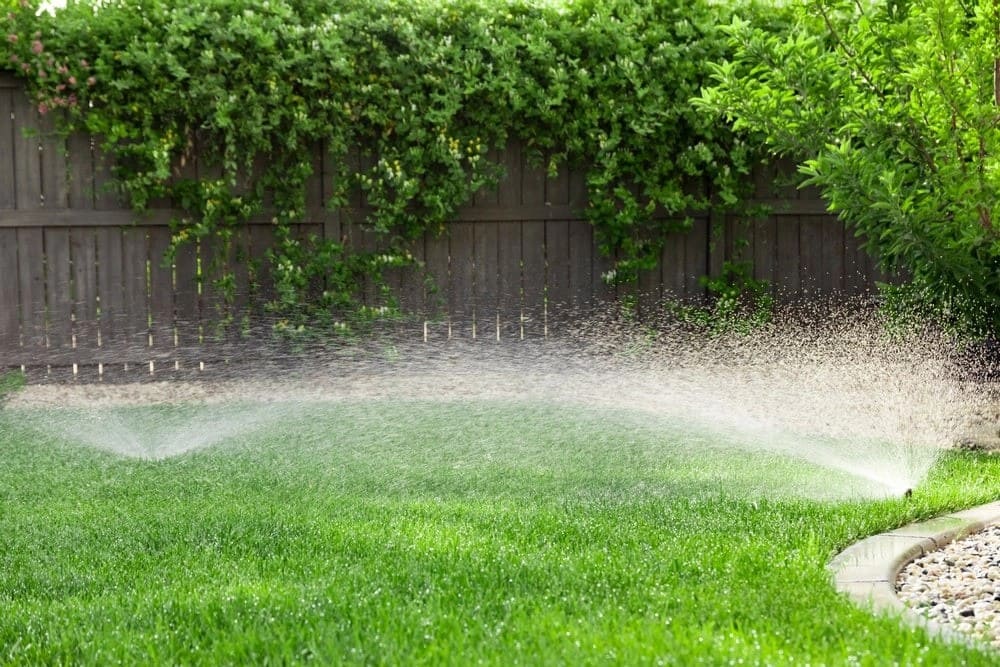
British gardens present unique challenges that require adapted watering techniques for optimal results across different areas and microclimates.
Sloping areas, common in many UK gardens, require special attention to prevent runoff. Water slopes in shorter intervals, allowing time for absorption between cycles. This technique, called “cycle and soak,” is particularly important on clay soils that are slow to absorb water. Apply water for 10-15 minutes, then wait 30 minutes before applying more.
Areas beneath mature trees need careful consideration. Large trees like oaks and beeches have extensive root systems that compete with grass for moisture. These areas typically need 30-50% more water than open lawn areas, but be careful not to overwater, as poor air circulation can lead to fungal problems in our humid climate.
South-facing slopes and areas near heat-reflecting surfaces like conservatories or patio doors require extra attention during hot weather. These spots can be significantly warmer than surrounding areas and may need daily watering during extreme heat, even when the rest of the lawn doesn’t.
Shaded areas, particularly those under evergreen trees or on the north side of buildings, need much less water but present their own challenges. Moss thrives in these consistently damp, cool conditions. Water these areas less frequently but ensure good drainage to prevent waterlogging.
For newly seeded areas, maintain consistent moisture without creating muddy conditions. Light, frequent watering may be necessary until germination, but gradually reduce frequency as seedlings establish. New turf requires consistent moisture for the first month but avoid walking on waterlogged ground, which can cause permanent indentations.
Dealing with our common clay soils requires patience and technique. Clay absorbs water slowly but holds it well. Use the cycle and soak method, and consider aerating compacted areas in autumn to improve water penetration.
Areas with poor drainage, common in many UK gardens, may need remedial work before effective watering can take place. Consider installing drainage systems or raising lawn levels with imported topsoil to improve water movement.
Common Lawn Watering Mistakes to Avoid in UK Gardens
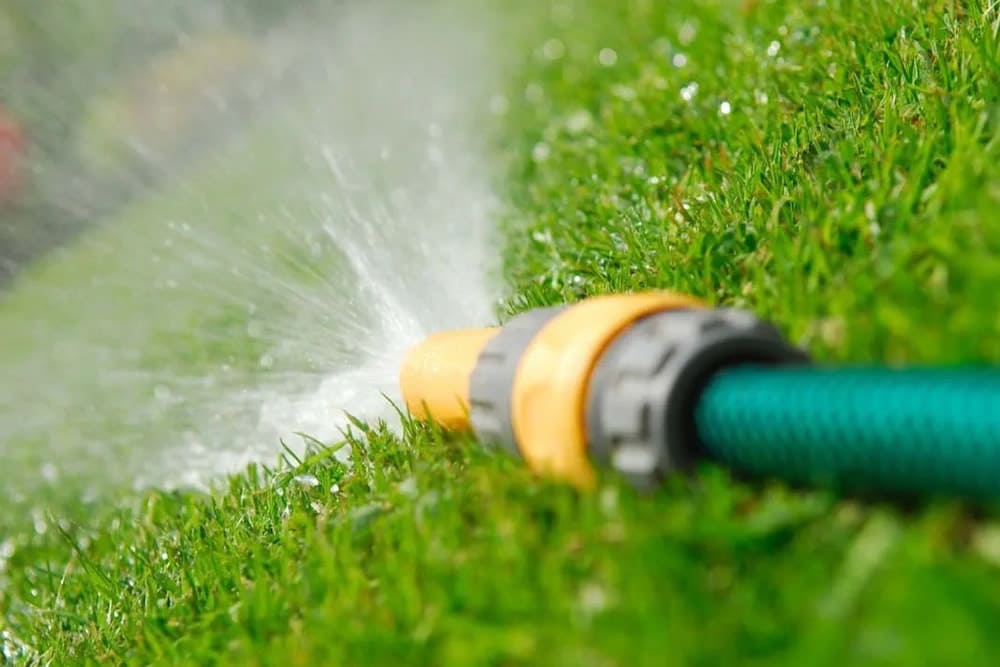
Even experienced UK gardeners make watering mistakes that can undermine their lawn care efforts. Understanding these common pitfalls helps you achieve better results whilst conserving water.
Overwatering during wet spells: Our changeable weather can catch gardeners off-guard. Continuing regular watering schedules during rainy periods leads to waterlogged soil, moss growth, and fungal diseases. Always check soil moisture before watering and adjust for recent rainfall.
Ignoring water restrictions: Hosepipe bans are increasingly common across England. Prepare for these restrictions by installing water-efficient systems and choosing drought-tolerant grass varieties. Remember that using a watering can during restrictions is usually permitted, making targeted watering possible even during bans.
Watering too frequently with small amounts: This creates shallow root systems that struggle during dry spells. Instead of daily light watering, apply 25mm of water twice weekly during dry periods.
Failing to adjust for microclimates: UK gardens often have significant variations in sun exposure, soil type, and shelter. A one-size-fits-all approach leads to overwatered shaded areas and drought-stressed sunny spots.
Ignoring soil conditions: Our heavy clay soils require different techniques than sandy soils. Clay needs longer, less frequent watering to prevent runoff, whilst sandy areas need shorter, more frequent sessions.
Watering during windy conditions: Our often breezy climate can significantly reduce watering efficiency. Wind causes uneven distribution and increased evaporation. Wait for calmer conditions or use low-angle sprinklers that are less affected by wind.
Not maintaining equipment: Blocked sprinkler heads and kinked hoses reduce efficiency. Regularly clean equipment and check for even water distribution patterns.
Conclusion
Mastering proper lawn watering techniques is one of the most impactful steps you can take for your garden’s health and appearance, particularly in our challenging and changeable UK climate. Remember, successful irrigation isn’t just about how much water you use—it’s about understanding when, how, and how efficiently you apply it to work with our natural weather patterns.
By following the deep watering principles we’ve covered, timing your irrigation for early morning hours, and choosing appropriate equipment for British growing conditions, you’ll be well on your way to achieving that lush, green lawn that enhances your property year-round. The key is working with our climate rather than against it, using our abundant winter rainfall to prepare for drier summer periods.
Start implementing these techniques gradually, and don’t hesitate to adjust your approach based on your lawn’s response and our ever-changing seasonal conditions. Monitor local weather forecasts, respect water restrictions when they’re in place, and remember that a slightly brown lawn during drought periods will recover beautifully once regular rainfall returns.
Ready to transform your lawn care routine? Begin with the 25mm rule this week, invest in a simple rain gauge to track natural rainfall, and start paying attention to your grass’s natural water requirements. Your lawn—and your water bill—will benefit from these professional techniques, and you’ll enjoy a healthier, more resilient garden that’s perfectly adapted to British growing conditions!
Questions?
We’re here to help, contact us today with any questions you may have about your lawn care issues.